
Maritime Safety and Emergency Response
Welcome to this exciting episode of our Postgraduate Certificate in Marine Navigation and Nautical Technology, where we delve into the crucial topic of Maritime Safety and Emergency Response. I'm thrilled to have you here, as we explore the…
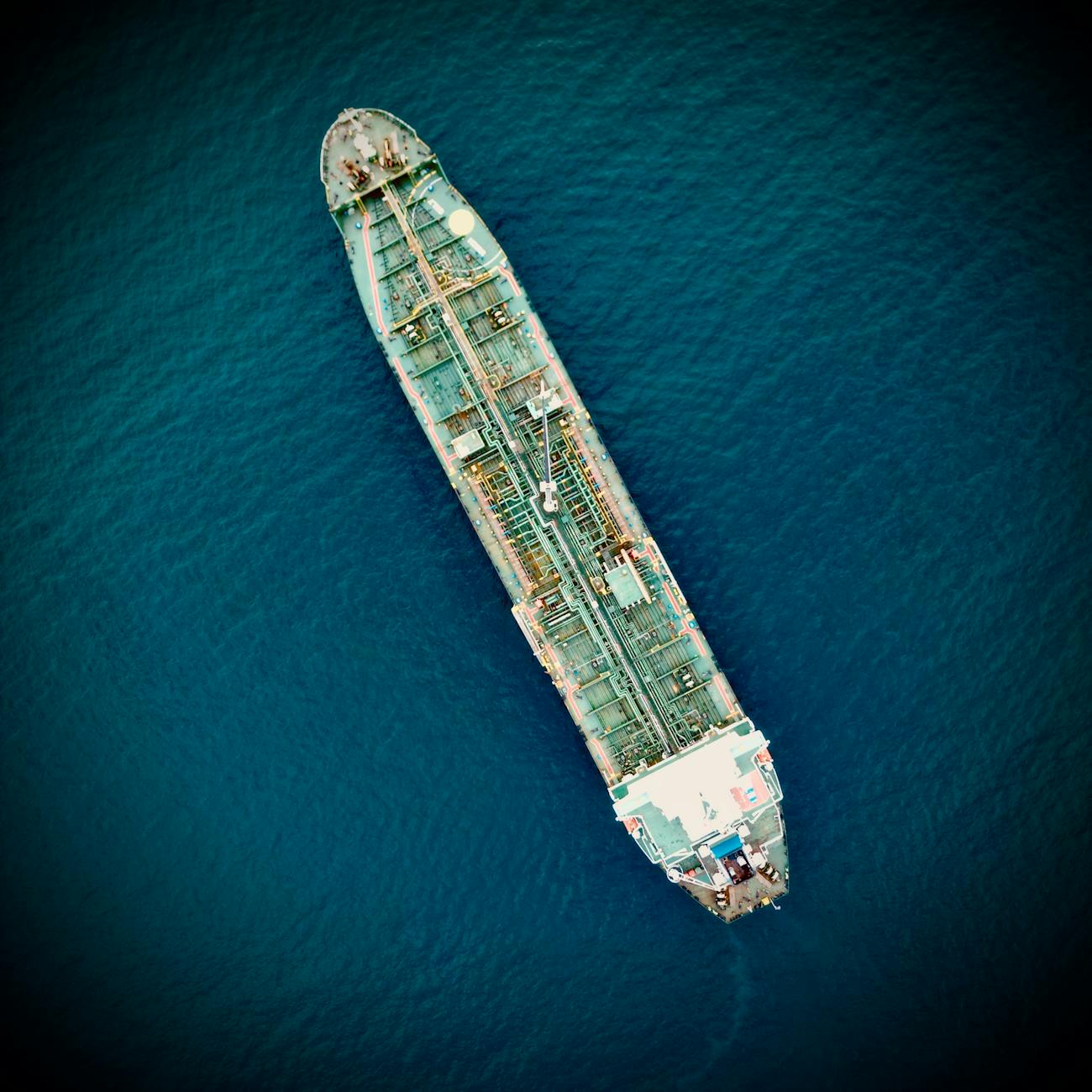
Welcome to this exciting episode of our Postgraduate Certificate in Marine Navigation and Nautical Technology, where we delve into the crucial topic of Maritime Safety and Emergency Response. I'm thrilled to have you here, as we explore the importance of this subject and its direct impact on your professional growth.
Imagine setting sail on the vast, mesmerizing ocean. The horizon stretches endlessly before you, filled with promise and adventure. However, as captivating as the sea may be, it also hides unpredictable dangers that can turn your journey into a perilous endeavor. That's where Maritime Safety and Emergency Response comes into play, ensuring that every nautical mile is covered with care, vigilance, and a well-thought-out action plan.
Throughout history, we have witnessed countless examples of maritime disasters, from the Titanic to the Exxon Valdez. These tragedies have shaped the way we approach maritime safety, pushing us to develop advanced technologies, stringent regulations, and comprehensive training programs to safeguard lives and the environment. Our unit on Maritime Safety and Emergency Response is your gateway to understanding and mastering these essential skills.
As we navigate through this episode, I will share practical applications of Maritime Safety and Emergency Response, offering actionable strategies, tips, and examples that you can implement in your own lives and careers.
First and foremost, preparation is key. Familiarize yourself with various emergency scenarios, such as fires, collisions, or flooding, and learn how to respond effectively. Develop detailed emergency plans and ensure that every member of your team is well-versed in their roles and responsibilities. After all, a crisis is not the time to learn on the job.
One common pitfall is failing to maintain and inspect critical safety equipment regularly. Neglecting routine checks can lead to malfunctions or failures during emergencies, putting lives and the environment at risk. Establish a rigorous maintenance schedule and adhere to it diligently.
As we navigate through this episode, I will share practical applications of Maritime Safety and Emergency Response, offering actionable strategies, tips, and examples that you can implement in your own lives and careers.
Another crucial aspect of Maritime Safety and Emergency Response is communication. Clear, concise, and timely communication can make the difference between a successful rescue operation and a catastrophic outcome. Invest in advanced communication systems and train your team to use them effectively. Remember, in an emergency, every second counts.
As we conclude this episode, I encourage you to apply what you've learned and continue your journey of growth in the field of marine navigation and nautical technology. Remember, the knowledge and skills you acquire in Maritime Safety and Emergency Response will not only protect lives and the environment but also enhance your professional reputation and career opportunities.
Before we part ways, I'd like to ask for your support in sharing this podcast with your colleagues, friends, and anyone who may benefit from its content. Don't forget to subscribe and engage with us through social media or our website. Your feedback and interaction help us create better episodes and provide you with the most relevant and engaging content.
Together, let's navigate the vast, unpredictable ocean with confidence, vigilance, and the power of knowledge. Until our next episode, stay safe and keep learning.
Key takeaways
- Welcome to this exciting episode of our Postgraduate Certificate in Marine Navigation and Nautical Technology, where we delve into the crucial topic of Maritime Safety and Emergency Response.
- That's where Maritime Safety and Emergency Response comes into play, ensuring that every nautical mile is covered with care, vigilance, and a well-thought-out action plan.
- These tragedies have shaped the way we approach maritime safety, pushing us to develop advanced technologies, stringent regulations, and comprehensive training programs to safeguard lives and the environment.
- As we navigate through this episode, I will share practical applications of Maritime Safety and Emergency Response, offering actionable strategies, tips, and examples that you can implement in your own lives and careers.
- Familiarize yourself with various emergency scenarios, such as fires, collisions, or flooding, and learn how to respond effectively.
- Neglecting routine checks can lead to malfunctions or failures during emergencies, putting lives and the environment at risk.
- Clear, concise, and timely communication can make the difference between a successful rescue operation and a catastrophic outcome.