
Oceanography and Marine Environmental Science
Welcome to this exciting episode of our Postgraduate Certificate in Marine Navigation and Nautical Technology, where we delve into the fascinating world of Oceanography and Marine Environmental Science. I'm thrilled to have you here, as we …
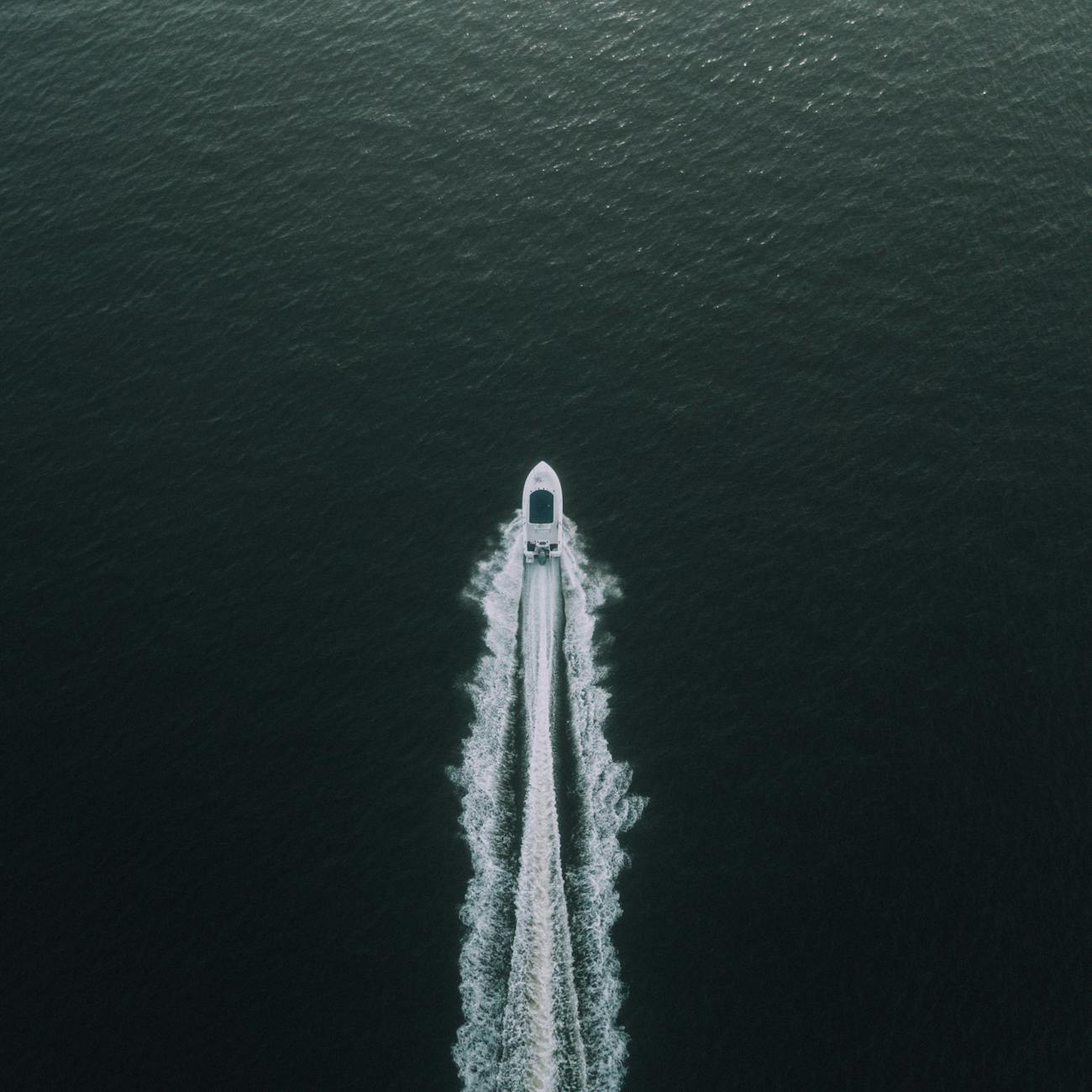
Welcome to this exciting episode of our Postgraduate Certificate in Marine Navigation and Nautical Technology, where we delve into the fascinating world of Oceanography and Marine Environmental Science. I'm thrilled to have you here, as we explore the breathtaking depths of our oceans and the incredible secrets they hold.
Oceanography is the interdisciplinary study of the Earth's seas and oceans, their origins, composition, movement, and ecosystems. Marine Environmental Science, on the other hand, focuses on understanding the marine environment and its relationship with human activities. Together, these fields offer us invaluable insights into the health of our planet and the impacts of climate change, pollution, and overfishing.
Let's take a brief journey through time to appreciate the evolution of these disciplines. Oceanography has been studied for centuries, with early philosophers like Aristotle making observations about marine life and tides. However, it wasn't until the 19th century that the field began to take shape, with the establishment of marine research institutions and the invention of new technologies, such as submersibles and sonar. Similarly, Marine Environmental Science emerged as a distinct field in the mid-20th century, driven by growing concerns over the health of the world's oceans and the recognition of the need for sustainable development.
Now that we've set the stage, let's dive into the practical applications of Oceanography and Marine Environmental Science. For starters, understanding ocean currents can help predict weather patterns and improve the accuracy of climate models. By studying marine life, we can develop new medicines, as many marine organisms possess unique chemical properties with potential therapeutic uses. Moreover, marine environmental scientists play a crucial role in managing fisheries, protecting endangered species, and promoting sustainable coastal development.
As we navigate these fascinating topics, it's essential to be aware of common pitfalls. For instance, when studying marine life, it's crucial to consider the impact of human activities, such as pollution and overfishing, on their populations. Furthermore, when working on coastal development projects, it's vital to balance economic growth with environmental protection. To avoid these pitfalls, consider consulting with experts in the field, staying informed about the latest research, and adopting sustainable practices.
Similarly, Marine Environmental Science emerged as a distinct field in the mid-20th century, driven by growing concerns over the health of the world's oceans and the recognition of the need for sustainable development.
To conclude, I want to leave you with an inspiring message. The world's oceans are vast and mysterious, yet they are also incredibly fragile. By studying Oceanography and Marine Environmental Science, we can better understand and protect these vital ecosystems, ensuring a healthier and more sustainable future for all.
Before we part ways, I'd like to encourage you to subscribe, share, or engage with our podcast. Your support helps us continue creating valuable content for learners like you. Together, let's embark on a journey of growth and discovery, unraveling the secrets of the ocean and its incredible inhabitants.
Thank you for joining me today, and I look forward to our next adventure in the world of marine navigation and nautical technology. Until then, stay curious and keep exploring!
Key takeaways
- Welcome to this exciting episode of our Postgraduate Certificate in Marine Navigation and Nautical Technology, where we delve into the fascinating world of Oceanography and Marine Environmental Science.
- Together, these fields offer us invaluable insights into the health of our planet and the impacts of climate change, pollution, and overfishing.
- Similarly, Marine Environmental Science emerged as a distinct field in the mid-20th century, driven by growing concerns over the health of the world's oceans and the recognition of the need for sustainable development.
- Moreover, marine environmental scientists play a crucial role in managing fisheries, protecting endangered species, and promoting sustainable coastal development.
- For instance, when studying marine life, it's crucial to consider the impact of human activities, such as pollution and overfishing, on their populations.
- By studying Oceanography and Marine Environmental Science, we can better understand and protect these vital ecosystems, ensuring a healthier and more sustainable future for all.
- Together, let's embark on a journey of growth and discovery, unraveling the secrets of the ocean and its incredible inhabitants.