
Advanced Marine Navigation Techniques
Welcome to this exciting episode of our Postgraduate Certificate in Marine Navigation and Nautical Technology podcast! Today, we're diving into the thrilling world of Advanced Marine Navigation Techniques. Now, you might be wondering, "Why …
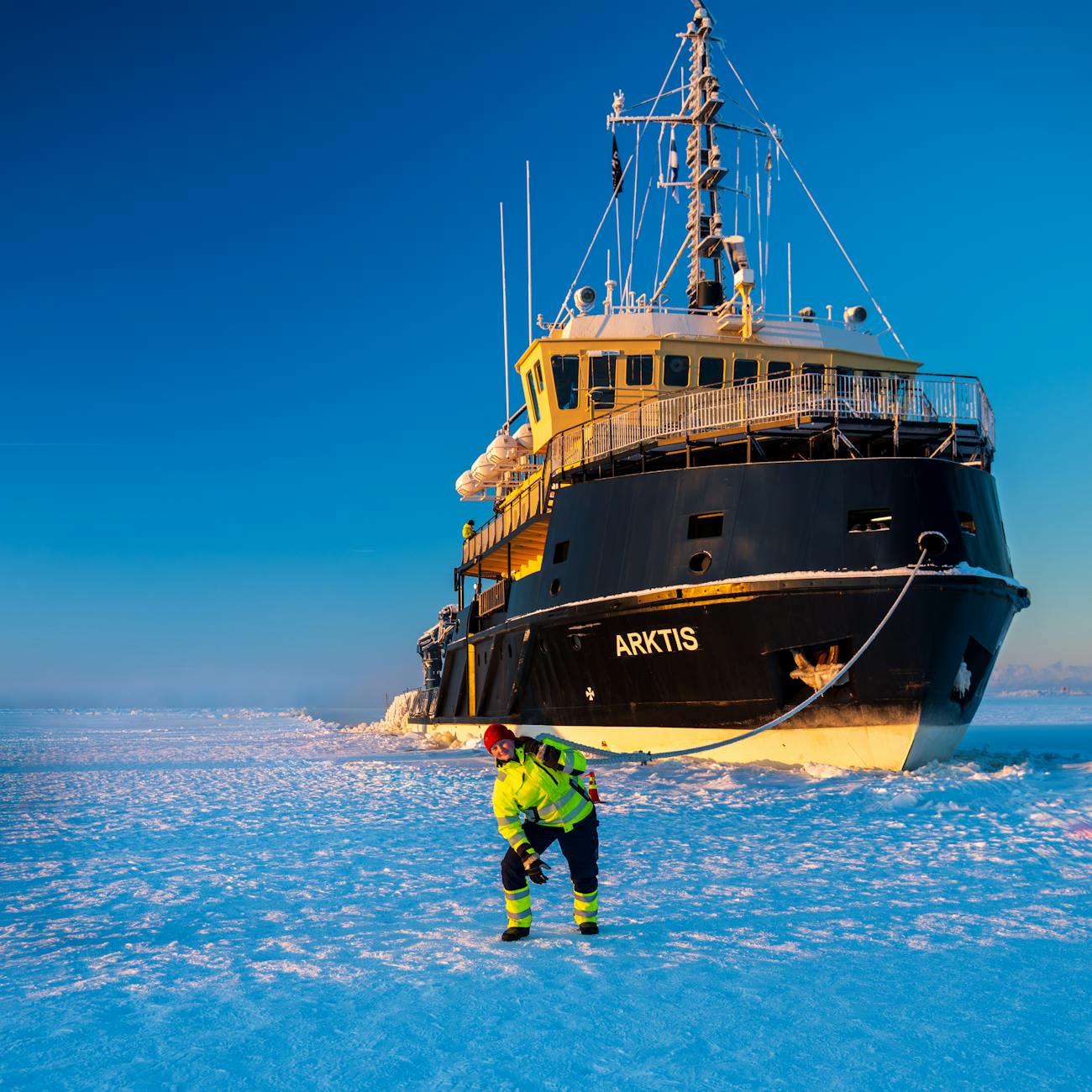
Welcome to this exciting episode of our Postgraduate Certificate in Marine Navigation and Nautical Technology podcast! Today, we're diving into the thrilling world of Advanced Marine Navigation Techniques. Now, you might be wondering, "Why are these techniques so important, and what do they even mean for me?" Well, let's set sail on a journey through time to understand the evolution of marine navigation and the crucial role it plays in our modern world.
Hundreds of years ago, sailors navigated the vast oceans using the stars, wind, and currents as their guides. It was a challenging and sometimes dangerous endeavor, but it laid the foundation for the advanced techniques we use today. Fast forward to the 21st century, and we're now using cutting-edge technology, like Electronic Chart Display and Information Systems (ECDIS) and Automatic Identification Systems (AIS), to ensure safe and efficient navigation.
So, why should you care? Whether you're a seasoned mariner, a budding navigator, or simply a curious soul, understanding Advanced Marine Navigation Techniques will give you a competitive edge in the industry and a deeper appreciation for the complex world of maritime navigation.
Now, let's get down to the nitty-gritty. Advanced Marine Navigation Techniques involve a variety of strategies and tools that will help you navigate even the most challenging waters. Here are some actionable strategies and tips to get you started:
1. Embrace ECDIS: This system combines digital charts, GPS data, and other navigation tools into one user-friendly interface. It's like having a superpowered navigator by your side, and it's quickly becoming the industry standard.
2. Use AIS to your advantage: Automatic Identification Systems help you track other vessels in your vicinity, preventing collisions and ensuring smooth sailing. But remember, relying on AIS alone isn't enough—always maintain a proper lookout and use all available resources to stay safe.
3. Master the art of dead reckoning: Even in our high-tech world, there may be situations where you'll need to rely on traditional navigation methods. Dead reckoning involves estimating your position based on your speed, course, and previous known location. It's a valuable skill to have in your navigational toolkit.
Use AIS to your advantage: Automatic Identification Systems help you track other vessels in your vicinity, preventing collisions and ensuring smooth sailing.
4. Avoid common pitfalls: It's essential to be aware of the potential hazards that come with advanced navigation techniques. For example, always double-check your data sources and never rely solely on one method of navigation. Redundancy is key to ensuring safety at sea.
5. Stay up-to-date: The world of marine navigation is constantly evolving, so it's crucial to stay informed about new technologies and techniques. By continuing your education and staying current, you'll be better prepared to face whatever the sea throws your way.
As we conclude this episode, I want to leave you with an inspiring message: the power of Advanced Marine Navigation Techniques is in your hands. By applying what you've learned, you'll not only become a more skilled navigator, but you'll also contribute to the ongoing evolution of marine navigation.
Now, it's time to take action! Share this episode with a friend, subscribe to our podcast, or engage with us on social media. Let's continue this journey of growth together, and remember: the sea is calling, and it's time to answer with confidence and skill.
Fair winds and following seas, my fellow navigators!
Key takeaways
- " Well, let's set sail on a journey through time to understand the evolution of marine navigation and the crucial role it plays in our modern world.
- Fast forward to the 21st century, and we're now using cutting-edge technology, like Electronic Chart Display and Information Systems (ECDIS) and Automatic Identification Systems (AIS), to ensure safe and efficient navigation.
- Advanced Marine Navigation Techniques involve a variety of strategies and tools that will help you navigate even the most challenging waters.
- Embrace ECDIS: This system combines digital charts, GPS data, and other navigation tools into one user-friendly interface.
- Use AIS to your advantage: Automatic Identification Systems help you track other vessels in your vicinity, preventing collisions and ensuring smooth sailing.
- Master the art of dead reckoning: Even in our high-tech world, there may be situations where you'll need to rely on traditional navigation methods.
- Avoid common pitfalls: It's essential to be aware of the potential hazards that come with advanced navigation techniques.