
Cruise Ship Engineering and Technology
Cruise ship engineering and technology is a complex and multidisciplinary field that requires a deep understanding of various systems and subsystems that work together to ensure the safe and efficient operation of a cruise ship. One of the …
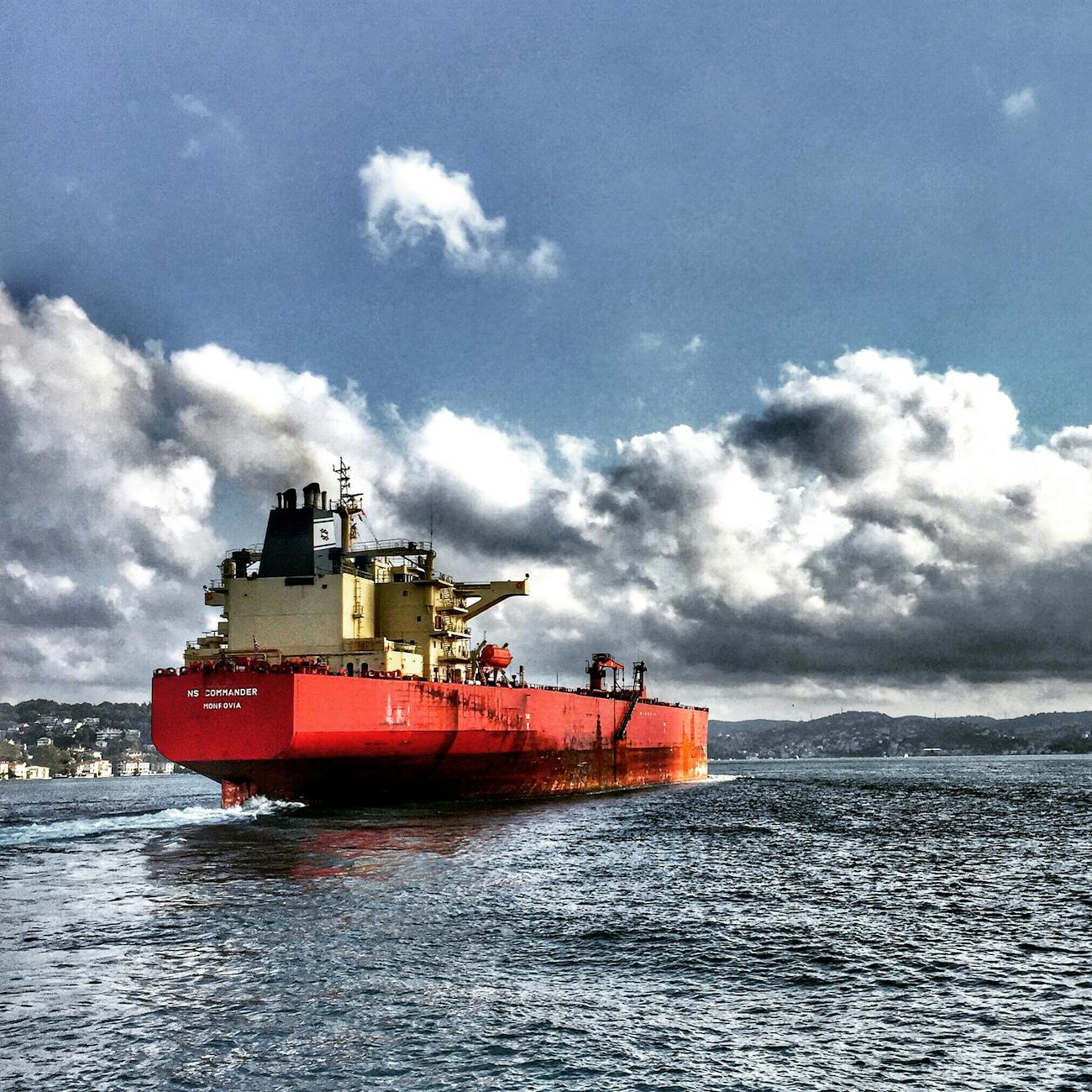
Cruise ship engineering and technology is a complex and multidisciplinary field that requires a deep understanding of various systems and subsystems that work together to ensure the safe and efficient operation of a cruise ship. One of the key terms in this field is propulsion, which refers to the system used to move the ship through the water. There are several types of propulsion systems used in cruise ships, including diesel-electric and gas turbine systems. The diesel-electric system uses diesel generators to produce electricity, which is then used to power electric motors that drive the propellers. The gas turbine system, on the other hand, uses a gas turbine to produce mechanical energy, which is then used to drive the propellers.
Another important term in cruise ship engineering and technology is hull design, which refers to the shape and structure of the ship's hull. The hull design is critical to the ship's stability, maneuverability, and fuel efficiency. Cruise ships have a unique hull shape that is designed to provide a stable and comfortable ride for passengers, while also minimizing resistance and maximizing speed. The hull design must also take into account the ship's stability and buoyancy, as well as its ability to withstand stress and loads from various sources, including waves and wind.
In addition to propulsion and hull design, cruise ship engineering and technology also involves the use of control systems to monitor and control the ship's systems and subsystems. These control systems use sensors and actuators to monitor and control the ship's speed, direction, and position. They also use algorithms and models to predict and prevent problems and errors. The control systems must be able to handle complex and dynamic situations, and must be able to adapt to changing conditions and circumstances.
Cruise ship engineering and technology also involves the use of materials and manufacturing techniques to build and maintain the ship's structures and components. The materials used in cruise ship construction must be strong and durable, and must be able to withstand the corrosive effects of seawater and atmospheric conditions. The manufacturing techniques used must be precise and efficient, and must be able to produce high-quality components and structures.
One of the challenges facing cruise ship engineers and technologists is the need to balance the ship's performance and efficiency with the need to protect the environment and conserve resources. Cruise ships are major polluters, and produce large amounts of waste and emissions. They also use large amounts of fuel and energy, which can have a significant impact on the environment. To address these challenges, cruise ship engineers and technologists are using new and innovative technologies, such as solar and wind power, to reduce the ship's carbon footprint and environmental impact.
Another challenge facing cruise ship engineers and technologists is the need to ensure the safety and security of the ship and its passengers and crew. Cruise ships are complex and dynamic systems, and are subject to a wide range of hazards and risks. To address these challenges, cruise ship engineers and technologists are using advanced and sophisticated systems and technologies, such as navigation and communication systems, to monitor and control the ship's position and trajectory.
In terms of environmental systems, cruise ships use a variety of treatments and technologies to manage and dispose of waste and emissions. These include wastewater treatment systems, air pollution control systems, and solid waste management systems. The wastewater treatment system uses physical and chemical processes to remove pollutants and contaminants from the ship's wastewater. The air pollution control system uses scrubbers and filters to remove pollutants and particulates from the ship's exhaust. The solid waste management system uses compactors and incinerators to reduce and dispose of the ship's solid waste.
Cruise ships also use ballast water treatment systems to manage and control the ship's ballast water. The ballast water treatment system uses physical and chemical processes to remove pollutants and invasive species from the ship's ballast water. This is an important environmental consideration, as ballast water can introduce invasive species and pollutants into new environments and ecosystems.
In addition to environmental systems, cruise ships also use a variety of energy and power systems to generate and distribute electricity and heat. These include diesel-electric and gas turbine systems, as well as solar and wind power systems. The diesel-electric system uses diesel generators to produce electricity, which is then used to power the ship's systems and subsystems. The gas turbine system uses a gas turbine to produce mechanical energy, which is then used to drive the ship's propellers and generators.
Cruise ships also use water treatment systems to provide and distribute freshwater to the ship's passengers and crew. The water treatment system! Uses physical and chemical processes to remove pollutants and contaminants from the ship's seawater and wastewater. This is an important health and safety consideration, as clean and safe drinking water is essential for the health and wellbeing of the ship's passengers and crew.
In terms of air conditioning and ventilation systems, cruise ships use a variety of systems and technologies to cool and ventilate the ship's interior spaces. These include chilled water and air handling systems, as well as heat pumps and evaporative coolers. The chilled water system uses chillers to produce chilled water, which is then used to cool the ship's interior spaces. The air handling system uses fans and ducts to distribute and circulate air throughout the ship.
Cruise ships also use waste management systems to collect and dispose of waste and recyclables. The waste management system uses compactors and incinerators to reduce and dispose of the ship's solid waste. This is an important environmental consideration, as waste and recyclables can have a significant impact on the environment if not managed and disposed of properly.
In terms of fire protection and safety systems, cruise ships use a variety of systems and technologies to detect and suppress fires and emergencies. These include fire alarms and suppression systems, as well as emergency generators and life-saving appliances. The fire alarm system uses sensors and detectors to detect and alert the ship's crew to fires and emergencies. The fire suppression system uses water and foam to suppress and extinguish fires and emergencies.
Cruise ships also use navigation and communication systems to navigate and communicate with other ships and stations. The navigation system uses GPS and charts to navigate and plot the ship's course and position. The communication system uses radios and satellites to communicate and transmit information and data to and from the ship.
In terms of security and safety systems, cruise ships use a variety of systems and technologies to protect and secure the ship and its passengers and crew. These include access control and surveillance systems, as well as emergency response and contingency planning systems. The access control system uses card readers and biometric scanners to control and restrict access to the ship's restricted areas and spaces. The surveillance system uses cameras and monitors to monitor and observe the ship's interior and exterior spaces.
Cruise ships also use maintenance and repair systems to maintain and repair the ship's systems and subsystems. The maintenance system uses schedules and checklists to schedule and perform maintenance and repair tasks. The repair system uses spare parts and tools to repair and replace failed or damaged components and systems.
In addition to these systems and technologies, cruise ships also use a variety of materials and manufacturing techniques to build and maintain the ship's structures and components. The materials used in cruise ship construction must be strong and durable, and must be able to withstand the corrosive effects of seawater and atmospheric conditions. The manufacturing techniques used must be precise and efficient, and must be able to produce high-quality components and structures.
The design and construction of a cruise ship is a complex and multidisciplinary process that involves a wide range of engineers and technologists, including naval architects, marine engineers, and systems engineers. The design process involves the use of computer-aided design and finite element analysis to model and simulate the ship's behavior and performance under various loading and operating conditions. The construction process involves the use of advanced and sophisticated manufacturing techniques, such as welding and machining, to build and assemble the ship's structures and components.
The operation and maintenance of a cruise ship is also a complex and multidisciplinary process that involves a wide range of engineers and technologists, including marine engineers, electrical engineers, and mechanical engineers. The operation process involves the use of advanced and sophisticated control systems to monitor and control the ship's systems and subsystems, as well as to navigate and communicate with other ships and stations. The maintenance process involves the use of schedules and checklists to scheduled and perform maintenance and repair tasks, as well as to inspect and test the ship's systems and subsystems.
In terms of environmental impact, cruise ships can have a significant effect on the environment, including air and water pollution, as well as habitat disruption and species extinction. To mitigate these impacts, cruise ships are using new and innovative technologies, such as solar and wind power, to reduce their carbon footprint and environmental impact. They are also using advanced and sophisticated waste management systems to collect and dispose of waste and recyclables in a responsible and sustainable manner.
The future of cruise ship engineering and technology is likely to be shaped by a number of key trends and drivers, including the need for greater efficiency and sustainability, as well as the need for advanced and sophisticated technologies to support and enable the operation and maintenance of cruise ships. Some of the key technologies that are likely to play a major role in the future of cruise ship engineering and technology include alternative fuels, such as liquefied natural gas and biofuels, as well as advanced and sophisticated control systems, such as artificial intelligence and machine learning.
In terms of education and training, there are a number of programs and courses available to support and enable the development of skills and knowledge in the field of cruise ship engineering and technology. These programs and courses are offered by a number of institutions and organizations, including universities and colleges, as well as professional associations and industry groups. They cover a wide range of topics and subjects, including propulsion and power generation, as well as control systems and navigation.
The benefits of a career in cruise ship engineering and technology are numerous and significant. They include the opportunity to work on complex and challenging projects, as well as the opportunity to travel and experience new places and cultures. They also include the opportunity to earn a competitive salary and benefits package, as well as the opportunity to advance and progress in a rewarding and fulfilling career.
In terms of challenges and opportunities, the field of cruise ship engineering and technology is likely to be shaped by a number of key trends and drivers, including the need for greater efficiency and sustainability, as well as the need for advanced and sophisticated technologies to support and enable the operation and maintenance of cruise ships. Some of the key challenges that are likely to be faced by cruise ship engineers and technologists in the future include the need to reduce emissions and mitigate the impact of climate change, as well as the need to develop and implement new and innovative technologies to support and enable the operation and maintenance of cruise ships.
Overall, the field of cruise ship engineering and technology is a complex and multidisciplinary field that requires a deep understanding of a wide range of systems and technologies. It is a field that is likely to be shaped by a number of key trends and drivers, including the need for greater efficiency and sustainability, as well as the need for advanced and sophisticated technologies to support and enable the operation and maintenance of cruise ships. As such, it is a field that offers a wide range of challenges and opportunities for engineers and technologists who are interested in pursuing a career in this exciting and rewarding field.
Key takeaways
- The diesel-electric system uses diesel generators to produce electricity, which is then used to power electric motors that drive the propellers.
- The hull design must also take into account the ship's stability and buoyancy, as well as its ability to withstand stress and loads from various sources, including waves and wind.
- In addition to propulsion and hull design, cruise ship engineering and technology also involves the use of control systems to monitor and control the ship's systems and subsystems.
- The materials used in cruise ship construction must be strong and durable, and must be able to withstand the corrosive effects of seawater and atmospheric conditions.
- They also use large amounts of fuel and energy, which can have a significant impact on the environment.
- Another challenge facing cruise ship engineers and technologists is the need to ensure the safety and security of the ship and its passengers and crew.
- In terms of environmental systems, cruise ships use a variety of treatments and technologies to manage and dispose of waste and emissions.