
Environmental Legislation and Compliance
Environmental Legislation and Compliance are crucial aspects of the Postgraduate Certificate in Cruise Ship Environmental Systems. This explanation will cover key terms and vocabulary related to these topics.
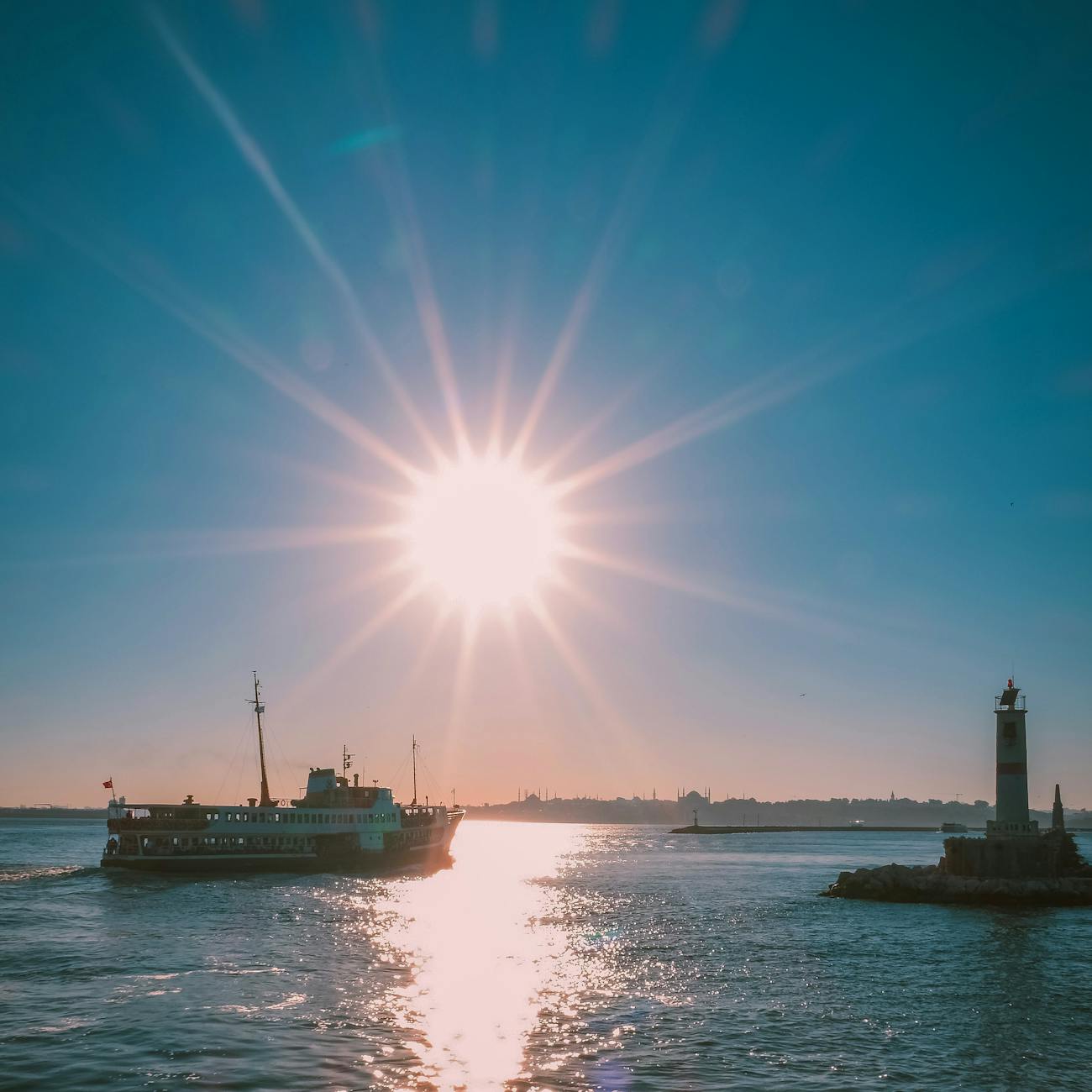
Environmental Legislation and Compliance are crucial aspects of the Postgraduate Certificate in Cruise Ship Environmental Systems. This explanation will cover key terms and vocabulary related to these topics.
1. Environmental Legislation: Laws and regulations that govern how humans interact with the environment to minimize harm and ensure sustainability. 2. Compliance: Adhering to environmental laws and regulations to avoid penalties and maintain a positive reputation. 3. International Maritime Organization (IMO): A specialized agency of the United Nations responsible for regulating international shipping, including environmental protection. 4. MARPOL Convention: The International Convention for the Prevention of Pollution from Ships, which sets standards for preventing and controlling ship-source pollution. 5. Annex VI of MARPOL: The section of the MARPOL Convention that sets limits on sulfur oxide and nitrogen oxide emissions from ships. 6. Ballast Water Management Convention: An IMO treaty that aims to prevent the spread of harmful aquatic organisms in ship’s ballast water. 7. Emission Control Areas (ECAs): Designated areas where stricter emissions standards apply, as set out in Annex VI of MARPOL. 8. Air Pollution: The release of harmful substances into the atmosphere, which can have negative impacts on human health and the environment. 9. Greenhouse Gases (GHGs): Gases, such as carbon dioxide and methane, that trap heat in the atmosphere and contribute to global warming. 10. Carbon Footprint: The total amount of greenhouse gases produced to directly and indirectly support human activities, usually expressed in equivalent tons of carbon dioxide (CO2). 11. Energy Efficiency Design Index (EEDI): A metric used to measure the energy efficiency of a ship, as required by MARPOL Annex VI. 12. Ship Energy Efficiency Management Plan (SEEMP): A plan that details the measures a ship will take to improve its energy efficiency, as required by MARPOL Annex VI. 13. Environmental Impact Assessment (EIA): A process of evaluating the potential environmental impacts of a proposed project or development. 14. ISO 14001: An international standard for environmental management systems that helps organizations minimize their environmental impact. 15. Integrated Pollution Prevention and Control (IPPC): A systematic approach to controlling pollution from industrial activities, as required by the European Union. 16. Extended Producer Responsibility (EPR): A policy approach that holds manufacturers responsible for the entire lifecycle of their products, including disposal. 17. Circular Economy: An economic system that is restorative and regenerative by design, aiming to keep products and materials in use for as long as possible. 18. Sustainable Development: Development that meets the needs of the present without compromising the ability of future generations to meet their own needs. 19. Corporate Social Responsibility (CSR): A self-regulating business model that helps a company be socially accountable to itself, its stakeholders, and the public. 20. Stakeholder Engagement: The process of involving stakeholders in decision-making and implementation to ensure their interests are considered and addressed. 21. Environmental Management System (EMS): A framework that helps an organization achieve its environmental goals through consistent monitoring and improvement. 22. Life Cycle Assessment (LCA): A method for evaluating the environmental impact of a product or service from cradle to grave. 23. Biodiversity: The variety of different plants, animals, and microorganisms that live in an ecosystem. 24. Habitat Destruction: The destruction of natural environments that support plant and animal life. 25. Invasive Species: Non-native species that cause harm to the environment, economy, or human health. 26. Sustainable Tourism: Tourism that takes into account the economic, social, and environmental impacts of travel and promotes conservation and community development. 27. Waste Management: The collection, transportation, processing, recycling, and disposal of waste materials. 28. Zero Waste: A goal to reduce waste to the absolute minimum, with the ultimate aim of sending nothing to landfill. 29. Marine Protected Areas (MPAs): Protected areas of the ocean that are managed to conserve biodiversity and ecosystems. 30. Ocean Acidification: The decrease in the pH of the ocean as a result of increased carbon dioxide emissions. 31. Climate Change: Long-term changes in temperatures and weather patterns as a result of human activities, particularly the burning of fossil fuels. 32. Renewable Energy: Energy from sources that are naturally replenished, such as wind, solar, and hydro power. 33. Carbon Capture and Storage (CCS): The process of capturing carbon dioxide emissions and storing them underground to prevent their release into the atmosphere. 34. Sustainable Transport: Transportation that minimizes negative environmental impacts and promotes sustainability. 35. Noise Pollution: The release of noise into the environment that causes disturbance or harm to living organisms. 36. Light Pollution: The excessive or misdirected artificial light produced by human activities that can have negative impacts on the environment. 37. Environmental Justice: The fair treatment and meaningful involvement of all people, regardless of race, color, national origin, or income, in the development, implementation, and enforcement of environmental laws, regulations, and policies. 38. Brownfield Sites: Abandoned or underused industrial and commercial properties where redevelopment is complicated by the presence of hazardous substances, pollutants, or other environmental contamination. 39. Green Infrastructure: Networks of natural and semi-natural features, such as parks, green roofs, and wetlands, that provide environmental, social, and economic benefits. 40. Urban Heat Island (UHI): A phenomenon where urban areas experience higher temperatures than surrounding rural areas due to the concentration of buildings, roads, and other heat-absorbing surfaces.
In conclusion, this explanation has covered key terms and vocabulary related to environmental legislation and compliance for the Postgraduate Certificate in Cruise Ship Environmental Systems. Understanding these terms is essential for working in the field and ensuring compliance with regulations. By implementing effective environmental management systems, reducing waste, promoting sustainable development, and engaging stakeholders, organizations can contribute to a more sustainable future.
Key takeaways
- Environmental Legislation and Compliance are crucial aspects of the Postgraduate Certificate in Cruise Ship Environmental Systems.
- Brownfield Sites: Abandoned or underused industrial and commercial properties where redevelopment is complicated by the presence of hazardous substances, pollutants, or other environmental contamination.
- By implementing effective environmental management systems, reducing waste, promoting sustainable development, and engaging stakeholders, organizations can contribute to a more sustainable future.