
Fundamentals of Cruise Ship Operations
Cruise Ship Operations: Cruise ship operations refer to the various functions and processes involved in managing and operating a cruise ship. This includes everything from navigation and engineering to housekeeping and entertainment. The go…
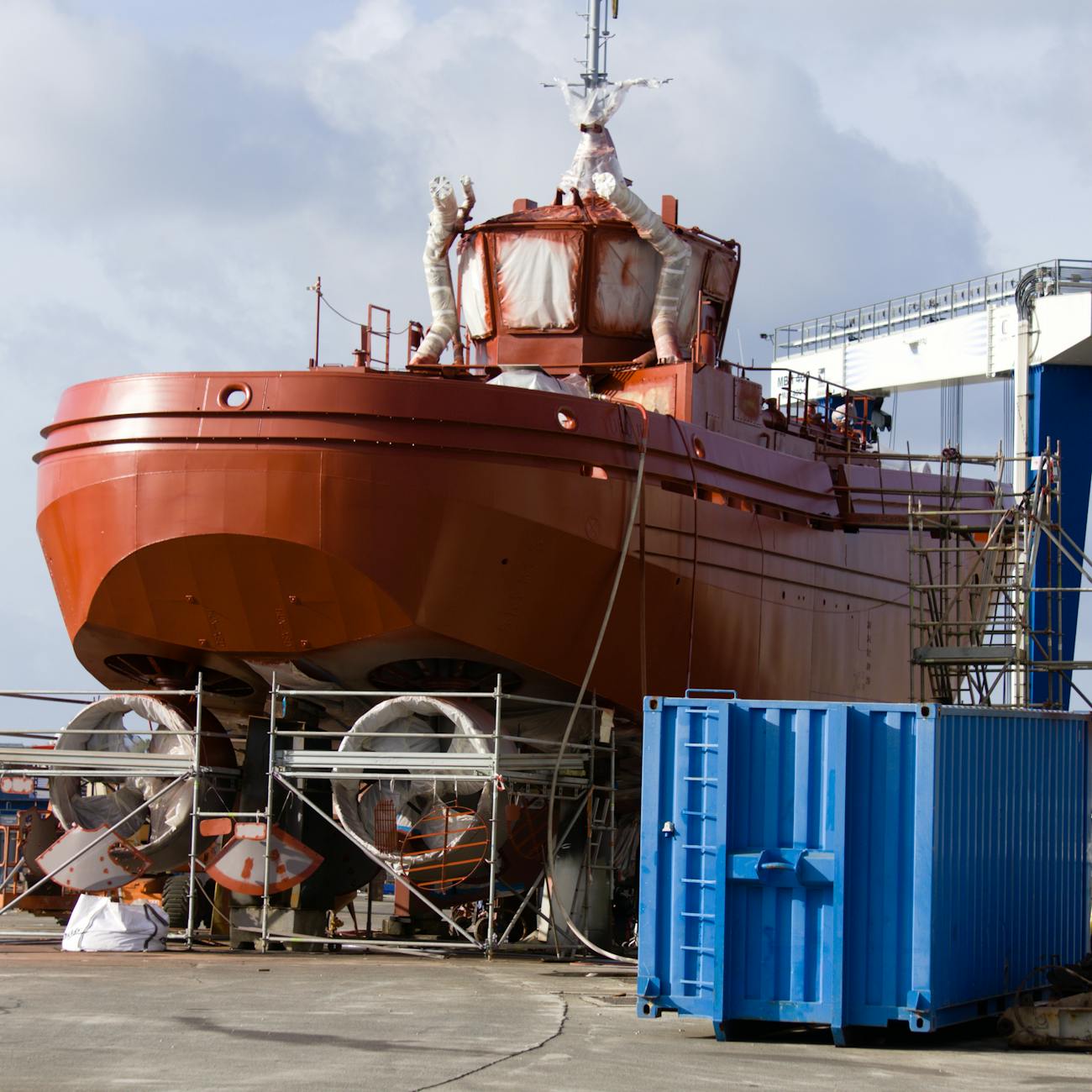
Cruise Ship Operations: Cruise ship operations refer to the various functions and processes involved in managing and operating a cruise ship. This includes everything from navigation and engineering to housekeeping and entertainment. The goal of cruise ship operations is to provide a safe, comfortable, and enjoyable experience for passengers while also ensuring the financial success of the cruise line.
Gross Tonnage (GT): Gross tonnage is a measure of a ship's internal volume and is used to determine the ship's size and operating costs. It is expressed in units of "tons" and is calculated by measuring the ship's total enclosed volume, including all spaces above and below the waterline, and then applying a conversion factor. A larger gross tonnage generally indicates a larger and more complex ship with higher operating costs.
Double-Bottom: A double-bottom is a watertight compartment located below the ship's main cargo or fuel tanks. It is designed to provide additional buoyancy and stability in the event of damage to the ship's hull. In addition, the double-bottom can be used to store ballast water, which is used to stabilize the ship and maintain its trim.
Ballast Water: Ballast water is water that is pumped into a ship's ballast tanks to provide stability and trim. It is usually taken on when the ship is light and discharged when the ship is loaded with cargo. Ballast water can contain a variety of aquatic organisms, including plants, animals, and microbes, which can be transported to new environments and cause harm to local ecosystems. As a result, the International Maritime Organization (IMO) has implemented regulations to control the transfer of ballast water between different bodies of water.
Desalination: Desalination is the process of removing salt and other impurities from seawater to produce fresh water. This is an important function on cruise ships, as they often operate in areas where fresh water is scarce. Desalination is typically accomplished using one of two methods: reverse osmosis or multi-stage flash distillation. Reverse osmosis uses high pressure to force seawater through a semi-permeable membrane, while multi-stage flash distillation uses heat to vaporize the seawater and then condense it into fresh water.
Greywater: Greywater is wastewater that comes from showers, sinks, and laundry facilities on a cruise ship. It does not contain human waste and is therefore less harmful than blackwater, which comes from toilets. Greywater can be treated and reused for various purposes on a cruise ship, such as irrigation, toilet flushing, and cooling systems.
Blackwater: Blackwater is wastewater that comes from toilets on a cruise ship. It contains human waste and is therefore considered to be hazardous. Blackwater must be treated and disposed of in accordance with international regulations to prevent the spread of disease and protect the environment.
Advanced Wastewater Treatment Systems: Advanced wastewater treatment systems are used to treat greywater and blackwater on cruise ships. These systems use a combination of physical, chemical, and biological processes to remove impurities and produce clean water that can be safely discharged into the environment. Examples of advanced wastewater treatment systems include membrane bioreactors (MBRs) and sequencing batch reactors (SBRs).
Exhaust Gas Cleaning Systems: Exhaust gas cleaning systems, also known as scrubbers, are used to remove pollutants from the exhaust gases produced by a ship's engines. Scrubbers use a variety of methods, such as spraying seawater or chemicals into the exhaust gases, to remove sulfur dioxide, particulate matter, and other pollutants. This helps ships comply with international regulations aimed at reducing air pollution and protecting the environment.
Energy Efficiency Design Index (EEDI): The Energy Efficiency Design Index (EEDI) is a measure of a ship's energy efficiency. It is used to regulate the amount of greenhouse gases that ships are allowed to emit. The EEDI is calculated based on the ship's size, speed, and propulsion system, and is expressed in grams of carbon dioxide per ton-mile. Ships are required to meet certain EEDI standards in order to be granted approval to operate.
Ship Energy Efficiency Management Plan (SEEMP): The Ship Energy Efficiency Management Plan (SEEMP) is a plan that outlines the measures a ship will take to improve its energy efficiency and reduce its greenhouse gas emissions. The SEEMP is required for all ships of 400 gross tonnage and above and must be developed and implemented in accordance with international regulations. The SEEMP includes a variety of measures, such as optimizing the ship's speed and routing, improving the efficiency of its propulsion system, and using renewable energy sources.
In summary, the Fundamentals of Cruise Ship Operations course in the Postgraduate Certificate in Cruise Ship Environmental Systems covers a wide range of topics related to the operation and management of cruise ships. Key terms and concepts include gross tonnage, double-bottom, ballast water, desalination, greywater, blackwater, advanced wastewater treatment systems, exhaust gas cleaning systems, Energy Efficiency Design Index (EEDI), and Ship Energy Efficiency Management Plan (SEEMP). A thorough understanding of these terms and concepts is essential for anyone looking to work in the cruise ship industry or related fields. Examples, practical applications, and challenges are provided throughout the course to help learners understand and apply these concepts in real-world situations.
Key takeaways
- The goal of cruise ship operations is to provide a safe, comfortable, and enjoyable experience for passengers while also ensuring the financial success of the cruise line.
- It is expressed in units of "tons" and is calculated by measuring the ship's total enclosed volume, including all spaces above and below the waterline, and then applying a conversion factor.
- In addition, the double-bottom can be used to store ballast water, which is used to stabilize the ship and maintain its trim.
- Ballast water can contain a variety of aquatic organisms, including plants, animals, and microbes, which can be transported to new environments and cause harm to local ecosystems.
- Reverse osmosis uses high pressure to force seawater through a semi-permeable membrane, while multi-stage flash distillation uses heat to vaporize the seawater and then condense it into fresh water.
- Greywater can be treated and reused for various purposes on a cruise ship, such as irrigation, toilet flushing, and cooling systems.
- Blackwater must be treated and disposed of in accordance with international regulations to prevent the spread of disease and protect the environment.