
Water Supply and Treatment on Cruise Ships
Water supply and treatment on cruise ships is a complex process that involves various systems and technologies to provide clean and safe drinking water for passengers and crew. The water supply system on a cruise ship typically consists of …
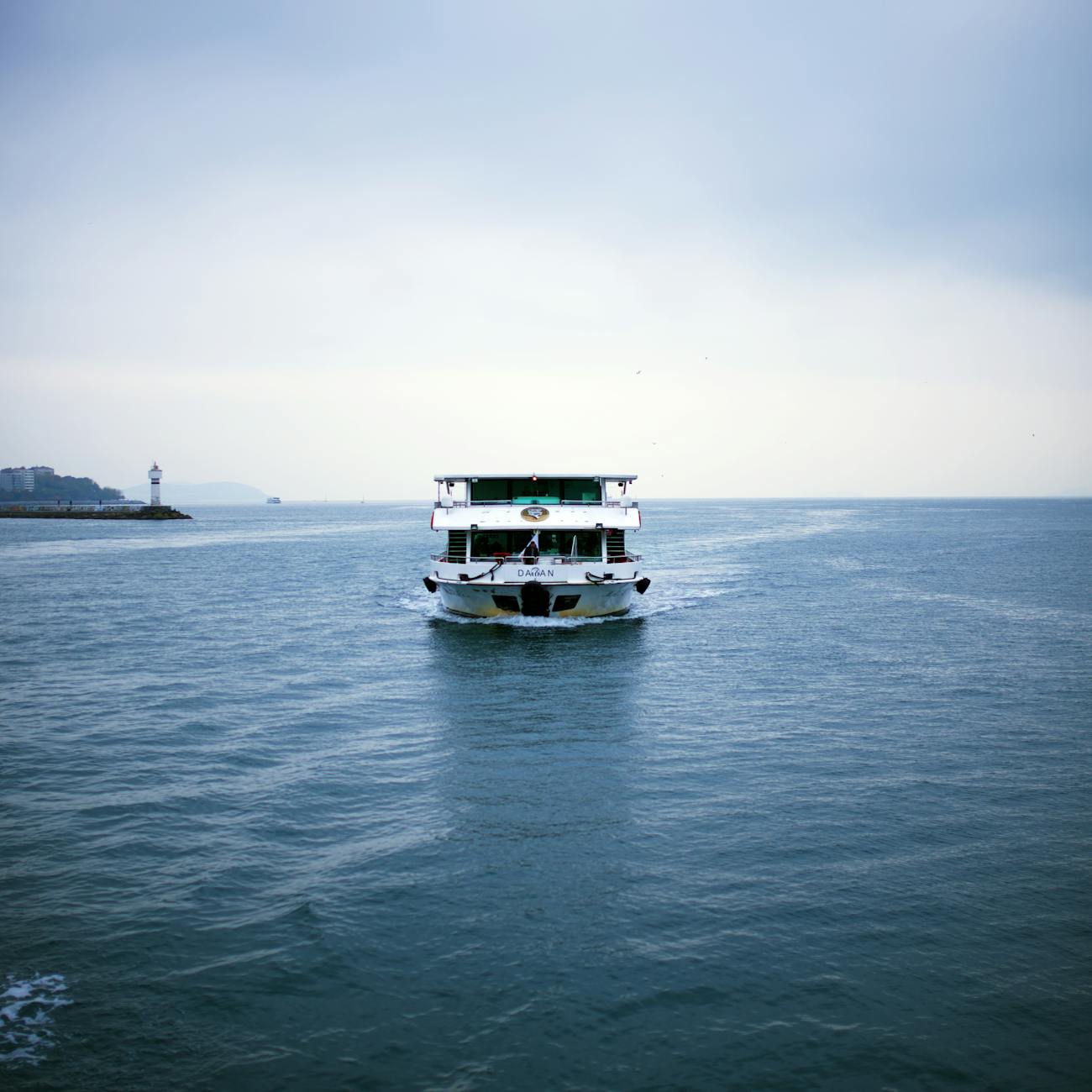
Water supply and treatment on cruise ships is a complex process that involves various systems and technologies to provide clean and safe drinking water for passengers and crew. The water supply system on a cruise ship typically consists of several stages, including storage, treatment, and distribution. The storage stage involves collecting and storing water from various sources, such as municipal water supplies, wells, or desalination plants. The treatment stage involves removing contaminants and impurities from the water to make it safe for consumption. The distribution stage involves delivering the treated water to various parts of the ship, including galleys, bars, and cabins.
One of the key challenges in providing a reliable water supply on cruise ships is the limited amount of freshwater available. Cruise ships often have to rely on desalination plants to produce freshwater from seawater. Desalination plants use various technologies, such as reverse osmosis, distillation, or electrodialysis, to remove salt and other minerals from the seawater. The choice of desalination technology depends on various factors, including the size of the ship, the amount of water needed, and the energy available.
Another important aspect of water supply and treatment on cruise ships is wastewater management. Cruise ships generate a significant amount of wastewater from various sources, including galleys, bathrooms, and laundry facilities. The wastewater must be treated and disposed of in a responsible manner to prevent pollution and protect the environment. Cruise ships use various technologies, such as biological treatment, chemical treatment, or physical treatment, to remove contaminants and impurities from the wastewater.
In addition to desalination and wastewater management, cruise ships also have to deal with water conservation. Water conservation is critical on cruise ships because of the limited amount of freshwater available. Cruise ships use various strategies to conserve water, including low-flow fixtures, gray water reuse, and rational use of water in galleys and laundry facilities. Gray water reuse involves reusing wastewater from sinks, showers, and washing machines for irrigation and flushing toilets.
Cruise ships also have to comply with various regulations and standards related to water supply and treatment. The International Maritime Organization (IMO) and the United States Coast Guard (USCG) have established guidelines and regulations for the treatment and disposal of wastewater from cruise ships. Cruise ships must also comply with local and national regulations related to water supply and treatment.
The operation and maintenance of water supply and treatment systems on cruise ships require specialized knowledge and skills. Cruise ship personnel must be trained to operate and maintain the systems and equipment used for water supply and treatment. They must also be aware of the importance of water conservation and the impact of wastewater disposal on the environment.
In terms of energy efficiency, cruise ships can use various strategies to reduce the energy consumption of water supply and treatment systems. One approach is to use energy-efficient pumps and motors to reduce the energy consumption of water treatment and distribution systems. Another approach is to use renewable energy sources, such as solar or wind power, to generate electricity for water treatment and distribution systems.
The cost of water supply and treatment on cruise ships can be significant. The cost of desalination plants, wastewater treatment systems, and water conservation measures can be high. However, the cost of not providing a reliable water supply and treating wastewater properly can be even higher. The environmental impact of wastewater disposal and the health risks associated with contaminated water can be significant.
In recent years, there has been an increasing focus on sustainability and environmental stewardship in the cruise ship industry. Cruise ships are adopting various strategies to reduce their environmental impact, including reducing waste, increasing energy efficiency, and implementing sustainable practices for water supply and treatment. The use of advanced technologies, such as membrane bioreactors and advanced oxidation processes, can help to improve the efficiency and effectiveness of water treatment systems.
The future of water supply and treatment on cruise ships will likely involve the use of advanced technologies and sustainable practices. The development of new technologies, such as nanofiltration and ultrafiltration, can help to improve the efficiency and effectiveness of water treatment systems. The use of renewable energy sources and sustainable practices can help to reduce the environmental impact of cruise ships.
In terms of water quality, cruise ships must ensure that the water supplied to passengers and crew meets strict standards for quality and safety. The World Health Organization (WHO) and the United States Environmental Protection Agency (EPA) have established guidelines and standards for drinking water quality. Cruise ships must monitor and test the water quality regularly to ensure that it meets these standards.
The management of water supply and treatment on cruise ships requires a holistic approach that takes into account the technical, environmental, and economic aspects of water supply and treatment. Cruise ships must balance the need to provide a reliable water supply with the need to reduce waste and minimize the environmental impact of wastewater disposal. The use of advanced technologies and sustainable practices can help to achieve this balance and ensure that cruise ships operate in a responsible and environmentally friendly manner.
The training and education of cruise ship personnel is critical to ensuring that water supply and treatment systems are operated and maintained properly.
In terms of research and development, there are many opportunities to improve the efficiency and effectiveness of water supply and treatment systems on cruise ships. The development of new technologies, such as membrane bioreactors and advanced oxidation processes, can help to improve the efficiency and effectiveness of water treatment systems.
The implementation of best management practices for water supply and treatment on cruise ships can help to reduce the environmental impact of wastewater disposal and improve the efficiency and effectiveness of water treatment systems. The use of advanced technologies and sustainable practices can help to achieve this goal and ensure that cruise ships operate in a responsible and environmentally friendly manner.
In terms of regulatory compliance, cruise ships must comply with various regulations and standards related to water supply and treatment.
The economic benefits of implementing sustainable practices for water supply and treatment on cruise ships can be significant. The use of energy-efficient technologies and sustainable practices can help to reduce the cost of water supply and treatment. The reduction of waste and minimization of the environmental impact of wastewater disposal can also help to reduce the cost of regulatory compliance.
The social benefits of implementing sustainable practices for water supply and treatment on cruise ships can also be significant. The protection of the environment and the prevention of pollution can help to promote public health and wellbeing. The creation of jobs and stimulation of local economies can also be a benefit of implementing sustainable practices for water supply and treatment on cruise ships.
In terms of environmental impact, the reduction of waste and minimization of the environmental impact of wastewater disposal can help to protect the marine environment and promote biodiversity. The use of renewable energy sources and sustainable practices can help to reduce the carbon footprint of cruise ships and promote climate change mitigation.
The use of renewable energy sources and sustainable practices can help to reduce the environmental impact of cruise ships and promote climate change mitigation.
Key takeaways
- Water supply and treatment on cruise ships is a complex process that involves various systems and technologies to provide clean and safe drinking water for passengers and crew.
- Desalination plants use various technologies, such as reverse osmosis, distillation, or electrodialysis, to remove salt and other minerals from the seawater.
- Cruise ships use various technologies, such as biological treatment, chemical treatment, or physical treatment, to remove contaminants and impurities from the wastewater.
- Cruise ships use various strategies to conserve water, including low-flow fixtures, gray water reuse, and rational use of water in galleys and laundry facilities.
- Cruise ships also have to comply with various regulations and standards related to water supply and treatment.
- They must also be aware of the importance of water conservation and the impact of wastewater disposal on the environment.
- Another approach is to use renewable energy sources, such as solar or wind power, to generate electricity for water treatment and distribution systems.