
Fire Protection Design
Fire Protection Design in the context of the Postgraduate Certificate in Fire Protection Engineering involves the application of engineering principles and techniques to prevent, mitigate, and manage the impact of fire incidents in building…
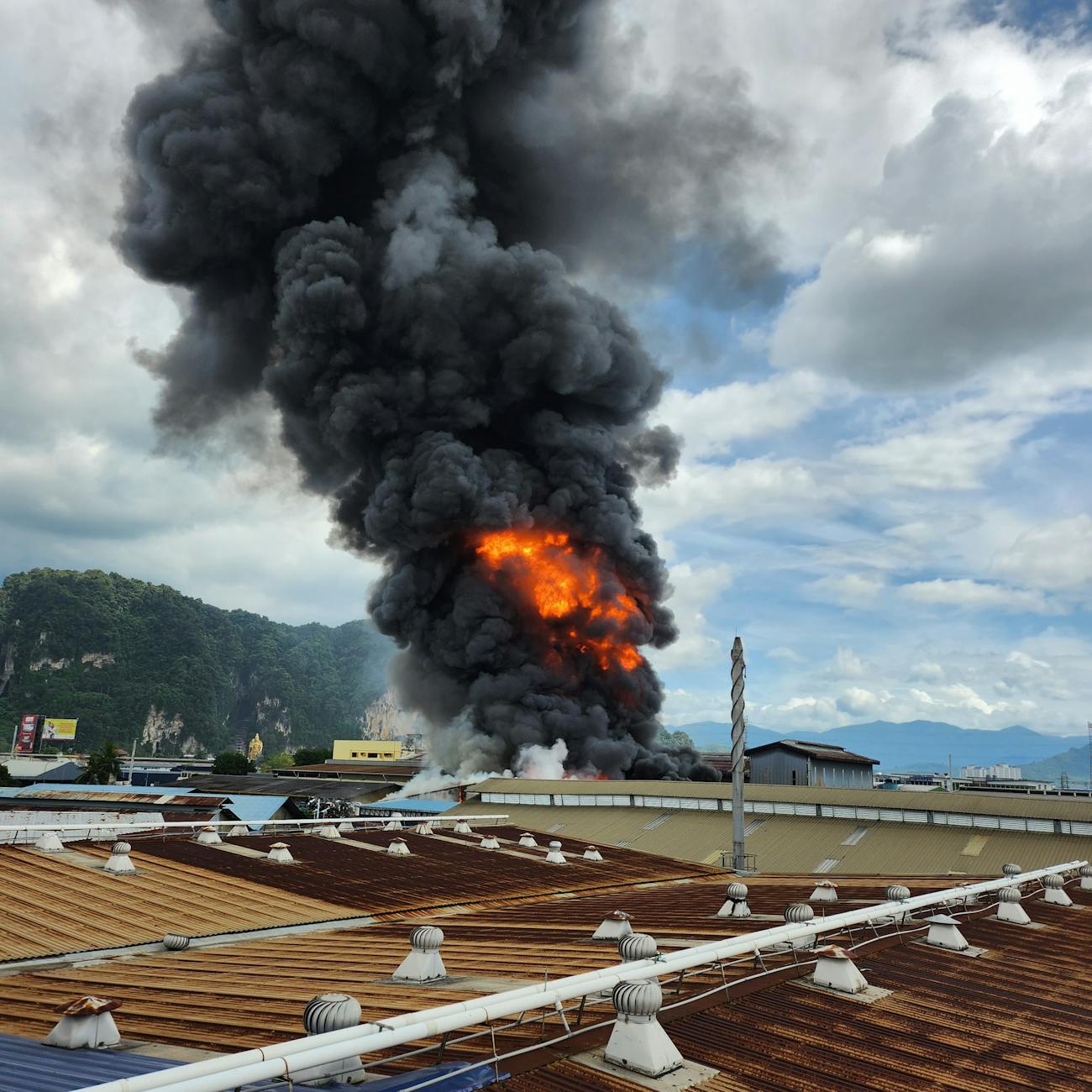
Fire Protection Design in the context of the Postgraduate Certificate in Fire Protection Engineering involves the application of engineering principles and techniques to prevent, mitigate, and manage the impact of fire incidents in buildings and other structures. This field encompasses a wide range of disciplines, including fire dynamics, fire behavior, fire modeling, fire detection and suppression systems, building codes and regulations, and human behavior in fire emergencies. Fire protection design aims to ensure the safety of occupants, protect property, and minimize the environmental impact of fires.
Key Terms and Vocabulary
Fire Triangle: The fire triangle is a simple model that illustrates the three elements required for a fire to occur: fuel, heat, and oxygen. Removing any one of these elements can extinguish a fire.
Fire Tetrahedron: The fire tetrahedron is an extension of the fire triangle, adding a fourth element: a chemical reaction. This model is used to understand the complex interactions that occur during a fire.
Fire Dynamics: Fire dynamics is the study of how fires start, spread, and develop in different environments. Understanding fire dynamics is crucial for designing effective fire protection systems.
Fire Behavior: Fire behavior refers to the way fires behave under various conditions, such as temperature, fuel type, and ventilation. Predicting fire behavior is essential for designing evacuation plans and selecting appropriate fire protection measures.
Fire Modeling: Fire modeling involves using mathematical equations and computer simulations to predict the behavior of fires in buildings. These models help engineers design effective fire protection strategies.
Fire Detection Systems: Fire detection systems are devices that monitor environmental conditions for signs of fire, such as smoke, heat, or flames. These systems provide early warning to occupants and trigger fire suppression systems.
Fire Suppression Systems: Fire suppression systems are designed to extinguish fires or limit their spread. Examples include sprinkler systems, fire extinguishers, and gaseous suppression systems.
Building Codes: Building codes are regulations that govern the design, construction, and maintenance of buildings to ensure they are safe from fire hazards. Compliance with building codes is essential for fire protection design.
Fire Resistance: Fire resistance refers to the ability of a material or structure to withstand fire exposure without collapsing or spreading flames. Fire-resistant materials are used in building construction to improve fire safety.
Compartmentation: Compartmentation involves dividing a building into separate fire compartments to prevent the spread of fire and smoke. Each compartment is designed to contain a fire for a specified period, allowing occupants to evacuate safely.
Means of Egress: Means of egress are the pathways that occupants use to evacuate a building in an emergency. These include stairways, corridors, exits, and exit signs. Designing effective means of egress is crucial for fire safety.
Smoke Control Systems: Smoke control systems are designed to manage the movement of smoke in a building during a fire. These systems help maintain visibility, prevent smoke inhalation, and facilitate safe evacuation.
Fire Resistance Rating: The fire resistance rating of a material or assembly indicates how long it can withstand fire exposure before failing. Ratings are expressed in minutes or hours and are determined through standardized testing.
Fire Load: The fire load is the total amount of combustible materials in a building that can contribute to a fire. Managing the fire load is essential for reducing the risk of fire and limiting its spread.
Fire Compartment: A fire compartment is a designated area within a building that is separated from other compartments by fire-rated walls, floors, and ceilings. Compartmentation helps contain fires and protect occupants.
Passive Fire Protection: Passive fire protection refers to the use of fire-resistant materials and construction techniques to limit the spread of fire and smoke. Examples include fire-rated doors, walls, and floors.
Active Fire Protection: Active fire protection involves the use of fire detection and suppression systems to control or extinguish fires. Examples include sprinkler systems, fire alarms, and smoke detectors.
Fire Safety Engineering: Fire safety engineering is a multidisciplinary field that combines principles of engineering, fire science, and human behavior to assess and mitigate fire risks in buildings. Fire safety engineers design fire protection systems and evacuation plans to ensure occupant safety.
Fire Risk Assessment: Fire risk assessment is the process of evaluating the likelihood and potential impact of a fire in a specific building or environment. Assessments help identify fire hazards, vulnerabilities, and mitigation measures.
Fire Alarm System: A fire alarm system is a network of interconnected devices, such as smoke detectors, heat sensors, and alarm panels, that detect and alert occupants to the presence of a fire. Early warning from fire alarm systems is critical for evacuation.
Fire Sprinkler System: A fire sprinkler system is an automatic fire suppression system that delivers water or other extinguishing agents to control or extinguish a fire. Sprinkler systems are designed to protect buildings and occupants from fire damage.
Fire Extinguisher: A fire extinguisher is a portable device that contains a fire-suppressing agent, such as water, foam, or dry chemical powder. Fire extinguishers are used to extinguish small fires or control flames until help arrives.
Evacuation Plan: An evacuation plan is a detailed strategy outlining the procedures and routes for occupants to safely exit a building in an emergency. Effective evacuation plans consider factors such as occupant mobility, building layout, and assembly points.
Fire Drill: A fire drill is a practice exercise conducted to test the effectiveness of an evacuation plan and familiarize occupants with emergency procedures. Regular fire drills help ensure a timely and orderly evacuation in a real fire emergency.
Fire Safety Management: Fire safety management involves the development and implementation of policies, procedures, and training programs to prevent, prepare for, and respond to fire incidents. Effective fire safety management is essential for protecting lives and property.
Fire Investigation: Fire investigation is the process of determining the cause, origin, and spread of a fire. Investigating fires helps identify potential hazards, prevent future incidents, and improve fire protection strategies.
Fire Safety Regulations: Fire safety regulations are legal requirements established by government agencies to ensure buildings meet minimum safety standards for fire protection. Compliance with fire safety regulations is mandatory for all building owners and occupants.
Fire Risk Management: Fire risk management is a proactive approach to identify, assess, and mitigate fire risks in buildings. Effective fire risk management involves continuous monitoring, evaluation, and improvement of fire protection measures.
Fire Safety Plan: A fire safety plan is a comprehensive document outlining the fire safety procedures, emergency contacts, evacuation routes, and fire protection systems in a building. Fire safety plans are essential for ensuring preparedness and response to fire emergencies.
Fire Safety Audit: A fire safety audit is a systematic evaluation of a building's fire protection measures to identify deficiencies, non-compliance with regulations, and opportunities for improvement. Fire safety audits help ensure buildings are safe and compliant with fire codes.
Fire Warden: A fire warden is a designated individual responsible for overseeing fire safety procedures, conducting fire drills, and assisting with evacuations in a building. Fire wardens play a crucial role in ensuring a prompt and orderly response to fire emergencies.
Fire Risk Assessment Matrix: A fire risk assessment matrix is a tool used to systematically evaluate and prioritize fire risks based on likelihood and consequences. The matrix helps identify high-risk areas that require immediate attention and mitigation measures.
Fire Load Density: The fire load density is a measure of the total combustible materials present in a specific area of a building. Calculating fire load density helps determine the fire risk and design appropriate fire protection strategies.
Fire Safety Training: Fire safety training provides building occupants with the knowledge and skills to respond effectively to fire emergencies. Training may include fire extinguisher use, evacuation procedures, and fire prevention measures.
Fire Safety Culture: Fire safety culture refers to the attitudes, beliefs, and behaviors of individuals and organizations regarding fire safety. A positive fire safety culture promotes awareness, responsibility, and compliance with fire protection measures.
Fire Safety Compliance: Fire safety compliance involves meeting the requirements of fire safety regulations, building codes, and standards to ensure buildings are safe from fire hazards. Non-compliance with fire safety regulations can result in fines, penalties, or legal action.
Fire Protection Engineering: Fire protection engineering is a specialized branch of engineering that focuses on designing, analyzing, and implementing fire protection systems to safeguard people, property, and the environment from fire hazards. Fire protection engineers use science and technology to mitigate fire risks and enhance fire safety.
Fire Safety Systems Integration: Fire safety systems integration involves connecting and coordinating various fire protection systems, such as fire alarms, sprinklers, and smoke control systems, to ensure they work together effectively during a fire emergency. Integration improves response time and overall fire safety.
Fire Safety Performance-Based Design: Fire safety performance-based design is an approach that focuses on achieving specific fire safety objectives rather than strictly adhering to prescriptive codes and standards. Performance-based design allows for innovative solutions tailored to the unique characteristics of a building or environment.
Fire Safety Evacuation Simulation: Fire safety evacuation simulation uses computer modeling and simulations to predict occupant behavior during a fire emergency and evaluate the effectiveness of evacuation strategies. Simulations help optimize evacuation plans and improve overall fire safety.
Fire Safety Risk Assessment: Fire safety risk assessment evaluates the likelihood and consequences of fire incidents in a building to identify vulnerabilities and prioritize mitigation measures. Risk assessments help building owners and operators make informed decisions to enhance fire safety.
Fire Safety Emergency Response Plan: A fire safety emergency response plan outlines the procedures, roles, and responsibilities for responding to fire emergencies in a building. The plan includes evacuation protocols, communication strategies, and coordination with emergency services.
Fire Safety Inspection: A fire safety inspection is a systematic examination of a building's fire protection systems, equipment, and procedures to ensure compliance with fire safety regulations. Inspections help identify deficiencies, address hazards, and maintain fire safety standards.
Fire Safety Maintenance: Fire safety maintenance includes regular inspections, testing, and maintenance of fire protection systems to ensure they are operational and effective in an emergency. Proper maintenance is essential for preserving fire safety and compliance with regulations.
Fire Safety Performance Evaluation: Fire safety performance evaluation assesses the effectiveness and reliability of fire protection systems in a building through testing, monitoring, and analysis. Evaluations help identify areas for improvement and ensure optimal fire safety performance.
Fire Safety Risk Management Plan: A fire safety risk management plan outlines the strategies, resources, and actions to manage and mitigate fire risks in a building. The plan includes risk assessments, mitigation measures, and emergency response procedures to promote fire safety.
Fire Safety Training Program: A fire safety training program provides building occupants with the knowledge, skills, and awareness to respond effectively to fire emergencies. Training programs cover fire prevention, evacuation procedures, and the use of fire protection equipment.
Fire Safety Awareness Campaign: A fire safety awareness campaign raises awareness among building occupants about fire risks, prevention measures, and emergency procedures. Campaigns promote a culture of fire safety and encourage proactive behavior to reduce fire hazards.
Fire Safety Compliance Audit: A fire safety compliance audit evaluates a building's compliance with fire safety regulations, codes, and standards to identify gaps, deficiencies, and areas for improvement. Audits help ensure buildings are safe, compliant, and prepared for fire emergencies.
Fire Safety Risk Assessment Tool: A fire safety risk assessment tool is a resource or software application used to assess and analyze fire risks in buildings. Tools help identify hazards, evaluate vulnerabilities, and prioritize mitigation measures to enhance fire safety.
Fire Safety Emergency Response Training: Fire safety emergency response training prepares building occupants to respond effectively to fire emergencies through hands-on exercises, simulations, and drills. Training enhances readiness, coordination, and communication during a fire incident.
Fire Safety Education Program: A fire safety education program provides information and resources to educate building occupants about fire risks, prevention strategies, and emergency preparedness. Education programs promote awareness, responsibility, and proactive behavior to enhance fire safety.
Fire Safety Incident Investigation: A fire safety incident investigation analyzes the causes, effects, and response to a fire incident to identify opportunities for improvement and prevent future incidents. Investigations help enhance fire safety and emergency preparedness.
Fire Safety Awareness Training: Fire safety awareness training educates building occupants about fire risks, prevention measures, and emergency procedures to promote a culture of fire safety. Awareness training enhances preparedness, response, and cooperation during fire emergencies.
Fire Safety Compliance Checklist: A fire safety compliance checklist is a tool used to assess a building's compliance with fire safety regulations, codes, and standards. Checklists help identify deficiencies, address hazards, and maintain fire safety standards.
Fire Safety Risk Management Strategy: A fire safety risk management strategy outlines the overarching approach, goals, and actions to manage and mitigate fire risks in a building. The strategy includes risk assessments, mitigation measures, and emergency response plans to enhance fire safety.
Fire Safety Emergency Response Protocol: A fire safety emergency response protocol defines the procedures, roles, and responsibilities for responding to fire emergencies in a building. Protocols outline evacuation routes, communication strategies, and coordination with emergency services.
Fire Safety Inspection Checklist: A fire safety inspection checklist is a tool used to systematically evaluate a building's fire protection systems, equipment, and procedures for compliance with fire safety regulations. Checklists help identify deficiencies, address hazards, and maintain fire safety standards.
Fire Safety Maintenance Schedule: A fire safety maintenance schedule outlines the frequency and tasks for inspecting, testing, and maintaining fire protection systems to ensure they are operational and effective in an emergency. Maintenance schedules help preserve fire safety and compliance with regulations.
Fire Safety Performance Testing: Fire safety performance testing assesses the functionality, reliability, and effectiveness of fire protection systems through controlled experiments, simulations, and data analysis. Testing helps identify areas for improvement and ensure optimal fire safety performance.
Fire Safety Risk Assessment Methodology: A fire safety risk assessment methodology is a structured approach or framework used to evaluate fire risks in buildings systematically. Methodologies help identify hazards, vulnerabilities, and mitigation measures to enhance fire safety.
Fire Safety Emergency Response Plan Template: A fire safety emergency response plan template is a preformatted document that outlines the procedures, roles, and responsibilities for responding to fire emergencies in a building. Templates provide a standardized format for developing customized emergency response plans.
Fire Safety Risk Management Plan Template: A fire safety risk management plan template is a preformatted document that outlines the strategies, resources, and actions to manage and mitigate fire risks in a building. Templates provide a structured framework for developing customized risk management plans.
Fire Safety Training Program Curriculum: A fire safety training program curriculum outlines the topics, modules, and learning objectives for educating building occupants about fire risks, prevention measures, and emergency procedures. Curricula provide a comprehensive guide for designing effective fire safety training programs.
Fire Safety Awareness Campaign Materials: Fire safety awareness campaign materials include posters, brochures, videos, and other resources used to promote fire safety and educate building occupants about fire risks, prevention strategies, and emergency preparedness. Campaign materials raise awareness and foster proactive behavior.
Fire Safety Compliance Audit Checklist: A fire safety compliance audit checklist is a tool used to evaluate a building's compliance with fire safety regulations, codes, and standards systematically. Checklists help identify deficiencies, address hazards, and maintain fire safety standards.
Fire Safety Risk Assessment Tool Software: A fire safety risk assessment tool software is a computer program or application used to assess and analyze fire risks in buildings. Software tools help identify hazards, evaluate vulnerabilities, and prioritize mitigation measures to enhance fire safety.
Fire Safety Emergency Response Training Manual: A fire safety emergency response training manual provides detailed instructions, procedures, and guidelines for building occupants to respond effectively to fire emergencies. Manuals enhance readiness, coordination, and communication during a fire incident.
Fire Safety Education Program Resources: Fire safety education program resources include handouts, presentations, and interactive materials used to educate building occupants about fire risks, prevention strategies, and emergency preparedness. Resources promote awareness, responsibility, and proactive behavior to enhance fire safety.
Fire Safety Incident Investigation Report: A fire safety incident investigation report documents the findings, conclusions, and recommendations from analyzing a fire incident. Reports help identify opportunities for improvement, prevent future incidents, and enhance fire safety.
Fire Safety Awareness Training Materials: Fire safety awareness training materials include presentations, videos, quizzes, and other resources used to educate building occupants about fire risks, prevention measures, and emergency procedures. Training materials promote a culture of fire safety and enhance preparedness.
Fire Safety Compliance Audit Report: A fire safety compliance
Key takeaways
- This field encompasses a wide range of disciplines, including fire dynamics, fire behavior, fire modeling, fire detection and suppression systems, building codes and regulations, and human behavior in fire emergencies.
- Fire Triangle: The fire triangle is a simple model that illustrates the three elements required for a fire to occur: fuel, heat, and oxygen.
- Fire Tetrahedron: The fire tetrahedron is an extension of the fire triangle, adding a fourth element: a chemical reaction.
- Fire Dynamics: Fire dynamics is the study of how fires start, spread, and develop in different environments.
- Fire Behavior: Fire behavior refers to the way fires behave under various conditions, such as temperature, fuel type, and ventilation.
- Fire Modeling: Fire modeling involves using mathematical equations and computer simulations to predict the behavior of fires in buildings.
- Fire Detection Systems: Fire detection systems are devices that monitor environmental conditions for signs of fire, such as smoke, heat, or flames.