
Fire Investigation
Fire Investigation
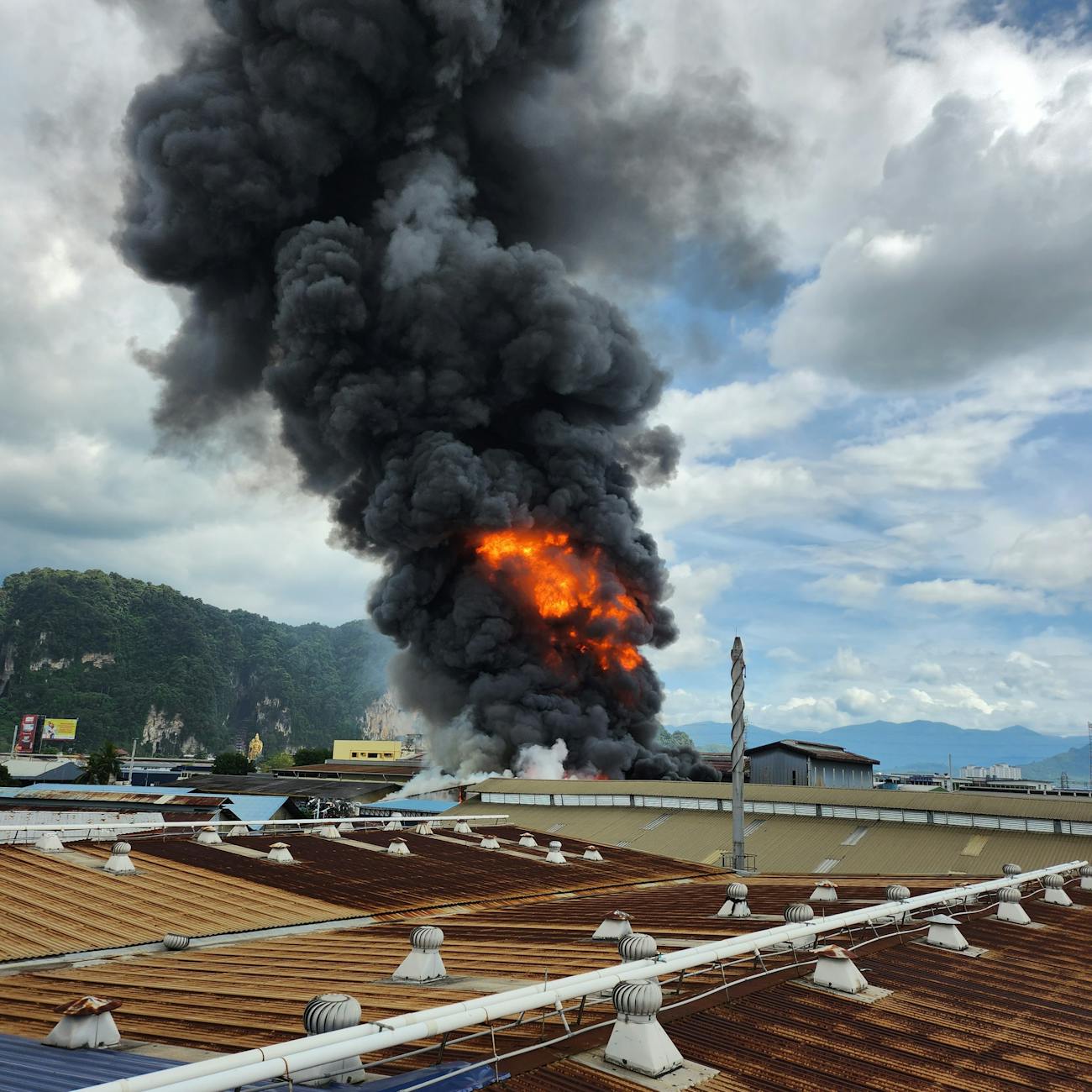
Fire Investigation
Fire investigation is the process of determining the origin, cause, and circumstances surrounding a fire. It involves the systematic examination of fire scenes to collect evidence and information that can be used to reconstruct the events leading up to the fire. Fire investigators use scientific methods and techniques to analyze the physical and chemical effects of a fire and determine how it started and spread.
Fire investigation is a critical part of fire protection engineering as it helps in understanding how fires occur, identifying potential hazards, and developing strategies to prevent future incidents. The information gathered during a fire investigation can also be used in legal proceedings to determine liability and hold accountable those responsible for the fire.
Key terms and vocabulary in fire investigation include:
Arson - Arson is the criminal act of intentionally setting fire to property. It is a serious offense that can result in severe penalties, including imprisonment.
Combustion - Combustion is the chemical process of burning, which involves the rapid oxidation of a material accompanied by the release of heat and light.
Flashover - Flashover is the sudden ignition of combustible materials in a room or enclosed space due to high temperatures and intense heat.
Fire Behavior - Fire behavior refers to the way a fire grows and spreads, influenced by factors such as fuel type, ventilation, and environmental conditions.
Ignition Source - The ignition source is the heat or flame that starts a fire. It can be a spark, open flame, or any other source of heat energy.
Fire Pattern Analysis - Fire pattern analysis involves examining the distribution and characteristics of fire damage to determine the origin and cause of a fire.
Fire Scene Reconstruction - Fire scene reconstruction is the process of piecing together the events leading up to a fire by analyzing physical evidence and witness statements.
Accelerant - An accelerant is a substance that is used to speed up the ignition and spread of a fire. Common accelerants include gasoline, kerosene, and alcohol.
Fire Load - The fire load is the total amount of combustible material in a space that can contribute to the intensity and duration of a fire.
Fire Triangle - The fire triangle is a simple model that illustrates the three elements necessary for a fire to occur: heat, fuel, and oxygen.
Fire Tetrahedron - The fire tetrahedron expands on the fire triangle by adding a fourth element, chemical chain reaction, which is necessary to sustain a fire.
Fire Protection Systems
Fire protection systems are designed to detect, suppress, or control fires in buildings and other structures. These systems are an essential part of fire protection engineering and play a crucial role in preventing property damage, injuries, and loss of life in the event of a fire.
Key terms and vocabulary related to fire protection systems include:
Fire Alarm System - A fire alarm system is a network of devices that detect and alert occupants to the presence of a fire. It includes smoke detectors, heat detectors, and alarm notification appliances.
Sprinkler System - A sprinkler system is a fire suppression system that uses water to extinguish or control fires. It consists of sprinkler heads connected to a water supply.
Fire Suppression System - A fire suppression system is designed to extinguish or control fires using agents such as water, foam, gas, or chemicals.
Fire Extinguisher - A fire extinguisher is a portable device that contains a fire-suppressing agent and is used to extinguish small fires or control their spread.
Passive Fire Protection - Passive fire protection includes building materials and design features that are intended to slow the spread of fire and protect structural elements from heat and flames.
Active Fire Protection - Active fire protection refers to systems that require a certain level of action to operate, such as fire alarms, sprinkler systems, and fire extinguishers.
Fire Code - A fire code is a set of regulations that govern the design, installation, and maintenance of fire protection systems in buildings to ensure the safety of occupants.
Fire Safety Plan - A fire safety plan is a document that outlines procedures for responding to fires, evacuating occupants, and maintaining fire protection systems in a building.
Fire Risk Assessment - A fire risk assessment is an evaluation of the potential hazards and risks of fire in a building, including the likelihood of a fire occurring and its potential consequences.
Emergency Evacuation - Emergency evacuation is the process of quickly and safely moving occupants out of a building in the event of a fire or other emergency.
Fire Protection Engineer
A fire protection engineer is a professional who specializes in designing, analyzing, and evaluating fire protection systems and strategies to minimize the risk of fires and their impact on people and property. Fire protection engineers play a crucial role in ensuring the safety and compliance of buildings with fire codes and regulations.
Key terms and vocabulary related to fire protection engineering include:
Fire Dynamics - Fire dynamics is the study of how fires start, grow, and spread in different environments, influenced by factors such as fuel type, ventilation, and building design.
Fire Modeling - Fire modeling involves using computer simulations to predict the behavior of fires in buildings and other structures, helping to optimize fire protection strategies.
Smoke Management - Smoke management refers to techniques and systems used to control the movement of smoke in a building during a fire to protect occupants and facilitate evacuation.
Egress Analysis - Egress analysis involves evaluating the design and layout of a building to ensure that occupants can safely and quickly evacuate in the event of a fire or other emergency.
Fire Protection Plan - A fire protection plan is a comprehensive document that outlines the fire protection systems, procedures, and strategies in place to prevent and respond to fires in a building.
Fire Safety Engineering - Fire safety engineering is the application of engineering principles to assess and mitigate fire hazards, protect occupants, and ensure the safety of buildings in the event of a fire.
Fire Risk Management - Fire risk management involves identifying, assessing, and mitigating the risks of fire in buildings through the implementation of fire protection measures and emergency response plans.
Fire Protection Design - Fire protection design involves creating plans and specifications for fire protection systems in buildings, considering factors such as fire load, occupancy, and building codes.
Fire Safety Regulations - Fire safety regulations are laws and standards that govern the design, installation, and maintenance of fire protection systems in buildings to ensure compliance and safety.
Fire Safety Training - Fire safety training is the education and instruction provided to building occupants and staff on fire prevention, evacuation procedures, and the proper use of fire protection equipment.
Key takeaways
- It involves the systematic examination of fire scenes to collect evidence and information that can be used to reconstruct the events leading up to the fire.
- Fire investigation is a critical part of fire protection engineering as it helps in understanding how fires occur, identifying potential hazards, and developing strategies to prevent future incidents.
- It is a serious offense that can result in severe penalties, including imprisonment.
- Combustion - Combustion is the chemical process of burning, which involves the rapid oxidation of a material accompanied by the release of heat and light.
- Flashover - Flashover is the sudden ignition of combustible materials in a room or enclosed space due to high temperatures and intense heat.
- Fire Behavior - Fire behavior refers to the way a fire grows and spreads, influenced by factors such as fuel type, ventilation, and environmental conditions.
- Ignition Source - The ignition source is the heat or flame that starts a fire.