
Structural Fire Engineering
Structural Fire Engineering is a specialized field within fire protection engineering that focuses on the design, analysis, and assessment of structures to withstand the effects of fire. This discipline is crucial in ensuring the safety of …
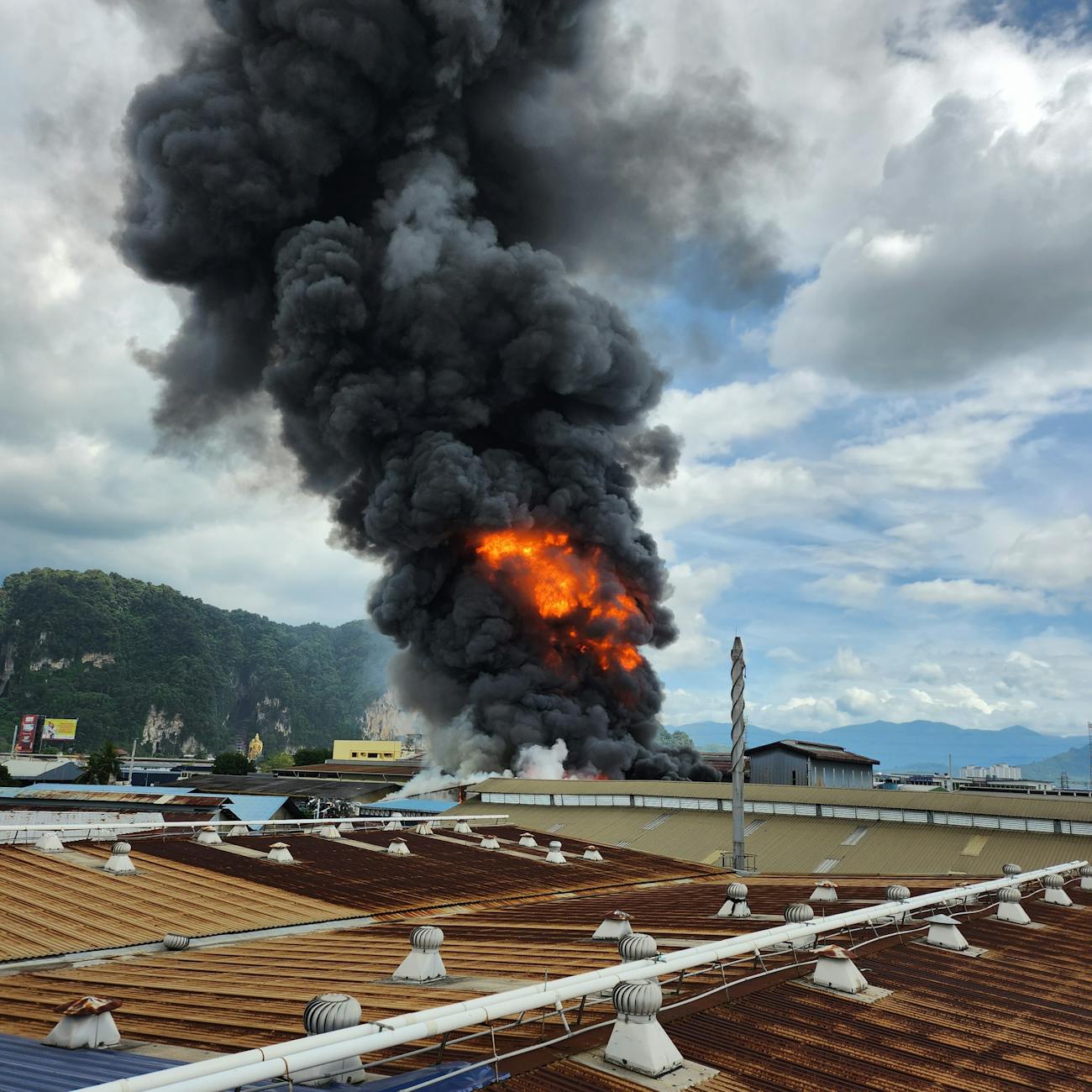
Structural Fire Engineering is a specialized field within fire protection engineering that focuses on the design, analysis, and assessment of structures to withstand the effects of fire. This discipline is crucial in ensuring the safety of occupants and protecting property during a fire emergency. To understand Structural Fire Engineering fully, it is essential to grasp key terms and vocabulary used in this field. Let's delve into these terms in detail.
**Fire Resistance**: Fire resistance refers to the ability of a material, component, or system to withstand fire exposure within specified time limits. It is typically measured in terms of fire resistance ratings, which indicate the duration for which a building element can withstand fire exposure without failing.
**Fire Load**: Fire load refers to the total amount of combustible materials present within a building or space that can contribute to a fire and affect its growth and intensity. Understanding the fire load is essential for designing structures that can withstand potential fires.
**Fire Dynamics**: Fire dynamics involve the study of how fires start, spread, and develop within a structure. It encompasses factors such as heat release rate, fuel availability, ventilation conditions, and the interaction between fire and the surrounding environment.
**Fire Modeling**: Fire modeling is the process of simulating fire behavior and its impact on structures using computational tools. These models help engineers predict fire growth, smoke movement, and structural response to fire, aiding in the design of fire-safe buildings.
**Fire Protection Systems**: Fire protection systems are active or passive measures implemented in buildings to prevent, detect, control, or suppress fires. These systems include fire alarms, sprinklers, fire doors, smoke control systems, and fire-rated assemblies.
**Fire Safety Engineering**: Fire Safety Engineering involves applying engineering principles to assess fire risks, develop fire protection strategies, and design fire-safe buildings. It aims to protect life, property, and the environment from the impact of fires through a systematic approach.
**Fire Resistance Rating**: A fire resistance rating is a measure of a building component's ability to withstand fire exposure based on standardized fire tests. It is expressed in terms of time (e.g., 1 hour, 2 hours) and indicates the duration for which the element can maintain its structural integrity during a fire.
**Compartmentation**: Compartmentation is the division of a building into separate fire compartments using fire-resistance-rated barriers. This strategy helps contain fires within limited areas, preventing their spread and allowing occupants to evacuate safely.
**Structural Fire Protection**: Structural fire protection involves enhancing the fire resistance of building elements such as columns, beams, and floors to withstand the effects of fire. Common methods include using fire-rated materials, coatings, and enclosures to protect structural components.
**Fire Load Density**: Fire load density refers to the amount of combustible materials present per unit area within a building. It is a critical parameter for assessing fire risks and designing fire protection measures to mitigate the impact of fires.
**Fire Safety Design**: Fire safety design focuses on integrating fire protection measures into the architectural and structural design of buildings to enhance their fire resistance and facilitate safe evacuation. It involves considering fire risks from the initial planning stages to ensure a holistic approach to fire safety.
**Fire Suppression**: Fire suppression involves actively controlling or extinguishing fires using systems such as sprinklers, fire extinguishers, or gas suppression systems. These systems help reduce the impact of fires and protect occupants and property from fire damage.
**Fire Risk Assessment**: Fire risk assessment is the process of identifying potential fire hazards, evaluating the likelihood of fires occurring, and assessing their potential consequences. It helps determine the level of fire protection required in a building to minimize fire risks effectively.
**Fire Load Calculation**: Fire load calculation involves determining the total amount of combustible materials present in a building based on their types, quantities, and locations. This information is crucial for evaluating fire risks, designing fire protection systems, and assessing structural fire resistance.
**Fire Safety Codes and Standards**: Fire safety codes and standards are regulations established by authorities to ensure buildings meet specific fire safety requirements. These codes cover aspects such as building design, fire protection systems, occupant evacuation, and emergency response procedures.
**Fire Compartment**: A fire compartment is a defined area within a building that is separated from other spaces by fire-resistance-rated walls, floors, and ceilings. Compartmentation helps limit the spread of fires and smoke, providing occupants with protected routes for evacuation.
**Smoke Control Systems**: Smoke control systems are designed to manage smoke movement within a building during a fire, preventing its spread to other areas and facilitating safe evacuation. These systems include smoke exhaust, pressurization, and containment measures to enhance fire safety.
**Fire Resistance Design Philosophy**: The fire resistance design philosophy involves adopting a performance-based approach to fire safety, focusing on achieving specific fire protection objectives rather than strictly complying with prescriptive requirements. It allows for innovative solutions tailored to the unique characteristics of each building.
**Fire Safety Management**: Fire safety management encompasses the implementation of policies, procedures, and practices to maintain a safe environment and prevent fires in buildings. It includes measures such as fire drills, training programs, emergency planning, and regular inspections to ensure compliance with fire safety regulations.
**Fire Engineering Analysis**: Fire engineering analysis involves conducting detailed assessments of fire risks, structural fire performance, and fire protection measures using engineering principles and tools. It helps identify vulnerabilities, optimize fire safety designs, and enhance the overall resilience of buildings to fires.
**Fire Load Calculation Example**: Suppose a warehouse contains various combustible materials such as cardboard boxes, wooden pallets, and flammable liquids. To calculate the fire load, one must quantify the mass and heat release potential of each material based on its combustibility and arrangement within the space. This information is used to estimate the overall fire load density and assess the building's fire risk.
**Fire Resistance Testing**: Fire resistance testing involves subjecting building components to standardized fire tests to evaluate their performance under fire conditions. These tests assess factors such as structural integrity, insulation, and integrity during exposure to high temperatures, flames, and smoke, providing valuable data for fire safety design.
**Fire Protection Engineering Challenges**: Fire protection engineering faces various challenges, including evolving building designs, changing fire dynamics, advancements in materials and technologies, and regulatory requirements. Engineers must adapt to these challenges by staying updated on industry trends, conducting thorough analyses, and implementing innovative solutions to enhance fire safety.
**Fire Safety Regulations**: Fire safety regulations are legal requirements established by authorities to ensure buildings meet specific fire protection standards. These regulations cover aspects such as building design, construction materials, fire protection systems, emergency exits, and evacuation procedures to safeguard occupants and property from fire hazards.
**Fire Safety Plan**: A fire safety plan is a comprehensive document outlining strategies, procedures, and responsibilities for preventing, detecting, and responding to fires in a building. It includes emergency evacuation routes, fire alarm protocols, fire drill schedules, and contact information for emergency services to facilitate a coordinated response during fire emergencies.
**Fire Risk Management**: Fire risk management involves identifying, assessing, and mitigating fire risks in buildings to protect occupants, property, and the environment. It encompasses measures such as fire prevention, detection, suppression, and evacuation planning to minimize the likelihood and impact of fires effectively.
**Fire Protection Strategies**: Fire protection strategies involve developing proactive measures to prevent, detect, control, and suppress fires in buildings. These strategies include implementing fire-resistant materials, passive fire protection systems, active fire suppression systems, and emergency response plans to enhance the overall fire safety of structures.
**Fire Safety Audit**: A fire safety audit is a systematic review of a building's fire protection measures, emergency procedures, and compliance with fire safety regulations. It involves assessing fire risks, identifying deficiencies, and recommending improvements to enhance the building's fire safety performance and ensure regulatory compliance.
**Fire Safety Training**: Fire safety training involves educating building occupants, staff, and emergency responders on fire risks, prevention measures, evacuation procedures, and emergency response protocols. Training programs help raise awareness, improve preparedness, and enhance the overall fire safety culture within organizations to mitigate fire hazards effectively.
**Fire Protection Design Considerations**: Fire protection design considerations involve evaluating building layouts, occupant loads, fire hazards, and structural vulnerabilities to develop effective fire protection strategies. Factors such as building occupancy, use, construction materials, and fire resistance requirements influence the design of fire safety systems to ensure comprehensive protection against fires.
**Fire Safety Evacuation**: Fire safety evacuation refers to the orderly and safe egress of occupants from a building during a fire emergency. It involves following predetermined evacuation routes, using emergency exits, avoiding panic, and assisting vulnerable individuals to evacuate efficiently and reach a designated safe area outside the building.
**Fire Safety Inspections**: Fire safety inspections involve conducting regular assessments of buildings to ensure compliance with fire safety regulations, identify hazards, and address deficiencies in fire protection measures. Inspections help maintain a high level of fire safety standards, prevent potential fire incidents, and safeguard occupants and property from fire risks.
**Fire Protection System Integration**: Fire protection system integration involves coordinating the design, installation, and operation of various fire protection systems within a building to ensure seamless functionality and optimal fire safety performance. Integrating fire alarms, sprinklers, smoke control systems, and emergency lighting systems enhances the overall fire protection capabilities of a structure.
**Fire Safety Awareness**: Fire safety awareness involves promoting knowledge, understanding, and vigilance regarding fire risks, prevention measures, and emergency response protocols among building occupants and stakeholders. Increasing fire safety awareness helps create a culture of preparedness, responsibility, and cooperation to mitigate fire hazards effectively and enhance overall fire safety.
**Structural Fire Engineering Applications**: Structural fire engineering has diverse applications in designing buildings, tunnels, bridges, and other structures to withstand fire hazards effectively. Engineers apply fire protection principles, fire dynamics analysis, fire resistance testing, and computational modeling techniques to optimize fire safety designs, enhance structural resilience, and protect occupants and property from fire emergencies.
**Fire Safety Compliance**: Fire safety compliance refers to adhering to fire safety regulations, codes, and standards to ensure buildings meet specific fire protection requirements. Compliance involves implementing fire protection measures, conducting regular inspections, maintaining fire safety systems, and training occupants to comply with legal mandates and enhance fire safety performance.
**Fire Safety Challenges in High-Rise Buildings**: High-rise buildings pose unique fire safety challenges due to their height, occupancy loads, complex layouts, and evacuation constraints. Engineers must address issues such as vertical fire spread, smoke control, egress capacity, and structural fire resistance to enhance the fire safety of high-rise structures effectively and protect occupants from fire risks.
**Fire Safety Performance-Based Design**: Performance-based design involves customizing fire protection strategies based on specific fire safety objectives, building characteristics, and occupant needs. This approach allows engineers to optimize fire safety designs, address unique fire risks, and achieve desired levels of fire protection by considering various factors such as fire dynamics, occupant behavior, and evacuation capabilities.
**Fire Protection System Maintenance**: Fire protection system maintenance involves inspecting, testing, and servicing fire alarms, sprinklers, extinguishers, and other fire safety systems regularly to ensure their proper functioning and reliability. Routine maintenance helps detect issues, prevent malfunctions, and maintain the operational readiness of fire protection systems to respond effectively to fire emergencies.
**Fire Safety Performance Criteria**: Fire safety performance criteria establish specific benchmarks and requirements for evaluating the effectiveness of fire protection measures, evacuation procedures, and structural fire resistance in buildings. These criteria guide engineers in designing fire-safe structures, assessing fire risks, and ensuring compliance with fire safety regulations to enhance overall fire safety performance.
**Fire Safety Emergency Response**: Fire safety emergency response involves implementing predetermined procedures, protocols, and actions to address fires promptly, evacuate occupants safely, and mitigate the impact of fire emergencies. Effective emergency response planning, training, and coordination are essential for minimizing casualties, property damage, and environmental hazards during fire incidents.
**Fire Protection Engineering Principles**: Fire protection engineering principles encompass fundamental concepts, theories, and methodologies used to design, analyze, and assess fire protection measures in buildings. These principles include fire dynamics, fire behavior, structural fire performance, fire resistance testing, and fire safety regulations, guiding engineers in developing comprehensive fire protection strategies to enhance building resilience to fires.
**Fire Safety Evacuation Planning**: Fire safety evacuation planning involves developing detailed strategies, routes, and procedures for safely evacuating occupants from a building during a fire emergency. Evacuation plans consider factors such as occupant loads, egress routes, assembly areas, communication methods, and assistance for individuals with disabilities to ensure efficient and orderly evacuations and minimize risks during fire incidents.
**Fire Safety System Integration Challenges**: Fire safety system integration faces challenges such as compatibility issues, communication failures, system malfunctions, and operational complexities when coordinating multiple fire protection systems within a building. Engineers must address these challenges by conducting compatibility tests, ensuring system redundancy, implementing fail-safe mechanisms, and providing adequate training to enhance the overall functionality and reliability of integrated fire safety systems.
**Fire Safety Performance Assessment**: Fire safety performance assessment involves evaluating the effectiveness, reliability, and compliance of fire protection measures, evacuation procedures, and structural fire resistance in buildings. Assessments help identify strengths, weaknesses, and areas for improvement in fire safety designs, systems, and practices to enhance overall fire safety performance and ensure regulatory compliance.
**Fire Safety Culture**: Fire safety culture refers to the shared values, attitudes, behaviors, and practices regarding fire safety within an organization, community, or society. A positive fire safety culture promotes awareness, responsibility, accountability, and cooperation among individuals to prevent fires, mitigate risks, and respond effectively to fire emergencies, fostering a safe and resilient environment against fire hazards.
**Fire Safety Education and Training Programs**: Fire safety education and training programs provide knowledge, skills, and resources to individuals, organizations, and communities to enhance fire safety awareness, preparedness, and response capabilities. These programs cover topics such as fire prevention, evacuation procedures, emergency planning, and fire safety regulations to empower participants with the information and skills needed to prevent fires, protect lives, and safeguard property from fire risks effectively.
**Fire Safety Performance Monitoring**: Fire safety performance monitoring involves tracking, analyzing, and evaluating the effectiveness, compliance, and performance of fire protection measures, evacuation procedures, and structural fire resistance in buildings. Monitoring helps identify trends, patterns, and areas for improvement in fire safety practices to enhance overall fire safety performance, prevent fire incidents, and mitigate risks effectively.
**Fire Safety Compliance Audits**: Fire safety compliance audits involve conducting systematic reviews, inspections, and assessments of buildings to ensure compliance with fire safety regulations, codes, and standards. Audits identify deficiencies, violations, and non-compliance issues in fire protection measures, evacuation procedures, and structural fire resistance, recommending corrective actions to enhance fire safety performance and regulatory compliance.
**Fire Safety Risk Management Strategies**: Fire safety risk management strategies involve identifying, analyzing, prioritizing, and mitigating fire risks in buildings to protect occupants, property, and the environment. Strategies include implementing fire prevention measures, detection systems, suppression technologies, and evacuation plans to reduce the likelihood and impact of fires effectively, creating a resilient and safe environment against fire hazards.
**Fire Safety Performance Monitoring Tools**: Fire safety performance monitoring tools include sensors, detectors, alarms, cameras, and monitoring systems used to track, analyze, and evaluate fire protection measures, evacuation procedures, and structural fire resistance in buildings. These tools provide real-time data, alerts, and insights to assess fire safety performance, detect issues, and enhance emergency response capabilities to mitigate fire risks effectively.
**Fire Safety Emergency Response Planning**: Fire safety emergency response planning involves developing, implementing, and practicing strategies, protocols, and actions to address fires promptly, evacuate occupants safely, and mitigate the impact of fire emergencies. Planning includes establishing roles, responsibilities, communication channels, and coordination procedures to ensure a coordinated and effective response to fire incidents, safeguarding lives, property, and the environment from fire hazards.
**Fire Safety Performance Monitoring Metrics**: Fire safety performance monitoring metrics include key performance indicators, benchmarks, and criteria used to evaluate the effectiveness, compliance, and performance of fire protection measures, evacuation procedures, and structural fire resistance in buildings. These metrics help track progress, measure outcomes, and identify areas for improvement in fire safety practices to enhance overall fire safety performance and ensure regulatory compliance.
**Fire Safety Compliance Inspections**: Fire safety compliance inspections involve conducting systematic assessments, reviews, and checks of buildings to ensure compliance with fire safety regulations, codes, and standards. Inspections identify deficiencies, violations, and non-compliance issues in fire protection measures, evacuation procedures, and structural fire resistance, recommending corrective actions to enhance fire safety performance and regulatory compliance.
**Fire Safety Risk Assessment Methods**: Fire safety risk assessment methods include qualitative, quantitative, and probabilistic techniques used to identify, analyze, prioritize, and mitigate fire risks in buildings. Methods assess fire hazards, occupant vulnerabilities, fire dynamics, and structural vulnerabilities to determine the likelihood and consequences of fires, guiding the development of effective fire safety strategies to protect lives, property, and the environment from fire hazards.
**Fire Safety Performance Monitoring Technologies**: Fire safety performance monitoring technologies include advanced sensors, detectors, alarms, cameras, and monitoring systems used to track, analyze, and evaluate fire protection measures, evacuation procedures, and structural fire resistance in buildings. These technologies provide real-time data, alerts, and insights to assess fire safety performance, detect issues, and enhance emergency response capabilities to mitigate fire risks effectively.
**Fire Safety Emergency Response Coordination**: Fire safety emergency response coordination involves establishing communication, collaboration, and cooperation among emergency responders, building occupants, and stakeholders to address fires promptly, evacuate occupants safely, and mitigate the impact of fire emergencies. Coordination ensures a seamless and effective response to fire incidents, facilitating rapid decision-making, resource allocation, and action to safeguard lives, property, and the environment from fire hazards.
**Fire Safety Performance Monitoring Systems**: Fire safety performance monitoring systems include integrated platforms, software, and databases used to track, analyze, and evaluate fire protection measures, evacuation procedures, and structural fire resistance in buildings. These systems collect, store, and visualize data on fire safety performance, enabling stakeholders to monitor, assess, and optimize fire safety practices to enhance overall fire safety performance and regulatory compliance.
**Fire Safety Compliance Enforcement**: Fire safety compliance enforcement involves monitoring, inspecting, and enforcing adherence to fire safety regulations, codes, and standards to ensure buildings meet specific fire protection requirements. Enforcement includes issuing citations, fines, and penalties for non-compliance, conducting follow-up inspections, and requiring corrective actions to enhance fire safety performance and regulatory compliance effectively.
**Fire Safety Risk Assessment Tools**: Fire safety risk assessment tools include software, models, and simulations used to evaluate fire hazards, occupant vulnerabilities, fire dynamics, and structural vulnerabilities in buildings. These tools assess the likelihood and consequences of fires, identify potential risks, and recommend mitigation measures to enhance fire safety strategies, protect lives, property, and the environment from fire hazards effectively.
**Fire Safety Performance Monitoring Protocols**: Fire safety performance monitoring protocols include guidelines, procedures, and standards used to track, analyze, and evaluate fire protection measures, evacuation procedures, and structural fire resistance in buildings. Protocols establish criteria, metrics, and methodologies for assessing fire safety performance, guiding stakeholders in monitoring, reporting, and improving fire safety practices to enhance overall fire safety performance and ensure regulatory compliance.
**Fire Safety Emergency Response Training**: Fire safety emergency response training involves educating emergency responders, building occupants, and stakeholders on fire safety procedures, protocols, and actions to address fires promptly, evacuate occupants safely, and mitigate the impact of fire emergencies. Training programs cover topics such as fire behavior, evacuation routes, emergency communication, and fire suppression techniques to prepare individuals for responding effectively to fire incidents and safeguarding lives, property, and the environment from fire hazards.
**Fire Safety Compliance Monitoring**: Fire safety compliance monitoring involves tracking, inspecting, and assessing adherence to fire safety regulations, codes, and standards to
Key takeaways
- Structural Fire Engineering is a specialized field within fire protection engineering that focuses on the design, analysis, and assessment of structures to withstand the effects of fire.
- It is typically measured in terms of fire resistance ratings, which indicate the duration for which a building element can withstand fire exposure without failing.
- **Fire Load**: Fire load refers to the total amount of combustible materials present within a building or space that can contribute to a fire and affect its growth and intensity.
- It encompasses factors such as heat release rate, fuel availability, ventilation conditions, and the interaction between fire and the surrounding environment.
- These models help engineers predict fire growth, smoke movement, and structural response to fire, aiding in the design of fire-safe buildings.
- **Fire Protection Systems**: Fire protection systems are active or passive measures implemented in buildings to prevent, detect, control, or suppress fires.
- **Fire Safety Engineering**: Fire Safety Engineering involves applying engineering principles to assess fire risks, develop fire protection strategies, and design fire-safe buildings.