
Fire Safety Regulations
Fire Safety Regulations
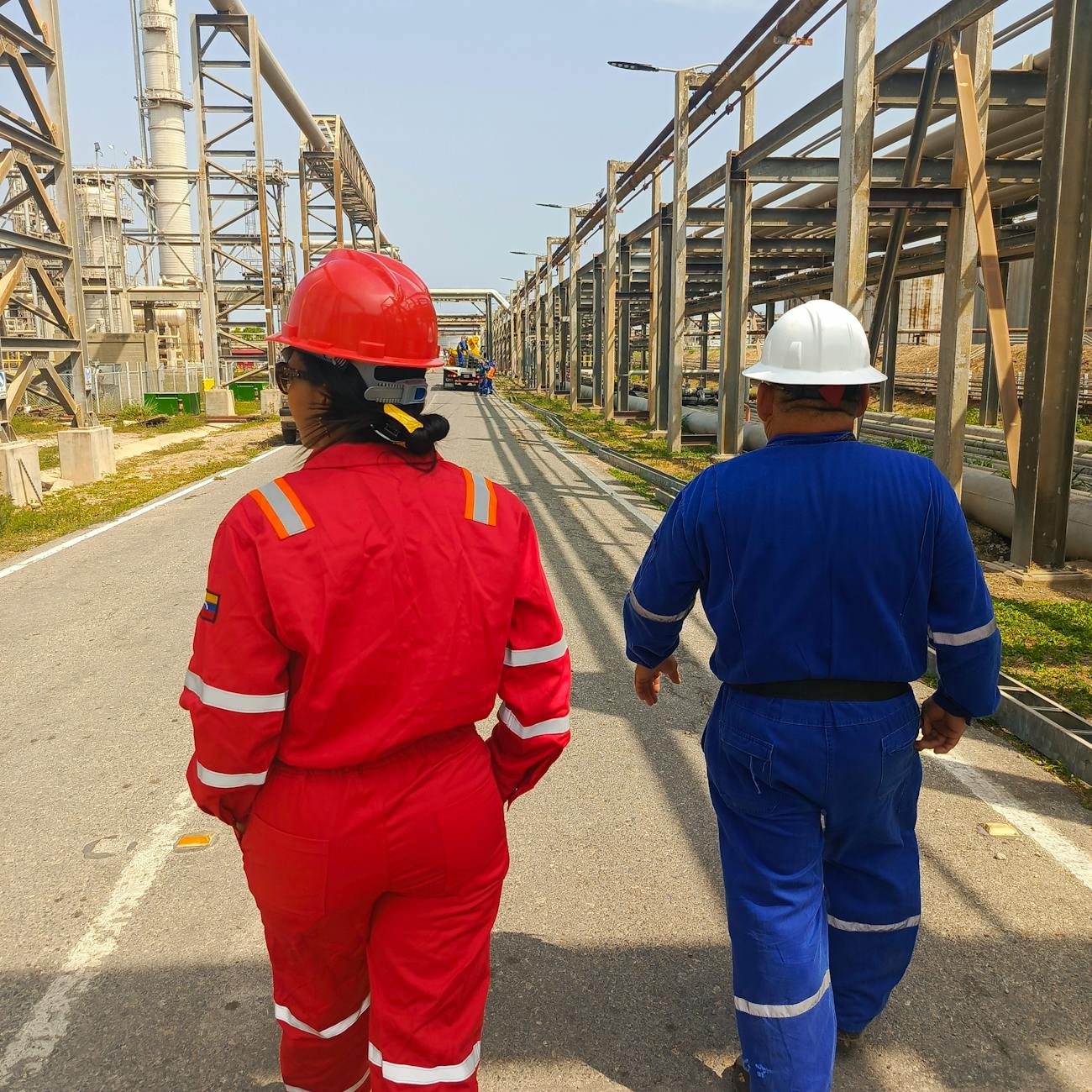
Fire Safety Regulations
Fire safety regulations are laws or rules put in place to ensure the safety of people in buildings in the event of a fire. These regulations outline the requirements for fire prevention, detection, evacuation, and suppression in various types of buildings. They are crucial for protecting lives and property and are enforced by government authorities.
Fire Protection Engineering
Fire protection engineering is a specialized field that involves designing systems and strategies to prevent, detect, and suppress fires. Fire protection engineers work to ensure that buildings and structures are safe from fire hazards and comply with fire safety regulations. They use science and engineering principles to develop effective fire protection solutions.
Fire Hazard
A fire hazard is any condition or material that increases the risk of a fire occurring or spreading. Common fire hazards include flammable liquids, faulty electrical wiring, and combustible materials. Identifying and mitigating fire hazards is essential for preventing fires and keeping occupants safe.
Fire Risk Assessment
A fire risk assessment is a systematic evaluation of a building or facility to identify fire hazards, assess the risk of a fire starting, and determine the effectiveness of existing fire protection measures. This process helps building owners and managers develop and implement appropriate fire safety measures to protect occupants and property.
Fire Load
The fire load is the total amount of combustible materials present in a building or space that can contribute to a fire. Examples of items that contribute to the fire load include furniture, textiles, and stored goods. Understanding the fire load is essential for designing effective fire protection systems and ensuring the safety of occupants.
Fire Resistance
Fire resistance is the ability of a building component or material to withstand fire exposure for a specified period without collapsing or transmitting excessive heat. Building elements such as walls, floors, and doors are tested for their fire resistance rating, which indicates the amount of time they can resist fire. Fire-resistant materials help contain fires and prevent their spread.
Fire Spread
Fire spread refers to the movement of fire from one area to another within a building or structure. Factors that influence fire spread include the type of building construction, the presence of fire barriers, and the layout of the space. Controlling fire spread is critical for limiting damage and ensuring the safe evacuation of occupants.
Means of Egress
Means of egress are the routes and exits that occupants can use to evacuate a building in an emergency, such as a fire. These include corridors, stairways, doors, and emergency exits. Ensuring clear and unobstructed means of egress is essential for facilitating the safe evacuation of occupants during a fire.
Fire Alarm System
A fire alarm system is a network of detectors, alarms, and notification devices that detect fires and alert building occupants to evacuate. Fire alarm systems can include smoke detectors, heat detectors, strobe lights, and sirens. Properly designed and maintained fire alarm systems are crucial for early fire detection and effective evacuation.
Fire Suppression System
A fire suppression system is a system designed to control or extinguish fires in a building. Common fire suppression systems include sprinkler systems, fire extinguishers, and gaseous suppression systems. These systems are activated automatically or manually to suppress fires and protect occupants and property.
Fire Safety Plan
A fire safety plan is a written document that outlines procedures for preventing, detecting, and responding to fires in a building. Fire safety plans include evacuation routes, emergency contacts, and procedures for using fire protection equipment. Regular training and drills help ensure that occupants are familiar with the fire safety plan.
Fire Safety Codes
Fire safety codes are sets of regulations and standards that establish the minimum requirements for fire safety in buildings. These codes are developed by organizations such as the National Fire Protection Association (NFPA) and are adopted by jurisdictions to ensure that buildings meet specific fire safety standards. Compliance with fire safety codes is essential for protecting lives and property.
Fire Load Calculation
Fire load calculation is the process of determining the total amount of combustible materials in a building or space. This calculation helps fire protection engineers assess the fire risk and design appropriate fire protection measures. Factors such as the type of materials, their quantity, and their arrangement are considered when calculating the fire load.
Fire Protection System Design
Fire protection system design involves planning and designing fire prevention, detection, and suppression systems for buildings. This process includes selecting appropriate fire protection equipment, determining system layouts, and ensuring compliance with fire safety regulations. Effective fire protection system design is essential for safeguarding occupants and property from fire hazards.
Fire Safety Training
Fire safety training involves educating building occupants on fire prevention, evacuation procedures, and the proper use of fire protection equipment. Training programs help individuals understand fire risks, recognize early warning signs, and respond effectively in the event of a fire. Regular training sessions increase awareness and preparedness for fire emergencies.
Fire Safety Inspections
Fire safety inspections are assessments conducted by fire officials or inspectors to ensure that buildings comply with fire safety regulations. Inspections involve checking fire protection systems, means of egress, fire hazards, and overall fire safety measures. Identifying and addressing deficiencies through inspections is essential for maintaining a safe environment.
Fire Safety Management
Fire safety management involves implementing and overseeing fire safety measures in a building or facility. This includes developing fire safety plans, conducting regular inspections, and providing ongoing training to occupants. Effective fire safety management helps prevent fires, minimize risks, and ensure a prompt response to fire emergencies.
Fire Protection Equipment
Fire protection equipment includes tools and devices used to prevent, detect, and suppress fires. Common fire protection equipment includes fire extinguishers, sprinkler systems, smoke detectors, and fire hoses. Proper maintenance and testing of fire protection equipment are essential for ensuring its reliability during a fire emergency.
Fire Safety Compliance
Fire safety compliance refers to the adherence to fire safety regulations, codes, and standards in a building or facility. Achieving compliance involves meeting the requirements for fire prevention, detection, evacuation, and suppression. Regular assessments and audits help ensure that buildings maintain fire safety compliance and are prepared for fire emergencies.
Fire Safety Challenges
Fire safety presents various challenges that require careful planning and management to address effectively. Some common challenges include:
- Ensuring adequate fire protection in older buildings with outdated systems - Balancing fire safety requirements with architectural and design considerations - Educating occupants on fire safety practices and evacuation procedures - Addressing fire hazards in high-risk environments such as industrial facilities or healthcare settings - Integrating new technologies and fire protection strategies to enhance safety and efficiency
Fire Safety Best Practices
To enhance fire safety in buildings, it is essential to follow best practices that promote a proactive and comprehensive approach to fire protection. Some key best practices include:
- Conducting regular fire risk assessments to identify hazards and vulnerabilities - Implementing robust fire protection systems that meet or exceed regulatory requirements - Providing ongoing fire safety training for occupants and staff - Maintaining and testing fire protection equipment regularly to ensure reliability - Collaborating with fire safety professionals and authorities to address specific risks and concerns
Conclusion
Fire safety regulations play a crucial role in protecting lives and property from the devastating effects of fires. By understanding key terms and concepts related to fire safety regulations, individuals can better appreciate the importance of compliance, risk assessment, and fire protection measures. Fire protection engineering offers valuable insights and solutions for designing effective fire safety systems and managing fire risks in buildings. By following best practices and staying informed about fire safety developments, stakeholders can work together to create safer environments and reduce the impact of fires on communities.
Key takeaways
- These regulations outline the requirements for fire prevention, detection, evacuation, and suppression in various types of buildings.
- Fire protection engineers work to ensure that buildings and structures are safe from fire hazards and comply with fire safety regulations.
- Identifying and mitigating fire hazards is essential for preventing fires and keeping occupants safe.
- A fire risk assessment is a systematic evaluation of a building or facility to identify fire hazards, assess the risk of a fire starting, and determine the effectiveness of existing fire protection measures.
- Understanding the fire load is essential for designing effective fire protection systems and ensuring the safety of occupants.
- Fire resistance is the ability of a building component or material to withstand fire exposure for a specified period without collapsing or transmitting excessive heat.
- Factors that influence fire spread include the type of building construction, the presence of fire barriers, and the layout of the space.