
Risk Management in Marine Surveying
Welcome to this exciting episode of our Postgraduate Certificate in Marine Survey Technology series, where we delve into the world of Risk Management in Marine Surveying. I'm thrilled you've joined us today as we explore this crucial aspect…
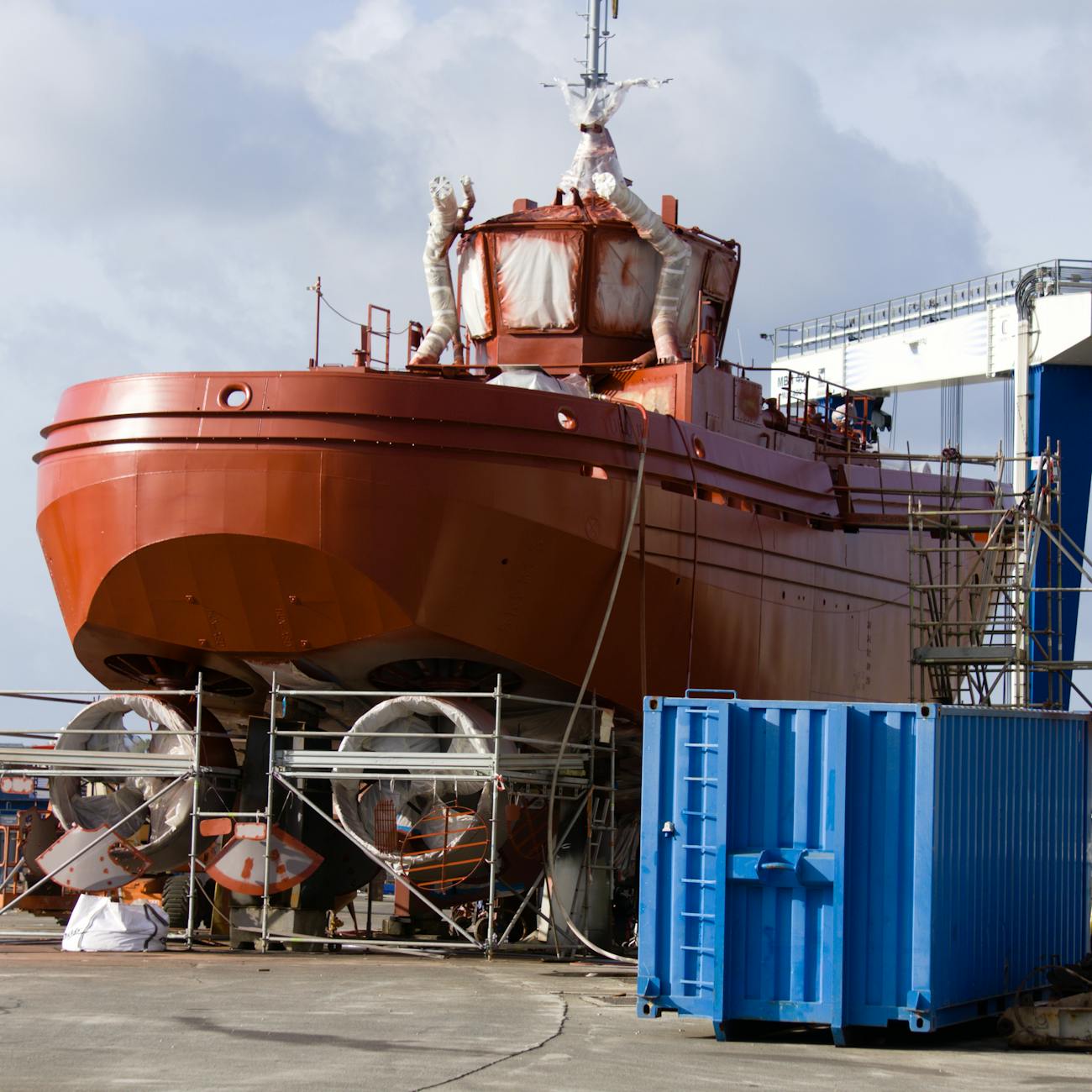
Welcome to this exciting episode of our Postgraduate Certificate in Marine Survey Technology series, where we delve into the world of Risk Management in Marine Surveying. I'm thrilled you've joined us today as we explore this crucial aspect of marine surveying, and I promise you an enlightening journey filled with practical tips and strategies.
Imagine you're a seasoned marine surveyor, responsible for inspecting a ship's hull, ensuring its seaworthiness, and maintaining the safety of its crew and cargo. Suddenly, you're faced with a critical decision – should you proceed with the survey despite challenging weather conditions or postpone it to ensure everyone's safety? This is where Risk Management comes into play, helping you evaluate, mitigate, and manage potential risks to make informed decisions.
Risk Management is a systematic process of identifying, assessing, and prioritizing risks, followed by coordinated and economical application of resources to minimize, monitor, and control the probability or impact of unfortunate events. In marine surveying, it is essential to protect people, the environment, and assets.
Throughout this episode, we'll share practical applications of Risk Management in Marine Surveying, providing actionable strategies and examples to help you better understand and implement them in your own lives or work.
First, let's discuss the importance of identifying and assessing risks. This involves recognizing potential hazards, understanding their consequences, and determining their likelihood. For instance, when surveying a ship in rough seas, a surveyor must consider the risk of injury to personnel, damage to equipment, and delays in project completion.
Next, we'll explore strategies for prioritizing and mitigating risks. This might include implementing safety protocols, investing in protective equipment, or adjusting schedules to minimize exposure to hazards. For example, a marine surveyor may decide to postpone an inspection until calmer weather, use specialized equipment to stabilize the vessel, or provide additional training to crew members on safety procedures.
Throughout this episode, we'll share practical applications of Risk Management in Marine Surveying, providing actionable strategies and examples to help you better understand and implement them in your own lives or work.
Common pitfalls in Risk Management include underestimating the severity of a risk, failing to consider secondary consequences, and relying on outdated information. To avoid these issues, marine surveyors must continually update their knowledge of industry best practices, invest in ongoing training, and foster a culture of open communication and collaboration.
To conclude our episode, I'd like to share an inspiring message. Risk Management is not just a set of procedures; it's a mindset that empowers marine surveyors to make informed decisions, protect valuable assets, and ensure the safety of everyone involved. By applying what you've learned today, you'll be better equipped to manage risks and make a positive impact in the marine surveying community.
As we wrap up, I encourage you to subscribe to our podcast, share this episode with your colleagues, and engage with us on social media. Your support helps us continue creating valuable content for professionals like you. Together, let's navigate the world of Marine Survey Technology and Risk Management, making waves and shaping the future of this vital industry.
Thank you for joining us on this journey, and until our next episode, stay curious, stay safe, and keep learning.
Key takeaways
- I'm thrilled you've joined us today as we explore this crucial aspect of marine surveying, and I promise you an enlightening journey filled with practical tips and strategies.
- Suddenly, you're faced with a critical decision – should you proceed with the survey despite challenging weather conditions or postpone it to ensure everyone's safety?
- Risk Management is a systematic process of identifying, assessing, and prioritizing risks, followed by coordinated and economical application of resources to minimize, monitor, and control the probability or impact of unfortunate events.
- Throughout this episode, we'll share practical applications of Risk Management in Marine Surveying, providing actionable strategies and examples to help you better understand and implement them in your own lives or work.
- For instance, when surveying a ship in rough seas, a surveyor must consider the risk of injury to personnel, damage to equipment, and delays in project completion.
- For example, a marine surveyor may decide to postpone an inspection until calmer weather, use specialized equipment to stabilize the vessel, or provide additional training to crew members on safety procedures.
- To avoid these issues, marine surveyors must continually update their knowledge of industry best practices, invest in ongoing training, and foster a culture of open communication and collaboration.