
Ship Design and Construction
Welcome to this exciting episode of our Postgraduate Certificate in Marine Survey Technology podcast, where we dive deep into the fascinating world of Ship Design and Construction.
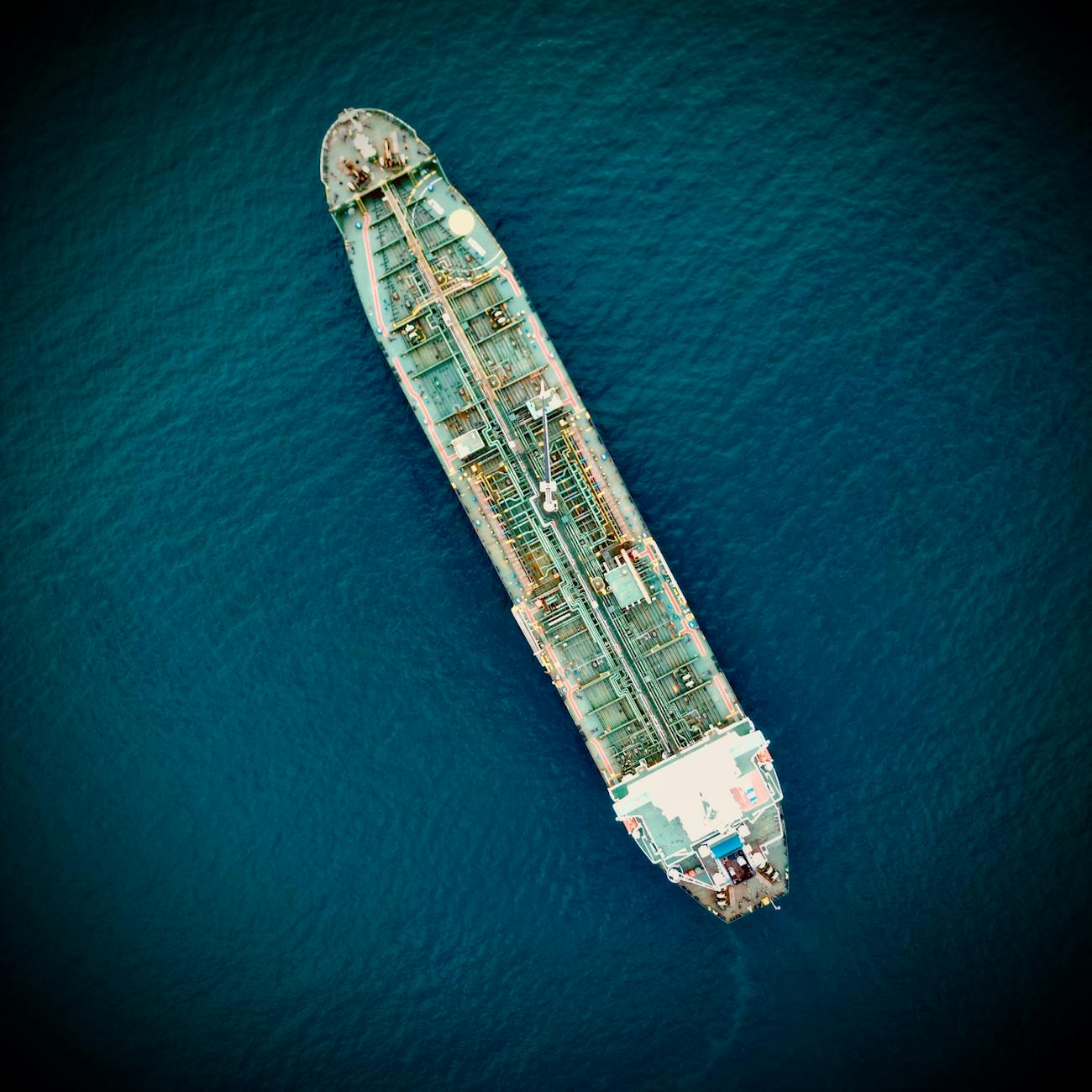
Welcome to this exciting episode of our Postgraduate Certificate in Marine Survey Technology podcast, where we dive deep into the fascinating world of Ship Design and Construction.
Imagine setting sail on the open ocean, the wind in your hair, and the sun on your face, all while being aboard a magnificent vessel that you helped bring to life. That's the power and allure of Ship Design and Construction. It's a field that combines art, science, and engineering to create the maritime marvels that have shaped our world for centuries.
In this unit, you'll explore the intricacies of ship design, from hull forms and propulsion systems to structural materials and stability analysis. You'll also delve into the construction process, learning about the various methods, tools, and techniques used to transform designs into reality.
But why is Ship Design and Construction so important, and how does it relate to you? Well, consider this: more than 90% of the world's goods are transported by sea. Ships are the lifeblood of our global economy, and their design and construction play a critical role in ensuring safe, efficient, and sustainable maritime operations.
Now, let's journey back in time to see how Ship Design and Construction has evolved. From ancient Egyptian reed boats and Phoenician galleys to Victorian-era ironclads and today's state-of-the-art mega-yachts, the field has come a long way. Yet, the core principles remain the same: understanding hydrodynamics, using resilient materials, and ensuring seaworthiness.
Fast-forward to the present day, and you'll find that Ship Design and Construction is more relevant than ever. With growing concerns about climate change, resource depletion, and maritime safety, there's a pressing need for innovative designs and sustainable construction practices.
So, what does this mean for you? Whether you're an aspiring marine engineer, surveyor, or simply a curious mind, understanding Ship Design and Construction can open doors to exciting career opportunities, broaden your skillset, and deepen your connection to the marine world.
As we delve into the practical applications of Ship Design and Construction, I'd like to share some actionable strategies, tips, and examples. First, always keep the end-user in mind. A beautiful, aerodynamic design is meaningless if it doesn't meet the needs of its passengers or crew. Second, embrace new technologies and materials. From 3D printing to advanced composites, the future of Ship Design and Construction is being shaped by cutting-edge innovations. Finally, never underestimate the importance of collaboration. Designing and constructing a ship is a team effort that requires input from engineers, architects, naval designers, and many other professionals.
With growing concerns about climate change, resource depletion, and maritime safety, there's a pressing need for innovative designs and sustainable construction practices.
Of course, it's essential to be aware of common pitfalls and avoid them. For instance, neglecting safety regulations can lead to disastrous consequences. Also, failing to account for environmental factors, such as wave loads and wind gusts, can result in suboptimal performance and increased fuel consumption.
To overcome these challenges, consider adopting best practices like conducting thorough risk assessments, simulating various scenarios using advanced software, and consulting with industry experts. By doing so, you'll be well-positioned to create safe, efficient, and eco-friendly ship designs that stand the test of time.
As we approach the end of this episode, I want to leave you with an inspiring message. The sea is a limitless source of wonder, discovery, and opportunity. By mastering Ship Design and Construction, you're not only equipping yourself with valuable skills but also contributing to the rich maritime heritage that connects us all.
So, I encourage you to apply what you've learned, continue your journey of growth, and share your newfound knowledge with others. By doing so, you'll help shape the future of maritime transportation and leave a lasting impact on the world.
Before we conclude, I'd like to ask for your support in growing our community. Please subscribe to our podcast, share it with your friends and colleagues, and engage with us on social media. Your feedback and involvement are invaluable in helping us create even more engaging and informative content.
Together, let's set sail on this incredible journey of learning and discovery. Thank you for joining me, and until next time, smooth seas and following winds.
Key takeaways
- Welcome to this exciting episode of our Postgraduate Certificate in Marine Survey Technology podcast, where we dive deep into the fascinating world of Ship Design and Construction.
- Imagine setting sail on the open ocean, the wind in your hair, and the sun on your face, all while being aboard a magnificent vessel that you helped bring to life.
- In this unit, you'll explore the intricacies of ship design, from hull forms and propulsion systems to structural materials and stability analysis.
- Ships are the lifeblood of our global economy, and their design and construction play a critical role in ensuring safe, efficient, and sustainable maritime operations.
- From ancient Egyptian reed boats and Phoenician galleys to Victorian-era ironclads and today's state-of-the-art mega-yachts, the field has come a long way.
- With growing concerns about climate change, resource depletion, and maritime safety, there's a pressing need for innovative designs and sustainable construction practices.
- Designing and constructing a ship is a team effort that requires input from engineers, architects, naval designers, and many other professionals.