
Marine Engineering and Systems
Welcome to this exciting episode of our Postgraduate Certificate in Marine Survey Technology podcast, where we dive deep into the fascinating world of Marine Engineering and Systems. I'm your host, [Name], and I'm thrilled to have you with …
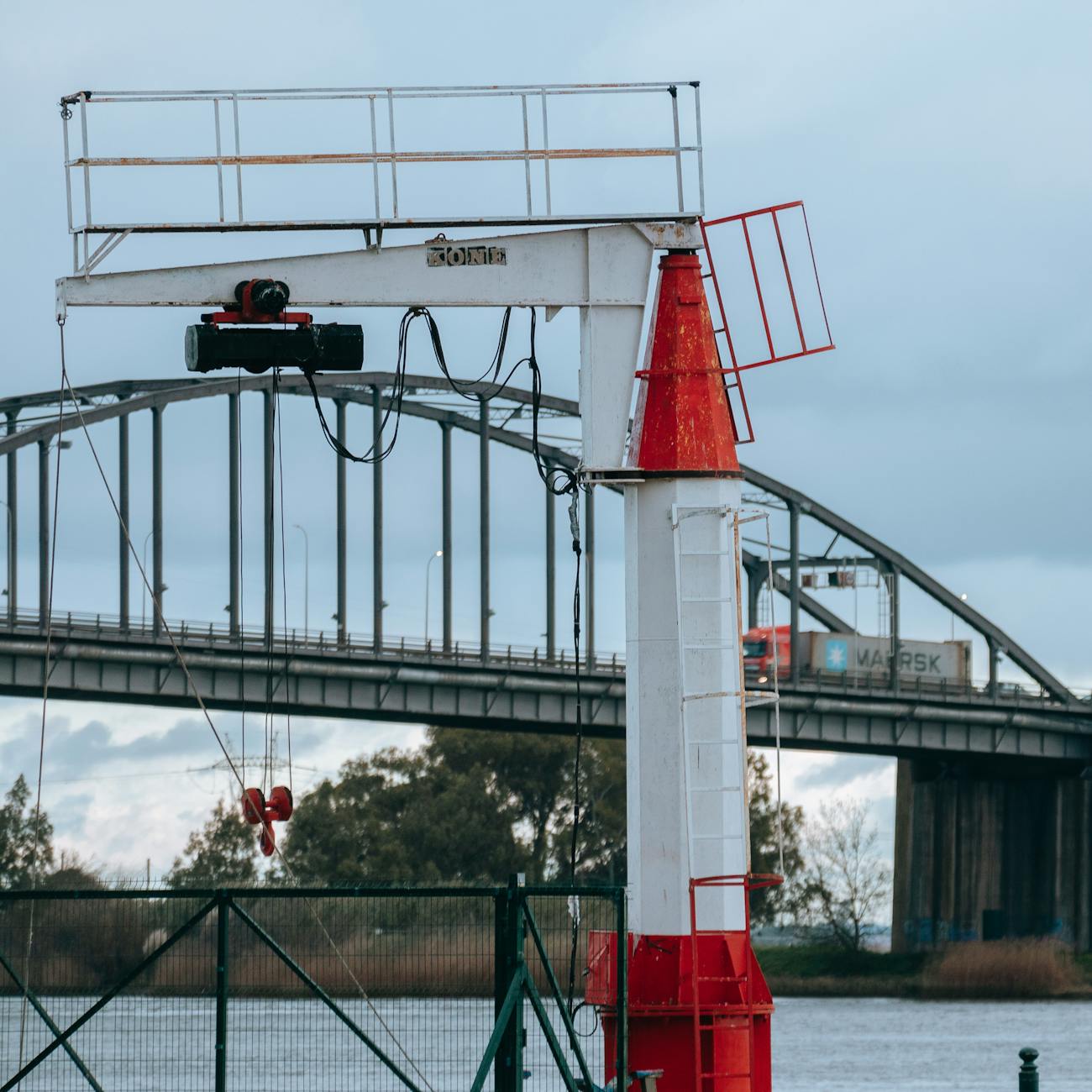
Welcome to this exciting episode of our Postgraduate Certificate in Marine Survey Technology podcast, where we dive deep into the fascinating world of Marine Engineering and Systems. I'm your host, [Name], and I'm thrilled to have you with us today as we explore the importance and relevance of this crucial unit in your marine survey technology studies.
Marine Engineering and Systems is the backbone of any marine operation. It's the driving force that powers ships, submarines, and offshore structures, ensuring their safe and efficient operation. From propulsion systems to electrical power generation, this unit covers it all, providing you with a solid foundation in the principles and practices that govern marine engineering.
To set the stage, let's take a brief journey through the history of marine engineering. From the early days of sail and steam, to the modern era of electric and digital systems, marine engineering has evolved in response to the changing needs of seafarers and the marine industry. By understanding this evolution, you'll gain a deeper appreciation for the role of marine engineering in shaping the world we live in today.
Now that we've established the historical context, let's dive into the practical applications of Marine Engineering and Systems. Suppose you're working on a marine survey project, and you encounter a problem with the vessel's propulsion system. With the knowledge you've gained from this unit, you'll be able to diagnose and solve the problem, ensuring the success of your project. Or perhaps you're interested in pursuing a career in marine engineering. In that case, this unit will provide you with the essential skills and knowledge you need to succeed in this rewarding field.
To make the most of this unit, it's essential to avoid common pitfalls. One such pitfall is failing to consider the environmental impact of marine engineering systems. As stewards of the marine environment, it's our responsibility to ensure that our engineering solutions are sustainable and eco-friendly. Another pitfall is neglecting the human factor in marine engineering. Remember that the success of any marine operation depends not only on the technology but also on the people who operate and maintain it.
As stewards of the marine environment, it's our responsibility to ensure that our engineering solutions are sustainable and eco-friendly.
As we conclude this episode, I encourage you to apply what you've learned to your own life or work. Whether you're a marine surveyor, engineer, or enthusiast, the principles of Marine Engineering and Systems are relevant to you. By continuing your journey of growth and exploration, you'll make a valuable contribution to the marine industry and the world at large.
Before we go, I'd like to invite you to subscribe, share, or engage with our podcast. Your support and feedback are invaluable to us, and we're always looking for ways to improve and provide you with the best possible content.
Thank you for joining us on this journey into the world of Marine Engineering and Systems. Until our next episode, stay curious, keep exploring, and remember to always put the marine environment and its inhabitants first.
[End of Script]
Key takeaways
- Welcome to this exciting episode of our Postgraduate Certificate in Marine Survey Technology podcast, where we dive deep into the fascinating world of Marine Engineering and Systems.
- From propulsion systems to electrical power generation, this unit covers it all, providing you with a solid foundation in the principles and practices that govern marine engineering.
- From the early days of sail and steam, to the modern era of electric and digital systems, marine engineering has evolved in response to the changing needs of seafarers and the marine industry.
- With the knowledge you've gained from this unit, you'll be able to diagnose and solve the problem, ensuring the success of your project.
- As stewards of the marine environment, it's our responsibility to ensure that our engineering solutions are sustainable and eco-friendly.
- By continuing your journey of growth and exploration, you'll make a valuable contribution to the marine industry and the world at large.
- Your support and feedback are invaluable to us, and we're always looking for ways to improve and provide you with the best possible content.