
Automated Disease Detection in Retinal Imaging
Welcome to this exciting episode of the Postgraduate Certificate in AI in Ophthalmology, where we delve into the world of Automated Disease Detection in Retinal Imaging. I'm your host, [Name], and I'm thrilled to have you here, as we explor…
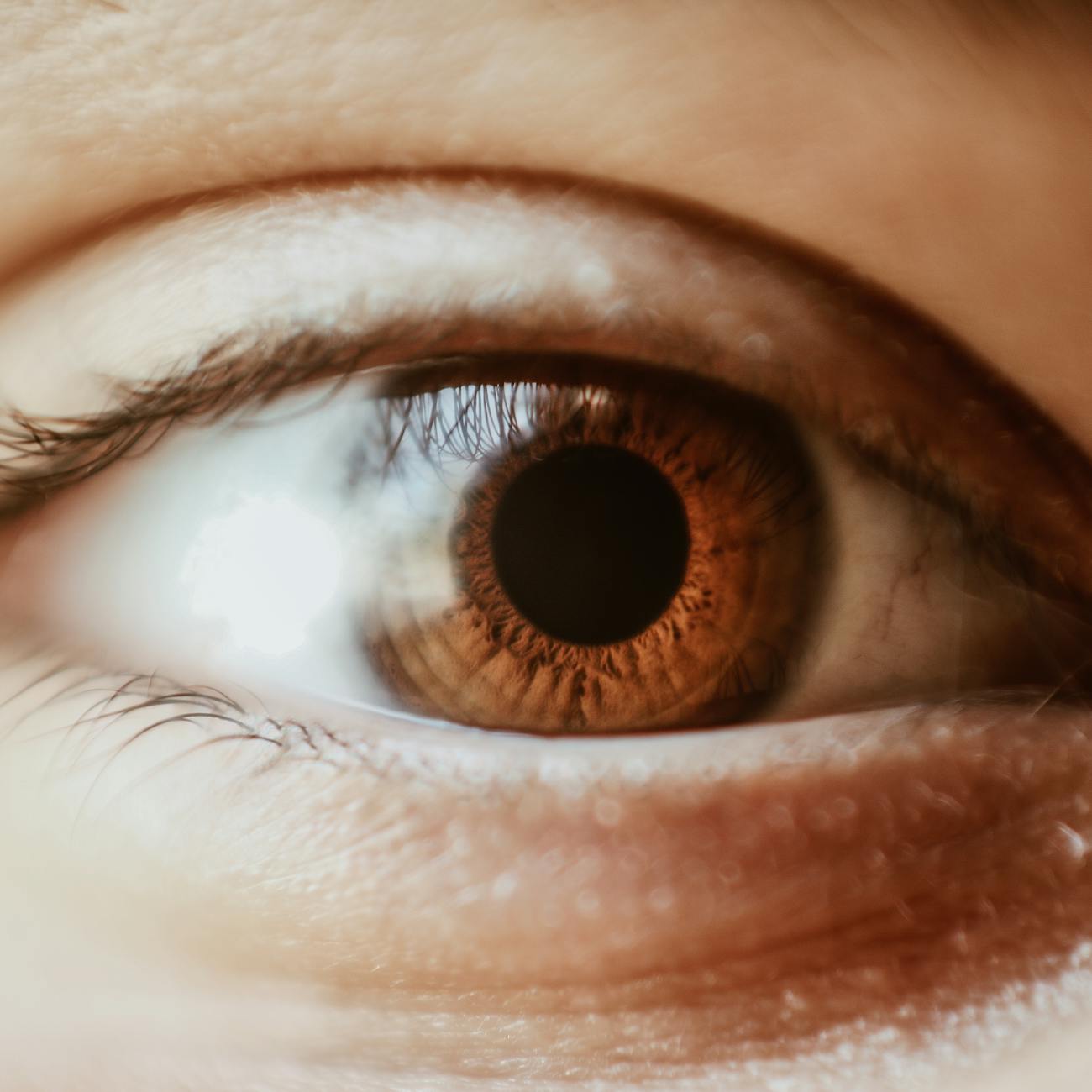
Welcome to this exciting episode of the Postgraduate Certificate in AI in Ophthalmology, where we delve into the world of Automated Disease Detection in Retinal Imaging. I'm your host, [Name], and I'm thrilled to have you here, as we explore the cutting edge of AI-driven healthcare.
But why is this topic so important? Why should you care about Automated Disease Detection in Retinal Imaging? Well, imagine a world where eye diseases are detected earlier and more accurately, where patients receive timely treatment, and where healthcare providers can manage their workload more efficiently. That's the promise of Automated Disease Detection in Retinal Imaging, and it's revolutionizing the way we approach ophthalmology.
To understand the significance of this development, let's take a brief look at the history of retinal imaging. In the past, retinal examinations relied heavily on the expertise of the healthcare provider, who would manually analyze the images to detect signs of disease. However, this process was time-consuming, prone to human error, and not always accessible to everyone.
Fast forward to today, and we have AI algorithms that can analyze retinal images with remarkable accuracy, speed, and consistency. These algorithms can detect signs of diseases such as diabetic retinopathy, age-related macular degeneration, and glaucoma, often before symptoms become apparent. And the best part? This technology is becoming increasingly affordable and accessible, making it a game-changer for ophthalmology and healthcare as a whole.
Now, let's talk about practical applications. How can you benefit from Automated Disease Detection in Retinal Imaging?
First, if you're a healthcare provider, this technology can help you streamline your workflow, reduce the risk of misdiagnosis, and provide better care for your patients. By incorporating AI into your practice, you can focus on what you do best – treating patients and improving their quality of life.
Second, if you're a researcher or a student in the field of ophthalmology, this technology opens up new possibilities for exploration, discovery, and innovation. By harnessing the power of AI, you can contribute to the development of more accurate, efficient, and accessible diagnostic tools, ultimately advancing the field of ophthalmology.
By harnessing the power of AI, you can contribute to the development of more accurate, efficient, and accessible diagnostic tools, ultimately advancing the field of ophthalmology.
However, as with any new technology, there are potential pitfalls to avoid. One common challenge is the risk of overreliance on AI, which can lead to complacency or a loss of critical thinking skills. To mitigate this risk, it's essential to maintain a balanced approach, combining the strengths of both human expertise and AI algorithms.
Another potential pitfall is the risk of data privacy breaches, as AI algorithms often require large datasets to function effectively. To address this concern, it's crucial to implement robust data protection measures and adhere to ethical guidelines when working with sensitive information.
In conclusion, Automated Disease Detection in Retinal Imaging is a powerful and promising technology that has the potential to transform ophthalmology and healthcare at large. By understanding its importance, applications, and potential pitfalls, you can harness its power to improve patient care, advance research, and contribute to the growth of this exciting field.
As we wrap up this episode, I encourage you to apply what you've learned and continue your journey of growth and discovery. Share your thoughts, ask questions, and engage with our community – after all, we're all in this together, working towards a brighter, healthier future for everyone.
And finally, don't forget to subscribe, share, and review our podcast, so you can stay up-to-date with the latest developments in AI in ophthalmology. Together, let's push the boundaries of what's possible and create a better world for all.
Thank you for listening, and until our next episode, keep exploring, learning, and making a difference.
Key takeaways
- Welcome to this exciting episode of the Postgraduate Certificate in AI in Ophthalmology, where we delve into the world of Automated Disease Detection in Retinal Imaging.
- Well, imagine a world where eye diseases are detected earlier and more accurately, where patients receive timely treatment, and where healthcare providers can manage their workload more efficiently.
- In the past, retinal examinations relied heavily on the expertise of the healthcare provider, who would manually analyze the images to detect signs of disease.
- These algorithms can detect signs of diseases such as diabetic retinopathy, age-related macular degeneration, and glaucoma, often before symptoms become apparent.
- How can you benefit from Automated Disease Detection in Retinal Imaging?
- First, if you're a healthcare provider, this technology can help you streamline your workflow, reduce the risk of misdiagnosis, and provide better care for your patients.
- By harnessing the power of AI, you can contribute to the development of more accurate, efficient, and accessible diagnostic tools, ultimately advancing the field of ophthalmology.