
AI Integration in Surgical Procedures
Welcome to this exciting episode of our Postgraduate Certificate in AI in Ophthalmology, where we delve into the world of AI Integration in Surgical Procedures. I'm thrilled to have you here, as we explore the incredible potential of artifi…
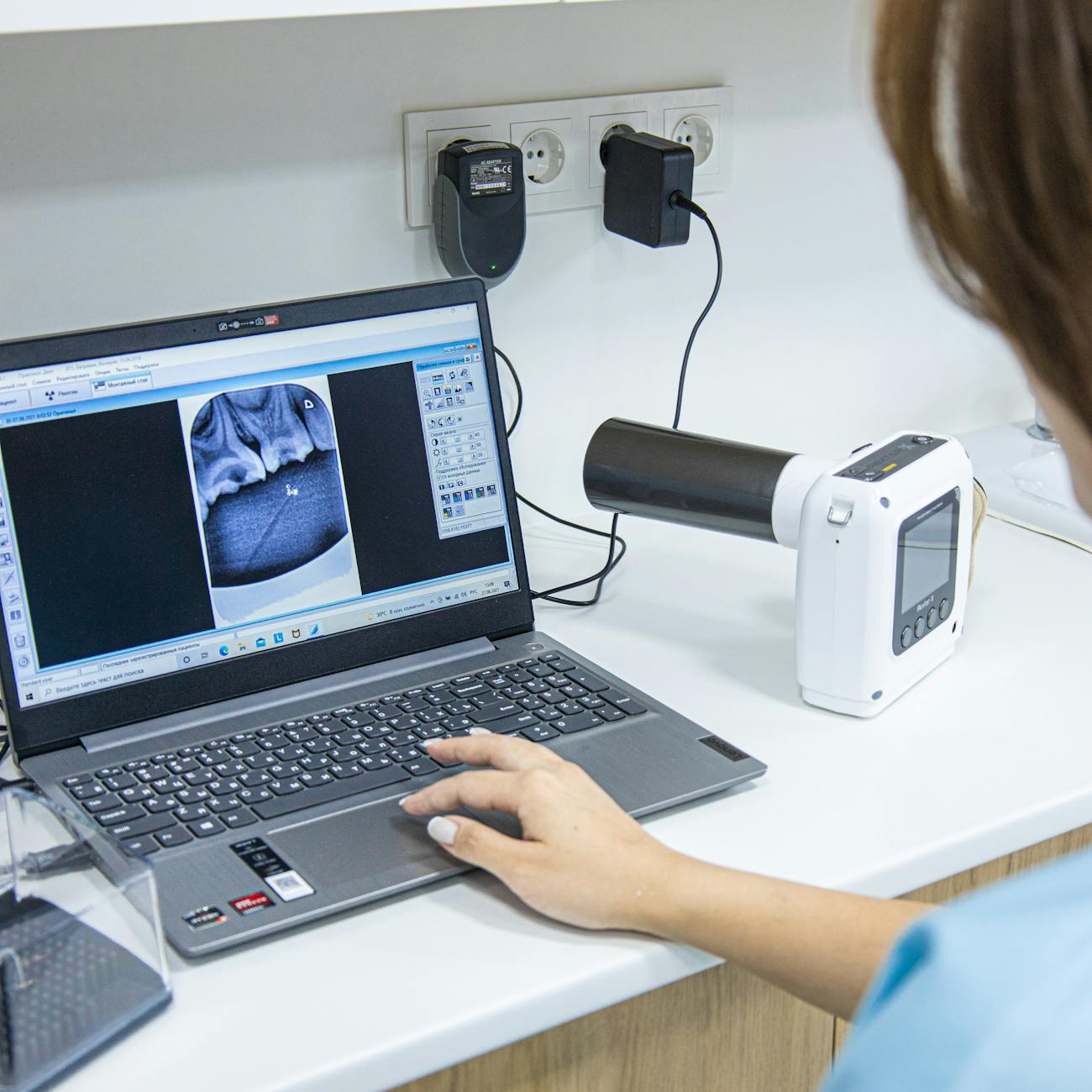
Photo from Pexels
Welcome to this exciting episode of our Postgraduate Certificate in AI in Ophthalmology, where we delve into the world of AI Integration in Surgical Procedures. I'm thrilled to have you here, as we explore the incredible potential of artificial intelligence to revolutionize the way we perform surgeries and improve patient outcomes.
Imagine a future where surgeons, equipped with AI-powered tools, can perform complex procedures with unparalleled precision, consistency, and safety. This future is closer than you think, and it's being made possible by the rapid advancements in AI and machine learning technologies.
The unit on AI Integration in Surgical Procedures is a crucial part of our program, as it equips you with the knowledge and skills necessary to harness the power of AI and apply it in real-world surgical settings. But why is this so important, and who stands to benefit from it?
Well, the applications of AI in ophthalmology are vast and varied, ranging from early detection and diagnosis of eye diseases to image analysis, treatment planning, and intraoperative guidance. By integrating AI into surgical procedures, we can enhance the surgeon's abilities, reduce human error, and ultimately improve patient care.
Let's take a step back and look at the historical context of AI in ophthalmology. The journey began with the development of machine learning algorithms that could analyze large datasets of medical images, identifying patterns and anomalies that might be missed by the human eye. Over time, these algorithms became more sophisticated, learning to recognize increasingly complex features and making more accurate predictions.
Today, AI has evolved beyond simple image analysis, with the emergence of deep learning models that can mimic the human brain's ability to learn and adapt. These models can analyze vast amounts of data in real-time, providing surgeons with actionable insights and recommendations during surgical procedures.
Now that you have a better understanding of the history and importance of AI Integration in Surgical Procedures, let's discuss some practical applications and strategies for incorporating AI into your own work.
One exciting example of AI in action is the use of AI-powered surgical robots. These robots can assist surgeons in performing precise and minimally invasive procedures, reducing the risk of complications and improving patient outcomes. By combining the surgeon's expertise with the robot's advanced AI capabilities, we can achieve a level of precision and consistency that was previously unattainable.
Now that you have a better understanding of the history and importance of AI Integration in Surgical Procedures, let's discuss some practical applications and strategies for incorporating AI into your own work.
Another application of AI in ophthalmology is the use of predictive analytics for treatment planning. By analyzing a patient's medical history, lifestyle factors, and genetic information, AI algorithms can predict the likelihood of various eye diseases and recommend personalized treatment plans. This not only improves patient outcomes but also reduces healthcare costs by preventing unnecessary treatments and interventions.
However, as with any new technology, there are potential pitfalls to avoid when integrating AI into surgical procedures. One common issue is the overreliance on AI, which can lead to complacency and a loss of critical thinking skills among surgeons. To avoid this, it's essential to maintain a healthy balance between human expertise and AI capabilities, using AI as a tool to augment and enhance the surgeon's abilities rather than replacing them entirely.
Another challenge is the need for standardization and regulation in the development and deployment of AI algorithms. As AI continues to evolve and become more integrated into healthcare, it's crucial that we establish clear guidelines and safeguards to ensure patient safety, data privacy, and ethical use of AI.
In closing, I'd like to leave you with an inspiring message and a call to action. The integration of AI into surgical procedures is not just a technological revolution—it's a chance for us to reimagine the way we approach patient care and improve the lives of countless individuals.
As you continue your journey with our Postgraduate Certificate in AI in Ophthalmology, I encourage you to embrace the potential of AI, apply what you've learned, and stay curious and engaged in this ever-evolving field. Share your insights and experiences with your colleagues, and don't be afraid to push the boundaries of what's possible.
Together, we can shape the future of AI in ophthalmology and create a world where precision, consistency, and compassion converge to deliver the best possible care for our patients.
Thank you for joining me on this exciting journey, and I look forward to continuing the conversation in future episodes. Don't forget to subscribe, share this podcast with your network, and engage with us on social media. Until next time, keep learning, growing, and innovating.
Key takeaways
- I'm thrilled to have you here, as we explore the incredible potential of artificial intelligence to revolutionize the way we perform surgeries and improve patient outcomes.
- Imagine a future where surgeons, equipped with AI-powered tools, can perform complex procedures with unparalleled precision, consistency, and safety.
- The unit on AI Integration in Surgical Procedures is a crucial part of our program, as it equips you with the knowledge and skills necessary to harness the power of AI and apply it in real-world surgical settings.
- Well, the applications of AI in ophthalmology are vast and varied, ranging from early detection and diagnosis of eye diseases to image analysis, treatment planning, and intraoperative guidance.
- The journey began with the development of machine learning algorithms that could analyze large datasets of medical images, identifying patterns and anomalies that might be missed by the human eye.
- Today, AI has evolved beyond simple image analysis, with the emergence of deep learning models that can mimic the human brain's ability to learn and adapt.
- Now that you have a better understanding of the history and importance of AI Integration in Surgical Procedures, let's discuss some practical applications and strategies for incorporating AI into your own work.