
Deep Learning Algorithms for Eye Disease Diagnosis
Welcome to this exciting episode of the Postgraduate Certificate in AI in Ophthalmology, where we delve into the world of Deep Learning Algorithms for Eye Disease Diagnosis. I'm your host, [Name], and I'm thrilled to have you here, as we ex…
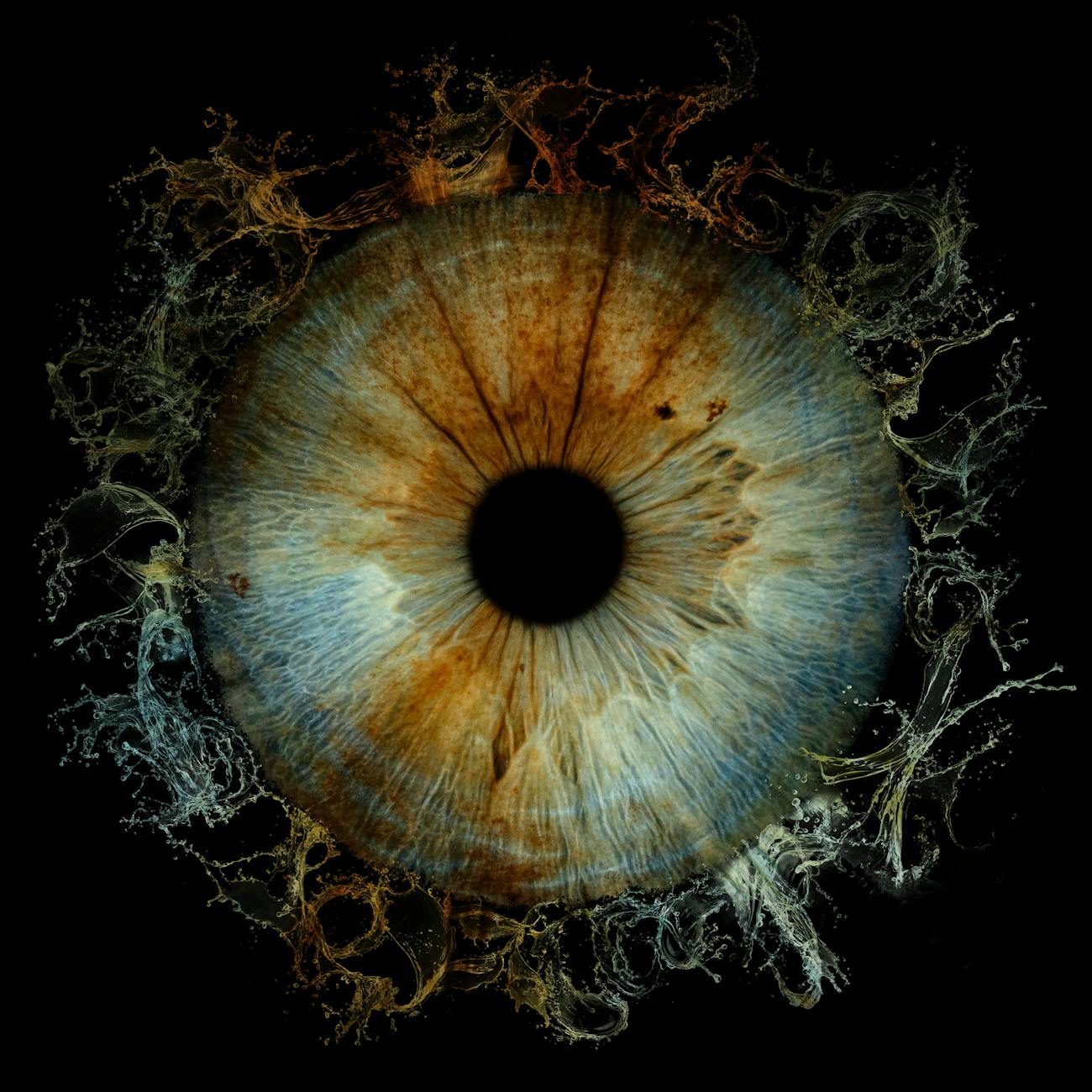
Welcome to this exciting episode of the Postgraduate Certificate in AI in Ophthalmology, where we delve into the world of Deep Learning Algorithms for Eye Disease Diagnosis. I'm your host, [Name], and I'm thrilled to have you here, as we explore the incredible potential of AI in the field of ophthalmology and how it's revolutionizing the way we diagnose and treat eye diseases.
Deep Learning Algorithms for Eye Disease Diagnosis is an essential unit in our AI in Ophthalmology course. It's designed to equip you with the knowledge and skills necessary to leverage deep learning algorithms in diagnosing and managing various eye diseases, ultimately improving patient care and outcomes. This topic is highly relevant for healthcare professionals, researchers, and enthusiasts who want to stay ahead of the curve in the rapidly evolving field of AI in ophthalmology.
Before we dive into the practical applications of deep learning algorithms in eye disease diagnosis, let's take a brief moment to appreciate the historical context and evolution of this groundbreaking technology. Deep learning, a subset of machine learning, has its roots in artificial neural networks, which were first conceptualized in the 1940s. However, it wasn't until the 1980s that deep learning gained traction, thanks to the development of more sophisticated algorithms and the availability of increased computational power.
Fast forward to today, and deep learning algorithms are being used across various industries, including healthcare, to analyze vast amounts of data, identify patterns, and make predictions with remarkable accuracy. In ophthalmology, deep learning algorithms have been successfully applied in the diagnosis of diabetic retinopathy, age-related macular degeneration, glaucoma, and cataracts, to name a few.
Now that we've set the stage let's discuss some practical applications of Deep Learning Algorithms for Eye Disease Diagnosis. As a listener, you might be wondering how you can apply this knowledge in your own life or work. Well, here are a few strategies and examples to get you started:
1. Understand the basics of deep learning algorithms: Familiarize yourself with the fundamental concepts of deep learning, such as artificial neural networks, convolutional neural networks, and recurrent neural networks. This foundational knowledge will help you appreciate the power and versatility of these algorithms in eye disease diagnosis. 2. Explore existing deep learning models for eye disease diagnosis: There are numerous pre-trained deep learning models available for various eye diseases. Investigate these models, and consider how they might be integrated into your current workflow or research. 3. Collaborate with data scientists and AI experts: Deep learning algorithms require a strong understanding of both ophthalmology and computer science. To maximize the potential of these algorithms, consider collaborating with data scientists, AI experts, or other healthcare professionals who possess complementary skills. 4. Stay informed about the latest developments: The field of deep learning in ophthalmology is rapidly evolving, with new research and advancements emerging regularly. Stay up-to-date by reading relevant literature, attending conferences, and participating in online forums or communities.
Understand the basics of deep learning algorithms: Familiarize yourself with the fundamental concepts of deep learning, such as artificial neural networks, convolutional neural networks, and recurrent neural networks.
As with any powerful technology, it's essential to be aware of potential pitfalls and challenges when working with deep learning algorithms for eye disease diagnosis. Here are a few common issues and suggested solutions:
1. Data quality and availability: Deep learning algorithms require large, high-quality datasets to train and validate. Ensure that your data is representative, accurately labeled, and free from bias. If necessary, consider partnering with other institutions or organizations to access additional data. 2. Interpretability and transparency: Deep learning models can sometimes be "black boxes," making it difficult to understand how they arrive at their predictions. To address this challenge, consider using explainable AI techniques, such as LIME or SHAP, which can help shed light on the decision-making processes of these models. 3. Ethical considerations: Deep learning algorithms can inadvertently perpetuate existing biases or discrimination in healthcare. Be mindful of these potential issues, and strive to incorporate fairness, accountability, and transparency into your deep learning projects.
As we conclude this episode, I want to leave you with an inspiring message: the power of deep learning algorithms in eye disease diagnosis is immense, and by applying what you've learned, you can contribute to the ongoing transformation of healthcare. I encourage you to continue your journey of growth and exploration, and don't forget to subscribe, share, or engage with our podcast. Together, we can shape the future of AI in ophthalmology and improve patient care worldwide.
Thank you for joining me on this exciting episode about Deep Learning Algorithms for Eye Disease Diagnosis. I'm your host, [Name], and I look forward to our next conversation in the world of AI in ophthalmology. Until then, stay curious, stay passionate, and remember the incredible potential that lies within this groundbreaking technology.
Key takeaways
- I'm your host, [Name], and I'm thrilled to have you here, as we explore the incredible potential of AI in the field of ophthalmology and how it's revolutionizing the way we diagnose and treat eye diseases.
- It's designed to equip you with the knowledge and skills necessary to leverage deep learning algorithms in diagnosing and managing various eye diseases, ultimately improving patient care and outcomes.
- Before we dive into the practical applications of deep learning algorithms in eye disease diagnosis, let's take a brief moment to appreciate the historical context and evolution of this groundbreaking technology.
- Fast forward to today, and deep learning algorithms are being used across various industries, including healthcare, to analyze vast amounts of data, identify patterns, and make predictions with remarkable accuracy.
- Now that we've set the stage let's discuss some practical applications of Deep Learning Algorithms for Eye Disease Diagnosis.
- Understand the basics of deep learning algorithms: Familiarize yourself with the fundamental concepts of deep learning, such as artificial neural networks, convolutional neural networks, and recurrent neural networks.
- As with any powerful technology, it's essential to be aware of potential pitfalls and challenges when working with deep learning algorithms for eye disease diagnosis.