
Renewable Energy Systems and Grid Integration
Renewable Energy Systems and Grid Integration are key components of the Postgraduate Certificate in Power System Analysis and Design. This explanation will cover key terms and vocabulary related to these topics.
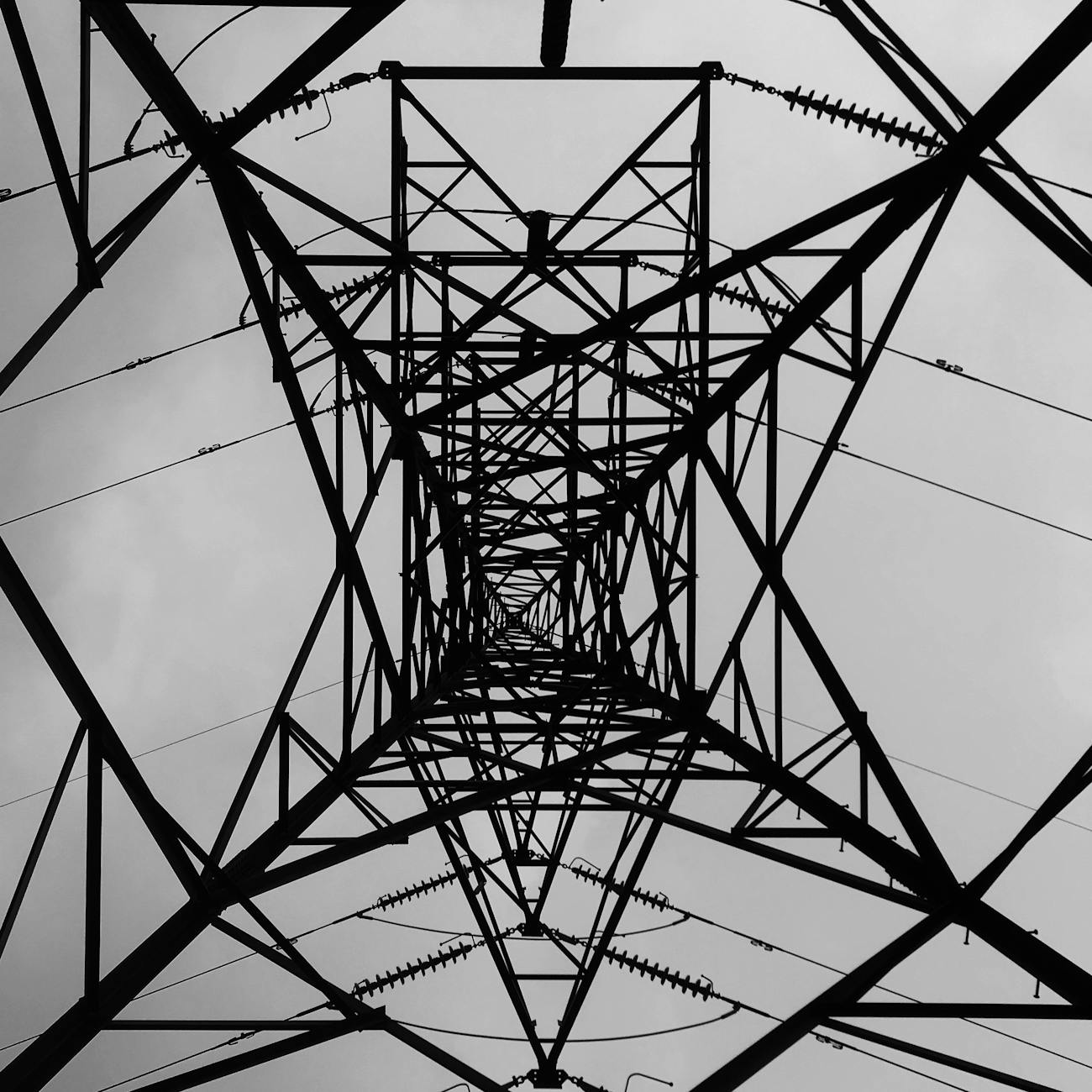
Renewable Energy Systems and Grid Integration are key components of the Postgraduate Certificate in Power System Analysis and Design. This explanation will cover key terms and vocabulary related to these topics.
1. Renewable Energy Systems:
Renewable Energy: Energy obtained from natural resources that can be replenished over time, such as sunlight, wind, and water.
Solar Power: Energy harnessed from the sun's rays, typically through the use of solar panels.
Wind Power: Energy harnessed from the wind, typically through the use of wind turbines.
Hydro Power: Energy harnessed from water, typically through the use of dams and turbines.
Geothermal Energy: Energy harnessed from the heat within the Earth's crust.
Biomass Energy: Energy harnessed from organic materials, such as wood, agricultural waste, and landfill gas.
Photovoltaic (PV) Cells: Semiconductor devices that convert light into electricity.
Concentrated Solar Power (CSP): A technology that uses mirrors or lenses to concentrate a large area of sunlight onto a small area.
Inverters: Electrical devices that convert direct current (DC) to alternating current (AC).
Energy Storage: The capture of energy produced at one time for use at a later time.
Net Metering: A billing arrangement that allows customers with renewable energy systems to receive credit for any excess electricity they produce and feed back into the grid.
2. Grid Integration:
Power Grid: A network of synchronized power providers and consumers connected to allow for the bulk transfer of electrical power.
Grid Integration: The process of connecting renewable energy systems to the power grid.
Grid Stability: The ability of the power grid to maintain a stable frequency and voltage.
Power Quality: The degree to which the voltage, current, and frequency of a power supply meet the requirements of electrical equipment.
Active Power Control: The ability of a renewable energy system to regulate the amount of real power it supplies to the grid.
Reactive Power Control: The ability of a renewable energy system to regulate the amount of reactive power it supplies to the grid.
Voltage Source Converter (VSC): A type of power electronics device used to convert DC to AC, commonly used in grid-connected renewable energy systems.
Power Electronics: The study and application of electronic circuits for the control and conversion of electrical power.
Frequency Control: The ability of a power system to maintain a stable frequency.
Black Start: The process of restoring an electrical power station to operation without relying on the external power grid.
Microgrids: Small-scale power grids that can operate independently from the main power grid.
Challenges in Renewable Energy Systems and Grid Integration:
* Intermittency: Renewable energy sources, such as solar and wind, are intermittent and can be unpredictable, making it difficult to maintain grid stability. * Power Quality: Renewable energy systems can affect power quality, causing issues such as voltage fluctuations and harmonic distortion. * Grid Connection: Connecting renewable energy systems to the grid can be challenging, requiring specialized equipment and control systems. * Energy Storage: Energy storage systems, such as batteries, can be expensive and have limited lifetimes. * Grid Codes: Renewable energy systems must comply with strict grid codes, which can be complex and difficult to meet.
Examples of practical applications:
* A wind farm in Texas uses a combination of energy storage and active power control to maintain grid stability and meet grid codes. * A solar farm in California uses a microgrid to provide power to a local community during grid outages. * A hydroelectric power plant in Norway uses a VSC to connect to the grid and regulate power quality.
In conclusion, Renewable Energy Systems and Grid Integration are critical components of the Postgraduate Certificate in Power System Analysis and Design. Understanding key terms and vocabulary is essential for success in this field. From solar and wind power to grid stability and power quality, this explanation has covered the key concepts and challenges in this area. By understanding these concepts and applying them in practical situations, you will be well on your way to a successful career in power system analysis and design.
Key takeaways
- Renewable Energy Systems and Grid Integration are key components of the Postgraduate Certificate in Power System Analysis and Design.
- Renewable Energy: Energy obtained from natural resources that can be replenished over time, such as sunlight, wind, and water.
- Solar Power: Energy harnessed from the sun's rays, typically through the use of solar panels.
- Wind Power: Energy harnessed from the wind, typically through the use of wind turbines.
- Hydro Power: Energy harnessed from water, typically through the use of dams and turbines.
- Geothermal Energy: Energy harnessed from the heat within the Earth's crust.
- Biomass Energy: Energy harnessed from organic materials, such as wood, agricultural waste, and landfill gas.