
Power System Optimization and Economics
Power System Optimization and Economics is a crucial area of study in the Postgraduate Certificate in Power System Analysis and Design. This field focuses on the efficient and cost-effective operation and planning of power systems. To under…
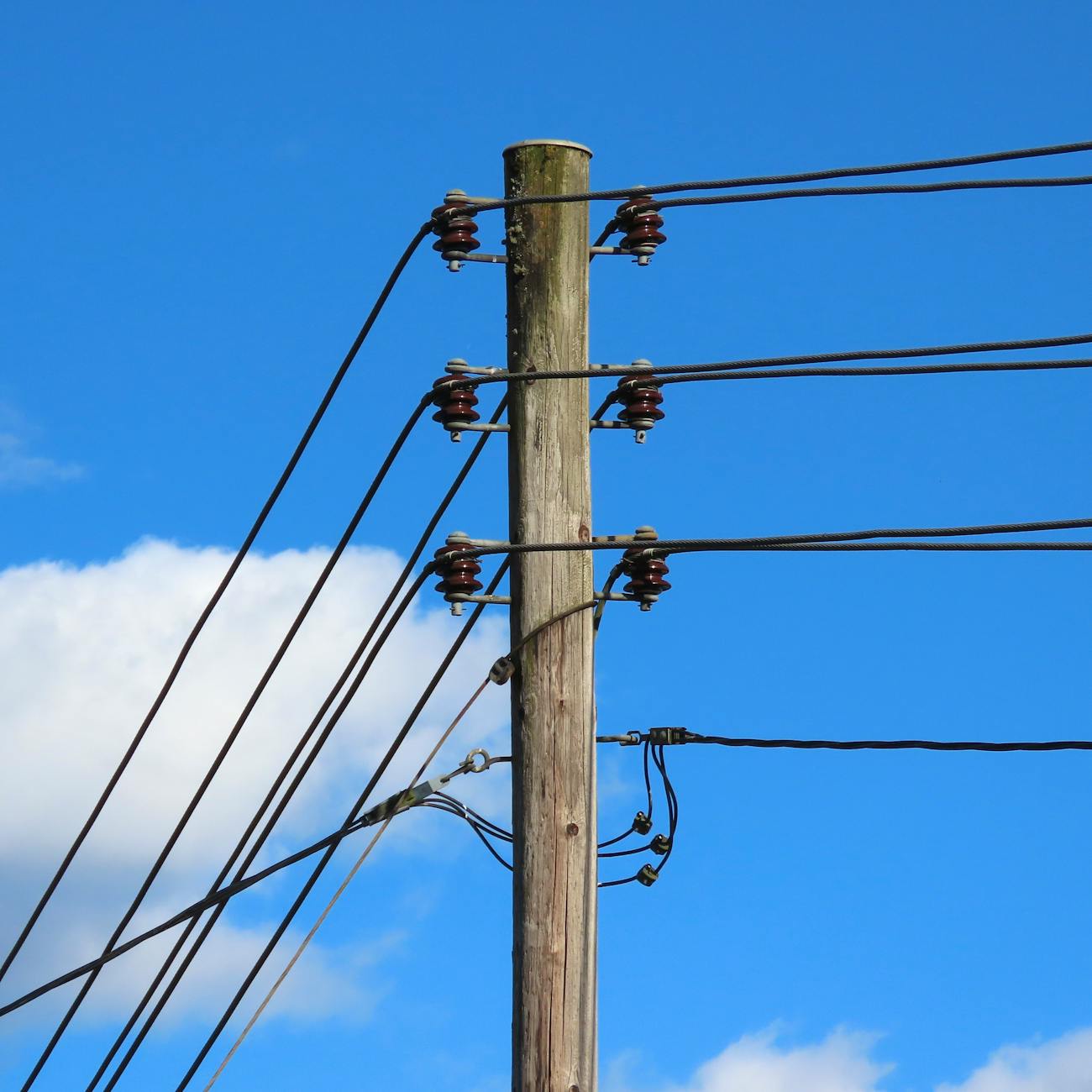
Power System Optimization and Economics is a crucial area of study in the Postgraduate Certificate in Power System Analysis and Design. This field focuses on the efficient and cost-effective operation and planning of power systems. To understand this subject, it is essential to become familiar with some key terms and vocabulary. In this explanation, we will discuss these terms and provide examples and practical applications to help you better understand their meaning and significance.
1. Objective Function: An objective function is a mathematical expression that represents the goal of a problem or system. In power system optimization, the objective function typically represents the cost of generating and transmitting power while ensuring a reliable and secure power supply. The objective function is optimized by finding the values of decision variables that minimize or maximize the objective function subject to certain constraints.
Example: The objective function for a power system might be to minimize the total cost of generating and transmitting power, which includes fuel costs, maintenance costs, and transmission losses.
2. Constraint: A constraint is a limitation or restriction on the values that decision variables can take. Constraints are used in optimization problems to ensure that the solution is feasible and meets certain requirements. In power system optimization, constraints can include limitations on power generation capacity, transmission capacity, voltage limits, and stability requirements.
Example: A constraint in a power system optimization problem might be that the total power generation cannot exceed the available capacity of the generators.
3. Decision Variables: Decision variables are the variables that are used to optimize the objective function subject to the constraints. In power system optimization, decision variables might include the power output of generators, the voltage levels at buses, and the flow of power on transmission lines.
Example: In a power system optimization problem, the decision variables might be the power output of three generators, the voltage levels at five buses, and the flow of power on ten transmission lines.
4. Linear Programming (LP): Linear programming is a mathematical optimization technique used to optimize a linear objective function subject to linear constraints. LP is widely used in power system optimization, including generation scheduling, transmission planning, and economic dispatch.
Example: An LP problem in power system optimization might involve minimizing the total cost of generating and transmitting power subject to constraints on power generation capacity, transmission capacity, and voltage limits.
5. Mixed-Integer Programming (MIP): Mixed-integer programming is a mathematical optimization technique used to optimize an objective function that includes both continuous and discrete variables. MIP is used in power system optimization to model discrete decisions, such as the startup or shutdown of generators, or the construction or upgrade of transmission lines.
Example: A MIP problem in power system optimization might involve optimizing the location and size of renewable energy sources, such as wind turbines or solar panels, subject to constraints on power generation capacity, transmission capacity, and voltage limits.
6. Security Constraints: Security constraints are used in power system optimization to ensure that the power system is secure and reliable. Security constraints can include requirements for voltage stability, transient stability, and frequency stability.
Example: A security constraint in power system optimization might be that the power system must remain stable during a fault or disturbance, such as a short circuit or a sudden loss of load.
7. Optimal Power Flow (OPF): Optimal power flow is a mathematical optimization problem used to determine the optimal operating point of a power system. OPF is used to find the optimal power generation, voltage levels, and power flow on transmission lines, subject to certain constraints.
Example: An OPF problem in power system optimization might involve minimizing the total cost of generating and transmitting power, subject to constraints on power generation capacity, transmission capacity, and voltage limits.
8. Unit Commitment (UC): Unit commitment is a mathematical optimization problem used to determine the optimal startup and shutdown schedule of generators in a power system. UC is used to find the optimal generation schedule, subject to certain constraints, such as minimum up and down times for generators.
Example: A UC problem in power system optimization might involve determining the optimal startup and shutdown schedule for a fleet of generators, subject to constraints on power generation capacity, transmission capacity, and voltage limits.
9. Generation Expansion Planning (GEP): Generation expansion planning is a mathematical optimization problem used to determine the optimal location and size of new power generation facilities in a power system. GEP is used to find the optimal generation expansion plan, subject to certain constraints, such as investment costs, fuel costs, and environmental regulations.
Example: A GEP problem in power system optimization might involve determining the optimal location and size of new wind turbines or solar panels, subject to constraints on investment costs, fuel costs, and environmental regulations.
10. Transmission Expansion Planning (TEP): Transmission expansion planning is a mathematical optimization problem used to determine the optimal location and size of new transmission lines in a power system. TEP is used to find the optimal transmission expansion plan, subject to certain constraints, such as investment costs, transmission capacity, and voltage limits.
Example: A TEP problem in power system optimization might involve determining the optimal location and size of new transmission lines, subject to constraints on investment costs, transmission capacity, and voltage limits.
Challenges:
Power system optimization and economics are complex and challenging fields, with many real-world applications. Some of the challenges in this area include:
1. Large-scale optimization problems: Power system optimization problems can involve thousands of decision variables and constraints, making them challenging to solve. 2. Uncertainty and variability: Power systems are subject to uncertainty and variability, such as changes in demand, renewable energy output, and transmission line availability. 3. Non-linear and non-convex optimization problems: Power system optimization problems can be non-linear and non-convex, making them difficult to solve using traditional optimization techniques. 4. Regulatory and policy constraints: Power system optimization and economics are subject to regulatory and policy constraints, such as environmental regulations, transmission tariffs, and market rules. 5. Integration of renewable energy sources: The integration of renewable energy sources, such as wind and solar, into power systems requires new optimization techniques and approaches.
Conclusion:
Power system optimization and economics are critical areas of study in the Postgraduate Certificate in Power System Analysis and Design. Understanding the key terms and vocabulary in this field is essential for anyone interested in the efficient and cost-effective operation and planning of power systems. By understanding these concepts, you will be better equipped to tackle the challenges and opportunities in this exciting and dynamic field.
Key takeaways
- In this explanation, we will discuss these terms and provide examples and practical applications to help you better understand their meaning and significance.
- In power system optimization, the objective function typically represents the cost of generating and transmitting power while ensuring a reliable and secure power supply.
- Example: The objective function for a power system might be to minimize the total cost of generating and transmitting power, which includes fuel costs, maintenance costs, and transmission losses.
- In power system optimization, constraints can include limitations on power generation capacity, transmission capacity, voltage limits, and stability requirements.
- Example: A constraint in a power system optimization problem might be that the total power generation cannot exceed the available capacity of the generators.
- In power system optimization, decision variables might include the power output of generators, the voltage levels at buses, and the flow of power on transmission lines.
- Example: In a power system optimization problem, the decision variables might be the power output of three generators, the voltage levels at five buses, and the flow of power on ten transmission lines.