
High Voltage Engineering and Design
High Voltage Engineering and Design is a crucial field of study within the Postgraduate Certificate in Power System Analysis and Design. This area focuses on the generation, transmission, and distribution of electrical power at high voltage…
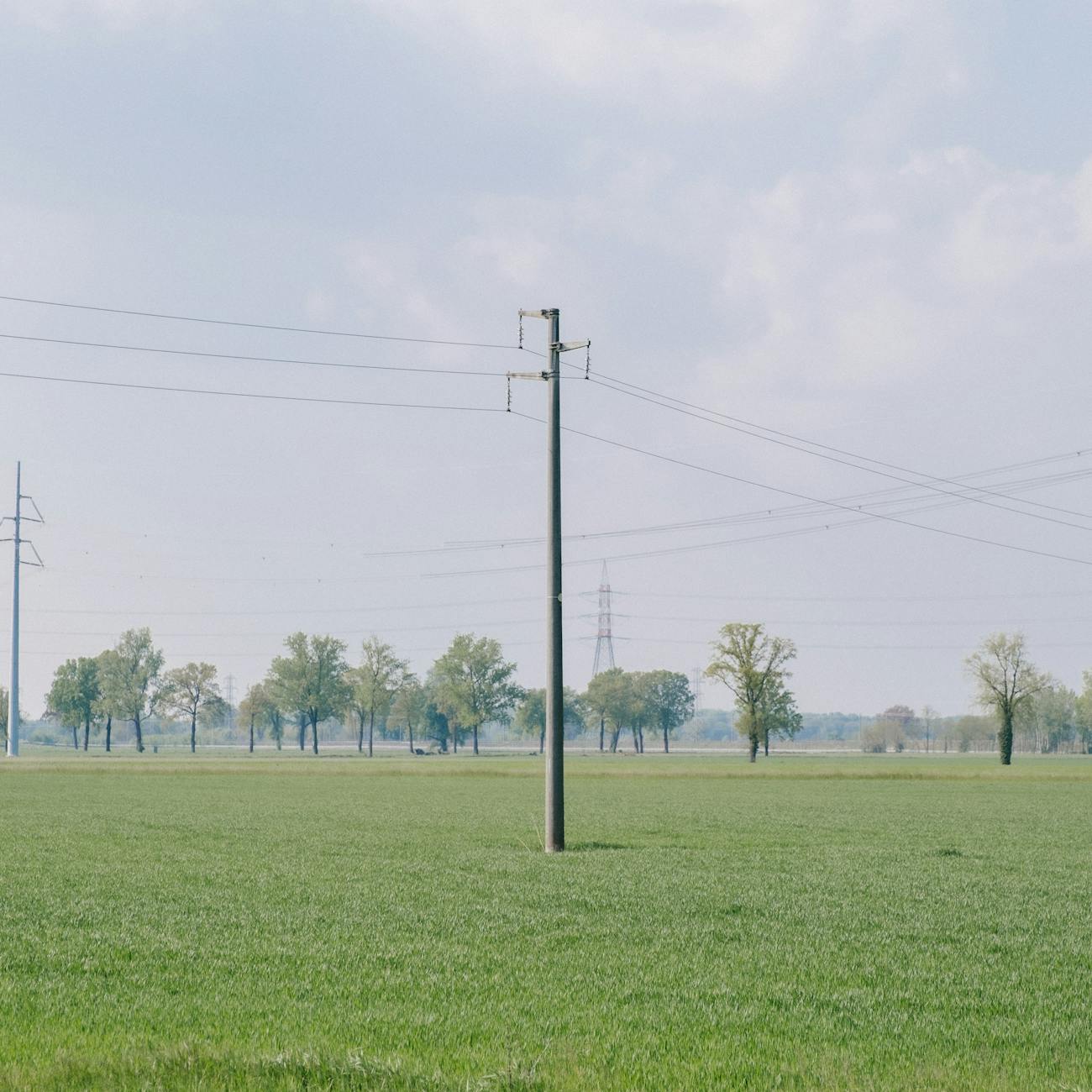
High Voltage Engineering and Design is a crucial field of study within the Postgraduate Certificate in Power System Analysis and Design. This area focuses on the generation, transmission, and distribution of electrical power at high voltages. The following key terms and vocabulary are essential for understanding High Voltage Engineering and Design:
1. **High Voltage (HV)**: Voltages greater than 1000 volts (V) in alternating current (AC) systems or 1500 volts (V) in direct current (DC) systems are considered high voltage. 2. **Insulation**: A material or system that prevents the flow of electrical current between two conductive parts is known as insulation. 3. **Dielectric Strength**: The maximum electric field that a material can withstand without breaking down and allowing current to flow is its dielectric strength. 4. **Impulse Voltage**: A voltage surge with a very short duration (typically microseconds) is called an impulse voltage. 5. **Switchgear**: A set of electrical disconnecting devices, fuses, or circuit breakers used to control, protect, and isolate electrical equipment is called switchgear. 6. **Current Transformer (CT)**: A current transformer is a device used to measure or monitor high currents by producing a secondary current proportional to the primary current. 7. **Voltage Transformer (VT)**: A voltage transformer, also known as a potential transformer, is a device used to measure or monitor high voltages by producing a secondary voltage proportional to the primary voltage. 8. **Power Factor**: The power factor is the ratio of real power (watts) to apparent power (volt-amperes) in an AC system. 9. **Capacitance**: Capacitance is the ability of a system to store electrical charge. 10. **Inductance**: Inductance is the property of an electrical circuit or device that resists changes in current. 11. **Insulation Coordination**: Insulation coordination is the process of selecting and specifying the insulation levels of electrical equipment to ensure safe and reliable operation in the presence of overvoltages. 12. **Basic Insulation Level (BIL)**: The basic insulation level is the minimum voltage withstand capability of electrical equipment insulation under specified test conditions. 13. **Lightning Arrester**: A device used to protect electrical equipment from lightning surges is called a lightning arrester. 14. **Surge Arrester**: A surge arrester is a device used to protect electrical equipment from voltage surges, such as those caused by switching operations or lightning. 15. **Corona Discharge**: Corona discharge is an electrical discharge that occurs when the electric field strength around a conductor exceeds a certain threshold, causing ionization of the surrounding air. 16. **Partial Discharge (PD)**: Partial discharge is a localized electrical discharge that occurs within the insulation of electrical equipment, often indicating incipient failure. 17. **Cable Jointing**: Cable jointing is the process of connecting two electrical cables using a jointing kit, ensuring electrical continuity and insulation. 18. **Arc Flash**: An arc flash is a high-temperature electrical discharge that can cause severe injury or damage to electrical equipment. 19. **Arc Resistance**: Arc resistance is the ability of a material to withstand the effects of an electrical arc. 20. **Transmission Line**: A transmission line is a set of conductors used to transmit electrical power over long distances. 21. **Grounding**: Grounding is the process of connecting electrical equipment to the earth to ensure safety and proper operation.
Examples and Practical Applications:
* High voltage insulation must be designed with a high dielectric strength to prevent electrical breakdown and ensure safe and reliable operation. * Insulation coordination is essential in protecting electrical equipment from overvoltages, such as those caused by lightning or switching operations. * Surge arresters are used to protect electrical equipment from voltage surges, while lightning arresters are specifically designed to protect against lightning strikes. * Corona discharge can cause energy loss and noise in transmission lines, while partial discharge can indicate incipient failure in electrical equipment insulation. * Cable jointing is an essential skill in electrical power systems, ensuring continuity and insulation in cable connections. * Arc flash hazards can be reduced through proper grounding and the use of personal protective equipment (PPE).
Challenges:
* Ensuring the safe and reliable operation of high voltage electrical equipment requires a deep understanding of insulation coordination, dielectric strength, and partial discharge. * Proper grounding and earthing techniques are essential in reducing arc flash hazards and ensuring safety in electrical power systems. * The design and installation of surge arresters and lightning arresters require careful consideration of the electrical system's characteristics and potential overvoltages. * Corona discharge and partial discharge can cause energy loss and damage to electrical equipment, requiring regular monitoring and maintenance. * Cable jointing requires specialized skills and training to ensure proper installation and insulation.
Conclusion:
Understanding the key terms and vocabulary of High Voltage Engineering and Design is essential for successful completion of the Postgraduate Certificate in Power System Analysis and Design. These concepts are critical to the safe and reliable operation of high voltage electrical equipment, and a deep understanding of these terms and concepts is necessary for a successful career in this field.
Key takeaways
- High Voltage Engineering and Design is a crucial field of study within the Postgraduate Certificate in Power System Analysis and Design.
- **Voltage Transformer (VT)**: A voltage transformer, also known as a potential transformer, is a device used to measure or monitor high voltages by producing a secondary voltage proportional to the primary voltage.
- * Surge arresters are used to protect electrical equipment from voltage surges, while lightning arresters are specifically designed to protect against lightning strikes.
- * Ensuring the safe and reliable operation of high voltage electrical equipment requires a deep understanding of insulation coordination, dielectric strength, and partial discharge.
- These concepts are critical to the safe and reliable operation of high voltage electrical equipment, and a deep understanding of these terms and concepts is necessary for a successful career in this field.