
Shiphandling and Maneuvering in Confined Waters
Shiphandling and maneuvering in confined waters is a critical aspect of marine navigation, requiring a deep understanding of key terms and vocabulary. In the context of the Postgraduate Certificate in Marine Navigation and Nautical Technolo…
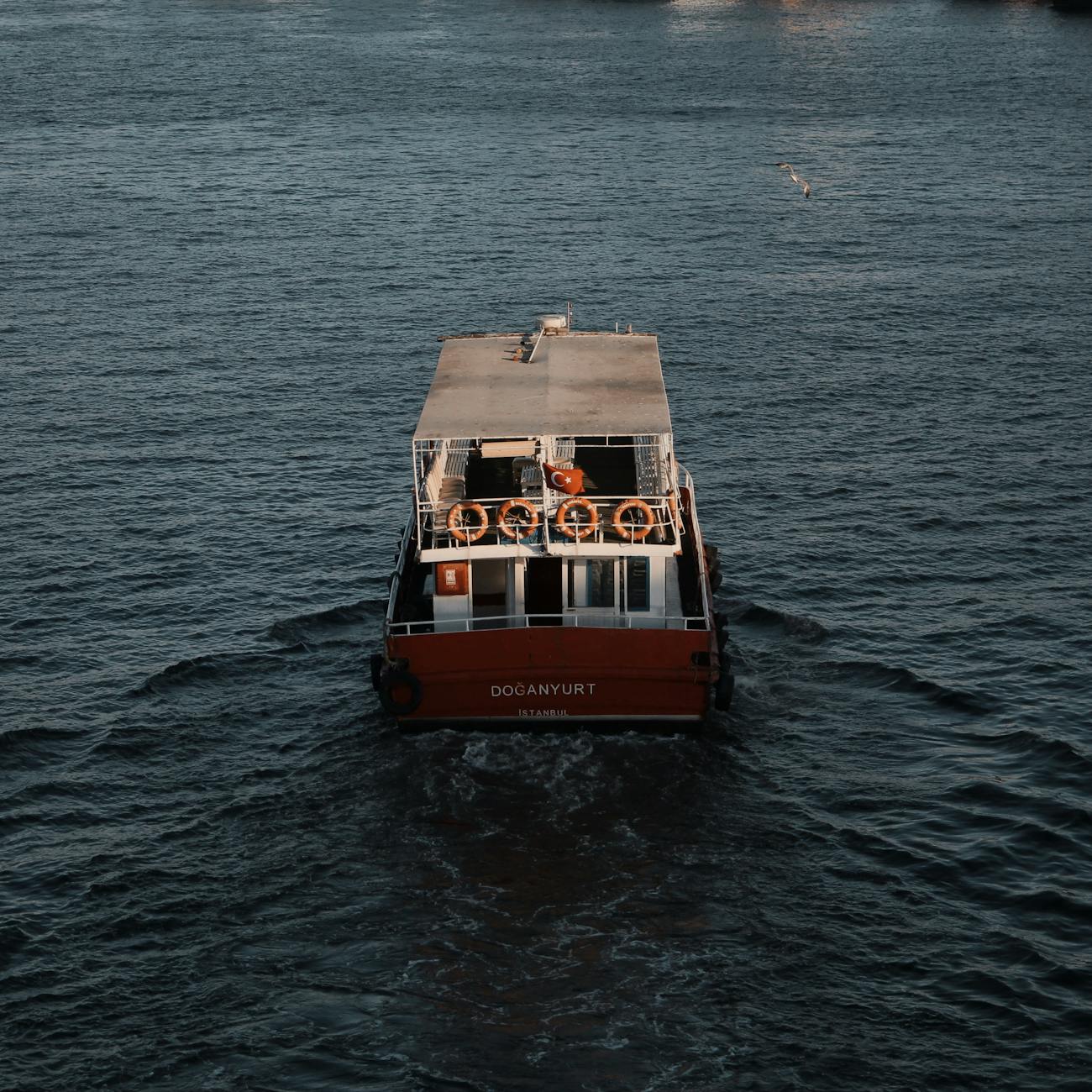
Shiphandling and maneuvering in confined waters is a critical aspect of marine navigation, requiring a deep understanding of key terms and vocabulary. In the context of the Postgraduate Certificate in Marine Navigation and Nautical Technology, this topic covers the skills and knowledge needed to safely navigate and maneuver a ship in tight spaces, such as harbors, rivers, and canals. Here are some of the key terms and concepts you need to know:
1. Confined waters: These are areas where the ship's movement is restricted due to the presence of other ships, structures, or land. Examples include harbors, canals, and rivers. 2. Maneuvering board: A tool used by the navigator to plan and execute ship movements in confined waters. It shows the ship's turning circle, minimum and maximum speed limits, and other relevant information. 3. Turning circle: The path traced by the ship as it turns around. It is affected by the ship's speed, rudder angle, and hull shape. 4. Rudder angle: The angle at which the ship's rudder is turned to steer the ship. A larger rudder angle results in a tighter turn, but also increases the ship's resistance to forward motion. 5. Set and drift: The movement of the ship due to currents and wind. Set is the movement in the direction of the current, while drift is the movement perpendicular to the current. 6. Transit lines: Two fixed objects, such as buoys or shore structures, that the ship must pass between to maintain its course. 7. Clearing bearings: The minimum and maximum angles at which the ship must pass an object to avoid collision. 8. Bow and stern thrusters: Small propellers located at the bow and stern of the ship that can be used to assist in maneuvering in confined waters. 9. Tugboats: Small, powerful boats used to assist larger ships in maneuvering in confined waters. 10. Spring lines: Ropes used to hold the ship in place while maneuvering in confined waters. They are attached to the ship's bow and stern and to fixed objects on the shore or to other boats. 11. Bridge team: The group of officers and crew members responsible for navigating and maneuvering the ship. 12. Stand-on vessel: The vessel that has the right of way in a given situation, as determined by the International Regulations for Preventing Collisions at Sea (COLREGs). 13. Give-way vessel: The vessel that must take action to avoid collision with the stand-on vessel. 14. Visual signals: Hand signals used by the bridge team to communicate with each other during maneuvering operations. 15. Electronic chart display and information system (ECDIS): A computerized system used to display electronic charts, including the ship's position, course, and speed. 16. Automatic identification system (AIS): A system that automatically transmits the ship's identity, position, and other information to other ships and shore-based stations. 17. Echo sounder: A device used to measure the depth of water under the ship. 18. Speed log: A device used to measure the ship's speed through the water. 19. Gyrocompass: A device used to determine the ship's heading. 20. Radar: A device used to detect other ships and objects in the vicinity.
Maneuvering a ship in confined waters requires careful planning, communication, and execution. The navigator must use the maneuvering board and other tools to determine the ship's turning circle, set and drift, and other relevant factors. The bridge team must work together to execute the plan, using visual signals and other means of communication to coordinate their actions. The use of electronic aids, such as ECDIS, AIS, and radar, can greatly assist in this process.
One of the biggest challenges in confined water maneuvering is avoiding collisions with other ships and objects. The COLREGs provide a set of rules for determining which vessel has the right of way in different situations. The stand-on vessel must maintain its course and speed, while the give-way vessel must take action to avoid collision. In some cases, the give-way vessel may need to use its engines and rudder to alter its course or speed, or may need to request assistance from tugboats or other vessels.
Another challenge in confined water maneuvering is dealing with adverse weather conditions, such as strong winds and currents. The navigator must take these factors into account when planning and executing the ship's movements. For example, strong winds may cause the ship to drift off course, while strong currents may affect the ship's speed and maneuverability. In these situations, the bridge team must work together to adjust the ship's course and speed as necessary to maintain safe navigation.
Effective communication is essential for successful confined water maneuvering. The bridge team must use clear and concise language to convey their intentions and actions. Visual signals, such as hand signals, can be particularly useful in noisy or chaotic situations. In addition, the navigator must ensure that all relevant information is communicated to the bridge team, such as the ship's position, course, and speed, as well as any potential hazards or obstacles.
To practice confined water maneuvering, navigators can use simulators or model ships. These tools allow them to practice different maneuvers and scenarios in a controlled environment, without the risk of collision or other accidents. They can also use actual ships in areas with low traffic or in designated exercise areas.
In conclusion, shiphandling and maneuvering in confined waters is a complex and challenging aspect of marine navigation. It requires a deep understanding of key terms and concepts, as well as careful planning, communication, and execution. By mastering these skills, navigators can ensure safe and efficient navigation in even the most challenging environments.
Key takeaways
- In the context of the Postgraduate Certificate in Marine Navigation and Nautical Technology, this topic covers the skills and knowledge needed to safely navigate and maneuver a ship in tight spaces, such as harbors, rivers, and canals.
- Automatic identification system (AIS): A system that automatically transmits the ship's identity, position, and other information to other ships and shore-based stations.
- The navigator must use the maneuvering board and other tools to determine the ship's turning circle, set and drift, and other relevant factors.
- In some cases, the give-way vessel may need to use its engines and rudder to alter its course or speed, or may need to request assistance from tugboats or other vessels.
- For example, strong winds may cause the ship to drift off course, while strong currents may affect the ship's speed and maneuverability.
- In addition, the navigator must ensure that all relevant information is communicated to the bridge team, such as the ship's position, course, and speed, as well as any potential hazards or obstacles.
- These tools allow them to practice different maneuvers and scenarios in a controlled environment, without the risk of collision or other accidents.