
Marine Cartography and Geographic Information Systems
Marine Cartography and Geographic Information Systems (GIS) are essential tools for navigation and nautical technology. In this explanation, we will cover key terms and vocabulary related to these fields.
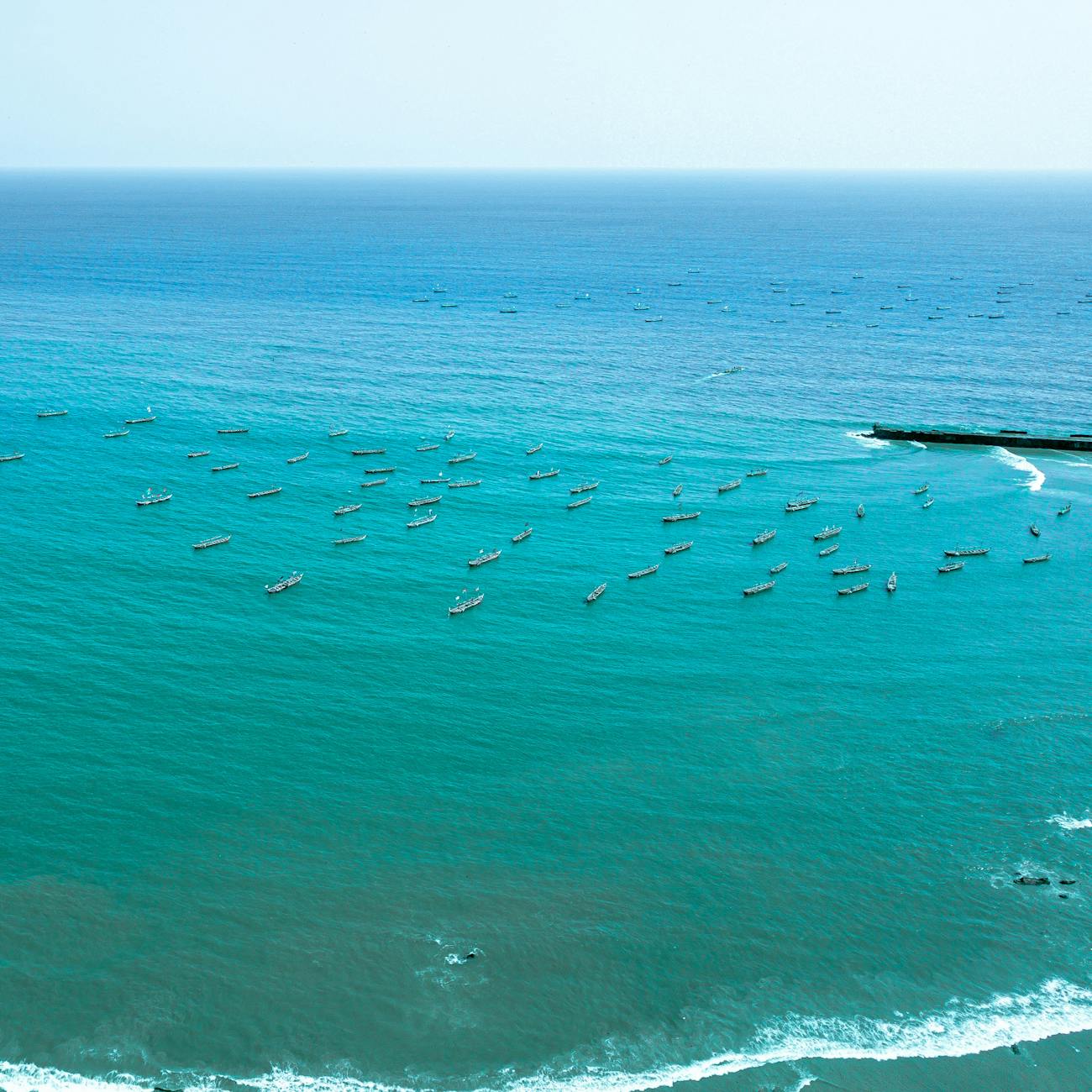
Marine Cartography and Geographic Information Systems (GIS) are essential tools for navigation and nautical technology. In this explanation, we will cover key terms and vocabulary related to these fields.
1. Marine Cartography: Marine cartography is the art and science of making maps of marine environments. It involves the use of various techniques and tools to represent the marine environment in a visual format. Some key terms related to marine cartography include:
a. Chart: A chart is a graphical representation of a marine area, showing depths, hazards, and other navigational features. Charts are essential tools for marine navigation.
b. Sounding: A sounding is a measurement of the depth of water. Soundings are used to create charts and are typically taken using echosounders or lead lines.
c. Depth Contour: A depth contour is a line on a chart that connects points of equal depth. Depth contours are used to represent the underwater topography of a marine area.
d. Shoal: A shoal is a shallow area of water, often found in coastal areas. Shoals can be hazardous to navigation and are typically marked on charts.
e. Wreck: A wreck is a sunken ship or other underwater structure. Wrecks can be hazardous to navigation and are typically marked on charts.
2. Geographic Information Systems (GIS): GIS is a system that allows for the capture, management, analysis, and visualization of geographic information. GIS is a powerful tool for marine navigation and nautical technology, allowing for the integration of various data sources to create comprehensive maps and models of marine environments. Some key terms related to GIS include:
a. Geodatabase: A geodatabase is a collection of geographic data stored in a database management system. Geodatabases can be used to store and manage marine navigation data, such as charts, soundings, and other spatial data.
b. Spatial Data: Spatial data is data that includes a location component, such as latitude and longitude. Spatial data is essential for marine navigation and GIS applications.
c. Vector Data: Vector data represents geographic features as points, lines, and polygons. Vector data is often used to represent discrete features, such as buoys, wrecks, and coastlines.
d. Raster Data: Raster data represents geographic features as a grid of pixels. Raster data is often used to represent continuous features, such as bathymetry and ocean currents.
e. Georeferencing: Georeferencing is the process of aligning a digital map or image with real-world coordinates. Georeferencing is essential for integrating different data sources in GIS applications.
f. Spatial Analysis: Spatial analysis is the process of analyzing geographic data to identify patterns and relationships. Spatial analysis can be used to identify areas of risk or opportunity in marine environments.
3. Practical Applications: Marine cartography and GIS have numerous practical applications in marine navigation and nautical technology. For example, marine cartography can be used to create charts that help mariners navigate safely and efficiently. GIS can be used to integrate various data sources, such as weather data, ocean current data, and bathymetry data, to create comprehensive models of marine environments. These models can be used to identify areas of risk or opportunity, such as areas with high wave activity or areas with abundant fish populations.
Challenges: Despite the many benefits of marine cartography and GIS, there are also challenges associated with these technologies. For example, creating accurate and up-to-date charts can be difficult, particularly in remote or hard-to-reach areas. GIS data can also be complex and difficult to manage, requiring specialized skills and knowledge. Additionally, there are privacy and security concerns associated with the use of GIS data, particularly in sensitive marine environments.
Conclusion: Marine cartography and GIS are essential tools for marine navigation and nautical technology. These technologies allow for the creation of comprehensive maps and models of marine environments, helping mariners navigate safely and efficiently. However, there are also challenges associated with these technologies, including the difficulty of creating accurate charts and managing complex GIS data. Despite these challenges, marine cartography and GIS are powerful tools that have numerous practical applications in marine navigation and nautical technology.
Key takeaways
- Marine Cartography and Geographic Information Systems (GIS) are essential tools for navigation and nautical technology.
- It involves the use of various techniques and tools to represent the marine environment in a visual format.
- Chart: A chart is a graphical representation of a marine area, showing depths, hazards, and other navigational features.
- Soundings are used to create charts and are typically taken using echosounders or lead lines.
- Depth Contour: A depth contour is a line on a chart that connects points of equal depth.
- Shoals can be hazardous to navigation and are typically marked on charts.
- Wrecks can be hazardous to navigation and are typically marked on charts.