
Oceanography and Marine Environmental Science
Oceanography and Marine Environmental Science are essential fields of study for those in the Postgraduate Certificate in Marine Navigation and Nautical Technology. These fields deal with the study of the ocean and its surrounding environmen…
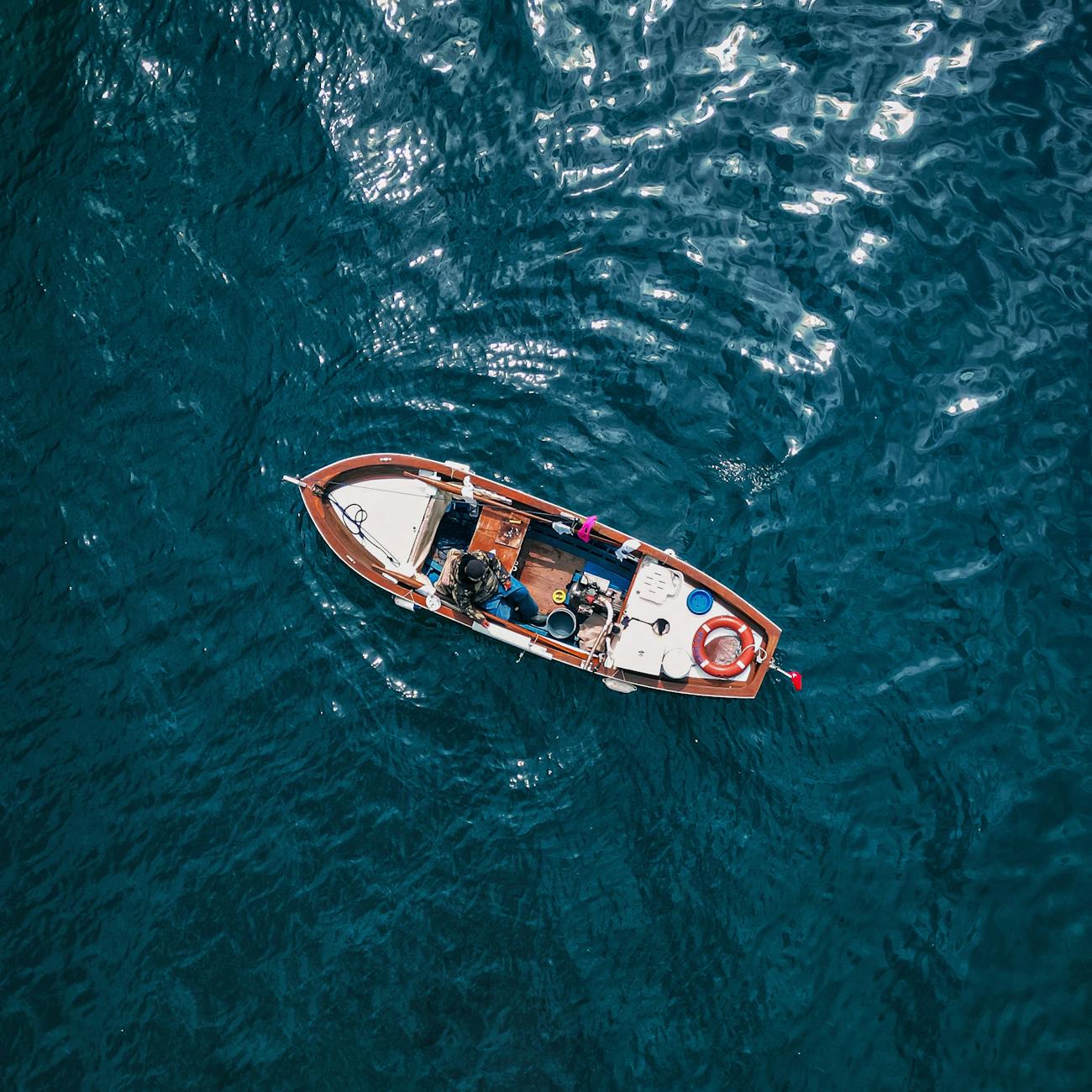
Oceanography and Marine Environmental Science are essential fields of study for those in the Postgraduate Certificate in Marine Navigation and Nautical Technology. These fields deal with the study of the ocean and its surrounding environment, including physical, chemical, and biological processes. Here are some key terms and vocabulary related to these fields:
1. Abiotic factors: Non-living components of the marine environment that affect living organisms, such as temperature, salinity, light, and nutrients. 2. Bioaccumulation: The buildup of harmful substances, such as heavy metals or pollutants, in the tissues of living organisms over time. 3. Biodiversity: The variety of different species, ecosystems, and genes in a given area. 4. Biological pump: The process by which organic matter produced in the surface ocean sinks to deeper waters, taking with it carbon dioxide and other nutrients. 5. Carbon cycle: The movement of carbon between the atmosphere, ocean, and living organisms. 6. Currents: Large-scale movements of water in the ocean, driven by winds, temperature differences, and other factors. 7. Dead zone: An area of the ocean where there is little or no oxygen, making it difficult for most marine life to survive. 8. Deep sea: The part of the ocean below 200 meters depth, characterized by high pressure, low temperatures, and limited light. 9. Estuary: A partially enclosed body of water where freshwater from rivers mixes with saltwater from the ocean. 10. Euphotic zone: The upper layer of the ocean that receives sufficient sunlight for photosynthesis to occur. 11. Food chain: A series of organisms that eat and are eaten by others in a linear sequence, with energy passing from one organism to the next. 12. Food web: A complex network of interconnected food chains, with multiple paths for energy to flow. 13. Gyre: A large, circular ocean current that circulates around a central point. 14. Hydrothermal vents: Cracks in the ocean floor where heated water from the Earth's mantle escapes, creating unique ecosystems that rely on chemosynthesis rather than photosynthesis. 15. Littoral zone: The area between the high tide and low tide lines, characterized by shifting sands and rocky shores. 16. Marine debris: Any human-made object that ends up in the ocean, including plastics, fishing gear, and other litter. 17. Marine protected area (MPA): A designated area of the ocean that is protected from human activities such as fishing, mining, or oil drilling. 18. Nekton: Swimming or floating organisms that can move independently of water currents, such as fish and marine mammals. 19. Nutrients: Chemicals such as nitrogen and phosphorus that are essential for the growth of living organisms. 20. Ocean acidification: The decrease in the pH of the ocean caused by the absorption of carbon dioxide from the atmosphere. 21. Ocean current: A continuous flow of water in the ocean, driven by winds, temperature differences, and other factors. 22. Photosynthesis: The process by which plants, algae, and some bacteria convert sunlight into chemical energy. 23. Plankton: Microscopic organisms that float or drift in the ocean, including both plants (phytoplankton) and animals (zooplankton). 24. Primary productivity: The rate at which plants, algae, and some bacteria produce organic matter through photosynthesis. 25. Red tide: A harmful algal bloom that can cause fish kills, respiratory problems in humans, and other environmental problems. 26. Seamount: An underwater mountain or hill, usually extinct volcanoes, that rises from the ocean floor. 27. Upwelling: The process by which deep, nutrient-rich water rises to the surface, often triggered by winds or currents. 28. Wave: A disturbance that moves through water, characterized by a rise and fall of the water surface.
Understanding these key terms and concepts is essential for those in the Postgraduate Certificate in Marine Navigation and Nautical Technology. For example, knowledge of ocean currents and gyres is crucial for understanding how ships navigate the open ocean. Understanding the biological pump is important for understanding the role of the ocean in the global carbon cycle. Knowing about marine debris and its impact on the ocean environment is important for developing strategies to reduce pollution and protect marine life.
One practical application of these concepts is in the design of marine protected areas. By understanding the distribution and movement of marine species and habitats, managers can design MPAs that protect important areas while allowing for sustainable use of ocean resources. For example, MPAs can be designed to protect critical feeding or breeding grounds for fish and other marine life, or to protect unique habitats such as coral reefs or seagrass meadows.
Another practical application is in the development of sustainable fishing practices. Understanding the life cycles and habitats of fish and other marine species is essential for developing sustainable fishing strategies that protect fish populations while allowing for sustainable harvest. For example, managers can use knowledge of fish migration patterns to set fishing seasons and catch limits that protect spawning stocks and allow populations to recover.
Challenges in Oceanography and Marine Environmental Science include the impacts of climate change, ocean acidification, and pollution on marine ecosystems. These challenges require ongoing research and monitoring to understand the impacts and develop strategies to mitigate or adapt to them. For example, research is ongoing to understand how ocean acidification is affecting shell-building animals such as corals and shellfish, and to develop strategies to reduce carbon dioxide emissions and promote ocean alkalinity.
In conclusion, understanding the key terms and concepts in Oceanography and Marine Environmental Science is essential for those in the Postgraduate Certificate in Marine Navigation and Nautical Technology. These concepts are not only important for understanding the ocean environment, but also for developing strategies to protect it and promote sustainable use of ocean resources. Practical applications of these concepts include the design of marine protected areas, the development of sustainable fishing practices, and the study of climate change, ocean acidification, and pollution. Challenges in these fields include ongoing research and monitoring to understand the impacts of these issues and develop strategies to mitigate or adapt to them.
Key takeaways
- Oceanography and Marine Environmental Science are essential fields of study for those in the Postgraduate Certificate in Marine Navigation and Nautical Technology.
- Hydrothermal vents: Cracks in the ocean floor where heated water from the Earth's mantle escapes, creating unique ecosystems that rely on chemosynthesis rather than photosynthesis.
- Knowing about marine debris and its impact on the ocean environment is important for developing strategies to reduce pollution and protect marine life.
- By understanding the distribution and movement of marine species and habitats, managers can design MPAs that protect important areas while allowing for sustainable use of ocean resources.
- Understanding the life cycles and habitats of fish and other marine species is essential for developing sustainable fishing strategies that protect fish populations while allowing for sustainable harvest.
- For example, research is ongoing to understand how ocean acidification is affecting shell-building animals such as corals and shellfish, and to develop strategies to reduce carbon dioxide emissions and promote ocean alkalinity.
- In conclusion, understanding the key terms and concepts in Oceanography and Marine Environmental Science is essential for those in the Postgraduate Certificate in Marine Navigation and Nautical Technology.