
Risk Management in Transportation
Risk Management in Transportation: Risk management is a crucial aspect of transportation logistics. It involves identifying, assessing, and prioritizing risks that could potentially impact the transportation of museum artifacts. By effectiv…
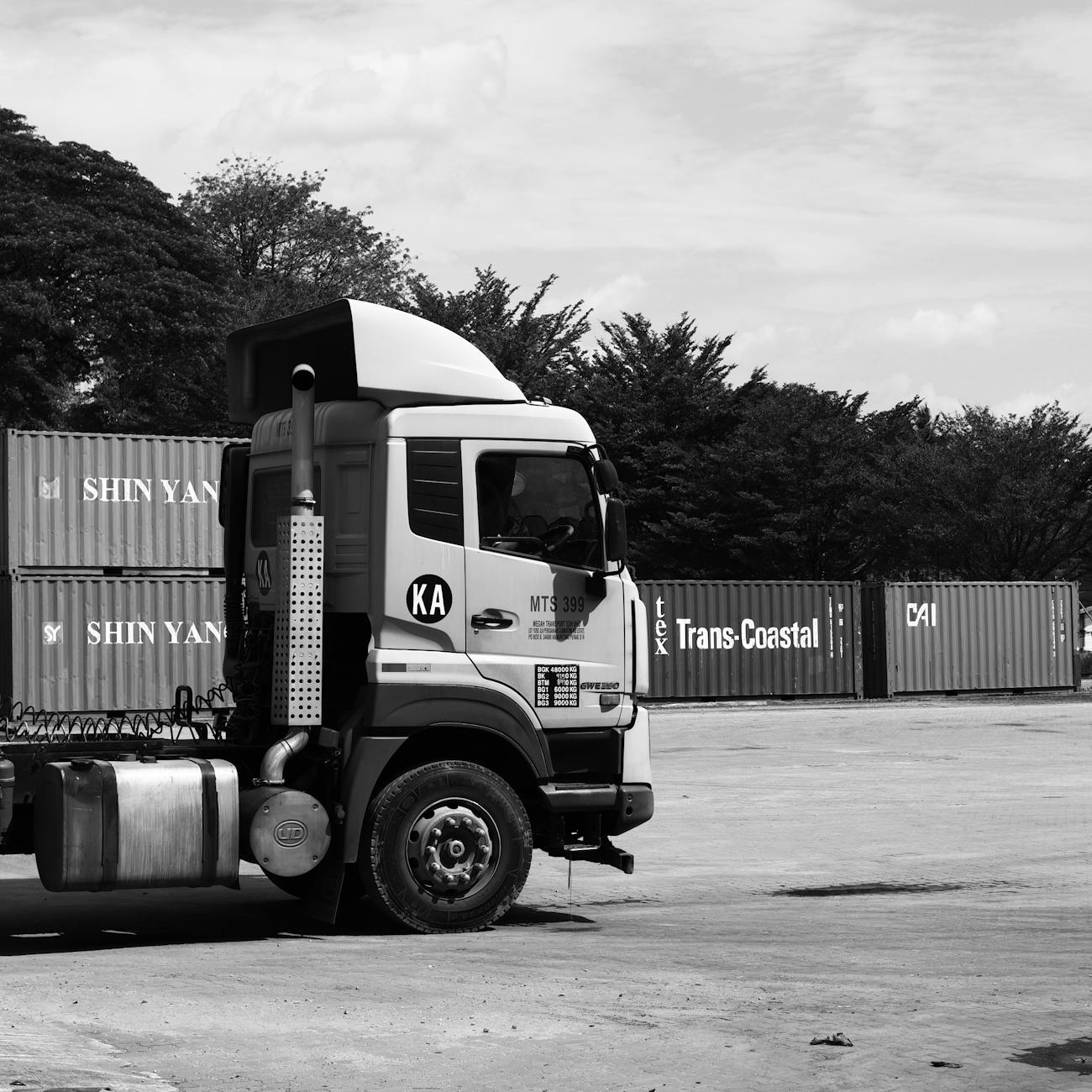
Risk Management in Transportation: Risk management is a crucial aspect of transportation logistics. It involves identifying, assessing, and prioritizing risks that could potentially impact the transportation of museum artifacts. By effectively managing risks, transportation professionals can minimize the likelihood of disruptions and ensure the safe and secure movement of valuable items.
Key Terms and Vocabulary:
1. Risk: Risk refers to the potential for loss, damage, or harm during the transportation process. Risks can be internal or external and may stem from various factors such as weather conditions, road accidents, theft, or mechanical failures.
2. Hazard: A hazard is a potential source of danger or harm that could lead to a risk. Hazards in transportation logistics can include unsafe road conditions, inadequate packaging of artifacts, or improper handling procedures.
3. Risk Assessment: Risk assessment is the process of evaluating the likelihood and impact of risks on transportation operations. It involves identifying potential risks, analyzing their consequences, and determining the best course of action to mitigate them.
4. Risk Mitigation: Risk mitigation involves implementing strategies to reduce or eliminate the impact of identified risks. This may include improving transportation protocols, enhancing security measures, or investing in specialized equipment to protect artifacts during transit.
5. Contingency Planning: Contingency planning involves developing alternative strategies to address unforeseen events or emergencies during transportation. Having a well-thought-out contingency plan can help transportation professionals respond effectively to disruptions and minimize their impact on museum artifacts.
6. Compliance: Compliance refers to the adherence to laws, regulations, and industry standards related to transportation safety and security. Transportation professionals must ensure that their operations comply with relevant guidelines to minimize risks and protect museum artifacts.
7. Insurance: Insurance is a crucial risk management tool that provides financial protection against potential losses or damages during transportation. Museum transportation logistics often involve specialized insurance policies to cover valuable artifacts in transit.
8. Chain of Custody: The chain of custody refers to the documented trail of responsibility for museum artifacts during transportation. Maintaining a clear chain of custody helps ensure accountability and security throughout the shipping process.
9. Vulnerability Assessment: Vulnerability assessment involves identifying weaknesses or gaps in transportation security that could be exploited by malicious actors. By conducting vulnerability assessments, transportation professionals can strengthen security measures and protect museum artifacts from potential threats.
10. Security Protocols: Security protocols are established procedures and measures designed to safeguard museum artifacts during transportation. These protocols may include background checks for personnel, surveillance systems, and secure packaging methods to prevent theft or damage.
11. Route Planning: Route planning is the process of determining the most efficient and secure path for transporting museum artifacts. Transportation professionals must consider factors such as road conditions, traffic patterns, and potential risks when planning routes to minimize disruptions.
12. Emergency Response: Emergency response involves having clear procedures in place to address unexpected events or crises during transportation. Transportation professionals must be prepared to respond quickly and effectively to emergencies to ensure the safety and security of museum artifacts.
13. Supply Chain Resilience: Supply chain resilience refers to the ability of transportation systems to withstand and recover from disruptions. Building resilience into transportation logistics can help minimize the impact of risks and ensure the continuous flow of museum artifacts.
14. Risk Communication: Risk communication involves sharing information about potential risks and mitigation strategies with relevant stakeholders. Effective risk communication is essential for ensuring transparency, collaboration, and coordination in transportation operations.
15. Data Analytics: Data analytics involves using data to identify trends, patterns, and potential risks in transportation operations. By leveraging data analytics tools, transportation professionals can make informed decisions to improve safety, efficiency, and risk management.
16. Due Diligence: Due diligence refers to the careful and thorough consideration of risks and compliance requirements in transportation logistics. Transportation professionals must exercise due diligence to ensure the safe and secure transportation of museum artifacts.
17. Cultural Property Protection: Cultural property protection involves measures to safeguard museum artifacts during transportation. These measures may include specialized packaging, temperature controls, and security escorts to prevent damage or theft of valuable cultural items.
18. Risk Register: A risk register is a document that records identified risks, their potential impact, and mitigation strategies. Maintaining a risk register helps transportation professionals track and manage risks throughout the transportation process.
19. Change Management: Change management involves adapting transportation processes and procedures to address evolving risks and challenges. Transportation professionals must be proactive in implementing changes to ensure the security and safety of museum artifacts.
20. Incident Reporting: Incident reporting involves documenting and analyzing transportation-related incidents, such as accidents, damages, or security breaches. By reporting incidents promptly and accurately, transportation professionals can learn from past experiences and improve risk management practices.
21. Cross-border Transportation: Cross-border transportation involves moving museum artifacts between different countries. Transportation professionals must navigate complex regulations, customs procedures, and security protocols to ensure the safe and compliant transit of artifacts across borders.
22. Environmental Risk Management: Environmental risk management involves assessing and mitigating risks related to environmental factors, such as weather conditions, natural disasters, or pollution. Transportation professionals must consider environmental risks to protect museum artifacts from potential harm.
23. Risk Culture: Risk culture refers to the attitudes, beliefs, and behaviors related to risk within an organization. Building a positive risk culture encourages open communication, proactive risk management, and a shared commitment to protecting museum artifacts during transportation.
24. Technology Integration: Technology integration involves incorporating cutting-edge tools and systems into transportation logistics to enhance safety, security, and efficiency. Technologies such as GPS tracking, RFID tagging, and real-time monitoring can help transportation professionals mitigate risks and ensure the successful transit of museum artifacts.
25. Cost-Benefit Analysis: Cost-benefit analysis involves evaluating the potential costs and benefits of risk management strategies in transportation. By conducting cost-benefit analyses, transportation professionals can make informed decisions about allocating resources to mitigate risks effectively while maximizing the value of museum artifacts.
26. Standard Operating Procedures (SOPs): Standard operating procedures are established guidelines and protocols for carrying out transportation tasks safely and efficiently. SOPs help ensure consistency, compliance, and risk management in museum transportation logistics.
27. Risk Appetite: Risk appetite refers to the level of risk that an organization is willing to accept in pursuit of its objectives. Understanding risk appetite helps transportation professionals align risk management strategies with organizational goals and priorities.
28. Performance Metrics: Performance metrics are measurable indicators used to assess the effectiveness of risk management efforts in transportation. Transportation professionals rely on performance metrics to track progress, identify areas for improvement, and demonstrate the value of risk management initiatives.
29. Training and Development: Training and development programs are essential for equipping transportation professionals with the knowledge and skills needed to manage risks effectively. Continuous training helps build a competent and resilient workforce capable of safeguarding museum artifacts during transportation.
30. Risk Transfer: Risk transfer involves shifting the financial burden of potential losses or damages to another party, such as an insurance provider. Risk transfer mechanisms help protect organizations from unforeseen risks and liabilities in transportation operations.
31. Crisis Management: Crisis management involves responding to and recovering from major disruptions or emergencies in transportation. Transportation professionals must have robust crisis management plans in place to minimize the impact of crises on museum artifacts and ensure swift recovery.
32. Ethical Considerations: Ethical considerations in transportation logistics involve upholding principles of integrity, transparency, and responsibility in the movement of museum artifacts. Transportation professionals must ethically navigate risks and challenges to protect the cultural heritage and value of artifacts in transit.
33. Stakeholder Engagement: Stakeholder engagement involves involving relevant parties, such as museum curators, security personnel, and government agencies, in risk management decisions and processes. Effective stakeholder engagement fosters collaboration, communication, and shared responsibility for the safe transportation of museum artifacts.
34. Risk Monitoring: Risk monitoring involves continuously assessing and tracking risks throughout the transportation process. By monitoring risks in real-time, transportation professionals can promptly respond to emerging threats and ensure the security and integrity of museum artifacts in transit.
35. Supply Chain Collaboration: Supply chain collaboration involves working closely with suppliers, carriers, and other partners to enhance risk management in transportation logistics. Collaboration enables information sharing, coordinated efforts, and mutual support to protect museum artifacts during transit.
36. Quality Control: Quality control measures ensure that transportation processes and procedures meet established standards and requirements. By implementing rigorous quality control practices, transportation professionals can mitigate risks, prevent errors, and maintain the integrity of museum artifacts during transit.
37. Risk Tolerance: Risk tolerance refers to the level of risk that an organization is willing to accept before taking action to mitigate it. Understanding risk tolerance helps transportation professionals make informed decisions about prioritizing risks and allocating resources to protect museum artifacts.
38. Resilience Planning: Resilience planning involves preparing for and adapting to disruptions or challenges in transportation logistics. By developing resilience plans, transportation professionals can anticipate risks, build contingency measures, and ensure the continuity of museum artifact transportation under adverse conditions.
39. Legal Compliance: Legal compliance involves adhering to laws, regulations, and industry standards governing transportation operations. Transportation professionals must ensure legal compliance to avoid penalties, liabilities, and reputational risks while safeguarding museum artifacts during transit.
40. Risk Reporting: Risk reporting involves communicating information about identified risks, mitigation strategies, and risk management outcomes to relevant stakeholders. Effective risk reporting promotes transparency, accountability, and informed decision-making in transportation operations.
41. Continuous Improvement: Continuous improvement involves evaluating and enhancing risk management practices over time to achieve better outcomes in transportation logistics. By embracing a culture of continuous improvement, transportation professionals can adapt to changing risks, innovate solutions, and optimize the transportation of museum artifacts.
42. Cybersecurity: Cybersecurity involves protecting transportation systems and data from cyber threats, such as hacking, malware, or data breaches. Transportation professionals must implement robust cybersecurity measures to safeguard sensitive information and prevent disruptions to museum artifact transportation.
43. Risk Response: Risk response involves selecting and implementing strategies to address identified risks in transportation logistics. Transportation professionals must choose appropriate risk response measures, such as risk avoidance, risk reduction, risk sharing, or risk acceptance, to protect museum artifacts effectively.
44. Remote Monitoring: Remote monitoring involves using technology to track and manage transportation operations from a distance. By implementing remote monitoring systems, transportation professionals can oversee the movement of museum artifacts in real-time, identify risks, and respond proactively to potential threats.
45. Asset Protection: Asset protection involves safeguarding valuable museum artifacts from risks, such as theft, damage, or loss, during transportation. Transportation professionals must prioritize asset protection measures to ensure the security and preservation of cultural heritage items in transit.
46. Risk Register: A risk register is a document that centralizes information about identified risks, their potential impact, likelihood, and mitigation strategies. Keeping a comprehensive risk register helps transportation professionals track, prioritize, and manage risks effectively in museum artifact transportation.
47. Risk Matrix: A risk matrix is a visual tool that categorizes risks based on their likelihood and impact, helping transportation professionals prioritize risk management efforts. By using a risk matrix, transportation professionals can focus on high-priority risks that pose the greatest threat to museum artifacts in transit.
48. Risk Appetite Statement: A risk appetite statement defines the level of risk that an organization is willing to accept in pursuit of its objectives. By articulating a clear risk appetite statement, transportation professionals can align risk management strategies with organizational goals and ensure the safe transportation of museum artifacts.
49. Risk Workshop: A risk workshop is a collaborative session where transportation professionals gather to identify, assess, and prioritize risks in museum artifact transportation. Conducting risk workshops fosters communication, engagement, and shared decision-making to enhance risk management practices.
50. Risk Scenario Analysis: Risk scenario analysis involves exploring potential future events and their impact on transportation operations. By conducting risk scenario analysis, transportation professionals can anticipate risks, develop contingency plans, and prepare for unforeseen challenges in the transportation of museum artifacts.
51. Risk Heat Map: A risk heat map is a visual representation of risks based on their likelihood and impact levels, helping transportation professionals identify and prioritize risks for mitigation. By using a risk heat map, transportation professionals can focus on addressing high-risk areas to protect museum artifacts effectively.
52. Risk Register Review: Risk register review involves regularly revisiting and updating the risk register to reflect changes in transportation operations and emerging risks. By conducting risk register reviews, transportation professionals can ensure that risk management efforts remain relevant, effective, and aligned with organizational objectives.
53. Risk Management Framework: A risk management framework is a structured approach that outlines processes, tools, and responsibilities for managing risks in transportation logistics. By following a risk management framework, transportation professionals can systematically identify, assess, and mitigate risks to protect museum artifacts during transit.
54. Risk Assessment Methodology: A risk assessment methodology is a systematic process for evaluating risks in transportation operations. By using a risk assessment methodology, transportation professionals can standardize risk evaluation, prioritize mitigation efforts, and ensure comprehensive risk management in museum artifact transportation.
55. Risk Communication Plan: A risk communication plan outlines how information about risks, mitigation strategies, and risk management outcomes will be shared with stakeholders. By developing a risk communication plan, transportation professionals can promote transparency, collaboration, and effective risk management in museum artifact transportation.
56. Risk Management Training: Risk management training provides transportation professionals with the knowledge and skills needed to identify, assess, and mitigate risks in museum artifact transportation. By investing in risk management training, organizations can build a competent workforce capable of safeguarding valuable cultural items during transit.
57. Risk Management Software: Risk management software is a digital tool that helps transportation professionals streamline risk assessment, mitigation, and monitoring processes. By using risk management software, transportation professionals can enhance efficiency, accuracy, and collaboration in managing risks in museum artifact transportation.
58. Risk Management Policy: A risk management policy outlines the principles, procedures, and responsibilities for managing risks in transportation operations. By establishing a risk management policy, organizations can create a structured framework for identifying, assessing, and mitigating risks to protect museum artifacts during transit.
59. Risk Management Plan: A risk management plan is a document that formalizes strategies, actions, and resources for managing risks in transportation logistics. By developing a risk management plan, transportation professionals can proactively address risks, enhance safety, and ensure the secure transportation of museum artifacts.
60. Risk Management Committee: A risk management committee is a group of stakeholders responsible for overseeing risk management efforts in transportation operations. By establishing a risk management committee, organizations can promote accountability, collaboration, and strategic decision-making to protect museum artifacts during transit.
These key terms and vocabulary provide a comprehensive overview of risk management in transportation for the Postgraduate Certificate in Museum Transportation Logistics. By understanding and applying these concepts, transportation professionals can effectively mitigate risks, protect valuable museum artifacts, and ensure the safe and secure transit of cultural heritage items.
Key takeaways
- By effectively managing risks, transportation professionals can minimize the likelihood of disruptions and ensure the safe and secure movement of valuable items.
- Risks can be internal or external and may stem from various factors such as weather conditions, road accidents, theft, or mechanical failures.
- Hazards in transportation logistics can include unsafe road conditions, inadequate packaging of artifacts, or improper handling procedures.
- Risk Assessment: Risk assessment is the process of evaluating the likelihood and impact of risks on transportation operations.
- This may include improving transportation protocols, enhancing security measures, or investing in specialized equipment to protect artifacts during transit.
- Having a well-thought-out contingency plan can help transportation professionals respond effectively to disruptions and minimize their impact on museum artifacts.
- Compliance: Compliance refers to the adherence to laws, regulations, and industry standards related to transportation safety and security.