
Transportation Management
Transportation Management in the context of museum logistics encompasses the planning, coordination, and execution of the movement of artifacts, artworks, and exhibition materials from one location to another. It involves a range of activit…
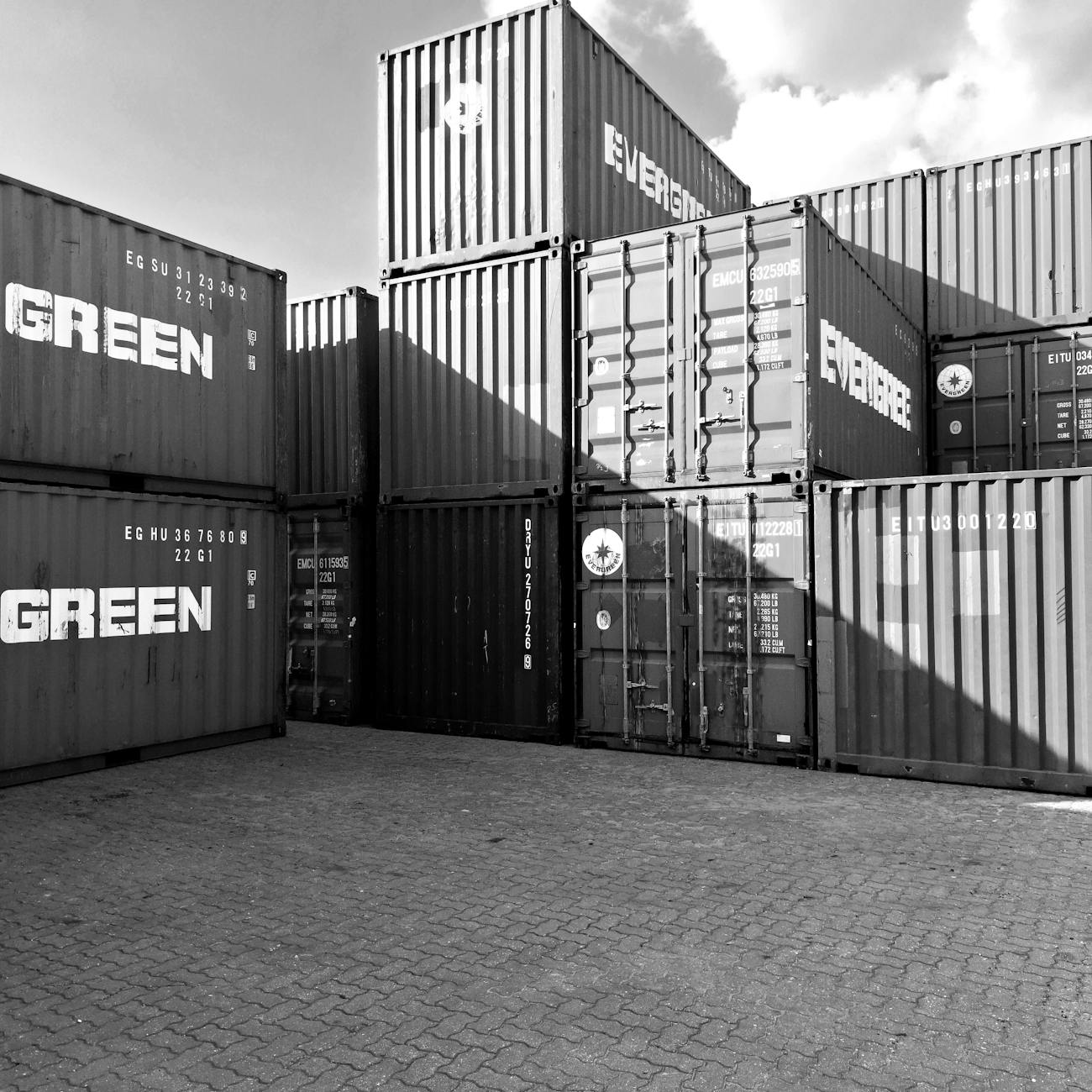
Transportation Management in the context of museum logistics encompasses the planning, coordination, and execution of the movement of artifacts, artworks, and exhibition materials from one location to another. It involves a range of activities, including selecting the most appropriate mode of transportation, ensuring the safe handling and packaging of items, managing customs and border regulations, and optimizing routes to minimize costs and delivery times.
Key Terms and Vocabulary:
1. Logistics: The process of planning, implementing, and controlling the flow of materials, goods, and information from the point of origin to the point of consumption to meet customer requirements.
2. Supply Chain Management: The management of the flow of goods and services, involving the movement and storage of raw materials, work-in-progress inventory, and finished goods from point of origin to point of consumption.
3. Transportation Modes: The different methods of transportation available for moving goods, including road transport, rail transport, air transport, and sea transport.
4. Freight: Goods or cargo transported by land, air, or sea.
5. Freight Forwarder: A company or individual that organizes shipments for individuals or corporations to get goods from the manufacturer to a market, customer, or final point of distribution.
6. Carrier: A company that transports goods or people.
7. Route Optimization: The process of finding the most efficient route for transporting goods to reduce costs and delivery times.
8. Intermodal Transportation: The use of multiple modes of transportation (such as rail, road, sea, and air) to move goods from origin to destination.
9. Customs Clearance: The process of passing goods through customs so they can enter or leave a country legally.
10. Warehousing: The storage of goods in a warehouse to facilitate their movement and distribution.
11. Inventory Management: The process of managing the storage, supply, and distribution of goods to ensure they are available when needed.
12. Transportation Broker: An individual or company that arranges transportation services for goods on behalf of shippers.
13. Last Mile Delivery: The final stage of the delivery process where goods are transported from a distribution center to the end customer.
14. Reverse Logistics: The process of moving goods from their final destination back to the manufacturer or supplier for recycling, remanufacturing, or disposal.
15. Incoterms: International commercial terms that define the responsibilities of buyers and sellers for the delivery of goods under sales contracts.
16. Supply Chain Visibility: The ability to track goods throughout the supply chain to provide real-time information on their location and status.
17. Transportation Management System (TMS): A software solution that helps organizations manage and optimize their transportation operations.
18. Just-In-Time (JIT) Delivery: A strategy aimed at reducing inventory carrying costs by having materials delivered only when needed in the production process.
19. Load Planning: The process of optimizing the loading of goods onto transportation vehicles to maximize efficiency and minimize costs.
20. Driver Management: The process of managing and scheduling drivers to ensure timely and efficient transportation of goods.
21. Routing and Scheduling: The process of determining the best routes and schedules for transporting goods to their destination.
22. Transportation Safety: The practices and procedures put in place to ensure the safe transportation of goods and materials.
23. Fuel Management: The management of fuel consumption and costs associated with transportation operations.
24. Compliance: The adherence to regulations and laws governing transportation operations, including safety, environmental, and customs regulations.
25. Capacity Planning: The process of determining the capacity requirements for transporting goods to meet demand.
Practical Applications:
Transportation management plays a crucial role in the logistics operations of museums and galleries, where the movement of priceless artifacts and artworks requires careful planning and execution. For example, when a museum is loaning a collection to another institution for an exhibition, transportation management is essential to ensure the safe and timely delivery of the items. This involves coordinating with freight forwarders, carriers, and customs authorities to navigate the logistics of moving valuable and delicate pieces across borders.
Another practical application of transportation management in the museum sector is during the relocation of collections due to renovations or expansions. In such cases, transportation managers must plan the movement of artifacts from one location to another, taking into account the unique requirements of each item, such as temperature control, security, and handling protocols. This may involve using specialized transport vehicles, such as climate-controlled trucks or art shipping containers, to ensure the safety and preservation of the collection during transit.
Challenges:
One of the key challenges in transportation management for museums is the need to balance the requirements of preserving delicate artifacts with the practicalities of moving them from one location to another. This often involves finding innovative solutions to protect items during transit, such as custom packaging, shock-absorbing materials, and climate-controlled environments. Additionally, navigating international customs regulations and import/export restrictions can present logistical hurdles that require careful planning and coordination.
Another challenge in museum transportation logistics is the high level of coordination required between multiple stakeholders, including museum staff, transportation providers, customs officials, and exhibition organizers. Effective communication and collaboration are essential to ensure that all parties are aligned on the logistics of moving artifacts, from packing and loading to delivery and installation. Failure to coordinate effectively can result in delays, damage to items, or even legal issues related to customs clearance and compliance.
In conclusion, transportation management is a critical function in the field of museum logistics, where the safe and efficient movement of artifacts and artworks is essential to the success of exhibitions, collections, and cultural exchanges. By understanding key terms and concepts related to transportation management, museum professionals can better plan, coordinate, and execute the movement of valuable items with precision and care.
Key takeaways
- Transportation Management in the context of museum logistics encompasses the planning, coordination, and execution of the movement of artifacts, artworks, and exhibition materials from one location to another.
- Logistics: The process of planning, implementing, and controlling the flow of materials, goods, and information from the point of origin to the point of consumption to meet customer requirements.
- Supply Chain Management: The management of the flow of goods and services, involving the movement and storage of raw materials, work-in-progress inventory, and finished goods from point of origin to point of consumption.
- Transportation Modes: The different methods of transportation available for moving goods, including road transport, rail transport, air transport, and sea transport.
- Freight: Goods or cargo transported by land, air, or sea.
- Freight Forwarder: A company or individual that organizes shipments for individuals or corporations to get goods from the manufacturer to a market, customer, or final point of distribution.
- Carrier: A company that transports goods or people.