
Collections Care and Handling
Collections Care and Handling: Collections care and handling refer to the practices, procedures, and policies that museums and cultural institutions put in place to preserve, protect, and manage their collections. This includes the physical…
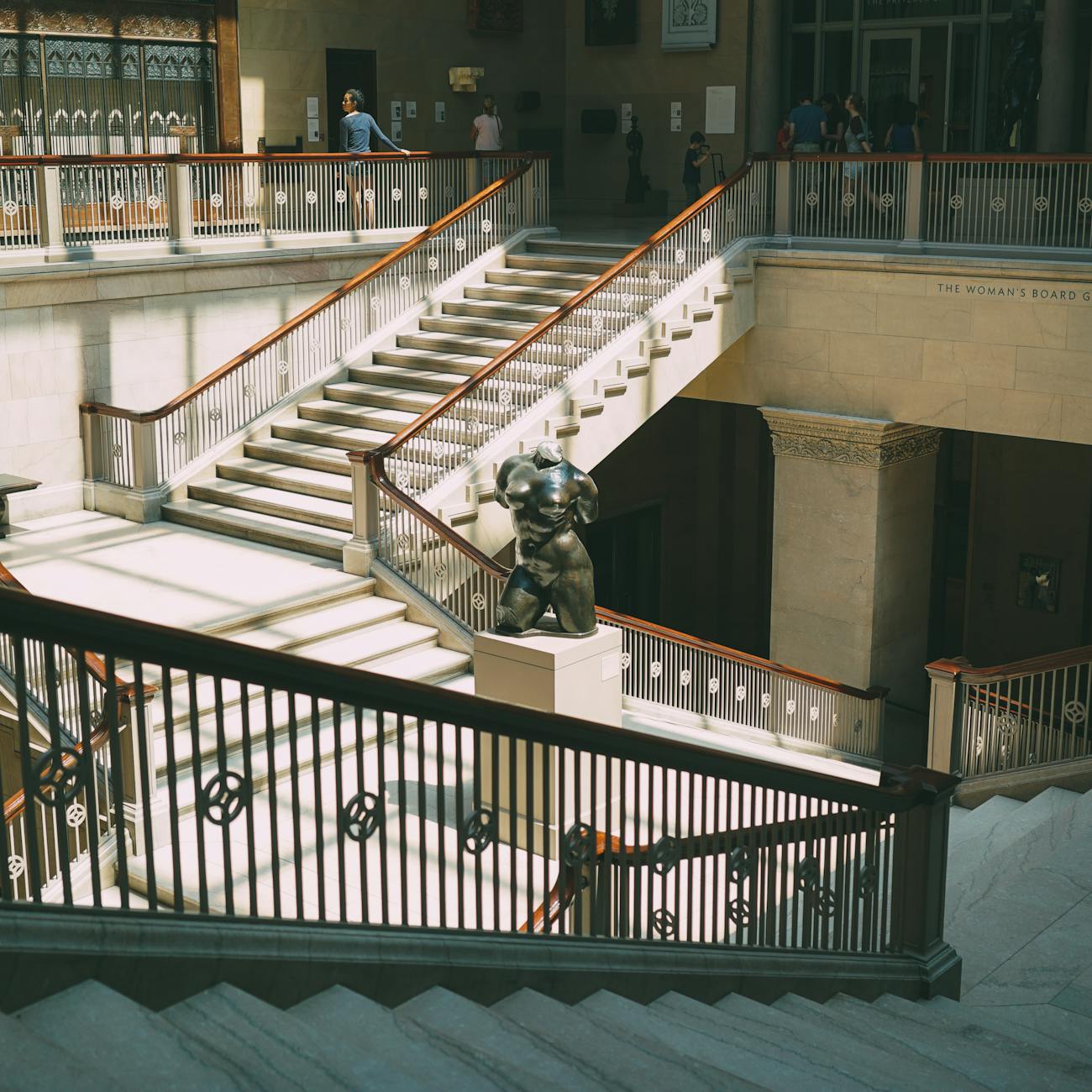
Collections Care and Handling: Collections care and handling refer to the practices, procedures, and policies that museums and cultural institutions put in place to preserve, protect, and manage their collections. This includes the physical care of objects, preventive conservation measures, environmental controls, and safe handling procedures to prevent damage and deterioration of artifacts.
Museum Transportation Logistics: Museum transportation logistics involves the planning, coordination, and execution of the movement of objects within and between museums or cultural institutions. This includes the packing, shipping, and installation of artifacts, as well as the management of transportation vendors and logistics providers to ensure the safe and secure transport of collections.
Collections Management: Collections management encompasses all activities related to the acquisition, documentation, preservation, and access to museum collections. This includes cataloging objects, managing databases, tracking object locations, and ensuring the proper storage and care of artifacts.
Preventive Conservation: Preventive conservation focuses on minimizing risks and preventing damage to museum collections through environmental controls, proper handling procedures, integrated pest management, and disaster planning. By implementing preventive conservation measures, museums can prolong the lifespan of their collections and reduce the need for costly conservation treatments.
Environmental Controls: Environmental controls involve monitoring and regulating temperature, humidity, light levels, and pollution in museum spaces to create stable conditions that are conducive to the long-term preservation of artifacts. By controlling environmental factors, museums can mitigate the risks of deterioration and damage to their collections.
Artifact: An artifact is an object of historical, cultural, scientific, or artistic significance that is preserved and displayed in museums or cultural institutions. Artifacts can range from archaeological finds and artworks to historical documents and natural history specimens.
Conservation: Conservation refers to the professional practice of preserving, restoring, and protecting cultural heritage objects to ensure their longevity and integrity. Conservators use scientific methods and ethical guidelines to stabilize and repair damaged artifacts while maintaining their authenticity and historical value.
Cataloging: Cataloging involves the process of documenting and describing museum collections in a systematic and organized manner. This includes recording information such as object name, description, dimensions, materials, provenance, and condition to create a comprehensive record of each artifact in the collection.
Database Management: Database management refers to the organization, maintenance, and updating of digital databases that store information about museum collections. This includes managing object records, images, and metadata to facilitate research, exhibition planning, and collection management activities.
Packing and Crating: Packing and crating are essential aspects of museum transportation logistics that involve the careful wrapping, cushioning, and securing of artifacts in custom-made containers for safe transportation. Proper packing and crating techniques help protect objects from damage during handling and shipping.
Handling Procedures: Handling procedures outline the best practices for safely moving, lifting, and transporting museum objects to prevent accidents, injuries, and damage. Museum staff and contractors must be trained in proper handling techniques to minimize the risks of mishandling artifacts.
Risk Assessment: Risk assessment involves identifying potential threats and vulnerabilities to museum collections, such as environmental hazards, security risks, and handling errors. By conducting risk assessments, museums can develop strategies to mitigate risks and safeguard their collections.
Integrated Pest Management: Integrated pest management is a proactive approach to controlling and preventing pest infestations in museum spaces. This involves monitoring for pests, implementing preventive measures, and using targeted treatments to eradicate pests while minimizing the use of chemicals that could harm collections.
Disaster Planning: Disaster planning involves developing comprehensive strategies and protocols to prepare for and respond to emergencies, such as fires, floods, earthquakes, or other disasters that could threaten museum collections. By creating disaster plans, museums can minimize the impact of emergencies on their collections and facilitate a swift recovery process.
Security Measures: Security measures include physical and procedural safeguards implemented to protect museum collections from theft, vandalism, or unauthorized access. This may include installing security systems, restricting access to storage areas, and implementing inventory controls to ensure the safety and security of artifacts.
Exhibition Planning: Exhibition planning involves the process of conceptualizing, designing, and organizing museum exhibitions to showcase collections and engage audiences. This includes selecting objects, designing display layouts, writing labels, and coordinating installation and deinstallation activities.
Loan Agreements: Loan agreements are legal contracts that govern the temporary transfer of objects between museums, galleries, or other cultural institutions for exhibition or research purposes. These agreements outline the terms and conditions of the loan, including insurance, handling, and display requirements.
Collections Policy: A collections policy is a document that outlines the mission, scope, and procedures for managing museum collections. This document guides decision-making related to acquisitions, deaccessions, conservation, and access to collections, ensuring that collections are managed ethically and in accordance with professional standards.
Deaccessioning: Deaccessioning is the process of removing objects from a museum's collection, typically through sale, transfer, or disposal. Museums must follow strict ethical guidelines and legal procedures when deaccessioning objects to ensure transparency, accountability, and responsible stewardship of collections.
Provenance: Provenance refers to the history of ownership, custody, and transfer of an object from its creation to the present day. Establishing provenance is essential for verifying the authenticity, legality, and cultural significance of artifacts, particularly in cases of disputed ownership or looted cultural property.
Authentication: Authentication is the process of verifying the origin, authorship, and authenticity of an object through scientific analysis, expert evaluation, and historical research. Authenticating artifacts is crucial for establishing their value, provenance, and cultural significance in museum collections.
Repatriation: Repatriation is the return of cultural heritage objects to their country of origin, indigenous communities, or rightful owners. Repatriation efforts aim to address historical injustices, promote cultural restitution, and strengthen relationships between museums and source communities.
Digitization: Digitization involves converting physical objects, documents, and images into digital formats for preservation, access, and research purposes. Museums use digitization technologies to create virtual collections, online exhibits, and digital archives that enhance public engagement and expand access to cultural heritage.
Accessibility: Accessibility in museums refers to providing inclusive and equitable access to collections, exhibitions, and programs for visitors of all abilities and backgrounds. Museums strive to create barrier-free environments, offer resources for diverse audiences, and promote cultural diversity and inclusion in their programming.
Community Engagement: Community engagement involves building relationships with local communities, stakeholders, and partners to foster collaboration, participation, and dialogue around museum collections and programs. Museums work to involve diverse voices, perspectives, and experiences in their decision-making and outreach activities.
Professional Ethics: Professional ethics in museums encompass the values, principles, and standards that guide the conduct and responsibilities of museum staff, trustees, and volunteers. Ethical guidelines promote transparency, accountability, and integrity in all aspects of collections care, management, and public engagement.
Legal Compliance: Legal compliance in museums refers to adhering to local, national, and international laws, regulations, and ethical codes that govern the acquisition, care, and use of cultural heritage objects. Museums must comply with legal requirements related to provenance, intellectual property rights, and repatriation of cultural property.
Financial Sustainability: Financial sustainability involves developing and implementing strategies to secure funding, generate revenue, and manage expenses to support museum operations, programs, and collections. Museums must maintain financial stability to ensure long-term preservation and accessibility of cultural heritage for future generations.
Key takeaways
- Collections Care and Handling: Collections care and handling refer to the practices, procedures, and policies that museums and cultural institutions put in place to preserve, protect, and manage their collections.
- Museum Transportation Logistics: Museum transportation logistics involves the planning, coordination, and execution of the movement of objects within and between museums or cultural institutions.
- Collections Management: Collections management encompasses all activities related to the acquisition, documentation, preservation, and access to museum collections.
- Preventive Conservation: Preventive conservation focuses on minimizing risks and preventing damage to museum collections through environmental controls, proper handling procedures, integrated pest management, and disaster planning.
- By controlling environmental factors, museums can mitigate the risks of deterioration and damage to their collections.
- Artifact: An artifact is an object of historical, cultural, scientific, or artistic significance that is preserved and displayed in museums or cultural institutions.
- Conservation: Conservation refers to the professional practice of preserving, restoring, and protecting cultural heritage objects to ensure their longevity and integrity.