
Aquarium Livestock Selection
Aquarium Livestock Selection:
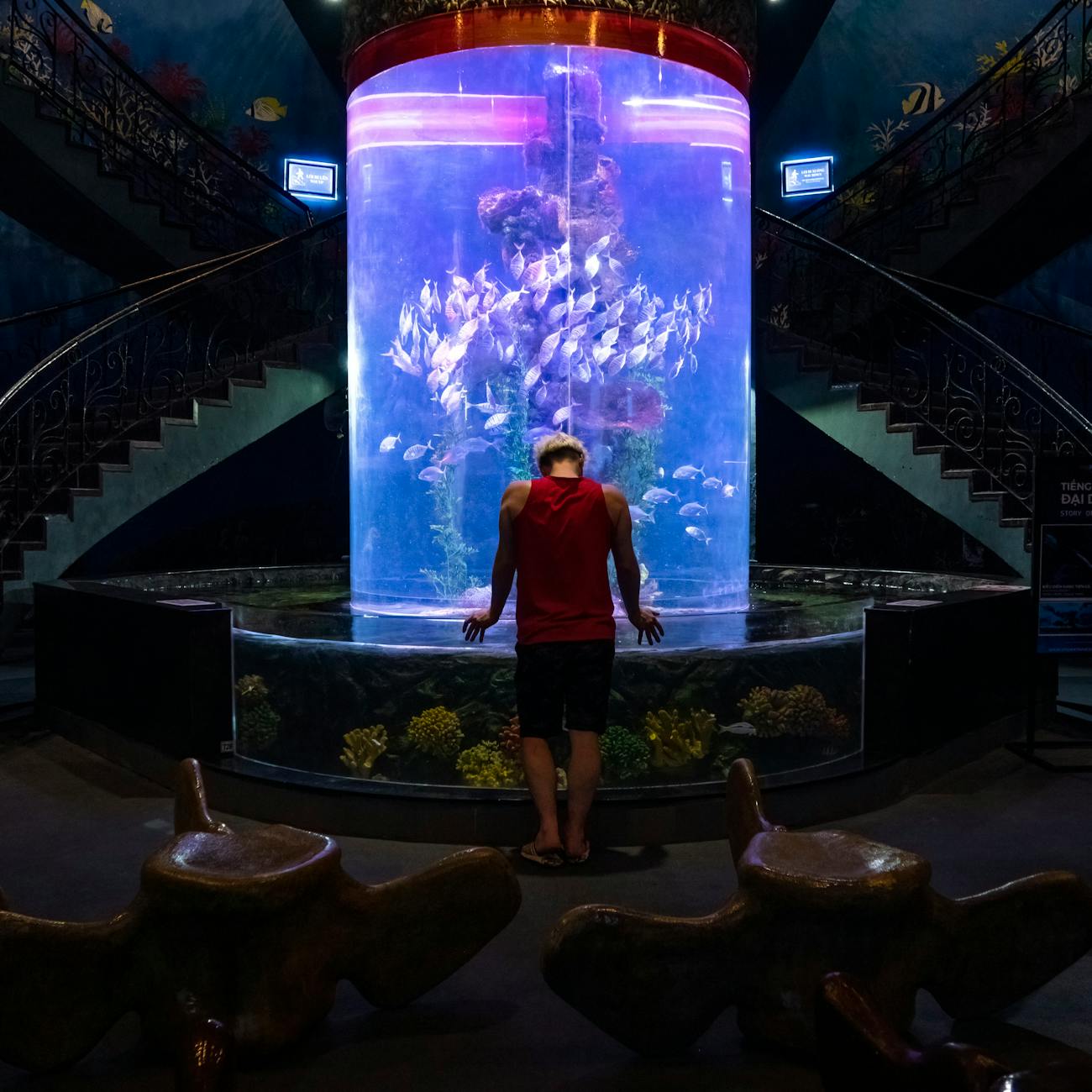
Aquarium Livestock Selection:
Selecting the right livestock for your aquarium is one of the most critical aspects of maintaining a healthy and thriving aquatic environment. Making informed decisions about which species to introduce can impact the overall well-being of your tank, as well as the compatibility and behavior of the inhabitants. In this section, we will explore key terms and vocabulary essential for Aquarium Livestock Selection.
1. **Compatibility**: Compatibility refers to the ability of different species to coexist peacefully in the same aquarium. When selecting livestock for your tank, it is crucial to consider the compatibility of the species with each other in terms of behavior, size, diet, and water parameters. For example, aggressive fish may not be compatible with peaceful species, and certain fish may require specific water conditions that differ from others in the tank.
2. **Bioload**: Bioload is the total amount of waste produced by the inhabitants of an aquarium. This waste includes fish waste, uneaten food, and decaying plant matter. When selecting livestock, it is essential to consider the bioload of each species to ensure that the filtration system can handle the waste produced. Overstocking a tank can lead to poor water quality and health issues for the inhabitants.
3. **Water Parameters**: Water parameters are the chemical and physical characteristics of the water in an aquarium. These parameters include pH, temperature, ammonia, nitrite, nitrate levels, and hardness. Different species of fish and other aquatic organisms have specific water parameter requirements, so it is crucial to select livestock that can thrive in the conditions provided by your tank.
4. **Aggression**: Aggression in fish refers to the behavior of individuals towards other tank mates. Some species are naturally more aggressive than others and may exhibit territorial or predatory behaviors. When selecting livestock, it is essential to consider the aggression levels of each species to avoid conflicts and ensure a harmonious community in the aquarium.
5. **Diet**: Diet refers to the food requirements of different species of fish and other aquatic organisms. Some species are herbivores, feeding primarily on plant matter, while others are carnivores or omnivores. It is essential to provide a balanced diet for the inhabitants of your tank and select livestock that have similar dietary needs to prevent malnutrition or overfeeding.
6. **Schooling/Shoaling**: Schooling and shoaling are behaviors exhibited by certain species of fish, where they swim together in a group for protection and social interaction. Some species require the company of their own kind to feel secure and exhibit natural behaviors. When selecting livestock, it is crucial to consider whether a species is a schooling or shoaling fish and provide an appropriate group size to meet their social needs.
7. **Invertebrates**: Invertebrates are animals without a backbone, such as snails, shrimp, crabs, and corals. Invertebrates can be valuable additions to an aquarium, providing cleaning services, algae control, and interesting visual appeal. When selecting invertebrates, it is essential to consider their compatibility with other tank inhabitants and their specific care requirements.
8. **Live Rock**: Live rock is a porous, calcium carbonate structure often used in saltwater aquariums to provide biological filtration and habitat for beneficial bacteria, algae, and invertebrates. Live rock can help maintain water quality and support a diverse ecosystem within the tank. When selecting live rock, it is essential to ensure that it is properly cured and free of pests or diseases.
9. **Coral**: Corals are marine invertebrates that form the foundation of coral reefs. In the aquarium hobby, corals are prized for their vibrant colors, unique shapes, and symbiotic relationships with photosynthetic algae. When selecting coral for your tank, it is crucial to consider their lighting, flow, and water quality requirements to ensure their health and growth.
10. **Quarantine**: Quarantine is the practice of isolating new additions to an aquarium for a period of time to monitor their health and prevent the spread of diseases or parasites to the existing inhabitants. Quarantine tanks are essential for reducing the risk of introducing pathogens into the main display tank. When selecting new livestock, it is crucial to quarantine them before introducing them to the primary aquarium.
11. **Breeding**: Breeding refers to the reproduction of fish and other aquatic organisms in captivity. Breeding can be a rewarding aspect of the aquarium hobby, allowing enthusiasts to witness the natural behaviors of their livestock and potentially contribute to conservation efforts. When selecting species for breeding, it is essential to consider their requirements for spawning, parental care, and fry rearing.
12. **Rare/Endangered Species**: Rare and endangered species are organisms that are at risk of extinction in the wild due to habitat loss, overfishing, pollution, or other threats. In the aquarium hobby, there is a growing interest in conserving and breeding rare and endangered species to help preserve their genetic diversity and prevent their disappearance from the wild. When selecting livestock, it is crucial to consider the conservation status of the species and support sustainable practices.
13. **Collecting Methods**: Collecting methods refer to the techniques used to capture and transport wild-caught fish and invertebrates for the aquarium trade. Sustainable collecting methods, such as hand-netting and trap fishing, help minimize stress and damage to the organisms and their habitats. When selecting livestock, it is essential to choose specimens that have been ethically sourced to support conservation efforts and reduce environmental impact.
14. **Disease**: Disease is a common challenge in the aquarium hobby, caused by pathogens such as bacteria, viruses, fungi, and parasites. Poor water quality, stress, and overcrowding can weaken the immune systems of aquarium inhabitants, making them more susceptible to infections. When selecting livestock, it is crucial to quarantine new additions, maintain excellent water quality, and observe the behavior and health of the inhabitants to detect and treat diseases promptly.
15. **Acclimation**: Acclimation is the process of gradually adjusting new livestock to the water parameters, temperature, and environment of an aquarium. Sudden changes in water chemistry or temperature can stress and harm the inhabitants, so it is essential to acclimate new additions slowly to prevent shock. When selecting livestock, it is crucial to follow proper acclimation procedures to ensure the health and well-being of the organisms.
In conclusion, Aquarium Livestock Selection involves considering a wide range of factors, including compatibility, bioload, water parameters, aggression, diet, schooling/shoaling behavior, invertebrates, live rock, coral, quarantine, breeding, rare/endangered species, collecting methods, disease, and acclimation. By understanding these key terms and vocabulary, aquarists can make informed decisions when selecting livestock for their tanks, creating a balanced and thriving aquatic ecosystem.
Key takeaways
- Making informed decisions about which species to introduce can impact the overall well-being of your tank, as well as the compatibility and behavior of the inhabitants.
- When selecting livestock for your tank, it is crucial to consider the compatibility of the species with each other in terms of behavior, size, diet, and water parameters.
- When selecting livestock, it is essential to consider the bioload of each species to ensure that the filtration system can handle the waste produced.
- Different species of fish and other aquatic organisms have specific water parameter requirements, so it is crucial to select livestock that can thrive in the conditions provided by your tank.
- When selecting livestock, it is essential to consider the aggression levels of each species to avoid conflicts and ensure a harmonious community in the aquarium.
- It is essential to provide a balanced diet for the inhabitants of your tank and select livestock that have similar dietary needs to prevent malnutrition or overfeeding.
- **Schooling/Shoaling**: Schooling and shoaling are behaviors exhibited by certain species of fish, where they swim together in a group for protection and social interaction.