
Aquarium Plant Care
Aquarium Plant Care is a crucial aspect of maintaining a healthy and thriving aquatic environment for your fish. Proper care of aquarium plants not only enhances the visual appeal of your tank but also provides numerous benefits such as oxy…
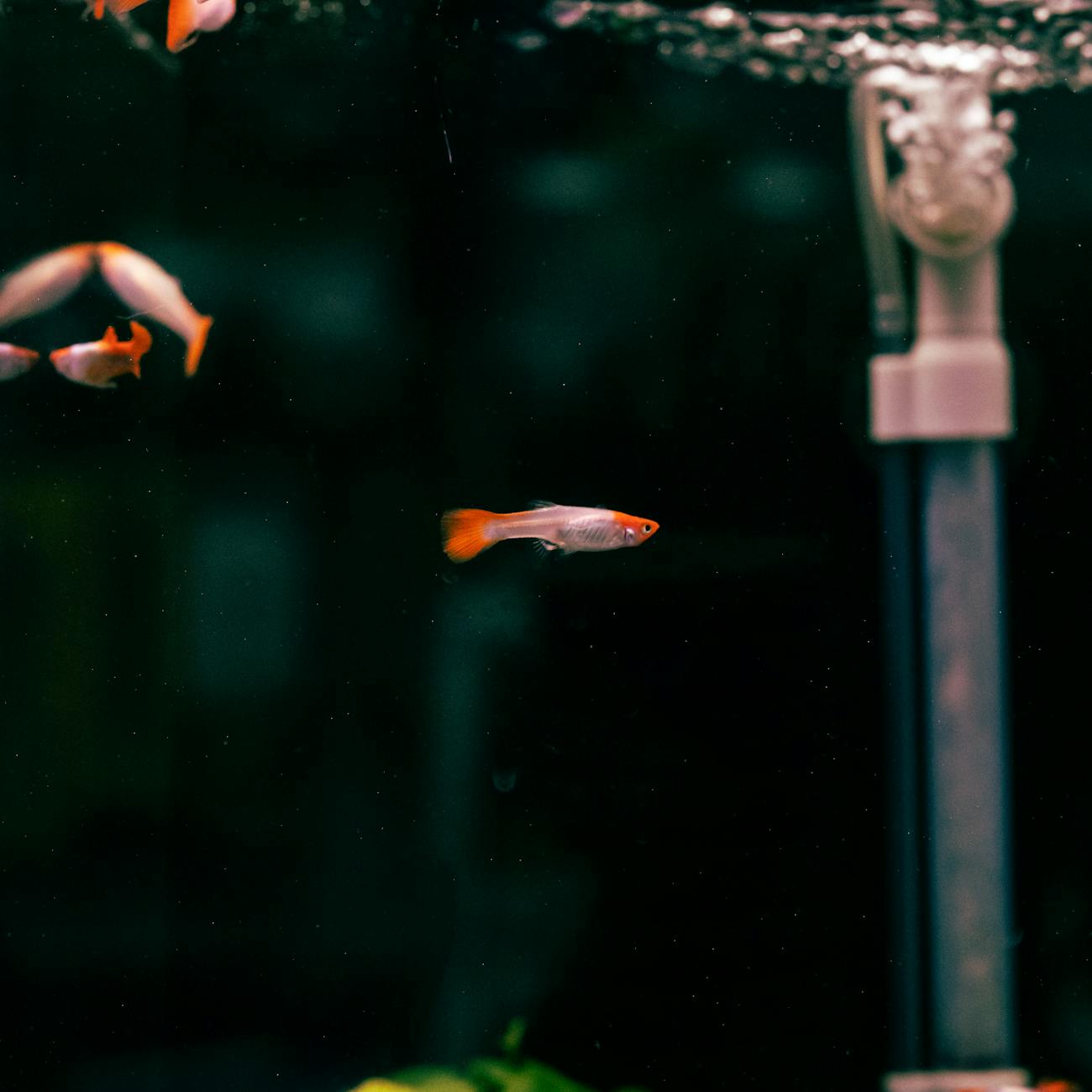
Aquarium Plant Care is a crucial aspect of maintaining a healthy and thriving aquatic environment for your fish. Proper care of aquarium plants not only enhances the visual appeal of your tank but also provides numerous benefits such as oxygenation, natural filtration, and shelter for fish and other aquatic inhabitants. In this course, we will explore key terms and vocabulary related to Aquarium Plant Care to help you become a successful aquarist.
1. **Substrate**: The substrate is the material at the bottom of the aquarium where plants root and spread. It provides nutrients to the plants and anchors them in place. Common substrates include gravel, sand, and specialized plant substrates.
2. **Nutrients**: Nutrients are essential elements required by plants for growth and development. These include macronutrients such as nitrogen, phosphorus, and potassium, as well as micronutrients like iron, magnesium, and calcium. It is crucial to provide plants with the right balance of nutrients for healthy growth.
3. **Lighting**: Lighting plays a vital role in the photosynthesis process of plants. It is essential to provide adequate light for the plants to thrive. Different types of aquarium plants have varying light requirements, so it is important to research the lighting needs of each plant species in your tank.
4. **CO2**: Carbon dioxide (CO2) is another essential component for photosynthesis. It is absorbed by plants during the process of photosynthesis to produce oxygen and glucose. Some aquarists supplement CO2 in their tanks to promote plant growth, especially in heavily planted aquariums.
5. **Aquascaping**: Aquascaping is the art of arranging aquatic plants, rocks, driftwood, and other elements in an aquarium to create a visually appealing underwater landscape. It involves design principles such as balance, focal points, and contrast to create a harmonious and natural-looking environment.
6. **Fertilization**: Fertilization involves adding nutrients to the aquarium to supplement those naturally available in the water and substrate. This can be done through liquid fertilizers, root tabs, or substrate additives. Proper fertilization ensures that plants have access to all the essential nutrients they need to grow.
7. **Pruning**: Pruning is the process of trimming and removing excess growth from aquarium plants. It helps maintain the shape and size of the plants, prevents overcrowding, and encourages new growth. Regular pruning is essential to keep your plants healthy and vibrant.
8. **Algae**: Algae are a common nuisance in aquariums that can compete with plants for nutrients and light. Controlling algae growth is essential for the health of your plants and overall tank ecosystem. Strategies for algae control include proper lighting, nutrient balance, and regular maintenance.
9. **Plant Propagation**: Plant propagation is the process of growing new plants from existing ones. This can be done through methods such as cutting, division, or tissue culture. Propagating plants allows you to expand your collection, fill in empty spaces in your aquascape, or share plants with other aquarists.
10. **Emersed vs. Submersed Growth**: Some aquarium plants can grow either emersed (above water) or submersed (underwater). Understanding the growth habits of plants is essential for proper care and maintenance. Emersed plants may require different conditions than submersed plants, such as humidity levels and lighting.
11. **Dosing Regimen**: A dosing regimen refers to a schedule for adding fertilizers, CO2, and other supplements to your aquarium. Consistency is key when dosing your tank to ensure that plants receive a steady supply of nutrients for healthy growth. Monitoring and adjusting your dosing regimen based on plant growth and water parameters is crucial.
12. **pH and Water Hardness**: pH and water hardness levels can impact the health and growth of aquarium plants. Different plant species have varying preferences for pH and water hardness, so it is essential to research the requirements of your plants. Maintaining stable water parameters is crucial for the well-being of your plants.
13. **Plant Deficiencies**: Plant deficiencies occur when plants lack essential nutrients needed for growth. Common deficiencies include yellowing leaves (nitrogen deficiency), stunted growth (phosphorus deficiency), and leaf curling (potassium deficiency). Identifying and addressing deficiencies promptly is crucial for plant health.
14. **Plant Selection**: Choosing the right plants for your aquarium is essential for successful plant care. Consider factors such as lighting requirements, growth habits, and compatibility with your tank's inhabitants. Mixing foreground, midground, and background plants can create a visually appealing and balanced aquascape.
15. **Rooting and Anchoring**: Proper rooting and anchoring of plants are crucial for their stability and growth. Ensure that plants are securely planted in the substrate to prevent them from floating or uprooting. Use plant weights, anchors, or plant-friendly substrates to help plants establish roots and thrive.
16. **Oxygenation**: Aquarium plants play a vital role in oxygenating the water through photosynthesis. They absorb carbon dioxide and release oxygen, helping maintain a healthy balance of gases in the tank. Adequate plant growth and oxygenation are essential for the well-being of fish and other aquatic inhabitants.
17. **Temperature and Water Flow**: Temperature and water flow affect plant growth and health in the aquarium. Most aquarium plants thrive in temperatures between 72-82°F (22-28°C) and require gentle water flow to distribute nutrients and oxygen. Ensure that your plants are not subjected to extreme temperatures or stagnant water conditions.
18. **Aquarium Plant Pests**: Pests such as snails, algae, and parasites can damage aquarium plants and disrupt the ecosystem. Monitoring your plants regularly for signs of pests and taking preventive measures can help prevent infestations. Quarantining new plants and maintaining good tank hygiene can reduce the risk of pest outbreaks.
19. **Aquarium Plant Diseases**: Like any living organisms, aquarium plants are susceptible to diseases caused by bacteria, fungi, and viruses. Symptoms of plant diseases include yellowing leaves, rotting stems, and stunted growth. Quarantining affected plants, maintaining water quality, and avoiding overcrowding can help prevent the spread of diseases.
20. **Challenges of Aquarium Plant Care**: Aquarium Plant Care can be rewarding but also challenging, especially for beginners. Common challenges include algae outbreaks, nutrient deficiencies, and plant melt. Overcoming these challenges requires patience, research, and regular maintenance to create a healthy and thriving aquatic environment.
By familiarizing yourself with these key terms and vocabulary for Aquarium Plant Care, you will be better equipped to care for your aquatic plants and create a beautiful and sustainable aquascape. Remember to research plant species, monitor water parameters, and adjust care practices as needed to ensure the health and vitality of your aquarium plants. Happy planting!
Key takeaways
- Proper care of aquarium plants not only enhances the visual appeal of your tank but also provides numerous benefits such as oxygenation, natural filtration, and shelter for fish and other aquatic inhabitants.
- **Substrate**: The substrate is the material at the bottom of the aquarium where plants root and spread.
- These include macronutrients such as nitrogen, phosphorus, and potassium, as well as micronutrients like iron, magnesium, and calcium.
- Different types of aquarium plants have varying light requirements, so it is important to research the lighting needs of each plant species in your tank.
- Some aquarists supplement CO2 in their tanks to promote plant growth, especially in heavily planted aquariums.
- **Aquascaping**: Aquascaping is the art of arranging aquatic plants, rocks, driftwood, and other elements in an aquarium to create a visually appealing underwater landscape.
- **Fertilization**: Fertilization involves adding nutrients to the aquarium to supplement those naturally available in the water and substrate.