
Aquarium Lighting and Heating
Aquarium Lighting and Heating:
Aquarium Lighting and Heating:
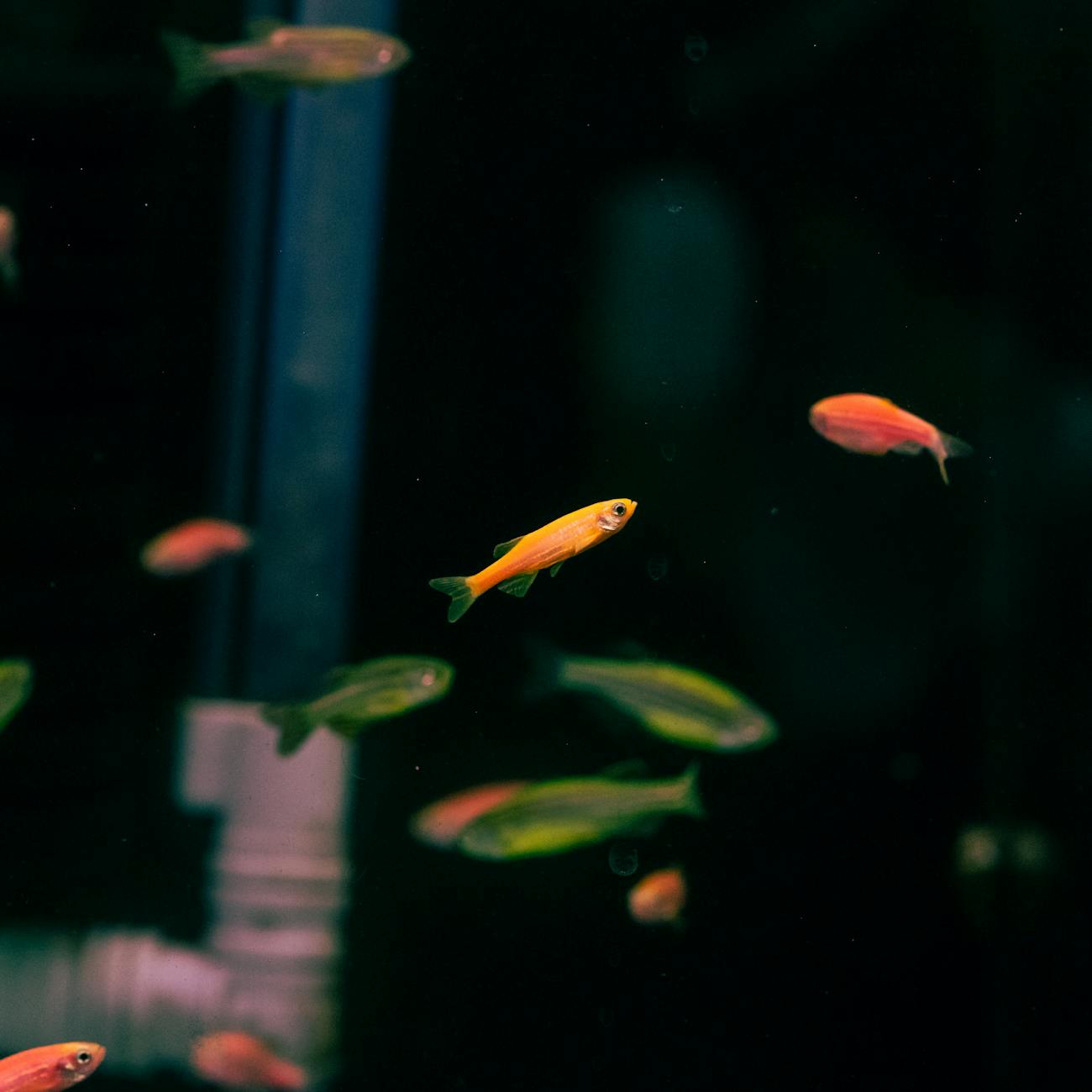
Aquarium lighting and heating are essential components in maintaining a healthy and thriving aquatic environment for fish, plants, and other inhabitants of an aquarium. Proper lighting and heating play a crucial role in supporting the biological processes within the aquarium, ensuring the well-being of its inhabitants. In this section, we will explore key terms and concepts related to aquarium lighting and heating to help you understand their importance and how to effectively manage them in your aquarium.
Aquarium Lighting:
Aquarium lighting is a critical aspect of maintaining a successful aquarium ecosystem. Light is essential for photosynthesis, a process through which plants convert light energy into chemical energy to fuel their growth. In addition to supporting plant growth, lighting also affects the behavior, coloration, and overall health of fish and other aquatic organisms in the aquarium.
Types of Aquarium Lighting:
There are several types of aquarium lighting available, each with its own unique characteristics and benefits. The most common types of aquarium lighting include:
1. Fluorescent Lighting: Fluorescent lighting is a popular choice for aquariums due to its energy efficiency and affordability. It provides a broad spectrum of light that is suitable for most freshwater aquariums.
2. LED Lighting: LED lighting has become increasingly popular in recent years due to its energy efficiency, longevity, and customizable features. LED lights are available in a variety of colors and intensities, allowing aquarists to create custom lighting effects for their aquariums.
3. Metal Halide Lighting: Metal halide lighting is a high-intensity lighting option that is often used in reef aquariums to simulate the intensity and spectrum of natural sunlight. While effective, metal halide lighting can generate heat and consume more energy than other lighting options.
4. Compact Fluorescent Lighting: Compact fluorescent lighting is a compact and energy-efficient option that provides a high intensity of light suitable for planted aquariums and reef tanks.
5. Incandescent Lighting: Incandescent lighting is a traditional lighting option that is less commonly used in aquariums due to its low energy efficiency and heat output. However, it can still be suitable for low-light aquarium setups.
Factors to Consider When Choosing Aquarium Lighting:
When selecting lighting for your aquarium, consider the following factors to ensure you choose the most suitable option for your setup:
1. Light Intensity: Different aquarium inhabitants have varying light requirements. Some plants and corals may require high-intensity lighting, while others may thrive under lower light levels. It is essential to match the light intensity to the needs of your aquarium inhabitants.
2. Light Spectrum: The light spectrum refers to the range of colors emitted by the light source. Different organisms respond differently to various light spectra, so it is crucial to choose a lighting option that provides the appropriate spectrum for your aquarium inhabitants.
3. Energy Efficiency: Energy-efficient lighting options can help reduce electricity costs and minimize heat output in the aquarium. LED lighting is known for its energy efficiency and longevity compared to other lighting types.
4. Customizability: Some lighting options, such as LED lights, offer customizable features such as color adjustment and dimming capabilities. These features allow you to create unique lighting effects and mimic natural lighting conditions in your aquarium.
5. Budget: Consider your budget when selecting aquarium lighting, as different lighting options vary in cost. While LED lighting may have a higher upfront cost, its energy efficiency and longevity can result in long-term savings.
Aquarium Heating:
Maintaining a stable water temperature is vital for the health and well-being of aquarium inhabitants. Most fish and aquatic organisms are sensitive to temperature fluctuations, so it is essential to provide consistent and appropriate heating in the aquarium.
Types of Aquarium Heaters:
There are several types of aquarium heaters available to help regulate water temperature in the aquarium. The most common types of aquarium heaters include:
1. Submersible Heaters: Submersible heaters are the most popular type of aquarium heater and are designed to be fully submerged in water. They are easy to install and provide consistent heating throughout the aquarium.
2. Hang-on-Back Heaters: Hang-on-back heaters are mounted on the back of the aquarium and are partially submerged in water. They are suitable for smaller aquariums and can be easily adjusted for temperature control.
3. Immersion Heaters: Immersion heaters are placed directly in the aquarium water and are ideal for larger tanks with high water volumes. They are efficient at heating large volumes of water but may be less aesthetically pleasing than other heater types.
4. Undergravel Heaters: Undergravel heaters are installed beneath the substrate in the aquarium and provide consistent heating from below. They are suitable for planted aquariums and can help promote root growth in aquatic plants.
5. Thermostat Heaters: Thermostat heaters are equipped with a thermostat that allows you to set and maintain a specific water temperature. They are highly accurate and reliable for maintaining consistent water temperature in the aquarium.
Factors to Consider When Choosing Aquarium Heaters:
When selecting a heater for your aquarium, consider the following factors to ensure you choose the most appropriate option for your setup:
1. Tank Size: The size of your aquarium will determine the wattage of the heater needed to maintain a stable water temperature. Larger tanks require higher wattage heaters to effectively heat the water.
2. Temperature Range: Ensure the heater you choose can maintain the desired temperature range for your aquarium inhabitants. Some heaters have a limited temperature range, so it is essential to select one that meets the needs of your aquarium.
3. Heating Efficiency: Consider the heating efficiency of the heater, as some models may consume more energy than others. Look for energy-efficient heaters that provide consistent heating while minimizing electricity costs.
4. Reliability: Choose a heater from a reputable manufacturer known for producing reliable and durable aquarium equipment. A reliable heater is essential for maintaining a stable water temperature and ensuring the well-being of your aquarium inhabitants.
5. Safety Features: Look for heaters with built-in safety features such as automatic shut-off in case of overheating or malfunction. Safety features help prevent accidents and protect your aquarium from temperature fluctuations.
Challenges in Aquarium Lighting and Heating:
While aquarium lighting and heating are essential for maintaining a healthy aquatic environment, they can also present challenges for aquarists. Some common challenges in aquarium lighting and heating include:
1. Algae Growth: Excessive lighting or improper lighting spectrum can promote algae growth in the aquarium. Algae blooms can be detrimental to the overall health of the aquarium and its inhabitants, so it is essential to manage lighting properly to prevent algae overgrowth.
2. Temperature Fluctuations: Inconsistent heating or inadequate heating can lead to temperature fluctuations in the aquarium, which can stress fish and other aquatic organisms. It is crucial to monitor water temperature regularly and ensure the heater is functioning correctly to prevent temperature fluctuations.
3. Compatibility: Some aquarium inhabitants may have specific lighting or heating requirements that need to be considered when setting up the aquarium. It is essential to research the needs of your aquarium inhabitants and choose lighting and heating options that meet their requirements.
4. Equipment Failure: Like any aquarium equipment, lighting and heating devices can malfunction or fail over time. Regular maintenance and monitoring of lighting and heating equipment are essential to prevent equipment failure and ensure the well-being of the aquarium inhabitants.
5. Energy Costs: Running lighting and heating equipment can contribute to electricity costs for the aquarium. Choosing energy-efficient lighting and heating options can help reduce energy costs and minimize the environmental impact of running the aquarium.
Conclusion:
In conclusion, aquarium lighting and heating are critical components of a successful aquarium ecosystem. Proper lighting and heating play a vital role in supporting plant growth, promoting the health and well-being of fish and other aquatic organisms, and maintaining a stable aquatic environment. By understanding key terms and concepts related to aquarium lighting and heating, as well as considering factors such as light intensity, spectrum, energy efficiency, and heater type, aquarists can effectively manage their aquarium lighting and heating to create a thriving aquatic environment for their inhabitants.
Aquarium Lighting and Heating play crucial roles in maintaining a healthy and thriving aquatic environment for fish, plants, and other inhabitants in an aquarium. Understanding key terms and vocabulary associated with these two aspects is essential for aquarists to create and sustain an optimal habitat for their aquatic pets.
**Aquarium Lighting:**
1. **Watts per Gallon (WPG):** This term refers to the amount of light intensity provided by a light fixture relative to the volume of water in the aquarium. It is a common measurement used to determine the appropriate lighting for different types of aquarium setups. For example, a high-light planted tank may require 3-5 watts per gallon to support the growth of demanding aquatic plants.
2. **Kelvin (K):** Kelvin is a unit of measurement used to describe the color temperature of light emitted by a light source. Lower Kelvin values (e.g., 5000K) produce warm, yellowish light, while higher Kelvin values (e.g., 10000K) emit cool, bluish light. Aquarists often choose lighting with a Kelvin rating that enhances the coloration of fish and plants in the aquarium.
3. **PAR (Photosynthetically Active Radiation):** PAR measures the amount of light within the visible spectrum (400-700 nanometers) that plants can use for photosynthesis. It is a crucial factor in determining the effectiveness of a light source for promoting plant growth in a planted aquarium. Aquarists may use PAR meters to ensure that their plants receive adequate light for photosynthesis.
4. **LED (Light-Emitting Diode):** LEDs have become popular lighting options for aquariums due to their energy efficiency, long lifespan, and customizable color spectrum. LED fixtures can provide different color temperatures and intensity levels to meet the specific needs of different types of aquatic plants and animals.
5. **Full Spectrum Lighting:** Full spectrum lighting refers to light fixtures that emit a balanced range of colors across the visible spectrum. This type of lighting closely mimics natural sunlight and promotes healthy growth in both fish and plants. Aquarists often prefer full spectrum lighting for its ability to enhance the overall appearance of the aquarium.
6. **Moonlighting:** Some advanced lighting fixtures include moonlighting features that simulate the natural lunar cycle. Moonlighting can create a calming ambiance in the aquarium during the evening hours and is especially beneficial for nocturnal species that are more active at night.
7. **Lighting Duration:** The duration of lighting in an aquarium is crucial for maintaining a stable day-night cycle and preventing algae overgrowth. Aquarists should aim for 8-10 hours of light per day, adjusting the duration based on the needs of the aquatic plants and inhabitants in the tank.
**Aquarium Heating:**
1. **Temperature Gradient:** Temperature gradient refers to the variation in temperature levels within the aquarium. It is essential to create a gradient that allows fish to move between warmer and cooler areas to regulate their body temperature effectively. An appropriate temperature gradient is crucial for the overall well-being of the aquatic inhabitants.
2. **Submersible Heater:** A submersible heater is a type of heating device designed to be fully submerged in the aquarium water. Submersible heaters are commonly used in freshwater and marine aquariums to maintain a consistent water temperature that is suitable for the specific species of fish and plants.
3. **Thermostat:** A thermostat is a component of the heater that regulates the temperature of the water in the aquarium. It monitors the current water temperature and activates the heating element to raise or lower the temperature as needed. A reliable thermostat is crucial for ensuring a stable and safe environment for the aquarium inhabitants.
4. **Wattage:** The wattage of a heater indicates the amount of power it consumes to heat the water in the aquarium. Higher wattage heaters are suitable for larger tanks or environments with lower room temperatures, while lower wattage heaters are ideal for smaller tanks or tropical setups.
5. **Heating Cable:** Heating cables are flexible heating devices that are placed beneath the substrate in the aquarium. They emit heat evenly across the substrate, creating a gentle warmth that benefits plant root growth and helps maintain a stable temperature throughout the tank.
6. **Heating Mat:** Heating mats are thin, flat heating devices that are placed underneath the aquarium to provide warmth from the bottom up. They are commonly used in reptile terrariums and small aquariums to create a uniform temperature distribution that supports the health of the aquatic inhabitants.
7. **Heat Distribution:** Proper heat distribution is essential to ensure that all areas of the aquarium receive consistent warmth. Aquarists should consider the placement of heaters, heating cables, or heating mats to achieve an even distribution of heat throughout the tank and prevent temperature fluctuations that could stress the aquarium inhabitants.
**Challenges and Solutions:**
1. **Algae Growth:** Excessive lighting or inconsistent heating can lead to algae overgrowth in the aquarium. To combat this issue, aquarists can adjust the lighting duration, intensity, or spectrum to create a balance that promotes plant growth without fueling algae growth. Additionally, maintaining a stable water temperature can help prevent algae blooms by creating an environment less conducive to algae growth.
2. **Temperature Fluctuations:** Inadequate heating or cooling systems can result in temperature fluctuations that stress the aquarium inhabitants. To address this challenge, aquarists should invest in reliable heaters with built-in thermostats to regulate the water temperature accurately. Monitoring the temperature regularly and making adjustments as needed can help maintain a stable and comfortable environment for the fish and plants.
3. **Plant Health:** Insufficient lighting or improper heating can negatively impact the health and growth of aquatic plants in the aquarium. Aquarists should research the lighting and heating requirements of the plant species in their tank and adjust the lighting intensity, spectrum, and duration accordingly. Providing a suitable temperature gradient and consistent warmth can also promote optimal plant growth and overall health.
4. **Energy Efficiency:** Choosing energy-efficient lighting and heating options can help reduce electricity costs and minimize the environmental impact of running an aquarium. LED lighting fixtures and high-quality heaters with low energy consumption are excellent choices for aquarists looking to maintain a sustainable and cost-effective aquatic setup.
By familiarizing themselves with key terms and concepts related to Aquarium Lighting and Heating, aquarists can create a well-balanced and thriving aquatic environment that supports the health and well-being of their fish, plants, and other inhabitants. Proper lighting and heating are essential components of successful aquarium husbandry, and understanding the principles behind these elements is crucial for maintaining a beautiful and sustainable aquatic ecosystem.
Key takeaways
- In this section, we will explore key terms and concepts related to aquarium lighting and heating to help you understand their importance and how to effectively manage them in your aquarium.
- In addition to supporting plant growth, lighting also affects the behavior, coloration, and overall health of fish and other aquatic organisms in the aquarium.
- There are several types of aquarium lighting available, each with its own unique characteristics and benefits.
- Fluorescent Lighting: Fluorescent lighting is a popular choice for aquariums due to its energy efficiency and affordability.
- LED Lighting: LED lighting has become increasingly popular in recent years due to its energy efficiency, longevity, and customizable features.
- Metal Halide Lighting: Metal halide lighting is a high-intensity lighting option that is often used in reef aquariums to simulate the intensity and spectrum of natural sunlight.
- Compact Fluorescent Lighting: Compact fluorescent lighting is a compact and energy-efficient option that provides a high intensity of light suitable for planted aquariums and reef tanks.