
Fish Biology and Behavior
Fish Biology and Behavior
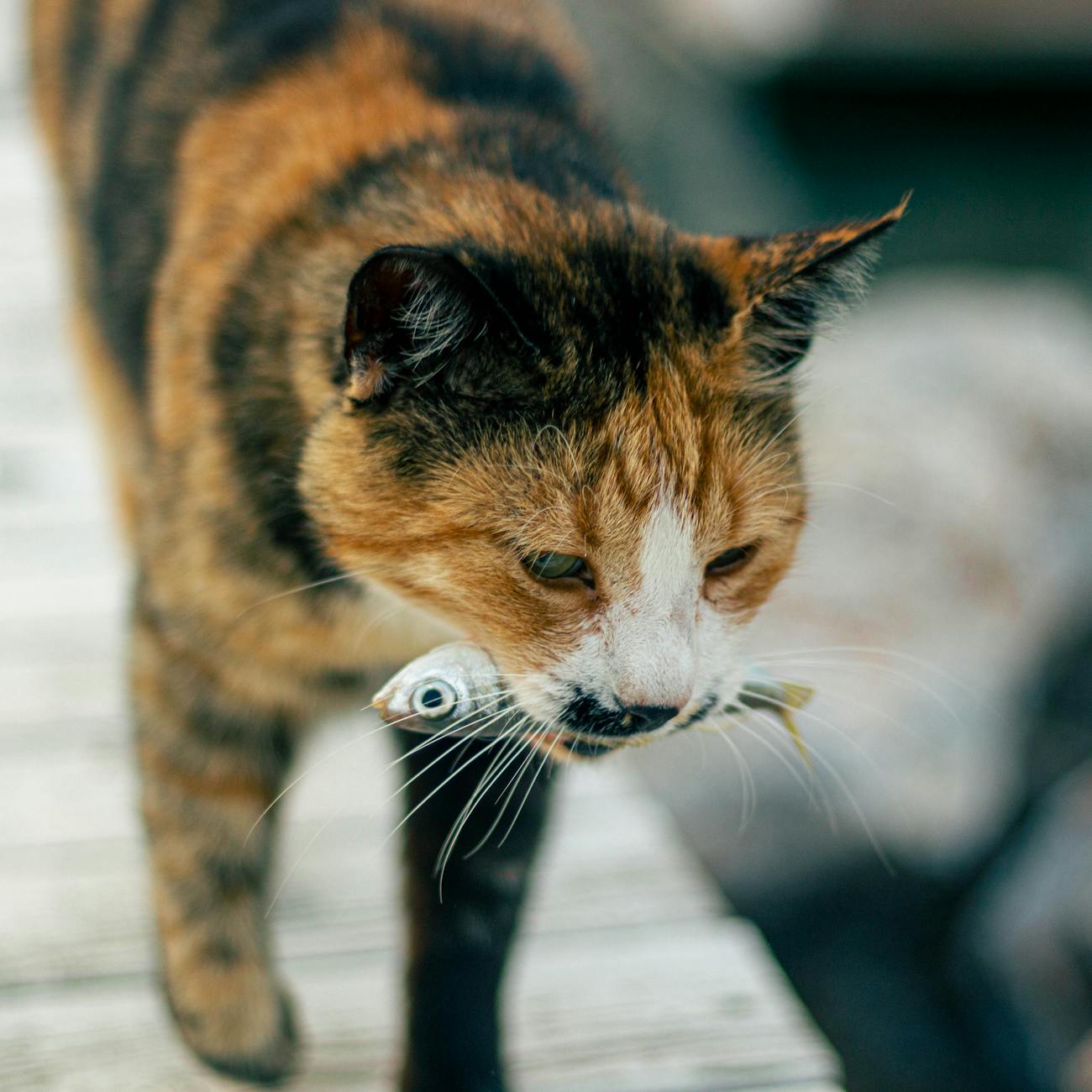
Fish Biology and Behavior
Fish are aquatic vertebrates that belong to the class Osteichthyes, which includes bony fish. They are known for their diverse shapes, sizes, colors, and behaviors. Understanding fish biology and behavior is crucial for successful aquarists to provide the best care for their fish. Let's delve into key terms and vocabulary related to fish biology and behavior in the Certificate in Aquarist Training course.
Anatomy
The anatomy of a fish plays a significant role in its behavior and overall health. Understanding the different parts of a fish is essential for identifying potential health issues and providing proper care. Here are some key anatomical terms:
- Fins: Fish have various fins that help them navigate through water. These include dorsal fins, anal fins, pectoral fins, pelvic fins, and caudal fins. - Scales: Fish are covered in scales that protect their bodies. Different species have different scale types, such as cycloid, ctenoid, or ganoid scales. - Gills: Fish breathe through gills, which extract oxygen from the water. Proper gill function is crucial for a fish's survival. - Swim bladder: This organ helps fish control their buoyancy and stay at their preferred depth in the water. - Lateral line: A sensory organ that runs along the sides of a fish's body, helping them detect changes in water pressure and movement.
Understanding fish anatomy can aid aquarists in diagnosing health issues, designing appropriate habitats, and providing a suitable diet for their fish.
Physiology
The physiology of fish refers to how their bodies function, including processes like digestion, respiration, circulation, and reproduction. Here are some key terms related to fish physiology:
- Osmoregulation: Fish maintain the balance of water and salts in their bodies through osmoregulation. They can be freshwater, saltwater, or brackish water species. - Respiration: Fish breathe through gills, extracting oxygen from the water. Understanding the oxygen requirements of different fish species is crucial for maintaining their health. - Metabolism: Fish metabolism varies depending on factors like species, size, temperature, and activity level. Providing a suitable diet based on a fish's metabolism is essential. - Reproduction: Fish reproduce in various ways, including spawning, live-bearing, or egg-laying. Understanding the reproductive behavior of fish is important for breeding programs and population management.
By understanding fish physiology, aquarists can create optimal conditions for their fish to thrive and reproduce in captivity.
Behavior
Fish exhibit a wide range of behaviors that are influenced by their environment, social interactions, and natural instincts. Understanding fish behavior is crucial for creating a harmonious community in an aquarium. Here are some key terms related to fish behavior:
- Schooling: Many fish species form schools for protection, communication, and finding food. Schooling behavior can be observed in species like tetras, rasboras, and barbs. - Aggression: Some fish species exhibit aggressive behavior, especially during mating or territorial disputes. Understanding aggression can help prevent injuries in a community tank. - Territoriality: Certain fish species defend territories for breeding, feeding, or shelter. Providing adequate space and hiding spots can reduce territorial conflicts. - Feeding behavior: Fish have different feeding habits, such as bottom feeders, surface feeders, or mid-water feeders. Offering a varied diet can cater to different feeding behaviors. - Reproduction behavior: Fish display specific behaviors during courtship, spawning, and parental care. Mimicking natural breeding conditions can encourage successful reproduction in captivity.
By observing and understanding fish behavior, aquarists can create a balanced community and reduce stress among their fish.
Environmental Factors
Several environmental factors influence the health and behavior of fish in an aquarium. Maintaining optimal water quality, temperature, lighting, and habitat conditions is crucial for the well-being of fish. Here are some key terms related to environmental factors:
- Water quality: Parameters like pH, ammonia, nitrite, nitrate, and dissolved oxygen levels impact fish health. Regular water testing and proper filtration are essential for maintaining water quality. - Temperature: Different fish species have specific temperature requirements. Maintaining a stable temperature within the preferred range is crucial for fish health and metabolism. - Lighting: Adequate lighting is essential for fish behavior, plant growth, and algae control. Providing a suitable light spectrum and photoperiod can mimic natural conditions. - Habitat enrichment: Adding plants, rocks, caves, and driftwood to an aquarium creates a more natural environment for fish. Enriching the habitat can reduce stress and provide hiding spots. - Water flow: Fish have varying preferences for water flow, depending on their natural habitat. Adjusting water flow with pumps or airstones can cater to different species' needs.
By optimizing environmental factors in an aquarium, aquarists can create a healthy and thriving ecosystem for their fish.
Disease Management
Fish are susceptible to various diseases caused by parasites, bacteria, fungi, and poor water conditions. Recognizing symptoms, diagnosing diseases, and implementing treatment strategies are essential skills for aquarists. Here are some key terms related to disease management:
- Quarantine: Isolating new fish in a separate tank for observation and disease prevention is crucial to prevent spreading pathogens to existing fish. - Common diseases: Fish diseases like ich, fin rot, velvet, and dropsy are common in aquariums. Understanding the symptoms and treatment options for each disease is essential. - Medication: Using medications like antibiotics, antiparasitics, and antifungals can help treat fish diseases. Following dosing instructions and monitoring fish during treatment is important. - Water changes: Regular water changes help maintain water quality and reduce disease risks. Keeping the aquarium clean and well-maintained is crucial for fish health. - Quarantine procedures: Implementing proper quarantine procedures for new fish, plants, or equipment can prevent introducing diseases into an established aquarium.
By practicing good disease management techniques, aquarists can minimize the risk of outbreaks and ensure the health of their fish population.
Challenges and Solutions
While caring for fish can be rewarding, aquarists may face challenges such as aggression, disease outbreaks, or environmental issues. Identifying these challenges and implementing appropriate solutions is essential for maintaining a successful aquarium. Here are some common challenges and solutions in fish keeping:
- Aggressive fish: Separating aggressive fish, providing hiding spots, or rearranging tank decor can reduce aggression in a community tank. - Disease outbreaks: Promptly isolating sick fish, treating diseases, and improving water quality can help control disease outbreaks in an aquarium. - Compatibility issues: Researching fish species compatibility, considering tank size, and monitoring fish behavior can prevent conflicts in a community tank. - Algae growth: Managing lighting, nutrient levels, and water flow can help control algae growth in an aquarium. Adding algae-eating fish or invertebrates can also help. - Overfeeding: Monitoring feeding amounts, removing uneaten food, and following a feeding schedule can prevent overfeeding and water quality issues.
By proactively addressing challenges and implementing effective solutions, aquarists can create a thriving and harmonious aquarium environment for their fish.
Conclusion
In conclusion, understanding fish biology and behavior is essential for successful aquarists to provide optimal care for their fish. By familiarizing yourself with key terms and concepts related to fish anatomy, physiology, behavior, environmental factors, and disease management, you can create a healthy and balanced aquarium ecosystem. Remember to observe your fish, monitor water parameters, and address any issues promptly to ensure the well-being of your aquatic pets. Happy fishkeeping!
Key takeaways
- Let's delve into key terms and vocabulary related to fish biology and behavior in the Certificate in Aquarist Training course.
- Understanding the different parts of a fish is essential for identifying potential health issues and providing proper care.
- - Lateral line: A sensory organ that runs along the sides of a fish's body, helping them detect changes in water pressure and movement.
- Understanding fish anatomy can aid aquarists in diagnosing health issues, designing appropriate habitats, and providing a suitable diet for their fish.
- The physiology of fish refers to how their bodies function, including processes like digestion, respiration, circulation, and reproduction.
- - Metabolism: Fish metabolism varies depending on factors like species, size, temperature, and activity level.
- By understanding fish physiology, aquarists can create optimal conditions for their fish to thrive and reproduce in captivity.