
Energy Diplomacy in International Relations
Energy Diplomacy in International Relations is a crucial aspect of global politics and economics. It involves the negotiation, cooperation, and management of energy resources among countries to ensure energy security, promote sustainable de…
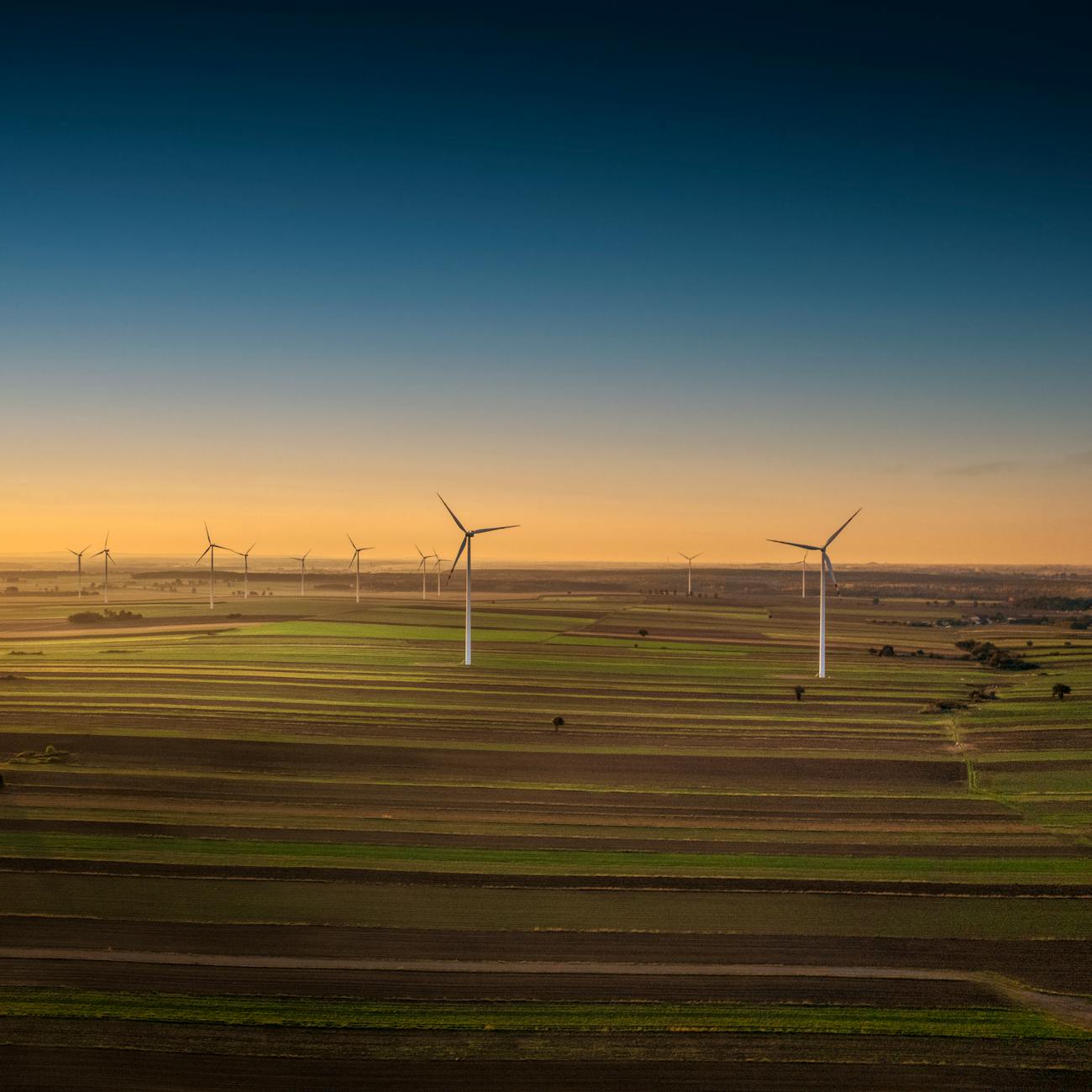
Energy Diplomacy in International Relations is a crucial aspect of global politics and economics. It involves the negotiation, cooperation, and management of energy resources among countries to ensure energy security, promote sustainable development, and address geopolitical challenges. This course on Postgraduate Certificate in Energy Diplomacy aims to provide students with a comprehensive understanding of the key terms and concepts related to energy diplomacy in the context of international relations.
Energy Diplomacy: Energy diplomacy refers to the strategic management of energy resources and policies to achieve national interests, maintain energy security, and foster international cooperation. It involves negotiations, agreements, and collaborations among countries to address energy challenges and opportunities.
International Relations: International relations is the study of interactions among states, non-state actors, and international organizations in the global arena. It encompasses diplomatic relations, trade agreements, security issues, and other aspects of international cooperation and conflict.
Energy Security: Energy security is the ability of a country to ensure a reliable and affordable supply of energy resources to meet its domestic needs. It involves diversifying energy sources, developing domestic resources, and securing access to international markets.
Sustainable Development: Sustainable development is the concept of meeting present needs without compromising the ability of future generations to meet their own needs. It involves balancing economic growth, social equity, and environmental protection to ensure long-term prosperity.
Geopolitics: Geopolitics is the study of the influence of geography, resources, and power dynamics on political relations and international affairs. It examines how territorial boundaries, natural resources, and strategic interests shape diplomatic decisions and conflicts.
Energy Resources: Energy resources are natural sources of energy that can be converted into power for various purposes. They include fossil fuels (such as oil, natural gas, and coal), renewable energy sources (such as solar, wind, and hydropower), and nuclear energy.
Energy Diplomat: An energy diplomat is a government official or diplomat who specializes in energy issues and represents a country's interests in energy negotiations and agreements. Energy diplomats play a crucial role in promoting energy security, sustainability, and cooperation.
Energy Policy: Energy policy is a set of government regulations, laws, and strategies that guide the development, production, distribution, and consumption of energy resources. It aims to promote energy efficiency, environmental protection, and national security.
Energy Transition: Energy transition refers to the shift from traditional fossil fuels to renewable energy sources and low-carbon technologies. It involves decarbonizing the energy sector, reducing greenhouse gas emissions, and promoting sustainable energy systems.
Energy Interdependence: Energy interdependence is the mutual reliance of countries on each other for energy resources and infrastructure. It creates economic, political, and security ties that influence diplomatic relations and cooperation among nations.
Energy Market: An energy market is a marketplace where energy resources, such as oil, gas, electricity, and renewable energy, are bought and sold. It includes physical trading, financial markets, and regulatory frameworks that govern energy transactions.
Energy Infrastructure: Energy infrastructure refers to the physical facilities and systems that produce, transport, and distribute energy resources. It includes power plants, pipelines, grids, storage facilities, and other components of the energy supply chain.
Energy Security Strategy: An energy security strategy is a comprehensive plan developed by a country to ensure a reliable and sustainable supply of energy resources. It includes diversifying energy sources, improving efficiency, enhancing resilience, and managing risks.
Energy Cooperation: Energy cooperation involves collaboration among countries to address common energy challenges, share resources, and promote sustainable development. It includes joint projects, agreements, and initiatives to enhance energy security and stability.
Energy Diplomacy Challenges: Energy diplomacy faces various challenges, including geopolitical conflicts, resource competition, regulatory barriers, technological limitations, environmental concerns, and market volatility. Overcoming these challenges requires diplomatic skills, innovative solutions, and international cooperation.
Energy Diplomacy Examples: Several examples illustrate the role of energy diplomacy in international relations. For instance, the OPEC (Organization of the Petroleum Exporting Countries) coordinates oil production and pricing policies among member states to stabilize global oil markets. The Nord Stream pipeline project between Russia and Europe involves complex negotiations over energy security, geopolitics, and economic interests. The Paris Agreement on climate change is a diplomatic effort to promote renewable energy, reduce emissions, and mitigate the impact of global warming.
Energy Diplomacy Strategies: Energy diplomacy strategies involve a range of diplomatic tools and approaches to address energy challenges and opportunities. These include negotiation, mediation, arbitration, economic incentives, energy trade agreements, technology transfer, capacity building, and multilateral cooperation. Effective energy diplomacy requires a combination of political, economic, environmental, and social considerations to achieve sustainable energy goals.
Energy Diplomacy and Geopolitics: Energy diplomacy is closely intertwined with geopolitics, as energy resources are central to national security, economic development, and strategic interests. Geopolitical factors, such as energy reserves, transit routes, and market access, influence diplomatic relations, conflicts, and alliances among countries. Energy-rich regions, such as the Middle East, Russia, and the Arctic, are key players in global energy politics, shaping regional stability and international power dynamics.
Energy Diplomacy and Climate Change: Energy diplomacy plays a critical role in addressing climate change by promoting clean energy, reducing emissions, and fostering international cooperation. The Paris Agreement and other climate treaties involve diplomatic negotiations to set emission targets, promote renewable energy, and mobilize financial support for climate action. Energy diplomacy can help countries transition to low-carbon economies, invest in green technologies, and adapt to the impacts of climate change.
Energy Diplomacy and Energy Security: Energy diplomacy is essential for ensuring energy security by diversifying energy sources, building resilient infrastructure, and fostering cooperation among energy-producing and consuming countries. Energy security strategies aim to reduce dependence on volatile suppliers, mitigate supply disruptions, and promote sustainable energy systems. Energy diplomacy can help resolve conflicts over energy resources, strengthen energy markets, and enhance regional stability.
Energy Diplomacy and Sustainable Development: Energy diplomacy contributes to sustainable development by promoting access to clean energy, supporting economic growth, and protecting the environment. Sustainable energy projects, such as renewable energy investments, energy efficiency programs, and green technologies, require diplomatic support to attract investments, facilitate partnerships, and overcome regulatory barriers. Energy diplomacy can advance the United Nations Sustainable Development Goals (SDGs) by promoting energy access, reducing poverty, and enhancing environmental sustainability.
Energy Diplomacy and Technology Transfer: Energy diplomacy plays a crucial role in facilitating technology transfer and innovation in the energy sector. It involves sharing best practices, research, and expertise among countries to promote clean energy technologies, improve energy efficiency, and address climate change. Technology transfer agreements, joint research projects, and capacity-building programs can help countries develop sustainable energy solutions, build local expertise, and enhance energy security.
Energy Diplomacy and Energy Markets: Energy diplomacy influences energy markets by shaping policies, regulations, and investments that affect supply, demand, and prices of energy resources. Diplomatic negotiations on trade agreements, investment treaties, and market access can promote energy security, competition, and transparency in global energy markets. Energy diplomacy can address market failures, regulatory barriers, and geopolitical risks that impact energy trade, investment, and development.
Energy Diplomacy and Regional Cooperation: Energy diplomacy promotes regional cooperation among countries to address common energy challenges, share resources, and develop cross-border energy projects. Regional energy initiatives, such as energy corridors, interconnections, and infrastructure projects, require diplomatic coordination, legal frameworks, and financial support to succeed. Regional energy cooperation can enhance energy security, promote economic integration, and strengthen political relations among neighboring countries.
Energy Diplomacy and Multilateral Organizations: Energy diplomacy engages with multilateral organizations, such as the United Nations, the International Energy Agency (IEA), and regional bodies, to address global energy issues, promote sustainable development, and enhance cooperation among countries. Multilateral forums provide a platform for dialogue, negotiation, and collaboration on energy policies, projects, and initiatives. Energy diplomacy at the international level aims to align national interests with global energy goals, foster partnerships, and build consensus on energy challenges.
Energy Diplomacy and Energy Governance: Energy diplomacy contributes to energy governance by shaping policies, regulations, and institutions that govern energy resources, markets, and infrastructure. Effective energy governance requires transparent rules, accountable institutions, and inclusive decision-making processes that balance economic, social, and environmental interests. Energy diplomacy can promote good governance practices, regulatory reforms, and capacity-building initiatives to enhance energy security, sustainability, and accountability.
Energy Diplomacy and Energy Access: Energy diplomacy supports efforts to improve energy access, especially in developing countries, by promoting investments in energy infrastructure, expanding energy services, and enhancing energy efficiency. Access to modern and reliable energy sources is essential for economic development, poverty reduction, and social progress. Energy diplomacy can mobilize resources, build partnerships, and promote policies that ensure universal energy access for all.
Energy Diplomacy and Energy Diplomacy in the Arctic: Energy diplomacy in the Arctic region involves complex geopolitical, environmental, and economic issues related to energy resources, climate change, and indigenous rights. The melting ice in the Arctic has opened up new opportunities for resource exploration, shipping routes, and energy development, leading to competition and cooperation among Arctic states. Energy diplomacy in the Arctic requires careful negotiation, sustainable practices, and international cooperation to balance energy interests with environmental protection and indigenous rights.
Energy Diplomacy and Energy Security in the Middle East: Energy diplomacy in the Middle East region is critical due to its strategic importance as a major producer and exporter of oil and gas. Geopolitical conflicts, regional rivalries, and security threats pose challenges to energy security in the Middle East, affecting global energy markets and political stability. Energy diplomacy in the Middle East aims to promote cooperation, conflict resolution, and sustainable energy development to enhance regional security and stability.
Energy Diplomacy and Energy Transition in Europe: Energy diplomacy in Europe focuses on the transition to low-carbon energy sources, energy efficiency, and renewable energy integration to reduce greenhouse gas emissions and enhance energy security. The European Union (EU) plays a key role in promoting energy diplomacy among member states, shaping energy policies, and engaging with external partners to achieve common energy goals. Energy diplomacy in Europe involves regulatory harmonization, energy market integration, and climate action to advance the energy transition and meet climate targets.
Energy Diplomacy and Energy Cooperation in Africa: Energy diplomacy in Africa aims to promote energy access, renewable energy development, and sustainable energy solutions to address energy poverty, economic development, and climate change. African countries face energy challenges, such as energy access gaps, energy poverty, and reliance on fossil fuels, which require diplomatic support, investments, and capacity building. Energy diplomacy in Africa involves partnerships, investments, and policy reforms to unlock the continent's energy potential, promote regional integration, and foster sustainable development.
Energy Diplomacy and Energy Security in Asia: Energy diplomacy in Asia is critical due to its growing energy demand, diverse energy resources, and geopolitical tensions that impact energy security in the region. Asia's energy landscape is characterized by energy imports, resource competition, and energy infrastructure development, which require diplomatic initiatives, partnerships, and investments to ensure energy security and stability. Energy diplomacy in Asia involves regional cooperation, energy trade agreements, and strategic alliances to address energy challenges, promote sustainable development, and enhance regional security.
In conclusion, Energy Diplomacy in International Relations is a dynamic and multifaceted field that intersects with geopolitics, energy security, sustainable development, and global governance. By understanding the key terms and concepts related to energy diplomacy, students can analyze and address complex energy challenges, promote international cooperation, and contribute to a more sustainable and secure energy future. This course on Postgraduate Certificate in Energy Diplomacy provides a solid foundation for students to engage with energy diplomacy issues, apply diplomatic skills, and navigate the complex energy landscape in the context of international relations.
Key takeaways
- This course on Postgraduate Certificate in Energy Diplomacy aims to provide students with a comprehensive understanding of the key terms and concepts related to energy diplomacy in the context of international relations.
- Energy Diplomacy: Energy diplomacy refers to the strategic management of energy resources and policies to achieve national interests, maintain energy security, and foster international cooperation.
- International Relations: International relations is the study of interactions among states, non-state actors, and international organizations in the global arena.
- Energy Security: Energy security is the ability of a country to ensure a reliable and affordable supply of energy resources to meet its domestic needs.
- Sustainable Development: Sustainable development is the concept of meeting present needs without compromising the ability of future generations to meet their own needs.
- Geopolitics: Geopolitics is the study of the influence of geography, resources, and power dynamics on political relations and international affairs.
- They include fossil fuels (such as oil, natural gas, and coal), renewable energy sources (such as solar, wind, and hydropower), and nuclear energy.