
Climate Change and Energy Diplomacy
Climate Change: Climate change refers to the long-term alteration of temperature and typical weather patterns in a place. It is primarily driven by human activities that release greenhouse gases into the atmosphere, such as burning fossil f…
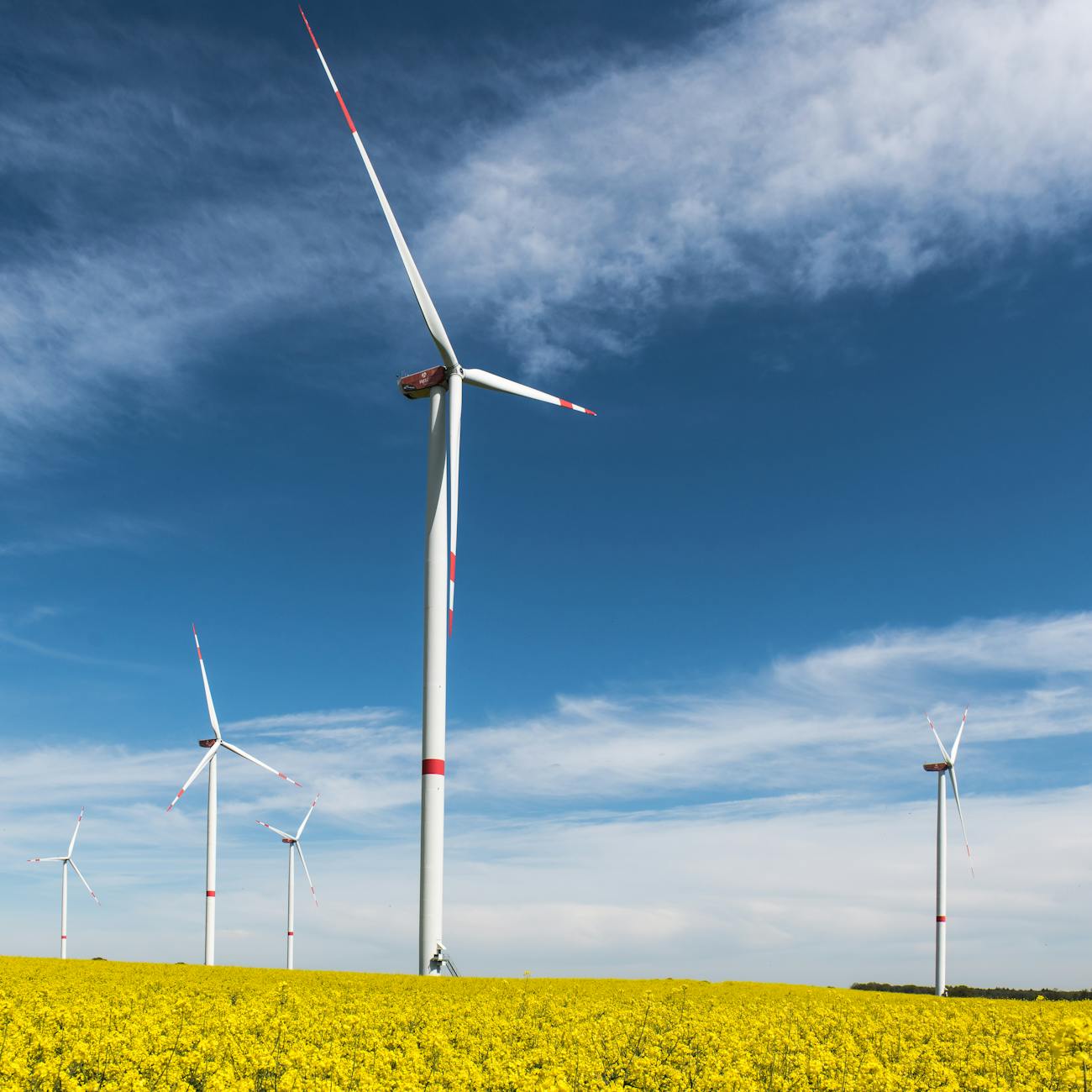
Climate Change: Climate change refers to the long-term alteration of temperature and typical weather patterns in a place. It is primarily driven by human activities that release greenhouse gases into the atmosphere, such as burning fossil fuels and deforestation. These gases trap heat from the sun, leading to a warming effect known as global warming. Climate change has significant impacts on ecosystems, weather patterns, sea levels, and human health.
Energy Diplomacy: Energy diplomacy involves the strategic management of energy resources, policies, and relationships between nations. It focuses on ensuring energy security, promoting sustainable energy practices, and addressing global energy challenges through diplomatic means. Energy diplomacy plays a crucial role in shaping international agreements, energy trade, and cooperation to address issues like energy access, affordability, and sustainability.
Renewable Energy: Renewable energy refers to energy sources that are naturally replenished and have minimal environmental impact. Examples include solar, wind, hydroelectric, geothermal, and biomass energy. These sources are considered sustainable alternatives to fossil fuels because they produce little to no greenhouse gas emissions. Renewable energy technologies are essential for combating climate change and transitioning to a low-carbon economy.
Fossil Fuels: Fossil fuels are non-renewable energy sources formed from the remains of plants and animals that lived millions of years ago. The main types of fossil fuels are coal, oil, and natural gas. They are widely used for electricity generation, transportation, and heating, but their combustion releases large amounts of carbon dioxide and other pollutants into the atmosphere, contributing to climate change and air pollution.
Paris Agreement: The Paris Agreement is an international treaty adopted in 2015 under the United Nations Framework Convention on Climate Change (UNFCCC). It aims to limit global warming to well below 2 degrees Celsius above pre-industrial levels and pursue efforts to limit the temperature increase to 1.5 degrees Celsius. The agreement sets out commitments for countries to reduce greenhouse gas emissions, enhance climate resilience, and provide financial support to developing nations.
Carbon Neutrality: Carbon neutrality, also known as net-zero emissions, refers to achieving a balance between the amount of carbon dioxide emitted and removed from the atmosphere. This can be achieved through reducing emissions, increasing carbon sequestration, and offsetting remaining emissions through activities like reforestation or carbon capture and storage. Carbon neutrality is a critical goal for combating climate change and achieving sustainable development.
Energy Transition: Energy transition refers to the shift from fossil fuels to renewable energy sources and sustainable practices. It involves transforming energy systems, infrastructure, and policies to reduce greenhouse gas emissions, improve energy efficiency, and promote clean energy technologies. Energy transition is essential for mitigating climate change, enhancing energy security, and fostering economic development.
Climate Resilience: Climate resilience refers to the ability of systems, communities, and nations to withstand and recover from the impacts of climate change. It involves adapting to changing climate conditions, such as extreme weather events, sea-level rise, and shifting precipitation patterns. Climate resilience strategies include building infrastructure, implementing early warning systems, and enhancing social and economic resilience to climate-related risks.
Energy Security: Energy security is the reliable and affordable access to energy resources essential for economic growth, social development, and national security. It involves diversifying energy sources, ensuring supply continuity, and reducing dependence on imported energy. Energy security is a key concern for countries to mitigate risks associated with energy disruptions, price volatility, and geopolitical tensions.
Greenhouse Gases: Greenhouse gases are gases that trap heat in the Earth's atmosphere, leading to the greenhouse effect and global warming. The main greenhouse gases include carbon dioxide (CO2), methane (CH4), nitrous oxide (N2O), and fluorinated gases. Human activities, such as burning fossil fuels and deforestation, have significantly increased greenhouse gas concentrations, causing climate change and environmental impacts.
Energy Efficiency: Energy efficiency refers to using less energy to provide the same level of service or output. It involves adopting technologies, practices, and policies that reduce energy consumption and waste. Energy efficiency measures can lower energy costs, reduce greenhouse gas emissions, and enhance energy security. Examples include energy-efficient appliances, building insulation, and transportation systems.
Geopolitics: Geopolitics refers to the study of the influence of geography, politics, and economics on international relations and conflicts. Energy geopolitics focuses on the strategic importance of energy resources, transportation routes, and markets in shaping global power dynamics. It involves analyzing energy security, supply chains, and competition for resources among countries and regions.
Carbon Pricing: Carbon pricing is a policy mechanism that puts a price on carbon emissions to incentivize polluters to reduce their greenhouse gas emissions. It can take the form of a carbon tax or a cap-and-trade system, where companies buy and sell permits to emit carbon dioxide. Carbon pricing helps internalize the cost of climate change, encourage emission reductions, and stimulate investments in clean technologies.
Decarbonization: Decarbonization is the process of reducing or eliminating carbon dioxide emissions from energy systems, industries, and transportation. It involves transitioning to low-carbon or carbon-free technologies, such as renewable energy, electric vehicles, and energy-efficient practices. Decarbonization is essential for achieving climate goals, improving air quality, and fostering sustainable development.
Energy Diplomat: An energy diplomat is a government official or expert who engages in energy diplomacy to promote national interests, negotiate energy agreements, and address global energy challenges. Energy diplomats work to secure energy resources, enhance energy security, and advance sustainable energy policies through diplomatic channels. They play a crucial role in shaping international energy cooperation and resolving energy-related conflicts.
Climate Finance: Climate finance refers to financial resources provided to support climate mitigation and adaptation projects in developing countries. It includes public and private investments, grants, loans, and other financial instruments aimed at addressing climate change impacts and transitioning to low-carbon economies. Climate finance is essential for meeting the goals of the Paris Agreement and supporting vulnerable communities affected by climate change.
Energy Governance: Energy governance refers to the structures, policies, and institutions that regulate energy systems and activities at the national and international levels. It involves setting energy policies, promoting transparency, fostering regulatory frameworks, and ensuring accountability in the energy sector. Effective energy governance is crucial for managing energy resources sustainably, enhancing energy security, and achieving climate goals.
Energy Transition Diplomacy: Energy transition diplomacy focuses on promoting the shift from fossil fuels to renewable energy sources and sustainable practices through diplomatic efforts. It involves negotiating international agreements, facilitating investments in clean energy projects, and building partnerships to accelerate the energy transition. Energy transition diplomacy plays a key role in fostering cooperation, innovation, and resilience in the energy sector.
Energy Access: Energy access refers to the availability of reliable and affordable energy services for households, businesses, and communities. It includes access to electricity, clean cooking fuels, and modern energy technologies. Improving energy access is crucial for poverty reduction, economic development, and social empowerment, especially in remote or underserved areas. Sustainable energy solutions are essential for expanding energy access while addressing climate change challenges.
Climate Diplomacy: Climate diplomacy involves diplomatic efforts to address climate change impacts, negotiate international agreements, and promote climate action among nations. It focuses on building consensus, fostering cooperation, and mobilizing resources to mitigate greenhouse gas emissions, enhance climate resilience, and support vulnerable communities. Climate diplomacy plays a critical role in advancing global climate goals and shaping international responses to climate challenges.
Carbon Offset: A carbon offset is a financial instrument representing the reduction, removal, or avoidance of one ton of carbon dioxide emissions. It is used to compensate for emissions produced elsewhere by investing in projects that reduce greenhouse gases, such as renewable energy installations, reforestation, or energy efficiency initiatives. Carbon offsets help individuals, companies, and countries offset their carbon footprint and support climate mitigation efforts.
Energy Transition Investment: Energy transition investment refers to financial resources allocated to support the transition to low-carbon energy systems and technologies. It includes investments in renewable energy projects, energy efficiency improvements, and sustainable infrastructure developments. Energy transition investment is essential for accelerating the shift away from fossil fuels, reducing greenhouse gas emissions, and promoting a sustainable energy future.
Climate Adaptation: Climate adaptation involves adjusting to the impacts of climate change, such as sea-level rise, extreme weather events, and changing precipitation patterns. It includes implementing measures to reduce vulnerability, enhance resilience, and protect communities, ecosystems, and infrastructure from climate-related risks. Climate adaptation strategies aim to minimize the negative impacts of climate change and build adaptive capacity to cope with future challenges.
Energy Diplomacy Challenges: Energy diplomacy faces various challenges, including geopolitical tensions over energy resources, energy security threats, regulatory barriers, and conflicting national interests. Other challenges include technological constraints, financing gaps, and the need for international cooperation to address global energy issues effectively. Overcoming these challenges requires diplomatic skills, strategic planning, and multilateral collaboration to achieve sustainable energy goals.
Climate Migration: Climate migration refers to the displacement of people due to environmental factors linked to climate change, such as sea-level rise, droughts, and natural disasters. Climate migrants may be forced to leave their homes in search of safer and more habitable environments, leading to social, economic, and political challenges. Climate migration is a growing concern as climate change impacts intensify, requiring international cooperation and humanitarian responses to address the needs of affected populations.
Energy Transition Policy: Energy transition policy refers to government strategies, regulations, and incentives designed to accelerate the shift from fossil fuels to renewable energy sources and sustainable practices. It includes setting renewable energy targets, implementing carbon pricing mechanisms, and promoting energy efficiency standards. Energy transition policies play a crucial role in driving investments, innovation, and market transformation towards a low-carbon energy future.
Climate Action: Climate action encompasses efforts to reduce greenhouse gas emissions, adapt to climate change impacts, and promote sustainable development practices. It includes implementing policies, projects, and initiatives to address climate challenges at the local, national, and global levels. Climate action requires collaboration among governments, businesses, civil society, and individuals to achieve climate goals, protect the environment, and ensure a resilient future for all.
Energy Security Strategy: An energy security strategy outlines a country's approach to ensuring reliable, affordable, and sustainable energy supplies while minimizing risks and vulnerabilities. It involves diversifying energy sources, enhancing infrastructure resilience, and promoting energy efficiency and renewable energy deployment. Energy security strategies play a critical role in safeguarding national interests, reducing dependence on imported energy, and mitigating energy-related threats.
Climate Diplomat: A climate diplomat is an expert or official responsible for representing a country's interests in climate negotiations, agreements, and initiatives. Climate diplomats engage in diplomatic efforts to advance climate action, build partnerships, and enhance international cooperation on climate issues. They work to promote climate resilience, reduce greenhouse gas emissions, and mobilize resources to address global climate challenges effectively.
Energy Transition Challenges: Energy transition faces various challenges, including technological barriers, high investment costs, policy uncertainties, and resistance from vested interests in the fossil fuel industry. Other challenges include grid integration issues, energy storage limitations, and social acceptance of renewable energy projects. Overcoming these challenges requires innovative solutions, stakeholder engagement, and supportive policies to drive the transition to a sustainable energy future.
Climate Mitigation: Climate mitigation refers to actions taken to reduce or prevent greenhouse gas emissions to limit global warming and its impacts. It includes implementing clean energy technologies, energy efficiency measures, and sustainable land use practices to lower emissions. Climate mitigation aims to mitigate climate change risks, protect ecosystems, and promote sustainable development while transitioning to a low-carbon economy.
Energy Cooperation: Energy cooperation involves collaborating with other countries, organizations, and stakeholders to address energy challenges, promote sustainable energy practices, and enhance energy security. It includes sharing best practices, exchanging technologies, and developing joint projects to improve energy access, affordability, and sustainability. Energy cooperation fosters mutual benefits, strengthens relationships, and advances common goals in the energy sector.
Climate Resilience Strategy: A climate resilience strategy outlines measures to strengthen a country's ability to cope with climate change impacts and build resilience to future risks. It includes assessing vulnerabilities, implementing adaptation measures, and enhancing preparedness for extreme weather events. Climate resilience strategies aim to protect communities, infrastructure, and ecosystems from climate-related hazards while promoting sustainable development and long-term resilience.
Energy Transition Financing: Energy transition financing refers to the financial resources allocated to support the transition to a low-carbon energy system and accelerate the deployment of clean energy technologies. It includes investments, grants, loans, and other financial instruments aimed at promoting renewable energy, energy efficiency, and sustainable infrastructure. Energy transition financing plays a crucial role in mobilizing capital, driving innovation, and scaling up clean energy solutions.
Climate Negotiations: Climate negotiations involve formal talks and discussions among countries to address climate change issues, negotiate agreements, and set emission reduction targets. The United Nations Framework Convention on Climate Change (UNFCCC) serves as the main platform for climate negotiations, including the annual Conference of the Parties (COP) meetings. Climate negotiations play a key role in shaping global climate policies, fostering cooperation, and advancing international climate action.
Energy Security Risks: Energy security risks refer to threats that can disrupt energy supplies, increase energy prices, or compromise national security. These risks include geopolitical tensions, energy infrastructure vulnerabilities, supply chain disruptions, and natural disasters. Energy security risks can have economic, social, and political consequences, highlighting the importance of developing resilient energy systems and diversifying energy sources to mitigate vulnerabilities.
Climate Adaptation Strategies: Climate adaptation strategies involve implementing measures to reduce the impacts of climate change, protect communities, and enhance resilience to climate-related risks. These strategies may include building climate-resilient infrastructure, developing early warning systems, and integrating climate considerations into urban planning. Climate adaptation aims to minimize the negative effects of climate change, strengthen adaptive capacity, and ensure sustainable development in a changing climate.
Energy Transition Planning: Energy transition planning involves developing strategies, policies, and action plans to facilitate the shift from fossil fuels to renewable energy sources and sustainable practices. It includes setting targets, identifying priorities, and coordinating efforts across sectors to achieve energy transition goals. Energy transition planning is essential for guiding investments, promoting innovation, and ensuring a smooth transition to a low-carbon energy future.
Climate Diplomacy Initiatives: Climate diplomacy initiatives are diplomatic efforts aimed at addressing climate change impacts, promoting climate action, and fostering international cooperation on climate issues. These initiatives may include bilateral agreements, multilateral negotiations, and partnerships to advance climate resilience, reduce emissions, and mobilize climate finance. Climate diplomacy initiatives play a crucial role in building consensus, raising awareness, and driving collective action on global climate challenges.
Energy Transition Technologies: Energy transition technologies are innovative solutions that facilitate the shift from fossil fuels to renewable energy sources and sustainable practices. These technologies include solar panels, wind turbines, electric vehicles, energy storage systems, and smart grid technologies. Energy transition technologies are essential for decarbonizing energy systems, improving energy efficiency, and accelerating the transition to a clean energy future.
Climate Adaptation Funding: Climate adaptation funding refers to financial resources allocated to support climate resilience projects, adaptation measures, and capacity-building initiatives in vulnerable communities. It includes grants, loans, and other financial instruments aimed at enhancing adaptive capacity, reducing climate risks, and protecting livelihoods from climate impacts. Climate adaptation funding is crucial for supporting vulnerable populations, ecosystems, and infrastructure in adapting to climate change challenges.
Energy Transition Policy Framework: An energy transition policy framework outlines the principles, goals, and actions needed to facilitate the transition to a low-carbon energy system. It includes regulatory mechanisms, incentives, and support measures to promote renewable energy deployment, energy efficiency improvements, and sustainable practices. An energy transition policy framework provides guidance for policymakers, businesses, and stakeholders to drive the energy transition and achieve climate objectives.
Climate Resilience Building: Climate resilience building involves enhancing the capacity of communities, ecosystems, and infrastructure to withstand and recover from climate change impacts. It includes implementing adaptation measures, strengthening early warning systems, and integrating climate considerations into development planning. Climate resilience building aims to reduce vulnerabilities, protect livelihoods, and promote sustainable development in the face of changing climate conditions.
Energy Transition Investment Opportunities: Energy transition investment opportunities refer to potential areas for investing in clean energy projects, sustainable infrastructure, and energy efficiency initiatives to support the transition to a low-carbon energy system. These opportunities may include renewable energy development, energy storage deployment, and grid modernization projects. Energy transition investment opportunities offer financial returns, environmental benefits, and contribute to achieving climate and energy goals.
Climate Diplomacy Cooperation: Climate diplomacy cooperation involves collaborating with other countries, organizations, and stakeholders to address climate change challenges, advance climate action, and build resilience to climate impacts. It includes sharing best practices, exchanging information, and coordinating efforts to achieve common climate goals. Climate diplomacy cooperation fosters trust, enhances dialogue, and promotes collective action to address global climate challenges effectively.
Energy Security Strategy Development: Energy security strategy development entails formulating policies, plans, and actions to enhance energy security, reduce risks, and ensure reliable energy supplies. It involves assessing vulnerabilities, setting goals, and implementing measures to diversify energy sources, strengthen infrastructure, and promote energy efficiency. Energy security strategy development is essential for safeguarding national interests, promoting sustainable energy practices, and mitigating energy-related threats.
Climate Adaptation Measures: Climate adaptation measures are actions taken to reduce the impacts of climate change, enhance resilience, and protect communities, ecosystems, and infrastructure from climate-related risks. These measures may include building climate-resilient infrastructure, restoring natural habitats, and promoting sustainable land use practices. Climate adaptation measures aim to minimize vulnerabilities, increase adaptive capacity, and ensure sustainable development in a changing climate.
Energy Transition Financing Mechanisms: Energy transition financing mechanisms are financial instruments used to mobilize resources, attract investments, and support the transition to a low-carbon energy system. These mechanisms may include green bonds, carbon funds, and climate funds that provide funding for renewable energy projects, energy efficiency initiatives, and sustainable infrastructure developments. Energy transition financing mechanisms play a crucial role in accelerating the energy transition and achieving climate objectives.
Climate Negotiations Process: Climate negotiations process involves a series of meetings, discussions, and negotiations among countries to address climate change issues, negotiate agreements, and set emission reduction targets. The process is guided by the United Nations Framework Convention on Climate Change (UNFCCC) and includes formal sessions, working groups, and consultations to reach consensus on climate action. The climate negotiations process plays a key role in shaping global climate policies and fostering international cooperation on climate challenges.
Energy Security Risk Assessment: Energy security risk assessment involves evaluating potential threats, vulnerabilities, and impacts on energy supplies, infrastructure, and national security. It includes identifying risks, analyzing their consequences, and developing strategies to mitigate energy security risks. Energy security risk assessment helps policymakers, businesses, and stakeholders understand and address challenges related to energy security, resilience, and sustainability.
Climate Adaptation Planning: Climate adaptation planning
Key takeaways
- It is primarily driven by human activities that release greenhouse gases into the atmosphere, such as burning fossil fuels and deforestation.
- Energy diplomacy plays a crucial role in shaping international agreements, energy trade, and cooperation to address issues like energy access, affordability, and sustainability.
- Renewable Energy: Renewable energy refers to energy sources that are naturally replenished and have minimal environmental impact.
- They are widely used for electricity generation, transportation, and heating, but their combustion releases large amounts of carbon dioxide and other pollutants into the atmosphere, contributing to climate change and air pollution.
- The agreement sets out commitments for countries to reduce greenhouse gas emissions, enhance climate resilience, and provide financial support to developing nations.
- Carbon Neutrality: Carbon neutrality, also known as net-zero emissions, refers to achieving a balance between the amount of carbon dioxide emitted and removed from the atmosphere.
- It involves transforming energy systems, infrastructure, and policies to reduce greenhouse gas emissions, improve energy efficiency, and promote clean energy technologies.