
Energy Diplomacy in Developing Countries
Energy Diplomacy in Developing Countries involves the strategic management of energy resources, policies, and relationships to promote national interests in the global energy landscape. It is a crucial aspect of international relations that…
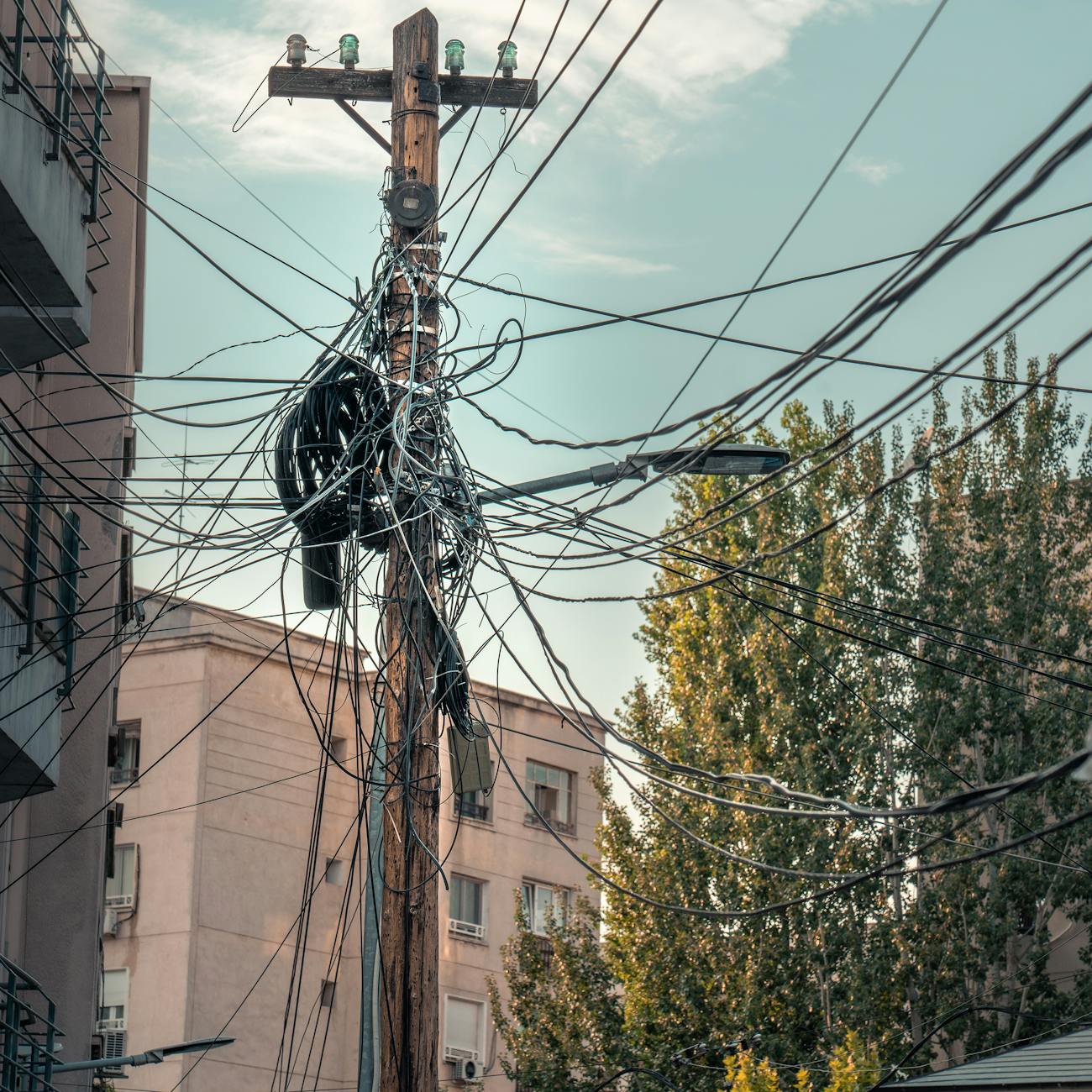
Energy Diplomacy in Developing Countries involves the strategic management of energy resources, policies, and relationships to promote national interests in the global energy landscape. It is a crucial aspect of international relations that encompasses a wide range of activities, from negotiating energy agreements to resolving disputes over energy resources. This course on Energy Diplomacy aims to equip students with the knowledge and skills necessary to navigate the complex world of energy diplomacy, particularly in developing countries where energy security and sustainability are key priorities.
Key Terms and Vocabulary:
1. **Energy Diplomacy**: Energy diplomacy refers to the use of diplomatic tools and strategies to secure access to energy resources, promote energy security, and advance national interests in the global energy market. It involves negotiations, agreements, and collaborations with other countries and international organizations to ensure a stable and sustainable energy supply.
2. **Developing Countries**: Developing countries are nations that are in the process of industrialization and economic growth, typically characterized by lower levels of income, infrastructure development, and access to resources compared to developed countries. These countries often face challenges in meeting their energy needs and are vulnerable to energy shocks and price fluctuations.
3. **Energy Security**: Energy security is the ability of a country to ensure a reliable and affordable supply of energy resources to meet its domestic demand. It involves diversifying energy sources, enhancing energy efficiency, and reducing dependence on imports to mitigate the risks of supply disruptions and price volatility.
4. **Energy Transition**: Energy transition refers to the shift from fossil fuels to renewable energy sources such as solar, wind, and hydropower to reduce greenhouse gas emissions and combat climate change. Developing countries are increasingly embracing energy transition initiatives to promote sustainable development and reduce their carbon footprint.
5. **Geopolitics**: Geopolitics is the study of the influence of geographical factors on political relations between states. Energy geopolitics examines how energy resources, pipelines, and supply routes shape international politics and security dynamics. Developing countries often find themselves at the center of geopolitical struggles over access to energy resources and infrastructure.
6. **Energy Diplomat**: An energy diplomat is a government official or representative tasked with negotiating energy agreements, promoting energy cooperation, and representing their country's interests in international energy forums. Energy diplomats play a crucial role in advancing energy security, sustainability, and economic development objectives.
7. **Energy Governance**: Energy governance refers to the framework of laws, policies, institutions, and regulations that govern the production, distribution, and consumption of energy resources. Effective energy governance is essential for promoting transparency, accountability, and sustainability in the energy sector of developing countries.
8. **Energy Poverty**: Energy poverty is a condition where individuals or communities lack access to modern energy services such as electricity, clean cooking fuels, and heating. It is a significant challenge in developing countries, where millions of people rely on traditional biomass for cooking and heating, leading to health, environmental, and economic impacts.
9. **Energy Diplomatic Tools**: Energy diplomatic tools are instruments used by governments to pursue their energy diplomacy objectives. These tools include bilateral and multilateral agreements, energy dialogues, technical assistance programs, capacity-building initiatives, and energy diplomacy summits. They help countries strengthen energy partnerships, resolve conflicts, and promote sustainable energy development.
10. **Energy Infrastructure**: Energy infrastructure includes the physical assets and systems necessary for the production, transmission, and distribution of energy resources. This includes power plants, pipelines, transmission lines, substations, storage facilities, and renewable energy installations. Developing countries often face challenges in upgrading and expanding their energy infrastructure to meet growing demand and enhance energy security.
11. **Energy Cooperation**: Energy cooperation involves collaboration between countries to share energy resources, technology, and expertise for mutual benefit. It can take the form of joint ventures, energy swaps, capacity-building programs, and research partnerships. Energy cooperation is essential for enhancing energy security, promoting regional stability, and achieving sustainable development goals.
12. **Energy Market**: The energy market is a global marketplace where energy resources such as oil, natural gas, coal, and renewable energy are bought and sold. Prices are determined by supply and demand dynamics, geopolitical factors, and market speculation. Developing countries are major players in the energy market, both as consumers and producers, and are increasingly seeking to diversify their energy sources and markets to reduce vulnerabilities.
13. **Energy Efficiency**: Energy efficiency refers to the use of technologies and practices that reduce energy consumption without compromising comfort or productivity. Improving energy efficiency is a cost-effective way for developing countries to enhance energy security, reduce greenhouse gas emissions, and lower energy bills for consumers and businesses.
14. **Energy Access**: Energy access is the availability of reliable and affordable energy services to all segments of society, including households, businesses, and public institutions. Access to modern energy is essential for economic development, education, healthcare, and quality of life. Developing countries are striving to expand energy access through electrification programs, off-grid solutions, and renewable energy projects.
15. **Renewable Energy**: Renewable energy is derived from natural resources that are replenished on a human timescale, such as sunlight, wind, water, and biomass. It is a clean and sustainable alternative to fossil fuels that can help reduce carbon emissions and combat climate change. Developing countries are increasingly investing in renewable energy projects to diversify their energy mix and promote environmental sustainability.
16. **Energy Diplomacy Challenges**: Energy diplomacy faces several challenges in developing countries, including geopolitical tensions, resource competition, regulatory barriers, investment constraints, technological gaps, and environmental concerns. Addressing these challenges requires strategic planning, innovative solutions, and international cooperation to promote energy security, sustainability, and economic development.
17. **Energy Sovereignty**: Energy sovereignty is the ability of a country to control its energy resources, policies, and decisions without external interference. It is a key principle of energy diplomacy that emphasizes the rights of countries to determine their energy future and pursue their national interests in the global energy arena. Developing countries are striving to enhance their energy sovereignty through domestic energy production, regulatory reforms, and international partnerships.
18. **Energy Diplomacy Strategies**: Energy diplomacy strategies are long-term plans and actions designed to achieve energy security, sustainability, and economic development goals. These strategies may include diversifying energy sources, building energy infrastructure, promoting energy efficiency, fostering energy cooperation, and engaging in multilateral energy initiatives. Developing countries need to adopt tailored energy diplomacy strategies to address their unique challenges and opportunities in the energy sector.
19. **Energy Transition Challenges**: Energy transition poses challenges for developing countries, including the high costs of renewable energy technologies, grid integration issues, policy uncertainties, and social acceptance barriers. Transitioning from fossil fuels to renewables requires careful planning, stakeholder engagement, and capacity-building to ensure a smooth and successful transformation of the energy sector. Energy diplomacy plays a vital role in supporting energy transition efforts and facilitating international collaboration on clean energy solutions.
20. **Energy Security Risks**: Energy security risks in developing countries include supply disruptions, price volatility, geopolitical conflicts, energy poverty, environmental degradation, and climate change impacts. These risks can undermine economic stability, social cohesion, and environmental sustainability, necessitating proactive measures such as energy diversification, infrastructure resilience, crisis management, and diplomatic engagement to mitigate their impact. Energy diplomacy is essential for managing energy security risks and promoting resilience in the face of evolving energy challenges.
In conclusion, Energy Diplomacy in Developing Countries is a multifaceted field that requires a deep understanding of energy dynamics, geopolitical realities, and sustainable development imperatives. By mastering the key terms and vocabulary outlined in this course, students can enhance their knowledge and skills in energy diplomacy and contribute to shaping a more secure, sustainable, and inclusive energy future for all.
Key takeaways
- Energy Diplomacy in Developing Countries involves the strategic management of energy resources, policies, and relationships to promote national interests in the global energy landscape.
- **Energy Diplomacy**: Energy diplomacy refers to the use of diplomatic tools and strategies to secure access to energy resources, promote energy security, and advance national interests in the global energy market.
- These countries often face challenges in meeting their energy needs and are vulnerable to energy shocks and price fluctuations.
- It involves diversifying energy sources, enhancing energy efficiency, and reducing dependence on imports to mitigate the risks of supply disruptions and price volatility.
- **Energy Transition**: Energy transition refers to the shift from fossil fuels to renewable energy sources such as solar, wind, and hydropower to reduce greenhouse gas emissions and combat climate change.
- Developing countries often find themselves at the center of geopolitical struggles over access to energy resources and infrastructure.
- **Energy Diplomat**: An energy diplomat is a government official or representative tasked with negotiating energy agreements, promoting energy cooperation, and representing their country's interests in international energy forums.