
Creating Baked Goods for Social Events
Proofing refers to the period when dough rests and ferments, allowing yeast to produce carbon dioxide that expands the structure. In the context of baked goods for senior gatherings, controlled proofing is essential to achieve a tender crum…
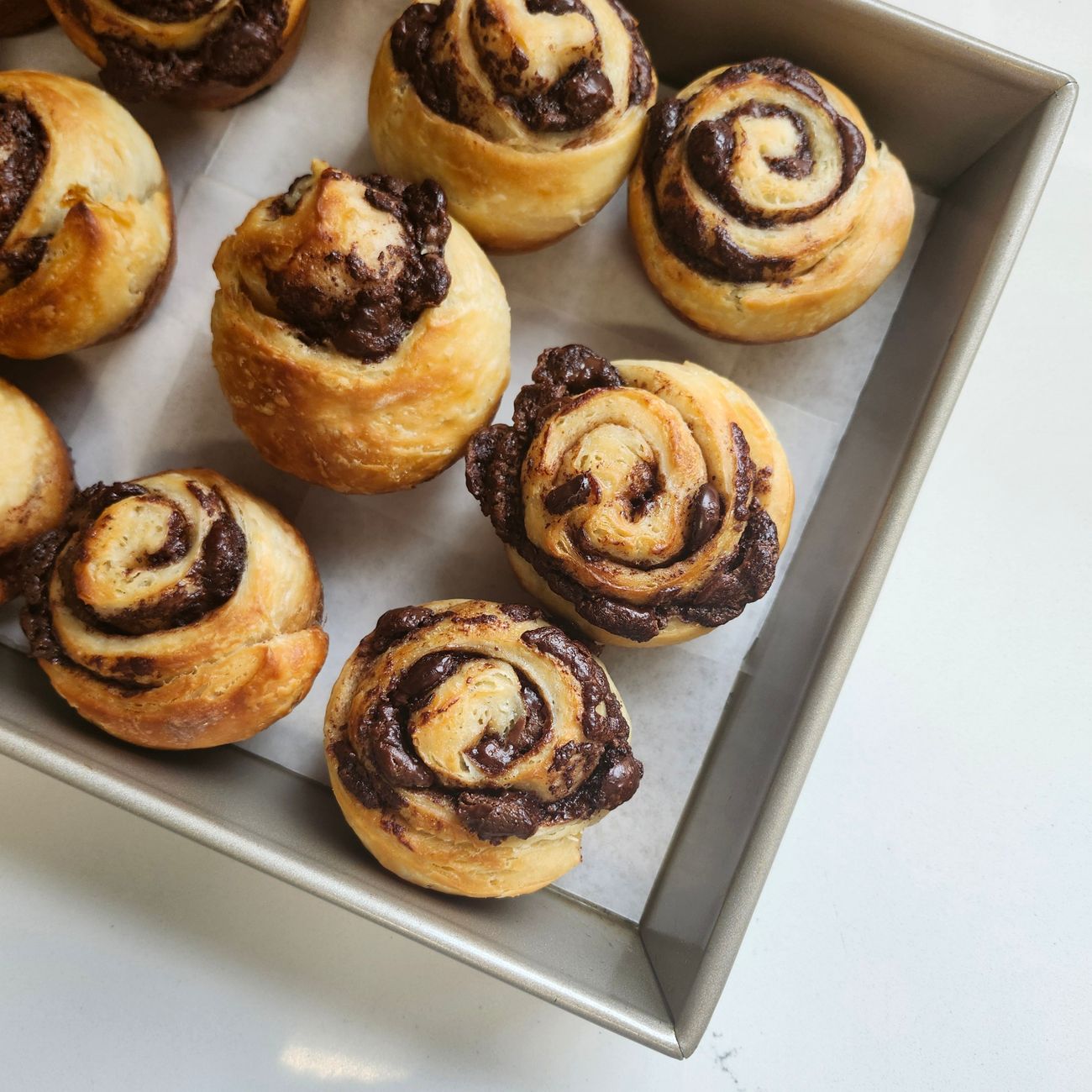
Proofing refers to the period when dough rests and ferments, allowing yeast to produce carbon dioxide that expands the structure. In the context of baked goods for senior gatherings, controlled proofing is essential to achieve a tender crumb without over‑inflating the product, which can make it difficult to cut or chew. For example, a simple yeast‑raised coffee cake may be proofed at a modest room temperature of 75°F for 45 minutes, then gently punched down to release large gas pockets. A common challenge is that older bakers may underestimate the timing, leading to under‑proofed items that are dense, or over‑proofed items that collapse after baking. Using a kitchen timer and a visual cue such as a doubled size helps maintain consistency.
Creaming method is a mixing technique where softened butter and sugar are beaten together until light and fluffy. This incorporates air, which contributes to a light texture—an important factor for ease of eating among older adults. When preparing a vanilla scone for a community brunch, the butter should be at a softened state, not melted, to avoid a greasy result. The sugar crystals create tiny pockets of air that later expand in the oven. A frequent difficulty is over‑creaming, which can cause the batter to become too aerated, resulting in a crumb that is overly fragile. To avoid this, stop mixing as soon as the mixture no longer looks granular and has a smooth sheen.
Folding technique is employed when incorporating delicate ingredients such as beaten egg whites or whipped cream into a batter without deflating them. In a fruit‑laden chiffon cake meant for a celebration, the egg whites are whipped to stiff peaks, then gently folded into the base batter using a rubber spatula. The motion should be a slow, sweeping motion, turning the bowl to maintain the air bubbles. For seniors, a well‑executed fold yields a cake that rises evenly and retains moisture, making each slice moist but not soggy. A typical mistake is vigorous stirring, which collapses the foam and produces a heavy, dense crumb. Practicing the “cut‑and‑lift” motion a few times with a small test batch can build confidence.
Lamination describes the process of creating layers of dough and fat, most famously used in croissants and puff pastry. For a social event where mini‑croissants are served as finger foods, the dough is rolled thin, butter is encased, and the packet is folded repeatedly to produce distinct layers. The key vocabulary includes turns (the number of folds), resting (the chilling period between turns), and sheeting (the rolling out of the dough). Proper lamination ensures a flaky texture that breaks apart easily, a desirable quality for those who may have limited dental strength. The challenge lies in maintaining a cold butter block; if the butter warms, it can seep into the dough, eliminating layers and resulting in a greasy product. Using a chilled work surface and a refrigerator between turns mitigates this risk.
Glaze is a thin, often sweet coating applied to pastries after baking to add shine and flavor. A simple sugar glaze made from powdered sugar, lemon juice, and a splash of water can be brushed over a batch of almond biscuits destined for a retirement home tea party. The glaze sets quickly, providing a pleasant glossy finish that also helps seal in moisture, keeping the biscuits soft for longer periods. When working with residents who have diabetes, a low‑sugar glaze can be created using a sugar substitute and a hint of vanilla extract. A frequent issue is over‑applying the glaze, which can make the surface tacky and cause the biscuits to stick together during transport. Applying a thin, even coat with a pastry brush and allowing it to set for five minutes resolves this problem.
Icing differs from glaze in that it is typically thicker and may be used for decorative purposes, such as piping designs on cupcakes. For a festive birthday gathering, a buttercream icing flavored with orange zest can be piped onto mini‑cupcakes using a small star tip. The vocabulary surrounding icing includes soft‑peak (the stage where the frosting holds a gentle peak), stiff‑peak (for more defined piping), and crumb coat (a thin layer that locks in crumbs before the final decoration). When serving the elderly, it is important to keep the icing smooth and not overly sugary, as overly sweet toppings can mask the flavor of the cake itself. A common challenge is achieving the right consistency; too soft and the icing slides off, too stiff and it cracks. Adjusting the ratio of powdered sugar to butter, and adding a teaspoon of milk or cream at a time, helps fine‑tune the texture.
Decorating encompasses both visual and textural enhancements that make baked goods appealing for social gatherings. Terms such as sprinkling (adding tiny decorative pieces like colored sugar or finely chopped nuts), drizzling (pouring a thin stream of glaze or chocolate), and dusting (lightly coating with powdered sugar) are integral to the process. For a senior center’s holiday celebration, a batch of gingerbread cookies might be decorated with a light dusting of cinnamon sugar, creating a subtle flavor boost and an attractive presentation. Practical application involves using a fine-mesh sieve for dusting, which prevents clumping and ensures a uniform layer. One challenge is that too many decorative elements can increase the risk of choking for residents with swallowing difficulties. Selecting soft, easily dissolvable decorations, such as finely ground spices, minimizes this hazard while still providing visual interest.
Soft crumb is a descriptive term indicating a tender, moist interior that is easy to bite and chew. Achieving a soft crumb in a banana loaf intended for a morning gathering involves careful measurement of moisture‑rich ingredients like ripe bananas, yogurt, and a modest amount of oil. The vocabulary includes moisture retention (the ability of the crumb to stay hydrated), crumb structure (the arrangement of air cells), and fat distribution (how butter or oil is dispersed). For older adults, a soft crumb reduces the effort needed to bite through the product and lessens the chance of dental discomfort. A typical difficulty is over‑mixing the batter, which can develop gluten and create a tougher texture. Mixing until just combined, and allowing the loaf to cool in the pan for ten minutes before turning out, helps preserve the desired softness.
Moisture retention refers to the capacity of a baked item to hold water during and after baking, extending its freshness. In a slice of lemon drizzle cake served at an afternoon tea, the incorporation of a simple syrup—equal parts sugar and water boiled and cooled—after baking adds both flavor and humidity. The term simple syrup is part of the vocabulary, as is brush technique, which involves gently applying the syrup with a pastry brush. For seniors who may consume the cake over several days, moisture retention is crucial to prevent drying out. A challenge arises when the cake is stored in a refrigerator, which can cause the crumb to stiffen; covering the cake tightly with plastic wrap before refrigeration helps maintain softness.
Low‑sugar baking focuses on reducing sucrose while still delivering acceptable sweetness and structure. When preparing a mixed‑berry tart for a diabetes‑friendly event, the filling may be sweetened with a blend of stevia and a touch of honey. Vocabulary related to low‑sugar includes sweetness level, glycemic index, and alternative sweetener. The practical application involves testing the batter’s taste before baking, as some alternative sweeteners can have a bitter aftertaste. A common challenge is that sugar also contributes to browning and texture; reducing it can lead to pale, crumbly crusts. Compensating with a small amount of natural malt syrup or adjusting the oven temperature a few degrees higher can improve color without adding excess sugar.
Allergen‑friendly terminology is essential for catering to residents with dietary restrictions. Key terms include gluten‑free, nut‑free, dairy‑free, and egg‑substitute. For a community potluck, a batch of oat‑based shortbread cookies may be made using gluten‑free oat flour, a plant‑based butter, and a flaxseed “egg” (one tablespoon ground flaxseed mixed with three tablespoons water). The process of creating a flax egg involves letting the mixture sit for five minutes until it gels. Practical application requires thorough cleaning of surfaces to avoid cross‑contamination, especially when other items containing allergens are prepared in the same kitchen. A challenge is achieving the same texture as traditional recipes; adding a small amount of xanthan gum can improve elasticity in gluten‑free doughs.
Portion size is a crucial consideration when serving baked goods at social events for the elderly. Vocabulary such as single‑serve, miniature, and bite‑size help define the appropriate amount. For instance, a mini‑quiche made in a muffin tin provides a convenient single‑serve portion that is easy to handle. The practical application includes using standard measuring tools, such as a 1/4‑cup scoop for batter, to ensure uniformity across servings. A frequent challenge is balancing portion size with nutritional needs; too small a portion may not satisfy hunger, while too large a portion may be overwhelming. Consulting a dietitian to determine the caloric target per serving can guide the sizing decisions.
Serving temperature influences both flavor perception and texture. Terms like room temperature, warm, and chilled describe the state of the product at the point of consumption. A slice of carrot cake served at room temperature will have a softer crumb and more aromatic spice notes than a chilled slice, which can become firmer and less fragrant. For a senior gathering, serving pastries slightly warm—approximately 95°F—enhances palatability without risking burns. Practical application involves timing the baking so that the goods finish just before the event, allowing a brief cooling period before serving. A challenge is maintaining the optimal temperature during transport; insulated carriers or warming trays can help preserve the intended serving condition.
Transportability refers to the ability of baked items to withstand movement without losing shape or quality. Vocabulary includes sturdy base, non‑slip mat, and protective container. When delivering a tray of cinnamon rolls to a senior living facility, using a rigid, shallow pan with parchment paper prevents the rolls from sliding and sticking together. The rolls should be placed with a small gap between them to avoid compression. A common issue is condensation forming inside the container, which can make the pastries soggy. To counter this, a thin layer of paper towel can be placed under the lid to absorb excess moisture. Additionally, allowing the rolls to cool completely before covering them reduces steam buildup.
Shelf life defines the period during which a baked product remains safe and enjoyable to eat. Key terms include best‑by date, storage humidity, and preservative‑free. For a batch of blueberry muffins intended to be consumed over several days, storing them in an airtight container at a cool, dry location extends their freshness to up to five days. If longer storage is required, the muffins can be frozen, which introduces the term freeze‑thaw cycle. Practical application involves labeling each container with the production date and recommended consumption window. A challenge is that moisture can migrate, causing the muffins to become dry on the outside while remaining moist inside. Reheating the muffins briefly in a low‑heat oven before serving can revitalize the texture.
Stand mixer is a common piece of equipment that simplifies many mixing tasks. Vocabulary associated with a stand mixer includes beaters (flat or whisk attachments), dough hook, and speed settings. When preparing a batch of soft banana bread, the dough hook is used on low speed to combine the wet and dry ingredients without over‑mixing. The beaters are ideal for the creaming method of butter and sugar. For seniors who may have limited hand strength, a stand mixer reduces physical strain and ensures consistent results. A typical challenge is over‑loading the bowl, which can cause the motor to strain and result in uneven mixing. Following the manufacturer’s capacity guidelines and using the appropriate attachment for each step mitigates this risk.
Bench scraper is a versatile tool used to lift, cut, and shape dough. In the process of shaping a loaf for a family reunion, the bench scraper helps transfer the dough from the work surface to the baking pan without tearing. Vocabulary includes folding (using the scraper to fold dough onto itself), cutting (segmenting dough into individual portions), and cleaning (scraping excess flour from the surface). For older bakers, the bench scraper offers a gentle way to handle sticky dough, reducing the need for excessive kneading that can be hard on the hands. A challenge may arise when the dough is overly wet, causing the scraper to stick. Lightly dusting the scraper with flour before use can alleviate adhesion.
Thermometer is essential for ensuring baked goods reach safe internal temperatures. Key terms include instant‑read, probe, and target temperature. For a meat‑filled pastry, the internal temperature should reach at least 165°F to guarantee food safety. In a sweet context, a cake’s doneness is often confirmed when the thermometer reads 200°F in the center, indicating a fully set crumb. Practical application involves inserting the probe into the thickest part of the product, avoiding contact with the pan. A common difficulty is misreading the temperature due to a cold spot; rotating the probe and taking multiple readings improves accuracy. For seniors with visual impairments, a large‑dial thermometer with clear markings can be a helpful adaptation.
Scale provides precise measurement of ingredients, which is vital for consistency. Vocabulary includes gram weight, tare function, and digital display. When making a batch of shortbread that requires a 1:2:1 Ratio of butter, sugar, and flour (by weight), using a scale eliminates the variability inherent in volume measurements. For older participants who may have difficulty handling measuring cups, the tare function allows the weight of the bowl to be zeroed out, simplifying the process. A frequent challenge is the scale’s sensitivity to vibrations; placing it on a stable surface and waiting for the reading to stabilize ensures accurate measurements.
Silicone mat offers a non‑stick surface for baking, reducing the need for excess grease. Terms such as heat resistance, reusable, and easy release describe its properties. When baking a batch of lemon bars, the silicone mat prevents the bars from sticking to the pan, allowing for clean cuts. Practical application includes trimming the mat to fit the pan size and lightly greasing the edges to prevent any slight cling. A challenge can be that the mat may retain odors from strongly flavored baked goods; washing it promptly with mild detergent and air‑drying prevents flavor transfer.
Whisk is a tool used to incorporate air into liquids or to blend dry ingredients. Vocabulary includes balloon whisk, flat whisk, and beat. For a light meringue topping on a lemon chiffon cake, a balloon whisk is employed to beat egg whites to stiff peaks. The shape of the whisk creates turbulence, drawing in air and stabilizing the foam. In a senior class, using a whisk can be physically demanding; an electric hand‑mixer with a whisk attachment can reduce fatigue while still achieving the desired aeration. A common problem is under‑whisking, which results in a weak foam that collapses during baking. Observing the glossy, glossy peaks that form when lifting the whisk out of the mixture confirms proper aeration.
Pastry brush is used for applying liquids such as egg wash, glaze, or butter. Vocabulary includes silicone bristles, egg wash, and even coating. When preparing a batch of puff pastry turnovers, a light egg wash brushed over the tops before baking yields a golden, glossy finish. For residents with limited dexterity, a pastry brush with a comfortable handle can make the task easier. A typical challenge is over‑applying the wash, which can cause the pastry to become soggy. Using a small amount of wash on a paper towel and then brushing gently helps control the amount applied.
Rolling pin is a cylindrical tool used to flatten dough. Terms such as French‑style, non‑stick surface, and even pressure describe its varieties. When making a sheet of shortcrust pastry for a tart, the dough is rolled out to a uniform thickness of about ¼ inch. Consistent pressure ensures even baking and prevents thin spots that could burn. For older bakers, a rolling pin with ergonomic grips can reduce strain on the wrists. A difficulty may arise when the dough sticks to the rolling pin; lightly dusting both the surface and the pin with flour prevents adhesion while maintaining a smooth finish.
Cooling rack allows baked items to cool evenly by promoting air circulation. Vocabulary includes wire grid, elevated platform, and post‑bake rest. After removing a batch of oatmeal cookies from the oven, transferring them to a cooling rack prevents the bottoms from becoming soggy due to trapped steam. For seniors, the height of the rack should be low enough to avoid reaching, yet high enough to allow airflow. A challenge is that delicate pastries may slide off if the rack’s wires are too widely spaced; placing a silicone mat on the rack can provide additional support.
Food safety terminology is essential for any baking operation, especially when serving vulnerable populations. Key terms include cross‑contamination, hand washing, sanitizing, and temperature control. When preparing a fruit‑filled cake, it is important to wash fresh fruit thoroughly and keep it refrigerated until incorporation. Practical application involves designating separate cutting boards for raw produce and baked goods, and using color‑coded utensils to avoid mixing. A common challenge is maintaining proper hygiene in a busy kitchen; implementing a checklist for cleaning surfaces between tasks helps reinforce safe practices.
Ingredient substitution involves replacing one component with another to meet dietary needs or ingredient availability. Vocabulary includes equivalent ratio, flavor profile, and texture impact. For example, substituting applesauce for butter in a banana loaf reduces saturated fat while preserving moisture. The equivalent ratio is typically 1:1 For applesauce to butter, but the texture may become slightly denser. Practical application requires testing the substitution in a small batch before scaling up for a large event. A challenge is that some substitutes, like almond flour for wheat flour, alter the crumb structure; adding a binder such as xanthan gum can compensate for the loss of gluten.
Resting period is the time allowed for dough or batter to sit after mixing, which enhances gluten relaxation and flavor development. Terms such as autolyse (a brief rest of flour and water before adding other ingredients) and bulk fermentation (the primary rise for yeasted dough) fall under this concept. In a senior-friendly focaccia, an autolyse of 20 minutes allows the dough to become more extensible, making it easier to shape without excessive force. Practical application includes covering the dough with a damp cloth to prevent drying. A frequent difficulty is forgetting the resting time, leading to a less developed flavor and a tougher texture. Setting a timer and labeling the container with “rest” can serve as reminders.
Gluten development refers to the formation of a protein network that gives structure to baked goods. Vocabulary includes kneading, folding, and elasticity. For a soft dinner roll, gentle kneading for 5–7 minutes develops sufficient gluten to hold the shape while remaining tender. In the context of elderly diners, excessive gluten can create a chewiness that may be difficult to manage. Therefore, using a lower protein flour, such as pastry flour, reduces gluten formation and yields a softer crumb. A challenge is balancing structure and tenderness; under‑kneading can cause the rolls to spread, while over‑kneading can make them tough. Observing the dough’s “windowpane” test—stretching a small piece until it becomes translucent without tearing—helps gauge development.
Leavening agents are substances that cause dough to rise. Common terms include baking powder, baking soda, and yeast. When preparing a quick‑rise scone for a mid‑morning snack, baking powder provides an immediate lift, eliminating the need for long proofing times. For seniors who may have limited time for preparation, quick leaveners are advantageous. Practical application involves measuring the leavening agent accurately, as excess can cause a bitter taste and excessive browning. A typical challenge is that the potency of baking powder can diminish over time; testing its freshness by mixing a small amount with warm water—if it bubbles vigorously, it is still active—prevents flat results.
Flavor pairing describes the combination of complementary tastes that enhance the overall experience. Vocabulary includes sweet‑salty contrast, herb infusion, and spice balance. For a tea‑time event, pairing a lightly sweetened lavender shortbread with a citrus‑infused tea creates a harmonious blend that appeals to older palates. Practical application involves tasting the components separately and then together to ensure the flavors do not overpower one another. A challenge is that some residents may have heightened sensitivity to certain spices; offering a mild version alongside a spiced alternative accommodates diverse preferences.
Texture contrast adds interest by juxtaposing different mouthfeel elements. Terms such as crunchy topping, creamy filling, and soft base are relevant. A layered trifle featuring a soft sponge cake, a creamy vanilla custard, and a crisp caramelized sugar topping illustrates this principle. For elderly diners, the contrast should be subtle; overly crunchy elements can be difficult to chew. Practical application includes grinding nuts to a coarse powder rather than a fine meal, providing a gentle crunch without hard shards. A frequent issue is that the crunchy component may become soggy if left in contact with moist layers for too long; adding it just before serving preserves its texture.
Portability packaging involves selecting containers that protect the product during transport. Vocabulary includes clamshell container, reusable tote, and vented lid. When delivering a batch of muffins to a community center, a clamshell container with a vented lid allows steam to escape, preventing condensation that could make the muffins soggy. Practical application involves arranging the muffins in a single layer, using parchment squares to separate them if needed. A challenge is that some packaging materials can retain odors; choosing neutral‑colored, food‑grade plastics reduces this risk and maintains the product’s intended flavor.
Ingredient sourcing emphasizes the importance of quality and freshness. Key terms include local produce, organic certification, and seasonal availability. For a summer gathering, sourcing strawberries at their peak ensures vibrant color and natural sweetness in a fruit tart. Practical application involves establishing relationships with local farmers’ markets or co‑ops, which can also support community health initiatives. A challenge is that seasonal ingredients may not be available year‑round; planning menus that rotate with the seasons mitigates reliance on out‑of‑season produce.
Recipe scaling is the process of adjusting ingredient quantities to meet the size of the event. Vocabulary includes conversion factor, batch size, and proportional adjustment. If a recipe yields twelve cupcakes but the event requires sixty, the conversion factor is 5. Multiplying each ingredient by 5 maintains the balance of flavors and textures. Practical application includes using a spreadsheet to calculate the scaled amounts, and rounding to the nearest convenient measurement (e.G., 2.5 Cups instead of 2.48 Cups). A common difficulty is scaling leavening agents; small rounding errors can cause overly airy or dense results. Adjusting leavening proportionally and testing a small pilot batch helps ensure accuracy.
Time management is essential for coordinating multiple baked items for a single event. Terms such as mise en place (pre‑preparation of ingredients), staggered baking, and critical path are relevant. For a birthday celebration with a variety of pastries—eclairs, mini‑tarts, and scones—organizing the order of baking so that items with similar temperatures are placed together saves oven space and reduces temperature fluctuations. Practical application includes creating a timeline that lists prep, bake, cooling, and decorating phases for each item. A challenge is unexpected delays, such as a dough taking longer to rise; building buffer time into the schedule and having backup items that require minimal preparation can keep the event on track.
Quality control involves checking the final product for consistency in appearance, taste, and texture. Vocabulary includes visual inspection, taste test, and texture assessment. Before serving a batch of honey‑glazed tea cakes, the baker should examine each piece for uniform glaze coverage, perform a quick taste check for appropriate sweetness, and press lightly to ensure a tender crumb. For senior audiences, a smooth, consistent product reduces the risk of uneven mouthfeel. Practical application includes establishing a checklist that the baker reviews before packaging. A typical challenge is subjective variation in taste; having a second baker or a designated taste‑panel member can provide an objective perspective.
Allergy labeling is critical when foods are served to a group with potential sensitivities. Key terms include ingredient list, cross‑contact warning, and nut‑free certification. When preparing a batch of oat cookies, the label should clearly state “Contains oats, butter, and egg; processed in a facility that also handles nuts.” This transparency allows residents with nut allergies to make informed choices. Practical application involves printing labels on waterproof paper and attaching them to each serving container. A common difficulty is ensuring the label stays legible after refrigeration; using a clear plastic sleeve over the label protects it from moisture.
Portion control ensures that each serving delivers a balanced amount of nutrition. Vocabulary includes serving size, nutrient density, and caloric content. For a luncheon, a 2‑inch square of lemon drizzle cake may be designated as a single serving, providing approximately 150 calories. Practical application includes using a kitchen scale to weigh each piece before plating, and arranging them on a tray with visual markers for staff. A challenge is that baked goods can vary slightly in weight due to irregular shapes; trimming edges with a knife to achieve uniform dimensions helps standardize portions.
Moisture barrier refers to a layer that prevents moisture loss from the interior of a baked product. Terms such as cocoa butter coating, fatty glaze, and waxed paper describe methods to achieve this. For a batch of chocolate‑covered shortbread, a thin coating of melted chocolate acts as a barrier, locking in the crumb’s softness. Practical application involves dipping the shortbread quickly and allowing the coating to set on a parchment sheet. A common problem is that the coating can become too thick, creating a hard shell; controlling the temperature of the chocolate and using a light hand during dipping prevents excessive buildup.
Flavor development occurs through processes such as caramelization, Maillard reaction, and fermentation. Vocabulary includes browning, umami enhancement, and aging. When baking a walnut loaf, allowing the batter to rest for 30 minutes before baking encourages the nuts to release oils, deepening the flavor. The Maillard reaction, which starts around 300°F, creates a golden crust with complex, savory notes that complement the sweetness of the loaf. Practical application includes monitoring oven temperature with a calibrated thermometer to ensure the desired browning without burning. A challenge is that older ovens may have temperature inconsistencies; rotating the trays midway through baking can promote even color development.
Temperature gradients describe the variation of heat within a baking pan, which can affect the final texture. Terms such as center heat, edge cooling, and thermal conductivity are relevant. In a deep‑dish fruit crumble, the center may bake more slowly than the edges, leading to a soggy middle if not accounted for. Practical application includes using a metal pan with high thermal conductivity for uniform heat distribution, or reducing the batter depth to promote even baking. A common difficulty is that glass pans retain heat longer, causing the edges to continue cooking after removal from the oven; allowing the crumble to rest for a few minutes on a cooling rack helps the interior set without over‑cooking the edges.
Ingredient temperature influences dough behavior and final product quality. Vocabulary includes room‑temperature butter, cold water, and chilled dough. For a flaky pie crust, keeping the butter cold ensures it remains in solid pieces, creating pockets that become flaky layers after baking. Conversely, when making a quick‑mix pancake batter, using room‑temperature eggs and milk yields a smoother consistency. Practical application involves checking ingredient temperatures with a quick‑read thermometer, and adjusting by leaving items on the counter or refrigerating briefly. A challenge is that in a busy kitchen, ingredients may be left out too long, warming beyond the desired range; establishing a staging area with labeled containers for “cold” and “room‑temp” items helps maintain control.
Resting dough is often confused with proofing, but it specifically refers to the period after mixing when gluten relaxes and the dough becomes easier to shape. Terms such as autolysis, relaxation period, and elasticity reduction describe this stage. For a simple soda‑bread, allowing the dough to rest for 10 minutes after mixing reduces the elasticity, making it easier to press into a pan without springing back. Practical application includes covering the dough with a damp cloth to prevent a dry surface. A common issue is that bakers may skip this step, leading to a tough crust that cracks when removed from the pan. Incorporating a brief rest into the workflow improves handling and final texture.
Egg wash adds color and shine to baked goods. Vocabulary includes egg‑yolk only, whole‑egg mixture, and brush application. For a batch of dinner rolls, brushing with a beaten egg yolk mixed with a tablespoon of milk yields a deep golden crust. Practical application involves whisking the egg and liquid together, then using a pastry brush to apply a thin, even layer. A challenge is that too much egg wash can cause the crust to become overly thick and rubbery; applying just enough to coat the surface lightly avoids this problem.
Flavor infusion involves adding herbs, spices, or extracts to dough or batter to enhance taste. Terms such as steeping, infused oil, and essential oil are relevant. For a rosemary focaccia, the rosemary is steeped in warm olive oil for 10 minutes, then brushed onto the dough before baking, delivering a fragrant aroma. Practical application includes straining the infused oil to remove herb fragments that could burn. A common difficulty is over‑infusion, which can create a bitter taste; timing the steep carefully and tasting the oil before use prevents this.
Batch consistency ensures that each unit of product meets the same standards. Vocabulary includes standard operating procedure, process control, and repeatability. When producing 200 mini‑tarts for a charity event, documenting each step—from ingredient weighing to baking time—creates a repeatable process that yields uniform products. Practical application involves training all staff on the SOP and conducting spot checks throughout production. A challenge is variability in ingredient quality, such as flour moisture content; measuring flour by weight rather than volume reduces this source of inconsistency.
Yield calculation determines how many servings a recipe will produce, which is vital for planning. Terms such as gross yield, net yield, and shrinkage factor are used. For a loaf of banana bread, the gross yield may be 12 slices, but after trimming the crust, the net yield could be 10. Practical application includes accounting for a typical 10% shrinkage when estimating portions for a large gathering. A typical challenge is under‑estimating the shrinkage, leading to insufficient servings; performing a test bake and measuring the final weight helps refine the calculation.
Ingredient synergy describes how components work together to enhance overall quality. Vocabulary includes fat‑sugar interaction, acid‑baking soda reaction, and protein‑starch balance. In a lemon cake, the acidity of lemon juice reacts with baking soda to produce carbon dioxide, giving lift while also brightening flavor. Practical application involves balancing the acid and base components precisely; using a digital scale for both lemon juice and baking soda ensures the correct proportion. A challenge is that too much acid can create a sour taste, while too little reduces leavening; tasting the batter before baking and adjusting accordingly can fine‑tune the synergy.
Nutrition fortification involves adding ingredients that increase the health value of baked goods. Terms such as whole‑grain flour, protein powder, and fiber supplement are relevant. For a senior nutrition program, incorporating oat bran into a muffin recipe adds soluble fiber, supporting digestive health. Practical application includes substituting up to 25% of the all‑purpose flour with oat bran, ensuring the batter remains moist.
Key takeaways
- In the context of baked goods for senior gatherings, controlled proofing is essential to achieve a tender crumb without over‑inflating the product, which can make it difficult to cut or chew.
- When preparing a vanilla scone for a community brunch, the butter should be at a softened state, not melted, to avoid a greasy result.
- In a fruit‑laden chiffon cake meant for a celebration, the egg whites are whipped to stiff peaks, then gently folded into the base batter using a rubber spatula.
- For a social event where mini‑croissants are served as finger foods, the dough is rolled thin, butter is encased, and the packet is folded repeatedly to produce distinct layers.
- A simple sugar glaze made from powdered sugar, lemon juice, and a splash of water can be brushed over a batch of almond biscuits destined for a retirement home tea party.
- When serving the elderly, it is important to keep the icing smooth and not overly sugary, as overly sweet toppings can mask the flavor of the cake itself.
- For a senior center’s holiday celebration, a batch of gingerbread cookies might be decorated with a light dusting of cinnamon sugar, creating a subtle flavor boost and an attractive presentation.