
Innovative Tools and Equipment for Senior Bakers
In the context of the Masterclass Certificate in Baking for the Elderly, it is essential to understand the fundamental tools and equipment required to create innovative baked goods that cater to the specific needs and preferences of senior …
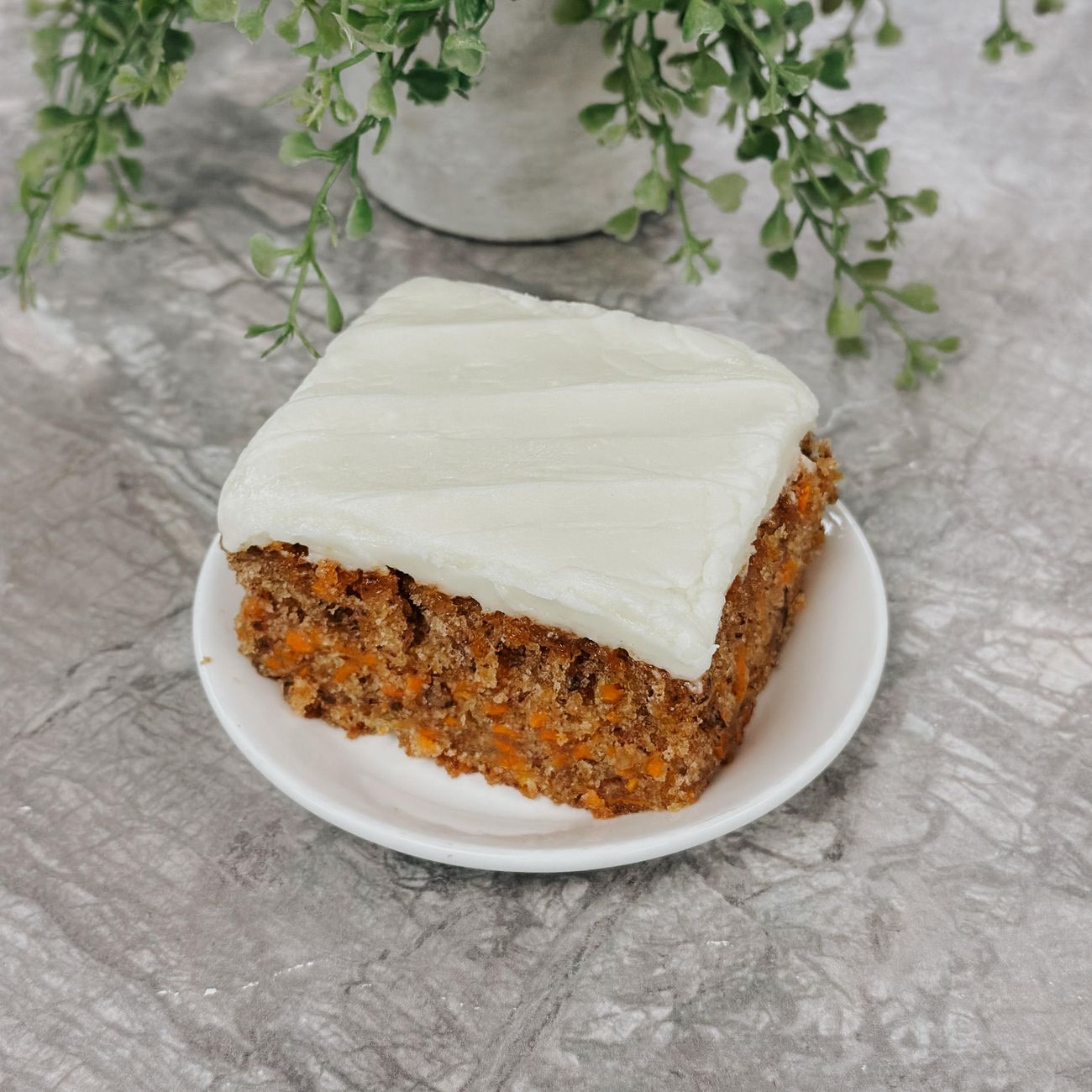
In the context of the Masterclass Certificate in Baking for the Elderly, it is essential to understand the fundamental tools and equipment required to create innovative baked goods that cater to the specific needs and preferences of senior citizens. One of the key terms to understand is assistive technology, which refers to the use of specialized tools and equipment designed to make baking easier and more accessible for elderly individuals with physical or cognitive limitations. For instance, a mixing bowl with a non-slip base can help prevent accidents and make the mixing process more manageable for seniors with arthritis or limited hand strength.
Another crucial aspect of baking for the elderly is the use of adaptive equipment, such as ergonomic handles and adjustable height settings, which can be tailored to meet the individual needs and abilities of each senior baker. For example, a standing mixer with an adjustable height setting can enable seniors to mix and knead dough while standing or sitting, depending on their comfort level and mobility. Additionally, easy-grip utensils and non-slip surfaces can help prevent accidents and make the baking process more enjoyable and accessible for seniors with limited dexterity or hand strength.
The use of technology in baking is also becoming increasingly popular, particularly among elderly individuals who may have difficulty with traditional baking methods. For instance, digital scales and automated mixing machines can help simplify the baking process and reduce the risk of errors or accidents. Furthermore, online recipes and video tutorials can provide seniors with easy access to a wide range of baking resources and instructions, enabling them to learn new skills and techniques from the comfort of their own homes.
In terms of specific tools and equipment, senior bakers may benefit from using lightweight and portable mixers, which can be easily transported and stored, making them ideal for small kitchens or baking areas. Additionally, compact and space-saving equipment, such as mini ovens and toaster ovens, can be used to bake small batches of goods, reducing waste and making the baking process more efficient. For example, a mini oven can be used to bake individual-sized portions of cakes, cookies, and other sweet treats, which can be perfect for seniors who live alone or have limited storage space.
When it comes to baking for special diets, such as gluten-free or low-sugar, senior bakers may need to use specialized ingredients and equipment to ensure that their baked goods meet the required dietary standards. For instance, a gluten-free mixer or dedicated gluten-free baking surface can help prevent cross-contamination and ensure that gluten-free baked goods are safe for consumption. Similarly, sugar-free sweeteners and natural flavorings can be used to create low-sugar baked goods that are not only delicious but also healthy and nutritious.
The presentation of baked goods is also an important aspect of baking for the elderly, as it can greatly impact the overall appeal and enjoyment of the baking experience. For example, decorative molds and colorful sprinkles can be used to create visually appealing cakes and cupcakes, while garnishes and toppings can add a touch of elegance and sophistication to baked goods. Additionally, portion control and packaging can help seniors manage their food intake and maintain a healthy diet, while also making it easier to share baked goods with friends and family.
In terms of safety and hygiene, senior bakers must take extra precautions to ensure that their baking environment is clean and safe. For instance, easy-to-clean surfaces and sanitizing solutions can help prevent the spread of bacteria and other microorganisms, while secure storage and labeling can help prevent accidents and ensure that ingredients and equipment are used safely and efficiently.
The use of innovative tools and equipment can also help senior bakers to overcome common challenges and barriers associated with baking, such as limited mobility or dexterity. For example, voice-activated mixers and automated baking systems can enable seniors to bake independently, even if they have difficulty with manual mixing or measuring ingredients. Additionally, accessible recipe books and online resources can provide seniors with easy access to a wide range of baking information and instructions, enabling them to learn new skills and techniques at their own pace.
Furthermore, the social aspect of baking can be a great way for seniors to connect with others and build relationships within their community. For instance, group baking classes and workshops can provide seniors with opportunities to meet new people and share their baking experiences, while online baking communities and forums can enable seniors to connect with other bakers and share recipes and tips.
In addition to the physical and social benefits of baking, the creative aspect of baking can also be a great way for seniors to express themselves and tap into their imagination. For example, custom cake decorating and artistic bread design can enable seniors to create unique and personalized baked goods that reflect their personality and style. Additionally, experimentation with new ingredients and techniques can help seniors to stay engaged and motivated, while also discovering new flavors and textures to enjoy.
When it comes to storage and organization, senior bakers must take extra precautions to ensure that their baking equipment and ingredients are stored safely and efficiently. For instance, secure storage containers and labeling can help prevent accidents and ensure that ingredients and equipment are used safely and efficiently. Additionally, easy-to-access shelving and organizational systems can help seniors to quickly and easily locate the ingredients and equipment they need, reducing stress and making the baking process more enjoyable.
The economic benefits of baking can also be a great way for seniors to save money and budget their expenses. For example, homemade baked goods can be a cost-effective alternative to store-bought treats, while bulk purchasing and meal planning can help seniors to reduce their food waste and save money on ingredients. Additionally, selling baked goods or trading with friends and family can be a great way for seniors to earn extra income or acquire new ingredients and equipment.
In terms of cultural and traditional baking practices, senior bakers may be interested in exploring different types of international and regional baking, such as Italian, French, or Asian-style baking. For instance, traditional recipes and techniques can be used to create authentic and delicious baked goods that reflect the cultural heritage of a particular region or community. Additionally, modern twists and innovations can be used to create new and exciting baking experiences that blend traditional and contemporary flavors and techniques.
The emotional benefits of baking can also be a great way for seniors to manage stress and anxiety, while also promoting relaxation and wellbeing. For example, the therapeutic benefits of baking can be used to reduce symptoms of depression and anxiety, while creative expression and self-care can help seniors to build confidence and self-esteem. Additionally, social connections and community engagement can help seniors to feel more connected and supported, reducing feelings of loneliness and isolation.
In terms of future trends and developments in baking, senior bakers may be interested in exploring new and emerging technologies and techniques, such as 3D printing and automated baking systems. For instance, innovative ingredients and sustainable practices can be used to create more efficient and environmentally-friendly baking processes, while online platforms and social media can be used to connect with other bakers and share recipes and ideas.
The importance of safety and hygiene in baking cannot be overstated, particularly for seniors who may be more vulnerable to foodborne illnesses and other health risks. For example, proper handwashing and sanitizing techniques can help prevent the spread of bacteria and other microorganisms, while secure storage and labeling can help prevent accidents and ensure that ingredients and equipment are used safely and efficiently.
In terms of resources and support, senior bakers may be interested in accessing online tutorials and video lessons, as well as local baking classes and workshops. For instance, experienced instructors and mentors can provide seniors with personalized guidance and support, while online communities and forums can enable seniors to connect with other bakers and share recipes and ideas.
The value of community and social connections in baking can also be a great way for seniors to build relationships and networks with other bakers and enthusiasts. For example, group baking activities and events can provide seniors with opportunities to meet new people and share their baking experiences, while online platforms and social media can enable seniors to connect with other bakers and share recipes and ideas.
The importance of patience and practice in baking cannot be overstated, particularly for seniors who may be new to baking or looking to improve their skills. For instance, step-by-step instructions and video tutorials can help seniors to learn new techniques and build confidence in their baking abilities, while patient practice and repetition can help seniors to develop muscle memory and improve their overall baking skills.
In terms of challenges and barriers to baking, senior bakers may face a range of obstacles, including limited mobility or dexterity, cognitive impairment, or lack of access to resources and support. For example, assistive technology and adaptive equipment can be used to overcome physical limitations, while online resources and support groups can provide seniors with access to information, guidance, and community.
The role of family and caregivers in supporting senior bakers can also be a great way to promote independence and autonomy in baking. For instance, encouragement and support can help seniors to build confidence and motivation, while practical assistance and guidance can help seniors to overcome physical or cognitive limitations and achieve their baking goals.
In addition to the physical and social benefits of baking, the therapeutic benefits of baking can also be a great way for seniors to manage stress and anxiety, while also promoting relaxation and wellbeing. For example, the meditative aspect of baking can be used to reduce symptoms of depression and anxiety, while creative expression and self-care can help seniors to build confidence and self-esteem.
The importance of sustainability and environmental awareness in baking cannot be overstated, particularly for seniors who may be concerned about the impact of their baking practices on the environment. For instance, eco-friendly ingredients and sustainable practices can be used to reduce waste and minimize the environmental impact of baking, while local sourcing and seasonal ingredients can help to promote community development and economic growth.
In terms of legacy and heritage in baking, senior bakers may be interested in preserving and passing on their baking traditions and recipes to future generations. For example, family recipes and heirloom techniques can be used to create unique and personalized baked goods that reflect the cultural heritage and traditions of a particular family or community. Additionally, storytelling and oral history can be used to share the stories and experiences of senior bakers, helping to preserve their legacy and promote their baking traditions.
The value of intergenerational relationships in baking can also be a great way for seniors to connect with younger generations and share their baking experiences and traditions. For instance, mentoring and apprenticeship programs can provide seniors with opportunities to share their knowledge and skills with younger bakers, while family baking activities and events can help to promote bonding and connection between seniors and their loved ones.
In addition to the physical and social benefits of baking, the economic benefits of baking can also be a great way for seniors to earn extra income or supplement their retirement funds. For example, selling baked goods or trading with friends and family can be a great way for seniors to earn extra money, while entrepreneurial ventures and small business ownership can provide seniors with opportunities to turn their baking passions into profitable enterprises.
The importance of continuing education and professional development in baking cannot be overstated, particularly for seniors who may be looking to improve their baking skills or stay up-to-date with the latest trends and techniques. For instance, online courses and workshops can provide seniors with access to a wide range of baking information and instruction, while conferences and events can provide seniors with opportunities to network with other bakers and learn from experienced instructors and mentors.
In terms of research and development in baking, senior bakers may be interested in exploring new and emerging technologies and techniques, such as 3D printing and automated baking systems. For example, innovative ingredients and sustainable practices can be used to create more efficient and environmentally-friendly baking processes, while online platforms and social media can be used to connect with other bakers and share recipes and ideas.
The role of government and policy in supporting senior bakers can also be a great way to promote access and inclusion in baking. For instance, subsidies and grants can be used to support senior bakers and provide them with access to resources and equipment, while regulations and standards can be used to promote safety and quality in baking.
In addition to the physical and social benefits of baking, the cultural and historical significance of baking can also be a great way for seniors to connect with their heritage and traditions. For example, traditional recipes and techniques can be used to create authentic and delicious baked goods that reflect the cultural heritage and traditions of a particular community or region.
The importance of community and social connections in baking cannot be overstated, particularly for seniors who may be looking to build relationships and networks with other bakers and enthusiasts. For instance, group baking activities and events can provide seniors with opportunities to meet new people and share their baking experiences, while online platforms and social media can enable seniors to connect with other bakers and share recipes and ideas.
The value of patience and practice in baking cannot be overstated, particularly for seniors who may be new to baking or looking to improve their skills.
For instance, proper handwashing and sanitizing techniques can help prevent the spread of bacteria and other microorganisms, while secure storage and labeling can help prevent accidents and ensure that ingredients and equipment are used safely and efficiently.
Key takeaways
- One of the key terms to understand is assistive technology, which refers to the use of specialized tools and equipment designed to make baking easier and more accessible for elderly individuals with physical or cognitive limitations.
- Additionally, easy-grip utensils and non-slip surfaces can help prevent accidents and make the baking process more enjoyable and accessible for seniors with limited dexterity or hand strength.
- Furthermore, online recipes and video tutorials can provide seniors with easy access to a wide range of baking resources and instructions, enabling them to learn new skills and techniques from the comfort of their own homes.
- In terms of specific tools and equipment, senior bakers may benefit from using lightweight and portable mixers, which can be easily transported and stored, making them ideal for small kitchens or baking areas.
- When it comes to baking for special diets, such as gluten-free or low-sugar, senior bakers may need to use specialized ingredients and equipment to ensure that their baked goods meet the required dietary standards.
- For example, decorative molds and colorful sprinkles can be used to create visually appealing cakes and cupcakes, while garnishes and toppings can add a touch of elegance and sophistication to baked goods.
- In terms of safety and hygiene, senior bakers must take extra precautions to ensure that their baking environment is clean and safe.