
Emergency Response and Crisis Management
Incident Command System – a standardized, on‑scene, all‑hazards management structure that allows responders from multiple agencies to coordinate efficiently. In the cruise‑ship environment the system is activated when a significant event th…
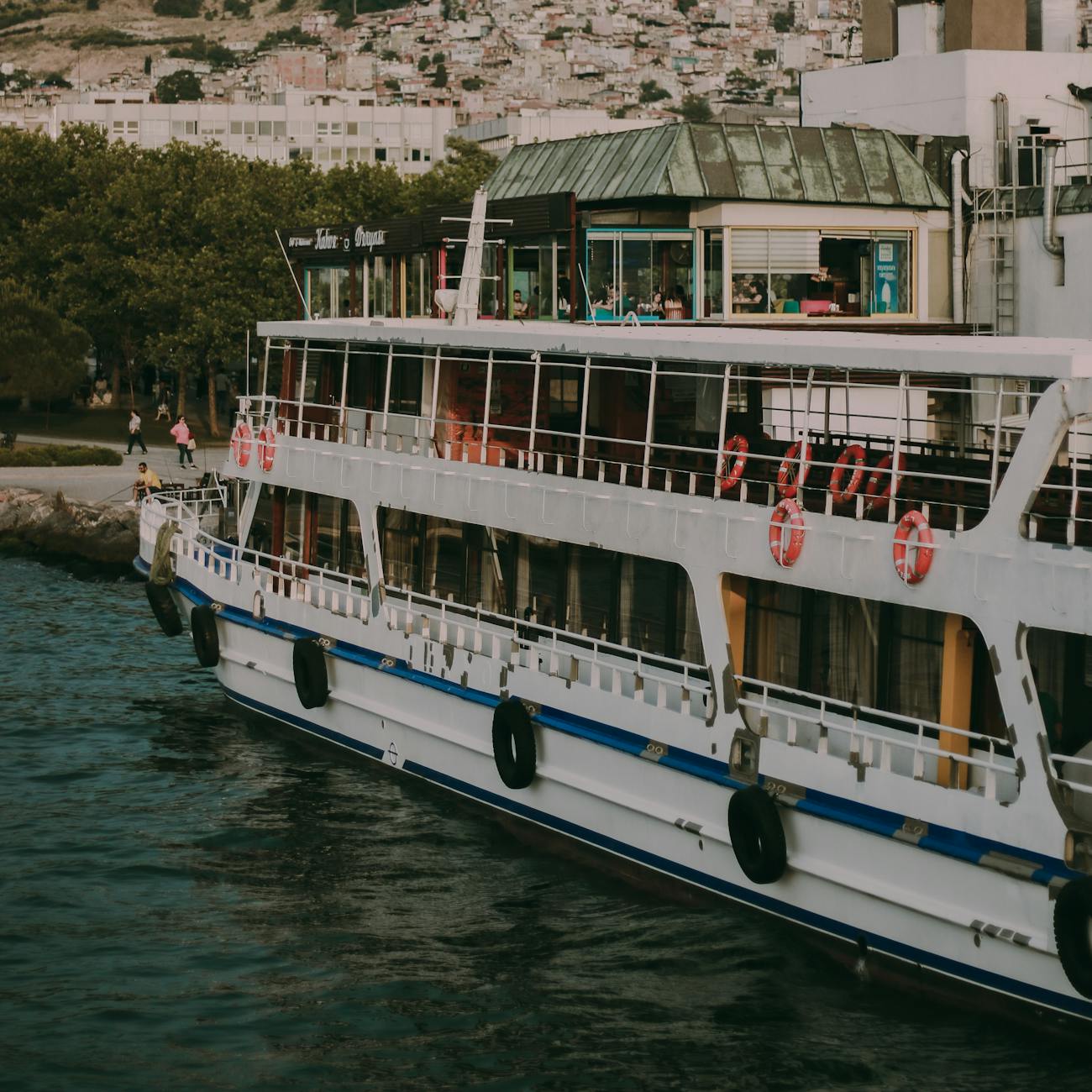
Incident Command System – a standardized, on‑scene, all‑hazards management structure that allows responders from multiple agencies to coordinate efficiently. In the cruise‑ship environment the system is activated when a significant event threatens the safety of passengers, crew, or the marine environment. The system designates an Incident Commander, who may be the ship’s captain, and establishes sections for operations, planning, logistics, and finance/administration. Practical application: During a fuel spill, the Incident Commander coordinates the ship’s crew, shore‑based emergency services, and environmental agencies to contain the leak, conduct decontamination, and document the response. Challenges include integrating the ship’s internal hierarchy with external authorities and ensuring that communication protocols are adhered to across language barriers.
Emergency Operations Centre – a facility, typically on shore, that serves as the hub for monitoring, coordinating, and directing response actions. For cruise vessels, the centre is linked to the ship via satellite communications, enabling real‑time data exchange. Example: The centre receives an automatic distress signal (MARPOL‑type) indicating a hazardous material release, and it dispatches a specialized response team while maintaining situational awareness through live video feeds. The principal challenge lies in maintaining uninterrupted connectivity and processing large volumes of data without overwhelming the decision‑making staff.
Marine Pollution Prevention – measures and procedures designed to avoid the introduction of contaminants into the marine environment. In the context of crisis management, this term encompasses both proactive strategies, such as routine waste‑water treatment, and reactive actions, such as containment of oil leaks. A practical application is the use of double‑hull fuel tanks to reduce the likelihood of spills during grounding incidents. The difficulty often arises from balancing operational efficiency with stringent environmental regulations that may require costly retrofits.
Search and Rescue (SAR) – a coordinated effort to locate and assist persons in distress at sea. Cruise ships are obligated to assist in SAR operations under international law, and they must be equipped with appropriate equipment, such as lifeboats, rescue boats, and personal flotation devices. When a passenger overboard event occurs, the ship initiates a SAR plan that includes immediate man‑over‑board (MOB) drills, deployment of fast rescue craft, and communication with nearby vessels through VHF channel 16. The main challenge is the limited time window for successful recovery, especially in adverse weather or high‑traffic waterways.
Man‑Over‑Board (MOB) Procedure – a specific set of actions taken when a person falls into the water. The procedure involves raising an alarm, conducting a visual sweep, launching a rescue boat, and performing a coordinated retrieval. In modern cruise ships, the MOB system may be integrated with an automated detection system that uses infrared sensors to trigger an alarm instantly. The practical implication is that rapid detection can reduce the distance a survivor drifts, thereby increasing survival probability. However, the technology must be calibrated to avoid false alarms, which can divert resources from genuine emergencies.
Firefighting System – a collection of detection, suppression, and control mechanisms designed to combat onboard fires. The system includes heat and smoke detectors, fixed water‑spray or foam stations, portable extinguishers, and emergency ventilation controls. During a galley fire, the automatic detection system activates the nearest sprinkler head and alerts the bridge, prompting the crew to don protective gear and isolate the affected area. A key challenge is ensuring that fire suppression agents do not cause secondary environmental damage, such as chemical runoff into the sea.
Hull Integrity Monitoring – the continuous assessment of a ship’s structural soundness using sensors and inspection protocols. This monitoring is crucial for early detection of breaches that could lead to flooding or oil leakage. Modern vessels employ strain gauges, ultrasonic thickness gauges, and corrosion‑inhibiting coatings to maintain hull health. In a crisis scenario, such as a collision with a submerged object, the monitoring system provides immediate alerts that enable the crew to initiate watertight door closures and ballast adjustments. Maintaining sensor accuracy in harsh marine conditions represents a persistent technical hurdle.
Ballast Water Management – the process of controlling ballast water to prevent the spread of invasive species and comply with international conventions. During an emergency evacuation, ballast tanks may be emptied rapidly, potentially releasing untreated water. Emergency response protocols therefore include contingency plans for rapid treatment or disposal of ballast water to avoid ecological impact. The challenge is coordinating ballast operations with other emergency actions without compromising ship stability.
Emergency Power Supply – redundant generators and battery banks that provide electricity when the primary propulsion system is offline. In crisis situations, such as a main engine failure, the emergency power supply sustains critical systems: Navigation, communications, fire suppression, and medical facilities. For example, a diesel‑generator set located in a protected compartment can be activated automatically upon loss of main power. Ensuring that the emergency generators are regularly tested and that fuel quality is maintained is essential to avoid failure when needed most.
Incident Reporting System – a digital platform used to document events, actions taken, and outcomes. The system is essential for post‑incident analysis, regulatory compliance, and continuous improvement. A typical report includes timestamps, crew member identification, a narrative description, and photographic evidence. In the case of a hazardous material spill, the incident reporting system logs the type and quantity of material released, containment measures, and environmental monitoring results. The major difficulty lies in achieving timely and accurate data entry under stressful conditions.
Risk Assessment Matrix – a tool that evaluates the likelihood and consequence of potential hazards, assigning them to categories such as low, medium, or high risk. In cruise‑ship environmental systems, the matrix helps prioritize mitigation measures for scenarios like oil spills, chemical releases, and sewage discharge. For instance, a high‑probability, high‑impact event such as a fuel tank rupture would be flagged for immediate corrective action, including reinforcement of tank structures and enhanced monitoring. The matrix must be regularly updated to reflect changing operational conditions and emerging threats.
Contingency Planning – the development of alternative courses of action to address unexpected developments. Cruise ships maintain contingency plans for various emergencies, ranging from onboard fires to cyber‑attacks on navigation systems. The plans outline roles, communication trees, resource allocation, and decision‑making criteria. A practical example is the “dual‑track” evacuation plan that provides separate routes for passengers and crew, ensuring orderly disembarkation even if one primary route is compromised. The challenge is maintaining plan relevance, as ship layouts and regulatory requirements evolve.
Evacuation Procedure – the systematic process for moving passengers and crew to safety during an emergency. It includes muster stations, lifeboat deployment, and coordination with shore authorities. Modern cruise ships employ electronic muster systems that broadcast audible alarms and display visual cues on cabin televisions. During a fire in the engine room, the evacuation procedure may involve closing fire doors, directing passengers to assembly points, and launching lifeboats if smoke threatens the deck. Ensuring that all passengers, including those with reduced mobility, can be safely evacuated presents logistical complexities.
Environmental Impact Assessment (EIA) – an analysis that predicts the consequences of a proposed activity on the marine environment. In crisis management, an EIA is conducted after a spill or discharge to quantify damage and guide remediation. The assessment considers factors such as water currents, sediment interaction, and wildlife exposure. For example, after a diesel oil spill, the EIA may recommend the use of sorbent booms and shoreline cleaning, while also estimating the recovery timeline for affected species. The primary difficulty is obtaining accurate baseline data quickly enough to inform immediate response actions.
Mitigation Measures – actions taken to reduce the severity of an incident’s impact. In the cruise‑ship sector, mitigation may involve installing double‑hull tanks, using low‑sulphur fuels, or deploying on‑board spill‑containment kits. When a chemical tanker collides with a cruise ship, the mitigation strategy could include immediate isolation of the affected compartment, activation of neutralizing agents, and coordination with specialized cleanup vessels. Balancing the cost of mitigation against the probability of occurrence is an ongoing strategic challenge for ship owners.
Stakeholder Coordination – the process of aligning the interests and actions of various parties, such as ship operators, port authorities, environmental agencies, and insurers. Effective coordination ensures that resources are mobilized efficiently and that regulatory requirements are met. During a large‑scale oil spill, stakeholders may convene a joint operations centre to share situational reports, allocate cleanup assets, and communicate with the public. A common obstacle is reconciling differing priorities, such as commercial continuity versus environmental protection, which can delay decision‑making.
Legal Liability – the responsibility for damages resulting from an incident, which may be civil, criminal, or administrative. Cruise ships are subject to multiple jurisdictions, including flag state law, port state control, and international conventions such as MARPOL. If a ship’s waste discharge violates permissible limits, the operator may face fines, remediation orders, and reputational damage. Understanding the scope of legal liability is essential for risk managers to develop appropriate insurance coverage and to implement compliance programs. The complexity of overlapping legal frameworks often creates uncertainty in liability determination.
Insurance Coverage – financial protection against losses arising from accidents, environmental damage, or third‑party claims. Policies typically include hull and machinery, protection and indemnity (P&I) clubs, and environmental liability coverage. In the event of a fuel spill, the insurer may cover cleanup costs, legal fees, and compensation to affected parties. However, insurers may impose strict conditions, such as timely reporting and adherence to approved response procedures, which must be incorporated into the ship’s emergency plan. Negotiating coverage that reflects the unique risks of cruise operations can be a demanding process.
Communication Protocol – a set of standardized messages and channels used to convey information during emergencies. The protocol may involve VHF radio, satellite phones, AIS (Automatic Identification System) alerts, and internal public address systems. For instance, the “Mayday” call follows a specific format: Vessel name, position, nature of distress, and assistance required. Internally, the bridge may issue a “General Alarm” that triggers the muster system. The challenge is ensuring that all crew members are proficient in the protocol, especially when language differences exist.
Situation Report (SitRep) – a concise briefing that summarizes the current status of an incident, actions taken, and next steps. SitReps are shared with senior management, external agencies, and sometimes the media. A typical SitRep after a sewage discharge would list the volume released, the location, containment efforts, and environmental monitoring results. The difficulty lies in producing accurate, up‑to‑date reports while the situation evolves rapidly and information may be fragmented.
Command and Control (C2) – the authority structure that directs resources and makes decisions during an emergency. In maritime crisis management, C2 is exercised by the Incident Commander and supported by staff officers who manage specific functions. The chain of command must be clear to avoid confusion; for example, the chief engineer may be delegated authority over fuel‑system emergencies, while the safety officer handles fire suppression. Maintaining effective C2 under stress requires regular drills and clear documentation of roles.
Operational Continuity – the ability of a cruise ship to maintain essential services despite disruptions. Continuity planning includes redundant systems for navigation, power, water, and waste treatment. When a fire disables the main engine room, the ship may switch to an auxiliary propulsion system to retain maneuverability and keep critical onboard services running. The primary challenge is ensuring that backup systems are not only functional but also integrated seamlessly into the overall operational architecture.
Emergency Drill – a scheduled exercise that tests the readiness of crew and equipment to respond to a specific scenario. Drills are required by maritime regulations and may cover fire, MOB, chemical spill, and evacuation. During a fire drill, the crew practices locating fire stations, deploying extinguishers, and conducting headcounts. The value of drills lies in identifying procedural gaps, such as delayed alarm propagation or insufficient crew coverage in certain watch stations. However, over‑reliance on scripted drills can create complacency, so scenarios should be varied and realistic.
Hazardous Material (HazMat) Management – the identification, handling, storage, and disposal of dangerous substances on board. Cruise ships transport fuels, cleaning agents, and medical chemicals that require strict control. The HazMat plan includes labeling, segregation, and emergency response kits. If a container of chlorine gas leaks, the crew must don appropriate respiratory protection, isolate the area, and ventilate the space while notifying external responders. The difficulty is maintaining an up‑to‑date inventory and ensuring that all personnel understand the specific hazards of each material.
Environmental Monitoring – the systematic collection of data on water quality, air emissions, and ecological indicators. Monitoring is essential during and after an incident to assess the effectiveness of response actions. Instruments such as hydrocarbon detectors, turbidity meters, and seabird counts provide quantitative evidence of impact. For example, after a sewage discharge, continuous measurement of fecal coliform levels helps determine when the water has returned to acceptable standards. The main obstacle is the need for rapid deployment of monitoring equipment in potentially unsafe conditions.
Decontamination Procedure – a set of steps to remove hazardous substances from surfaces, equipment, or personnel. In a chemical spill scenario, crew members may use absorbent pads, neutralizing agents, and personal protective equipment to clean affected areas. The procedure also includes waste disposal according to regulatory guidelines. Practical application: After a fuel leak in the engine room, the crew employs a solvent‑based cleaner followed by thorough rinsing to prevent corrosion. Challenges include ensuring that decontamination does not create secondary pollution, such as runoff into the sea.
Rescue Coordination Center (RCC) – a shore‑based authority that oversees SAR operations within a designated region. The RCC receives distress alerts, allocates resources, and provides guidance to vessels. When a cruise ship issues a distress call for a medical emergency, the RCC may dispatch a helicopter, coordinate with nearby ships, and advise on routing to the nearest port. Effective interaction with the RCC requires accurate position reporting and clear description of the incident. Communication delays or inaccurate data can impede the rescue effort.
Port State Control (PSC) – inspections conducted by a flag or coastal state to verify compliance with international conventions. PSC officers may assess a ship’s emergency response capabilities, safety equipment, and environmental systems. During a PSC inspection, officers might evaluate the functionality of fire pumps, the integrity of oil‑filtering equipment, and the crew’s familiarity with the MOB plan. Non‑compliance can lead to detention, fines, or mandatory corrective actions. The challenge for cruise operators is to maintain consistent standards across a fleet that operates under multiple flags.
International Maritime Organization (IMO) – the United Nations agency responsible for setting global maritime regulations, including those related to safety and pollution prevention. Key IMO conventions relevant to crisis management include SOLAS (Safety of Life at Sea), MARPOL (Marine Pollution), and STCW (Standards of Training, Certification and Watchkeeping). Compliance with IMO standards ensures that a cruise ship’s emergency response procedures are recognized worldwide. However, interpreting complex regulatory language and implementing updates across diverse ship types can be resource‑intensive.
Standard Operating Procedure (SOP) – a documented set of instructions that describes how routine and emergency tasks should be performed. SOPs cover activities such as engine shutdown, ballast water exchange, and emergency lighting activation. For a fire in a cabin, the SOP outlines steps for crew to isolate the fire compartment, activate the sprinkler system, and conduct a sweep for occupants. The benefit of SOPs lies in providing consistency; the drawback is that overly rigid SOPs may limit flexibility in unforeseen circumstances, so periodic review and revision are necessary.
Training Matrix – a tool that tracks the qualifications, certifications, and training status of crew members. The matrix ensures that all personnel possess the required competencies for emergency response, such as fire fighting, first aid, and HazMat handling. During a drill, the matrix can be consulted to assign roles based on current skill levels. Maintaining an accurate training matrix is challenging due to crew turnover, varying national training standards, and the need for refresher courses.
Public Relations Management – the strategic handling of information released to the public, media, and stakeholders during a crisis. Effective communication can mitigate reputational damage and maintain passenger confidence. In the event of a sewage spill, the ship’s public relations officer may issue a statement outlining the incident, response actions, and environmental safeguards. Transparency, while respecting legal constraints, helps build trust. The challenge is balancing the need for timely disclosure with the risk of releasing incomplete or inaccurate information.
Business Continuity Plan (BCP) – a comprehensive strategy that outlines how an organization will continue operating after a disruptive event. For cruise operators, the BCP includes alternative itineraries, backup reservation systems, and financial contingency reserves. If a severe storm forces a ship to dock for repairs, the BCP may activate a passenger re‑booking protocol and arrange compensation. Integrating the BCP with emergency response plans ensures that operational recovery aligns with safety priorities. The difficulty lies in forecasting a wide range of disruption scenarios and allocating sufficient resources for each.
Redundant Navigation System – duplicate or alternative equipment that provides positioning and route planning capabilities if the primary system fails. Redundancy may involve a combination of GPS, inertial navigation, and radar plotting. When a satellite navigation outage occurs, the crew can rely on the secondary system to maintain safe passage and avoid grounding. Ensuring that redundant systems are regularly tested and that crew are proficient in manual navigation techniques is essential for resilience.
Emergency Lighting – illumination that operates independently of the main power supply to guide occupants to safe exits during a power loss. Emergency lighting includes exit signs, corridor strips, and deck‑level floodlights. During a blackout caused by an engine fire, the emergency lighting system activates automatically, allowing passengers to locate muster stations and lifeboat embarkation points. The challenge is to maintain battery health and to verify that all fixtures meet illumination standards during routine inspections.
Personal Protective Equipment (PPE) – gear worn by crew members to protect against hazards such as heat, chemicals, and biological agents. PPE includes fire‑resistant suits, gloves, goggles, and respiratory masks. In a chemical spill response, the crew must don full‑body suits and self‑contained breathing apparatus before entering the contaminated zone. Proper fit, regular maintenance, and training on correct usage are critical to prevent injuries. Stocking sufficient PPE for all crew members, especially during large‑scale incidents, can strain logistical capacities.
Containment Booms – floating barriers deployed to restrict the spread of oil or other liquid pollutants on water surfaces. Booms are a primary tool in spill response, creating a perimeter that limits the area of contamination. After a fuel leak, response teams launch booms from the ship’s side and from support vessels, forming a “cage” around the slick. Booms must be selected based on sea state, pollutant type, and environmental sensitivity. Deployment challenges include strong currents, wind, and the need for rapid installation before the pollutant disperses.
Absorbent Materials – substances used to soak up liquids, such as oil, fuel, or chemicals. Common absorbents include polypropylene pads, natural fiber mats, and foams. In a spill scenario, crew members spread absorbent material over the slick, allowing it to retain the contaminant for later removal. The effectiveness of absorbents depends on the viscosity of the pollutant and the temperature of the water. Disposal of saturated absorbents must comply with hazardous waste regulations, presenting an additional logistical step.
Environmental Remediation – actions taken to restore a damaged ecosystem to its original condition or to mitigate ongoing harm. Remediation techniques may include bioremediation, where microorganisms break down pollutants, or physical removal of contaminated sediments. After a prolonged oil spill, the ship’s operator may sponsor shoreline cleanup, wildlife rehabilitation, and long‑term monitoring programs. The complexity of remediation lies in selecting methods that are both effective and minimally disruptive to the existing environment.
Legal Notification Requirement – the obligation to inform relevant authorities within a specified timeframe following an incident. Under MARPOL Annex I, for example, a ship must report any discharge of oil or sludge within 24 hours of occurrence. Failure to meet notification deadlines can result in penalties and loss of credibility. In practice, the ship’s chief officer logs the incident, drafts a report, and transmits it via satellite to the flag state and port authority. The main difficulty is ensuring that the chain of communication remains intact during chaotic situations.
Safety Management System (SMS) – a structured framework that integrates safety policies, procedures, and performance monitoring. The SMS is mandated by the International Safety Management (ISM) Code and encompasses emergency preparedness, risk assessment, and continuous improvement. For cruise vessels, the SMS includes specific modules for environmental protection, passenger safety, and crew welfare. Audits of the SMS identify gaps, such as outdated emergency equipment or insufficient training records, prompting corrective actions. Maintaining an effective SMS requires ongoing commitment from senior management and active participation of all crew members.
Operational Risk Register – a living document that lists identified risks, their likelihood, impact, and mitigation strategies. The register is reviewed regularly and updated when new hazards emerge. In the context of environmental systems, entries may include “fuel tank corrosion,” “ballast water discharge failure,” and “waste‑water treatment malfunction.” Each risk is assigned an owner, such as the chief engineer, who is responsible for monitoring and implementing controls. The challenge is keeping the register comprehensive without becoming unwieldy, ensuring that it remains a practical decision‑support tool.
Scenario‑Based Training – instructional sessions that simulate realistic emergencies to develop problem‑solving skills and teamwork. Scenarios may involve a simultaneous fire and chemical spill, requiring crews to prioritize actions and allocate resources under pressure. By rehearsing complex situations, participants gain experience in decision‑making, communication, and coordination. The key advantage is that scenario‑based training exposes gaps that traditional drills may not reveal. However, designing credible scenarios that reflect actual operational conditions demands expertise and resources.
Emergency Response Team (ERT) – a dedicated group of crew members trained to handle crises, often led by the safety officer. The ERT possesses specialized equipment, such as portable decontamination units, fire‑fighting gear, and medical kits. During a hull breach, the ERT may seal the affected compartment, activate pumps, and coordinate with external salvage teams. The effectiveness of the ERT hinges on clear role definition, regular training, and rapid mobilization. Maintaining a ready‑to‑deploy ERT on a vessel with rotating staff schedules can be a logistical challenge.
Critical Control Point (CCP) – a step in a process where loss of control could lead to a significant environmental incident. Identifying CCPs is part of the Hazard Analysis and Critical Control Points (HACCP) approach applied to shipboard waste management. For instance, the discharge valve of the sewage treatment plant is a CCP because an uncontrolled release could result in pollution. Monitoring procedures, such as pressure checks and valve position verification, are implemented to ensure the CCP remains under control. The difficulty lies in accurately mapping all potential CCPs across complex ship systems.
Incident Command Post (ICP) – the temporary location where the Incident Commander and staff coordinate response actions. The ICP may be established on the bridge, in a dedicated control room, or on shore. It is equipped with communication devices, maps, status boards, and resources tracking tools. In a large‑scale fire, the ICP becomes the hub for receiving updates from fire teams, medical staff, and external agencies. Maintaining a functional ICP requires pre‑positioned equipment, power redundancy, and clear procedures for establishing the post quickly.
Fire‑Resistant Bulkheads – structural walls designed to prevent the spread of fire between compartments. Bulkheads are constructed of steel or reinforced concrete and are rated for specific fire‑resistance durations, such as 60 minutes. In a cargo fire, the bulkheads limit the fire’s progress, allowing crews to focus suppression efforts on the origin area. Regular inspection of fire‑resistant bulkheads ensures that penetrations, such as pipe openings, are properly sealed with fire‑stop materials. Deterioration or improper installation can compromise bulkhead integrity, posing a significant risk.
Life‑Saving Appliances (LSA) – equipment intended to protect lives in emergencies, including lifeboats, life rafts, immersion suits, and rescue boats. LSAs must be inspected, serviced, and certified in accordance with SOLAS requirements. For a passenger overboard incident, the LSA suite includes a rescue boat equipped with a winch, a retrieval net, and a medical kit. The effectiveness of LSAs depends on regular maintenance, crew familiarity, and rapid deployment procedures. Challenges include ensuring that LSAs are accessible in congested deck layouts and that they meet capacity requirements for maximum passenger loads.
Environmental Compliance Audit – a systematic review of a ship’s operations to verify adherence to environmental regulations. Audits assess documentation, equipment performance, training records, and incident histories. Findings may reveal non‑conformities, such as outdated oil‑filter monitoring logs or insufficient ballast water treatment records. Corrective actions are then assigned, tracked, and verified. The audit process promotes continuous improvement but can be resource‑intensive, especially for operators managing large fleets with diverse flag registrations.
Marine Protected Area (MPA) Protocol – guidelines for operating within zones designated for the conservation of marine ecosystems. Cruise ships transiting MPAs must adhere to speed restrictions, waste‑discharge limits, and reporting obligations. In an emergency that requires immediate maneuvering, the ship’s master must balance the need for rapid response with the requirement to minimize impact on protected habitats. Coordination with local conservation authorities is essential to obtain temporary exemptions when unavoidable. The protocol adds an additional layer of regulatory consideration to crisis planning.
Salvage Operations – activities undertaken to recover a vessel, cargo, or equipment after an incident, while minimizing environmental harm. Salvage may involve towing, patching hull breaches, or removing hazardous substances before refloating. The salvage plan is developed in conjunction with classification societies, insurers, and environmental agencies. For example, after a grounding that damages the fuel tank, salvage teams may pump out oil, seal the breach, and use buoyancy aids to refloat the ship. Salvage operations are costly and time‑sensitive; improper execution can exacerbate pollution or cause further structural damage.
Emergency Medical Response – the provision of immediate medical care to injured or ill persons during a crisis. On cruise ships, the medical department is equipped with a fully stocked infirmary, emergency drugs, and defibrillators. In a fire scenario, the medical team prepares for smoke‑inhalation cases, burns, and trauma. Coordination with shore‑based hospitals and evacuation services, such as air‑ambulance, ensures that severe cases receive advanced care promptly. Limitations include the size of the onboard medical team and the availability of specialized equipment for complex injuries.
Risk Communication – the exchange of information about hazards, risk assessments, and protective actions between experts and stakeholders. Effective risk communication builds trust and facilitates cooperation during emergencies. In the event of a chemical spill, the ship’s safety officer may brief the crew on exposure risks, recommended protective measures, and evacuation routes. Clear, jargon‑free language is essential to ensure that all personnel, including non‑technical staff, understand the situation. The challenge is delivering accurate information quickly while avoiding panic or misinformation.
Incident Logbook – a chronological record of events, decisions, and actions taken during an emergency. The logbook serves as an official document for post‑incident analysis, legal review, and regulatory reporting. Entries typically include timestamps, names of individuals involved, description of the incident, and outcomes of each action. Maintaining an accurate logbook during a chaotic event requires a designated recorder who can focus on documentation while other crew members manage the response. Incomplete logs can hinder investigations and affect liability determinations.
Emergency Evacuation Drill Frequency – the regulatory requirement specifying how often full‑scale evacuation drills must be conducted. International regulations often mandate at least one drill per year for vessels of a certain passenger capacity. The frequency ensures that both crew and passengers retain familiarity with muster stations, lifeboat boarding procedures, and emergency announcements. Operators may increase drill frequency during peak seasons or after major modifications to the ship’s layout. Balancing drill scheduling with passenger experience and operational constraints can be challenging.
Environmental Impact Mitigation Plan – a structured approach that outlines actions to reduce adverse effects on the environment during normal operations and emergencies. The plan includes preventive measures, response strategies, and recovery steps. For a routine ballast water exchange, the mitigation plan may specify treatment technologies, discharge monitoring, and contingency measures if the system fails. Implementation requires coordination between engineering, environmental, and operational departments. The difficulty is integrating the plan into daily shipboard routines without causing operational delays.
Contaminated Water Management – the handling, treatment, and disposal of water that has been polluted by oil, chemicals, or sewage. Onboard treatment systems, such as oil‑water separators and membrane bioreactors, are used to process contaminated water before discharge. In a spill scenario, the ship may activate an emergency containment system that diverts polluted water to storage tanks for later off‑loading at a shore facility. Ensuring that contaminated water does not enter the sea unintentionally is a critical compliance requirement, and failures can result in severe penalties.
Safety Culture – the collective attitudes, values, and behaviors that determine the commitment to safety within an organization. A strong safety culture encourages reporting of near‑misses, proactive hazard identification, and continuous learning. In the cruise‑ship sector, a positive safety culture translates into crew members promptly addressing minor spills, conducting regular equipment checks, and participating actively in drills. Cultivating such a culture requires leadership support, transparent communication, and recognition of safe practices. Resistance to change or complacency can undermine safety initiatives.
Operational Fatigue Management – strategies to monitor and mitigate fatigue among crew members, which can impair judgment and response effectiveness. Measures include rotating watch schedules, providing rest facilities, and conducting fatigue risk assessments. During prolonged emergencies, such as a multi‑day fire suppression effort, fatigue management becomes vital to maintain alertness and decision‑making quality. Implementing fatigue‑aware policies may conflict with staffing constraints, especially when crew numbers are limited during off‑peak periods.
Legal Documentation Archive – a repository for storing contracts, permits, incident reports, and compliance certificates. The archive must be organized for rapid retrieval in case of investigations or audits. Digital archiving solutions often employ encryption and backup systems to protect sensitive information. For example, after a pollution incident, investigators may request the ship’s oil‑record book, ballast water logs, and maintenance records. Efficient access to these documents expedites the investigative process. Maintaining the archive requires regular updates and adherence to data‑retention policies set by flag states.
Marine Emergency Response Vessel (MERV) – a specialized ship equipped to provide assistance during maritime incidents, including firefighting, oil spill containment, and rescue operations. Cruise ships may coordinate with MERVs when their own capabilities are exceeded. In a large‑scale fire that compromises the ship’s fire‑fighting system, a MERV can supply additional water pumps, foam agents, and personnel. Integration of MERV resources demands pre‑arranged agreements, clear communication channels, and joint training exercises. Availability of MERVs may be limited in remote regions, posing logistical challenges.
Emergency Shutdown Procedure – the steps required to safely halt the operation of critical systems when a fault or hazard is detected. The procedure includes isolating power sources, closing valves, and securing equipment to prevent further damage. For a fuel‑leak incident, the emergency shutdown may involve activating the fuel shut‑off valve, disengaging the engine, and venting fuel lines. Proper execution prevents escalation of the incident and protects personnel. The challenge is ensuring that shutdown commands are not delayed by manual processes or inadequate alarm systems.
Stakeholder Impact Assessment – an analysis that evaluates how an incident affects various parties, including passengers, crew, insurers, regulators, and local communities. The assessment informs communication strategies, compensation plans, and remedial actions. Following a sewage discharge, the impact assessment may quantify passenger inconvenience, potential health risks, and environmental damage, guiding the operator’s response and remediation commitments. Conducting a thorough assessment requires data collection, expert input, and timely analysis, which can be difficult under pressure.
Environmental Surveillance – ongoing observation of environmental parameters to detect abnormal conditions that may indicate a developing incident. Surveillance tools include satellite imagery, remote sensing, and on‑board sensors that monitor emissions, water quality, and acoustic signatures. Early detection of an oil plume through satellite data allows the ship’s crew to initiate containment measures before the spill reaches shorelines. Maintaining a robust surveillance network demands investment in technology and skilled analysts to interpret data correctly.
Joint Incident Management Team (JIMT) – a collaborative group composed of representatives from the ship, the flag state, port authorities, and specialized response agencies. The JIMT coordinates actions, shares resources, and ensures that all regulatory obligations are met. In a multi‑vessel collision, the JIMT may develop a unified response plan, allocate salvage assets, and manage media communications. Effective teamwork within the JIMT relies on clear leadership, defined roles, and mutual trust. Cultural differences and varying procedural standards can impede seamless collaboration.
Emergency Preparedness Audit – a systematic evaluation of the ship’s readiness to handle emergencies, focusing on equipment, training, documentation, and drill performance. Auditors may examine the condition of fire hoses, verify that emergency shut‑off valves are accessible, and assess crew competence through scenario testing. Findings are documented, and corrective actions are assigned with deadlines. The audit process helps identify latent deficiencies that could compromise response effectiveness. However, audit fatigue and resource limitations may reduce the frequency or depth of inspections.
Incident Command Briefing – a concise presentation delivered by the Incident Commander to convey the current situation, objectives, and assigned tasks. The briefing includes a map of the incident area, status of resources, and a timeline of key events. During a hazardous material release, the briefing may outline containment zones, safety distances, and decontamination procedures. Clear, concise communication during the briefing ensures that all team members understand their responsibilities. The challenge is delivering the briefing while the situation remains fluid and information is still emerging.
Environmental Restoration Project – a long‑term initiative aimed at rehabilitating ecosystems impacted by an incident. Projects may involve replanting mangroves, restoring coral reefs, or monitoring wildlife populations. Funding for restoration often comes from the responsible party’s insurance settlement or regulatory penalties. An example is a coastal community partnering with a cruise line to fund coral‑nursery programs after a fuel spill. Successful restoration requires scientific expertise, community involvement, and sustained financial support, making it a complex undertaking.
Regulatory Reporting Framework – the set of rules and procedures governing how incidents must be reported to authorities. The framework defines reporting forms, timelines, content requirements, and channels of submission. For instance, the International Oil Pollution Compensation (IOPC) Fund mandates specific data fields for oil spill reports. Compliance with the framework ensures that authorities can assess the incident, coordinate response, and enforce penalties if needed. Navigating multiple reporting frameworks across different jurisdictions can be administratively burdensome.
Emergency Response Training Matrix – a visual representation that maps crew members to required training modules, frequency, and certification status. The matrix helps managers track who is qualified to perform specific emergency tasks, such as operating fire pumps or conducting hazardous material decontamination. Regular updates to the matrix reflect new certifications, refresher courses, and changes in crew composition. The matrix serves as a tool for planning drills, allocating responsibilities, and demonstrating compliance during audits. Maintaining accuracy in a dynamic staffing environment is a persistent challenge.
Operational Decision Support System (ODSS) – a software platform that provides real‑time data, predictive analytics, and scenario modeling to aid decision‑makers during emergencies. The ODSS may integrate weather forecasts, vessel position, fuel consumption data, and environmental impact models. When a ship experiences a hull breach, the system can suggest optimal ballast adjustments, route changes, and containment strategies based on current conditions. The reliability of the ODSS depends on data quality, system resilience, and user training. Over‑reliance on automated recommendations without critical human oversight can lead to suboptimal outcomes.
Emergency Drill Evaluation Checklist – a standardized list used to assess the performance of a drill against predefined criteria. Items may include alarm activation time, crew response time, equipment functionality, and communication clarity. After each drill, the evaluator completes the checklist, assigns scores, and records observations for improvement. The checklist promotes consistency across drills and facilitates trend analysis over time. However, overly rigid checklists may overlook nuanced performance aspects, so evaluators should supplement them with qualitative feedback.
Incident Closure Report – a comprehensive document that summarizes the entire lifecycle of an incident, from detection to resolution.
Key takeaways
- Practical application: During a fuel spill, the Incident Commander coordinates the ship’s crew, shore‑based emergency services, and environmental agencies to contain the leak, conduct decontamination, and document the response.
- Example: The centre receives an automatic distress signal (MARPOL‑type) indicating a hazardous material release, and it dispatches a specialized response team while maintaining situational awareness through live video feeds.
- In the context of crisis management, this term encompasses both proactive strategies, such as routine waste‑water treatment, and reactive actions, such as containment of oil leaks.
- When a passenger overboard event occurs, the ship initiates a SAR plan that includes immediate man‑over‑board (MOB) drills, deployment of fast rescue craft, and communication with nearby vessels through VHF channel 16.
- In modern cruise ships, the MOB system may be integrated with an automated detection system that uses infrared sensors to trigger an alarm instantly.
- During a galley fire, the automatic detection system activates the nearest sprinkler head and alerts the bridge, prompting the crew to don protective gear and isolate the affected area.
- In a crisis scenario, such as a collision with a submerged object, the monitoring system provides immediate alerts that enable the crew to initiate watertight door closures and ballast adjustments.