
* Energy Storage Systems for Microgrids
Energy Storage Systems (ESS) are a crucial component of microgrids, which are small-scale power grids that can operate independently from the main power grid. ESS store excess energy produced by the microgrid's generators and release it whe…
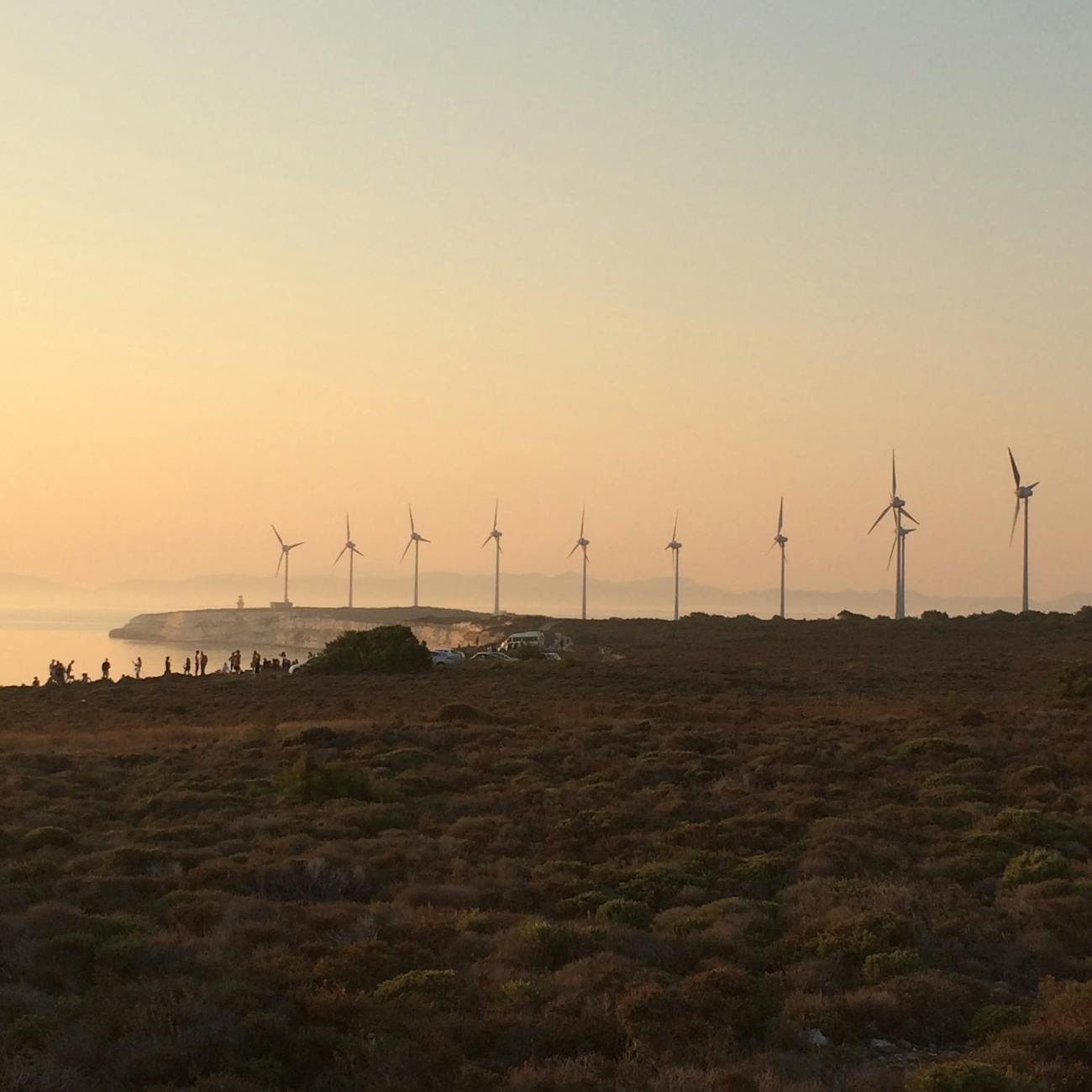
Energy Storage Systems (ESS) are a crucial component of microgrids, which are small-scale power grids that can operate independently from the main power grid. ESS store excess energy produced by the microgrid's generators and release it when needed, ensuring a stable and reliable power supply. In this explanation, we will discuss the key terms and vocabulary related to ESS for microgrids in the course Postgraduate Certificate in Sustainable Microgrid Management.
1. Energy Storage System (ESS): An ESS is a system that stores energy and releases it when needed. It can be used to store excess energy produced by renewable energy sources, such as solar panels and wind turbines, and supply it during periods of high demand or low production. 2. Microgrid: A microgrid is a small-scale power grid that can operate independently from the main power grid. It can be powered by various energy sources, such as fossil fuels, renewable energy, or a combination of both. 3. Battery Energy Storage System (BESS): A BESS is a type of ESS that uses batteries to store and release energy. Batteries store energy in a chemical form and convert it into electrical energy when needed. 4. Capacity: The capacity of an ESS refers to the amount of energy it can store. It is usually measured in kilowatt-hours (kWh) or megawatt-hours (MWh). 5. Power: The power of an ESS refers to the rate at which it can release energy. It is usually measured in kilowatts (kW) or megawatts (MW). 6. Round-trip efficiency: The round-trip efficiency of an ESS is the ratio of the energy that can be retrieved from the system to the energy that was initially stored. It is usually expressed as a percentage. 7. State of charge (SoC): The state of charge of an ESS is the amount of energy currently stored in the system, expressed as a percentage of its total capacity. 8. Depth of discharge (DoD): The depth of discharge of an ESS is the percentage of the total capacity that has been discharged. For example, if an ESS has a capacity of 10 kWh and 6 kWh have been discharged, the DoD is 60%. 9. Charge/discharge rate: The charge/discharge rate of an ESS is the speed at which it can be charged or discharged. It is usually measured in kilowatts (kW) or megawatts (MW). 10. Cycling: Cycling refers to the process of charging and discharging an ESS. The number of cycles an ESS can perform before its capacity starts to degrade is an important consideration when choosing an ESS. 11. Battery Management System (BMS): A BMS is a system that manages the charging and discharging of a battery-based ESS. It monitors the battery's state of charge, temperature, and other parameters to ensure safe and efficient operation. 12. Grid-forming inverter: A grid-forming inverter is a type of inverter that can create a stable grid voltage and frequency, even when the grid is disconnected. It is used in microgrids to ensure a stable power supply. 13. Grid-tied inverter: A grid-tied inverter is a type of inverter that is connected to the main power grid. It converts the DC output of a renewable energy source, such as solar panels, into AC power that can be fed into the grid. 14. Frequency regulation: Frequency regulation is the process of maintaining the frequency of the power grid within a narrow range. ESS can be used to provide frequency regulation services, by absorbing or releasing energy to balance supply and demand. 15. Black start: A black start is the process of starting a power grid from scratch, without any external power source. ESS can be used to provide the initial burst of power needed to start a microgrid.
Examples:
* A microgrid at a remote mining site might use a diesel generator, a BESS, and a wind turbine to provide a stable power supply. The BESS stores excess energy produced by the wind turbine and supplies it during periods of high demand. * A microgrid at a university campus might use a combination of solar panels, BESS, and grid-tied inverters to provide a sustainable power supply. The BESS stores excess energy produced by the solar panels and supplies it during periods of high demand, while the grid-tied inverters feed excess energy into the main power grid.
Practical applications:
* ESS can be used to provide backup power during outages, ensuring a stable power supply for critical loads such as hospitals, data centers, and emergency response centers. * ESS can be used to smooth out the intermittent power output of renewable energy sources, ensuring a stable power supply for the grid. * ESS can be used to provide frequency regulation services, helping to maintain the stability of the power grid.
Challenges:
* The high cost of ESS is a major barrier to widespread adoption. However, the cost is expected to decrease as technology improves. * The round-trip efficiency of ESS is typically around 80-90%, meaning that some energy is lost during the charging and discharging process. * ESS have a limited number of cycles before their capacity starts to degrade, and the replacement cost can be high.
In conclusion, Energy Storage Systems (ESS) are a crucial component of microgrids, which can operate independently from the main power grid. ESS store excess energy produced by the microgrid's generators and release it when needed, ensuring a stable and reliable power supply. Understanding the key terms and vocabulary related to ESS for microgrids is essential for students in the Postgraduate Certificate in Sustainable Microgrid Management course. With the increasing adoption of renewable energy sources, the demand for ESS is expected to grow, providing opportunities for innovation and cost reduction.
Key takeaways
- In this explanation, we will discuss the key terms and vocabulary related to ESS for microgrids in the course Postgraduate Certificate in Sustainable Microgrid Management.
- It can be used to store excess energy produced by renewable energy sources, such as solar panels and wind turbines, and supply it during periods of high demand or low production.
- The BESS stores excess energy produced by the solar panels and supplies it during periods of high demand, while the grid-tied inverters feed excess energy into the main power grid.
- * ESS can be used to provide backup power during outages, ensuring a stable power supply for critical loads such as hospitals, data centers, and emergency response centers.
- * The round-trip efficiency of ESS is typically around 80-90%, meaning that some energy is lost during the charging and discharging process.
- Understanding the key terms and vocabulary related to ESS for microgrids is essential for students in the Postgraduate Certificate in Sustainable Microgrid Management course.