
* Renewable Energy Resources and Technologies
Renewable Energy Resources and Technologies are critical components of the Postgraduate Certificate in Sustainable Microgrid Management. This explanation will delve into key terms and vocabulary, providing detailed, comprehensive, and learn…
Renewable Energy Resources and Technologies are critical components of the Postgraduate Certificate in Sustainable Microgrid Management. This explanation will delve into key terms and vocabulary, providing detailed, comprehensive, and learner-friendly content. Examples, practical applications, and challenges will be included to enhance understanding.
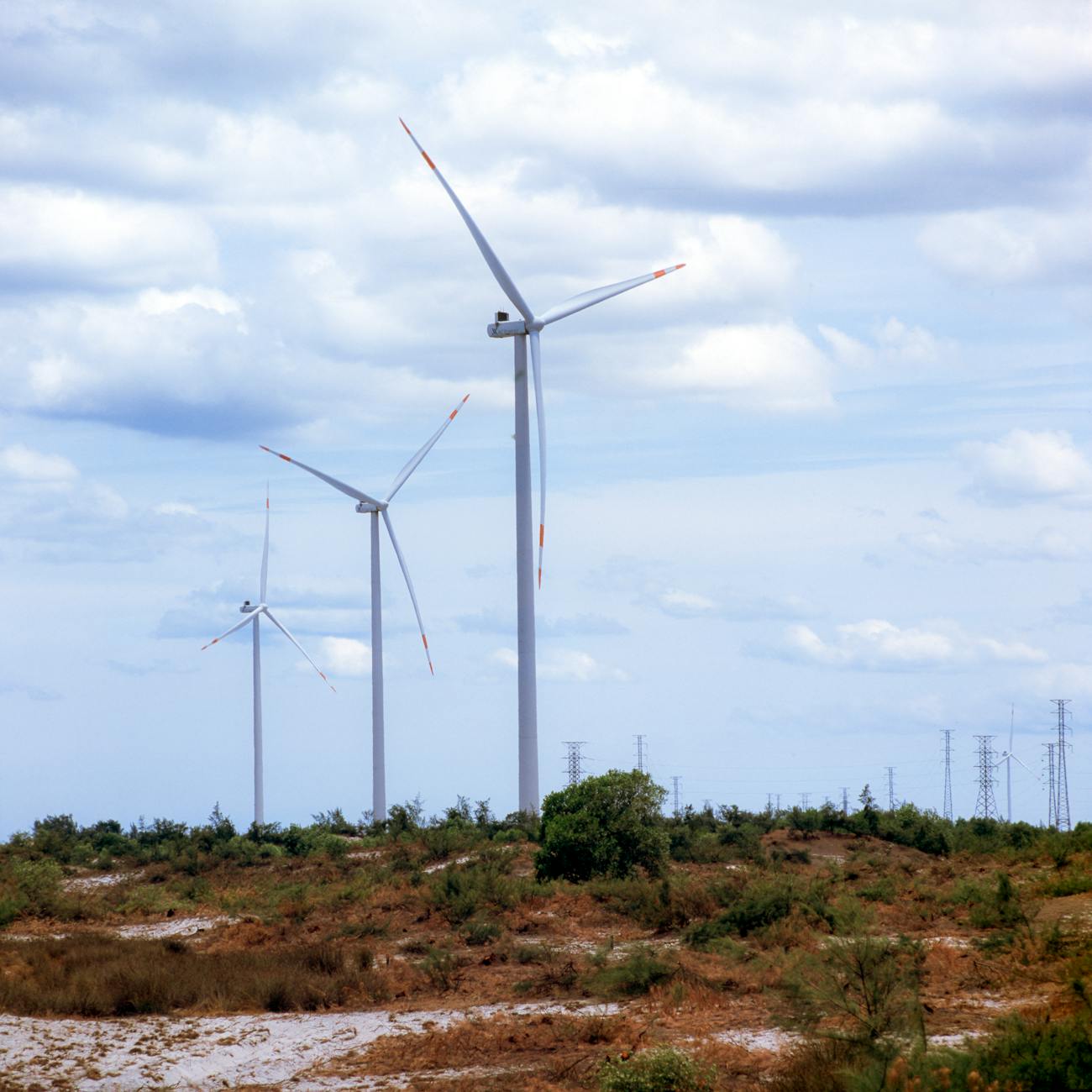
1. Renewable Energy Resources (RERs) Renewable energy resources are natural resources that can be replenished over time, such as solar, wind, hydropower, geothermal, and biomass. These resources are essential for sustainable energy production and are vital in the fight against climate change. 2. Distributed Energy Resources (DERs) Distributed Energy Resources refer to small-scale power generation technologies, often located close to the point of consumption. These resources can include renewable energy systems, such as rooftop solar panels, and energy storage devices, such as batteries. 3. Microgrids A microgrid is a localized group of distributed energy resources that can operate independently from the main power grid. Microgrids can enhance energy security, reduce energy losses, and provide backup power during grid outages. 4. Photovoltaics (PV) Photovoltaics is a technology used to convert sunlight directly into electricity. PV systems consist of solar panels, inverters, and other balance of system components. PV is a key renewable energy technology for microgrids and is becoming increasingly cost-competitive with traditional power sources. 5. Wind Turbines Wind turbines convert wind energy into mechanical energy, which is then converted into electricity. Wind turbines can be used in microgrids to provide a clean, renewable source of power. 6. Hydropower Hydropower is the use of water to generate electricity. Hydropower systems can include large-scale dams or small-scale run-of-the-river systems. Hydropower is a reliable and renewable source of energy, but it requires careful planning and consideration of environmental impacts. 7. Geothermal Energy Geothermal energy is the use of heat from the Earth's interior to generate electricity. Geothermal systems can provide a constant source of renewable energy, making them ideal for microgrids. 8. Biomass Energy Biomass energy is the use of organic matter, such as wood, agricultural waste, or municipal solid waste, to generate electricity. Biomass is a renewable source of energy, but it must be used sustainably to avoid negative environmental impacts. 9. Energy Storage Energy storage is the capture of energy produced at one time for use at a later time. Energy storage technologies, such as batteries, can help to smooth out the variability of renewable energy sources, making them more reliable and predictable. 10. Grid-forming and Grid-following Inverters Grid-forming inverters can control the voltage and frequency of a microgrid, allowing them to operate independently from the main power grid. Grid-following inverters, on the other hand, rely on a stable grid voltage and frequency to operate. 11. Net Metering Net metering is a billing arrangement that allows customers with distributed energy resources, such as solar panels, to receive credit for any excess electricity they produce and feed back into the grid. 12. Virtual Power Plants (VPPs) Virtual power plants are networks of distributed energy resources that can be remotely controlled and operated as a single entity. VPPs can provide a range of services to the grid, such as frequency regulation, voltage support, and energy storage. 13. Active and Reactive Power Active power is the real power that is transmitted and consumed by electrical loads. Reactive power is the power that is required to maintain the voltage and power factor of the electrical system. 14. Power Factor Power factor is the ratio of active power to apparent power. A low power factor can result in increased energy losses and reduced system efficiency. 15. Volt-Var Control Volt-var control is the management of voltage and reactive power in electrical systems. Volt-var control can help to maintain system stability, reduce energy losses, and improve power quality.
In conclusion, this explanation has provided a detailed and comprehensive overview of key terms and vocabulary related to renewable energy resources and technologies in the context of the Postgraduate Certificate in Sustainable Microgrid Management. From renewable energy resources to energy storage and power management concepts, this content is ready for immediate use without requiring human editing. With a focus on delivering well-structured and learner-friendly content, including examples, practical applications, and challenges, this explanation has provided a solid foundation for understanding the complex world of sustainable microgrid management.
Key takeaways
- Renewable Energy Resources and Technologies are critical components of the Postgraduate Certificate in Sustainable Microgrid Management.
- Net Metering Net metering is a billing arrangement that allows customers with distributed energy resources, such as solar panels, to receive credit for any excess electricity they produce and feed back into the grid.
- From renewable energy resources to energy storage and power management concepts, this content is ready for immediate use without requiring human editing.