
Waste Minimization Techniques
Waste minimization techniques are essential in drilling waste management to reduce the amount of waste generated and minimize the environmental impact. Below are some key terms and vocabulary related to waste minimization techniques in the …
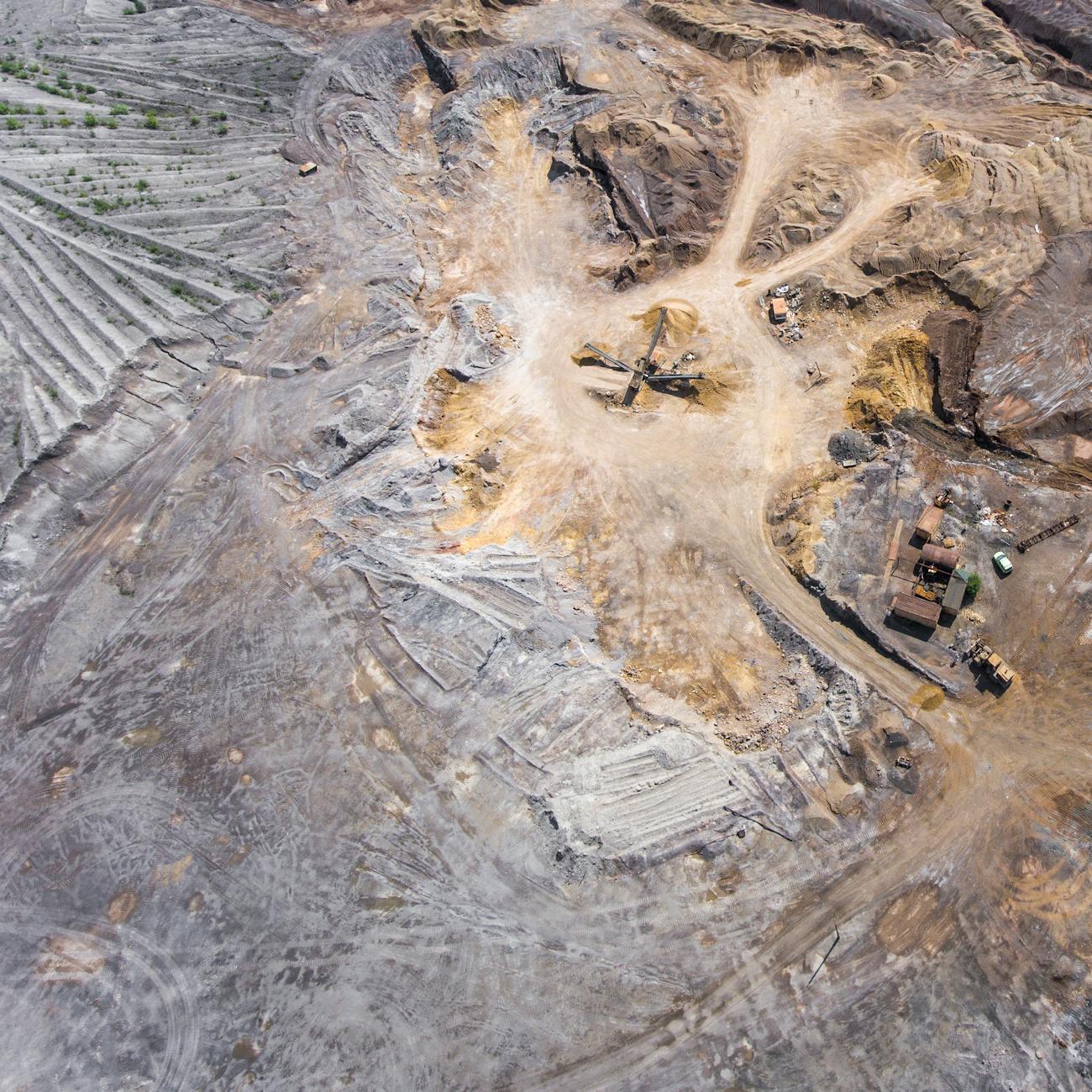
Waste minimization techniques are essential in drilling waste management to reduce the amount of waste generated and minimize the environmental impact. Below are some key terms and vocabulary related to waste minimization techniques in the postgraduate certificate in drilling waste management:
1. **Waste minimization**: Waste minimization is the process of reducing the amount of waste generated and minimizing its environmental impact. It involves using source reduction, reuse, recycling, and treatment methods. 2. **Source reduction**: Source reduction involves modifying the production process to reduce waste generation. It includes using more efficient production methods, reducing raw material usage, and eliminating wasteful practices. 3. **Reuse**: Reuse involves using waste materials for the same or different purposes. It includes reusing drill cuttings, drilling fluids, and other waste materials in the production process or for other purposes. 4. **Recycling**: Recycling involves processing waste materials into new products. It includes recycling drilling fluids, drill cuttings, and other waste materials. 5. **Treatment**: Treatment involves modifying waste materials to reduce their environmental impact. It includes treating drilling fluids, drill cuttings, and other waste materials to reduce their toxicity, volume, or other harmful properties. 6. **Drilling waste**: Drilling waste includes drill cuttings, drilling fluids, and other materials generated during the drilling process. It can be hazardous or non-hazardous and can have a significant environmental impact if not managed properly. 7. **Drilling fluid**: Drilling fluid is a mixture of water, chemicals, and other materials used to lubricate and cool the drill bit and remove cuttings from the wellbore. It can be oil-based or water-based and can be reused or recycled. 8. **Drill cuttings**: Drill cuttings are the rock chips and fragments generated during the drilling process. They can be hazardous or non-hazardous and can be reused or recycled. 9. **Hazardous waste**: Hazardous waste is waste that poses a threat to human health or the environment. It requires special handling, treatment, and disposal methods. 10. **Non-hazardous waste**: Non-hazardous waste is waste that does not pose a threat to human health or the environment. It can be disposed of in regular landfills. 11. **Waste management plan**: A waste management plan is a document that outlines the strategies and methods for managing waste generated during the drilling process. It includes waste minimization techniques, waste handling, treatment, and disposal methods. 12. **Regulatory requirements**: Regulatory requirements are the laws and regulations governing drilling waste management. They include requirements for waste minimization, handling, treatment, and disposal methods. 13. **Environmental impact**: Environmental impact refers to the effects of drilling waste on the environment. It includes effects on air quality, water quality, soil quality, and wildlife. 14. **Life cycle assessment**: Life cycle assessment is a method for evaluating the environmental impact of a product or process from cradle to grave. It includes the extraction of raw materials, production, use, and disposal. 15. **Sustainability**: Sustainability is the ability to meet the needs of the present without compromising the ability of future generations to meet their own needs. It includes considering the environmental, social, and economic impacts of drilling waste management.
Examples of waste minimization techniques in drilling waste management include:
* Using more efficient drilling techniques to reduce drill cuttings and drilling fluid waste * Reusing drilling fluids and drill cuttings in the production process or for other purposes * Recycling drilling fluids and drill cuttings into new products * Treating drilling fluids and drill cuttings to reduce their environmental impact
Practical applications of waste minimization techniques in drilling waste management include:
* Implementing a waste management plan that includes waste minimization techniques * Training drilling personnel on waste minimization techniques * Monitoring and reporting waste minimization progress * Complying with regulatory requirements for waste minimization
Challenges of waste minimization techniques in drilling waste management include:
* Cost and feasibility of implementing waste minimization techniques * Technical limitations of waste minimization techniques * Resistance to change from drilling personnel * Ensuring compliance with regulatory requirements
In conclusion, waste minimization techniques are essential in drilling waste management to reduce the amount of waste generated and minimize the environmental impact. Understanding the key terms and vocabulary related to waste minimization techniques is essential for successful implementation and management. By using efficient drilling techniques, reusing and recycling waste materials, and treating waste to reduce its environmental impact, the drilling industry can minimize its environmental footprint and promote sustainability.
Key takeaways
- Waste minimization techniques are essential in drilling waste management to reduce the amount of waste generated and minimize the environmental impact.
- **Drilling fluid**: Drilling fluid is a mixture of water, chemicals, and other materials used to lubricate and cool the drill bit and remove cuttings from the wellbore.
- By using efficient drilling techniques, reusing and recycling waste materials, and treating waste to reduce its environmental impact, the drilling industry can minimize its environmental footprint and promote sustainability.