
Introduction to Drilling Waste Management
Drilling waste management is a critical aspect of the oil and gas industry, aimed at ensuring the safe and environmentally responsible disposal of drill cuttings, mud, and other byproducts generated during the drilling process. This section…
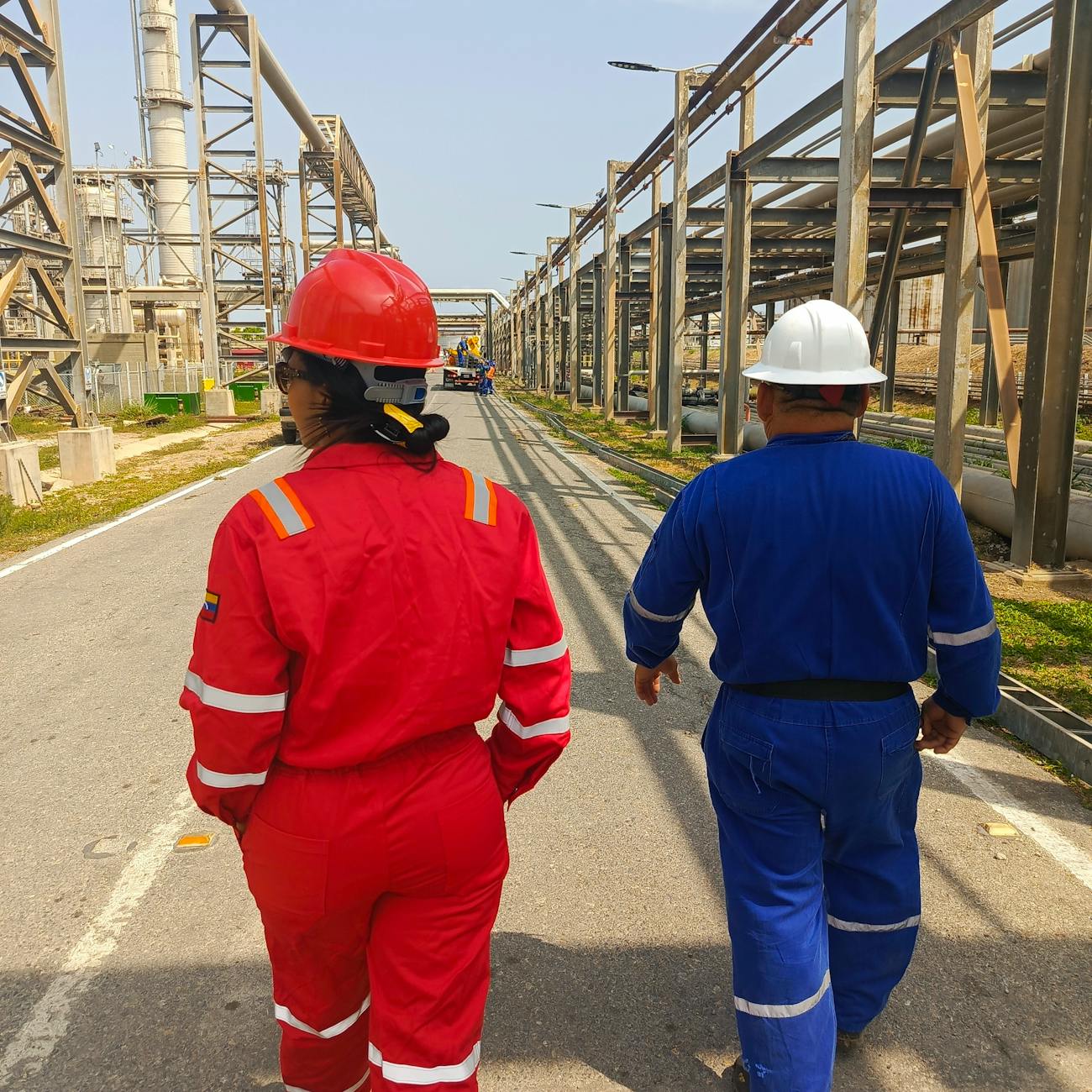
Drilling waste management is a critical aspect of the oil and gas industry, aimed at ensuring the safe and environmentally responsible disposal of drill cuttings, mud, and other byproducts generated during the drilling process. This section introduces some of the key terms and vocabulary used in the field of drilling waste management.
1. Drilling waste: This refers to the cuttings, mud, and other byproducts generated during the drilling process. Drilling waste can be classified into two main categories: drill cuttings and drilling fluids.
2. Drill cuttings: These are rock fragments generated during the drilling process. Drill cuttings can be categorized into three types: primary cuttings, secondary cuttings, and tertiary cuttings.
* Primary cuttings: These are the first rock fragments generated during the drilling process. * Secondary cuttings: These are the rock fragments generated when the drill bit is lifted and then lowered again. * Tertiary cuttings: These are the rock fragments generated when the drill string is rotated.
3. Drilling fluids: These are the fluids used to lubricate the drill bit, cool the drill string, and remove the drill cuttings from the wellbore. Drilling fluids can be classified into three main categories: water-based muds, oil-based muds, and synthetic-based muds.
* Water-based muds: These are drilling fluids based on water, with the addition of various chemicals to control the properties of the mud. * Oil-based muds: These are drilling fluids based on oil, with the addition of various chemicals to control the properties of the mud. * Synthetic-based muds: These are drilling fluids based on synthetic fluids, with the addition of various chemicals to control the properties of the mud.
4. Solids control equipment: This refers to the equipment used to remove the solids from the drilling waste, before the waste is disposed of. Solids control equipment can be classified into three main categories: shale shakers, desanders, and desilters.
* Shale shakers: These are vibrating screens used to remove the largest solids from the drilling waste. * Desanders: These are centrifugal separators used to remove the smaller solids from the drilling waste. * Desilters: These are centrifugal separators used to remove the even smaller solids from the drilling waste.
5. Cuttings dryer: This is a piece of equipment used to remove the remaining liquids from the drill cuttings, before the cuttings are disposed of. A cuttings dryer typically uses heat and/or centrifugal force to remove the liquids from the cuttings.
6. Drilling waste management plan: This is a plan that outlines the procedures and methods to be used for the management of drilling waste. A drilling waste management plan should cover all aspects of drilling waste management, from the generation of the waste to its final disposal.
7. Regulatory requirements: These are the requirements set by regulatory bodies for the management of drilling waste. Regulatory requirements can vary depending on the location and the type of drilling operation.
8. Environmental impact assessment: This is an assessment of the potential environmental impact of a drilling operation. An environmental impact assessment should consider the potential impact of the drilling operation on the air, water, and soil, as well as on the local flora and fauna.
9. Zero discharge: This is a drilling waste management strategy aimed at minimizing the discharge of drilling waste into the environment. Zero discharge strategies typically involve the use of solids control equipment and cuttings dryers to remove as much liquid as possible from the drilling waste, before the waste is disposed of.
10. Re-injection: This is a drilling waste management strategy aimed at re-injecting the drilling waste back into the reservoir. Re-injection can be used to dispose of drilling waste that is not suitable for surface disposal, such as oil-based muds.
11. Surface disposal: This is a drilling waste management strategy aimed at disposing of drilling waste on the surface. Surface disposal can be used for drilling waste that is suitable for surface disposal, such as water-based muds.
12. Landfarming: This is a drilling waste management strategy aimed at disposing of drilling waste by spreading it on the land. Landfarming can be used for drilling waste that is suitable for land disposal, such as water-based muds.
13. Thermal desorption: This is a drilling waste management strategy aimed at removing the contaminants from the drilling waste by heating it. Thermal desorption can be used for drilling waste that is contaminated with hazardous substances.
14. Bioremediation: This is a drilling waste management strategy aimed at using microorganisms to break down the contaminants in the drilling waste. Bioremediation can be used for drilling waste that is contaminated with biodegradable substances.
15. Challenges in drilling waste management: There are several challenges in drilling waste management, including: * The large volumes of drilling waste generated during the drilling process. * The variability of the properties of drilling waste, which can make it difficult to manage. * The potential for drilling waste to contain hazardous substances, which can pose a risk to the environment and human health. * The need to comply with regulatory requirements, which can be complex and vary depending on the location and the type of drilling operation. * The need to minimize the environmental impact of drilling waste, while also ensuring the safe and efficient disposal of the waste.
In conclusion, drilling waste management is a critical aspect of the oil and gas industry, aimed at ensuring the safe and environmentally responsible disposal of drill cuttings, mud, and other byproducts generated during the drilling process. It involves the use of various pieces of equipment and strategies to remove the solids and liquids from the drilling waste, before the waste is disposed of. Drilling waste management is subject to regulatory requirements, and there are several challenges in managing drilling waste, including the large volumes of waste generated, the variability of the properties of the waste, the potential for the waste to contain hazardous substances, and the need to comply with regulatory requirements.
Key takeaways
- Drilling waste management is a critical aspect of the oil and gas industry, aimed at ensuring the safe and environmentally responsible disposal of drill cuttings, mud, and other byproducts generated during the drilling process.
- Drilling waste: This refers to the cuttings, mud, and other byproducts generated during the drilling process.
- Drill cuttings can be categorized into three types: primary cuttings, secondary cuttings, and tertiary cuttings.
- * Secondary cuttings: These are the rock fragments generated when the drill bit is lifted and then lowered again.
- Drilling fluids: These are the fluids used to lubricate the drill bit, cool the drill string, and remove the drill cuttings from the wellbore.
- * Synthetic-based muds: These are drilling fluids based on synthetic fluids, with the addition of various chemicals to control the properties of the mud.
- Solids control equipment: This refers to the equipment used to remove the solids from the drilling waste, before the waste is disposed of.