
Transport Planning and Management
Transport Planning and Management are essential components of the Postgraduate Certificate in Transport and Logistics Engineering program. These concepts are crucial for efficiently moving people and goods from one place to another, ensurin…
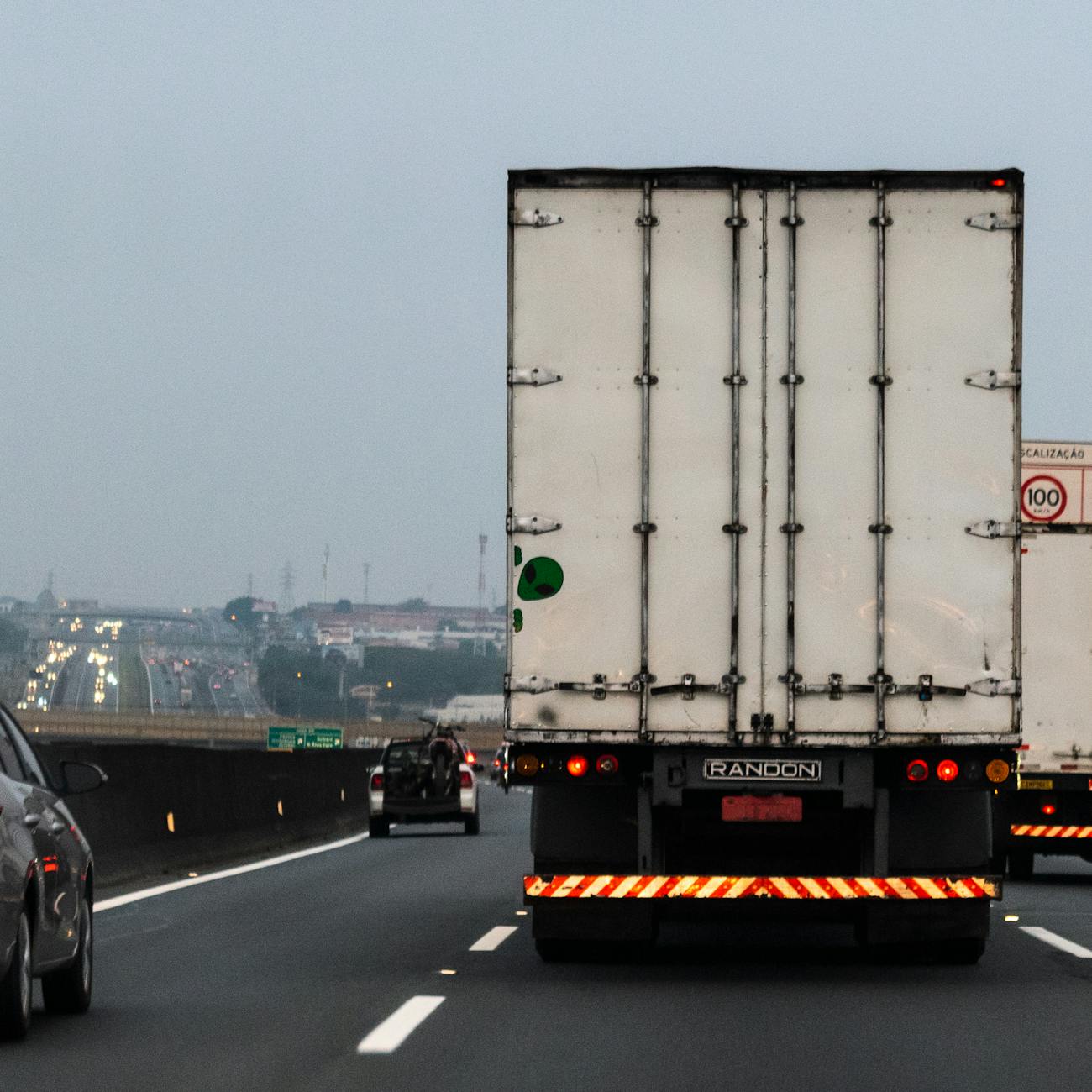
Transport Planning and Management are essential components of the Postgraduate Certificate in Transport and Logistics Engineering program. These concepts are crucial for efficiently moving people and goods from one place to another, ensuring sustainable development, reducing congestion, and improving overall transportation systems. Let's delve into the key terms and vocabulary associated with Transport Planning and Management.
**1. Transportation Planning:** Transportation Planning involves the development of strategies and policies to address current and future transportation needs. It includes analyzing existing transportation systems, forecasting future demand, and designing solutions to meet those demands efficiently. Transportation planners consider various factors such as population growth, land use patterns, economic trends, and environmental impacts when developing transportation plans.
**2. Traffic Engineering:** Traffic Engineering focuses on the design and operation of traffic flow within transportation systems. It deals with traffic signals, signage, road markings, speed limits, and lane configurations to optimize traffic flow and ensure safety. Traffic engineers use data analysis and modeling techniques to improve the efficiency of transportation networks.
**3. Modal Split:** Modal Split refers to the distribution of trips among different modes of transportation, such as cars, public transit, walking, cycling, and freight. Understanding modal split helps transportation planners allocate resources effectively and promote sustainable transportation options. For example, increasing public transit services can reduce reliance on private cars and alleviate traffic congestion.
**4. Transport Demand Management (TDM):** Transport Demand Management aims to reduce the demand for private vehicle travel by promoting alternative modes of transportation or changing travel behavior. TDM strategies include carpooling, telecommuting, flexible work hours, and incentives for using public transit. By implementing TDM measures, cities can reduce traffic congestion, improve air quality, and enhance the overall quality of life for residents.
**5. Land Use Planning:** Land Use Planning involves the design and regulation of land use patterns to support efficient transportation systems. By locating residential, commercial, and industrial areas in proximity to transportation hubs, cities can reduce the need for long commutes and promote walking, cycling, and public transit use. Integrated land use and transportation planning can lead to more sustainable and livable communities.
**6. Public Transport Network Design:** Public Transport Network Design focuses on designing efficient and accessible public transit systems. This includes planning routes, schedules, fare structures, and infrastructure to provide convenient and reliable transportation options for the public. Public transport network design plays a crucial role in promoting sustainable urban development and reducing car dependency.
**7. Intelligent Transportation Systems (ITS):** Intelligent Transportation Systems utilize advanced technologies to improve the safety, efficiency, and sustainability of transportation systems. ITS applications include traffic signal synchronization, real-time traffic information, electronic toll collection, and vehicle-to-infrastructure communication. By leveraging ITS solutions, cities can enhance mobility, reduce travel times, and minimize environmental impacts.
**8. Transport Economics:** Transport Economics examines the economic principles and factors that influence transportation systems. It includes cost-benefit analysis, pricing strategies, investment decisions, and the evaluation of transportation projects. Understanding transport economics is essential for making informed policy decisions and allocating resources effectively in the transport sector.
**9. Freight Transportation Management:** Freight Transportation Management focuses on the movement of goods from production to consumption. It involves optimizing freight routes, selecting appropriate transportation modes, coordinating logistics operations, and minimizing transportation costs. Effective freight transportation management is critical for supporting economic growth and ensuring the smooth flow of goods in global supply chains.
**10. Sustainable Transportation:** Sustainable Transportation aims to balance economic, social, and environmental considerations in transportation planning and management. It involves promoting energy-efficient vehicles, reducing greenhouse gas emissions, enhancing public transportation, and encouraging active transportation modes. By prioritizing sustainability, cities can create more resilient and environmentally friendly transportation systems.
**11. Multi-Modal Transportation:** Multi-Modal Transportation integrates different modes of transportation, such as buses, trains, bicycles, and walking, to provide seamless and efficient travel options for passengers and freight. Multi-modal transportation systems offer greater flexibility, convenience, and connectivity, allowing travelers to easily switch between modes to reach their destinations. By promoting multi-modal transportation, cities can reduce congestion and improve accessibility for all residents.
**12. Transport Infrastructure:** Transport Infrastructure includes the physical facilities and structures that support transportation activities, such as roads, bridges, railways, airports, ports, and terminals. Maintaining and expanding transport infrastructure is essential for accommodating growing demand, enhancing safety, and improving connectivity within transportation networks. Investment in transport infrastructure is crucial for fostering economic development and competitiveness.
**13. Urban Mobility:** Urban Mobility focuses on providing efficient and sustainable transportation options within urban areas. It encompasses public transit, walking, cycling, car-sharing, and ride-sharing services to meet the diverse mobility needs of urban residents. Urban mobility strategies aim to reduce traffic congestion, enhance air quality, and promote active transportation modes to create more livable and vibrant cities.
**14. Travel Behavior Analysis:** Travel Behavior Analysis examines the factors influencing people's travel choices and patterns. It includes studying travel preferences, trip purposes, mode choices, travel times, and route selections to better understand how individuals make transportation decisions. By analyzing travel behavior, transportation planners can design policies and infrastructure that align with the needs and preferences of travelers.
**15. Transport Accessibility:** Transport Accessibility refers to the ease with which individuals can reach destinations using different modes of transportation. It considers factors such as proximity to transit stops, frequency of service, affordability, and physical barriers that may affect access for people with disabilities. Improving transport accessibility is essential for promoting social inclusion, reducing disparities, and enhancing mobility for all members of society.
In conclusion, Transport Planning and Management encompass a wide range of concepts and practices that are essential for creating sustainable, efficient, and inclusive transportation systems. By understanding key terms and vocabulary in this field, students in the Postgraduate Certificate in Transport and Logistics Engineering program can develop the knowledge and skills needed to address the complex challenges facing the transportation industry today. From transportation planning and traffic engineering to sustainable transportation and urban mobility, these concepts play a vital role in shaping the future of transportation and logistics.
Key takeaways
- These concepts are crucial for efficiently moving people and goods from one place to another, ensuring sustainable development, reducing congestion, and improving overall transportation systems.
- Transportation planners consider various factors such as population growth, land use patterns, economic trends, and environmental impacts when developing transportation plans.
- It deals with traffic signals, signage, road markings, speed limits, and lane configurations to optimize traffic flow and ensure safety.
- Modal Split:** Modal Split refers to the distribution of trips among different modes of transportation, such as cars, public transit, walking, cycling, and freight.
- Transport Demand Management (TDM):** Transport Demand Management aims to reduce the demand for private vehicle travel by promoting alternative modes of transportation or changing travel behavior.
- By locating residential, commercial, and industrial areas in proximity to transportation hubs, cities can reduce the need for long commutes and promote walking, cycling, and public transit use.
- This includes planning routes, schedules, fare structures, and infrastructure to provide convenient and reliable transportation options for the public.