
Urban Transport Planning
Urban Transport Planning
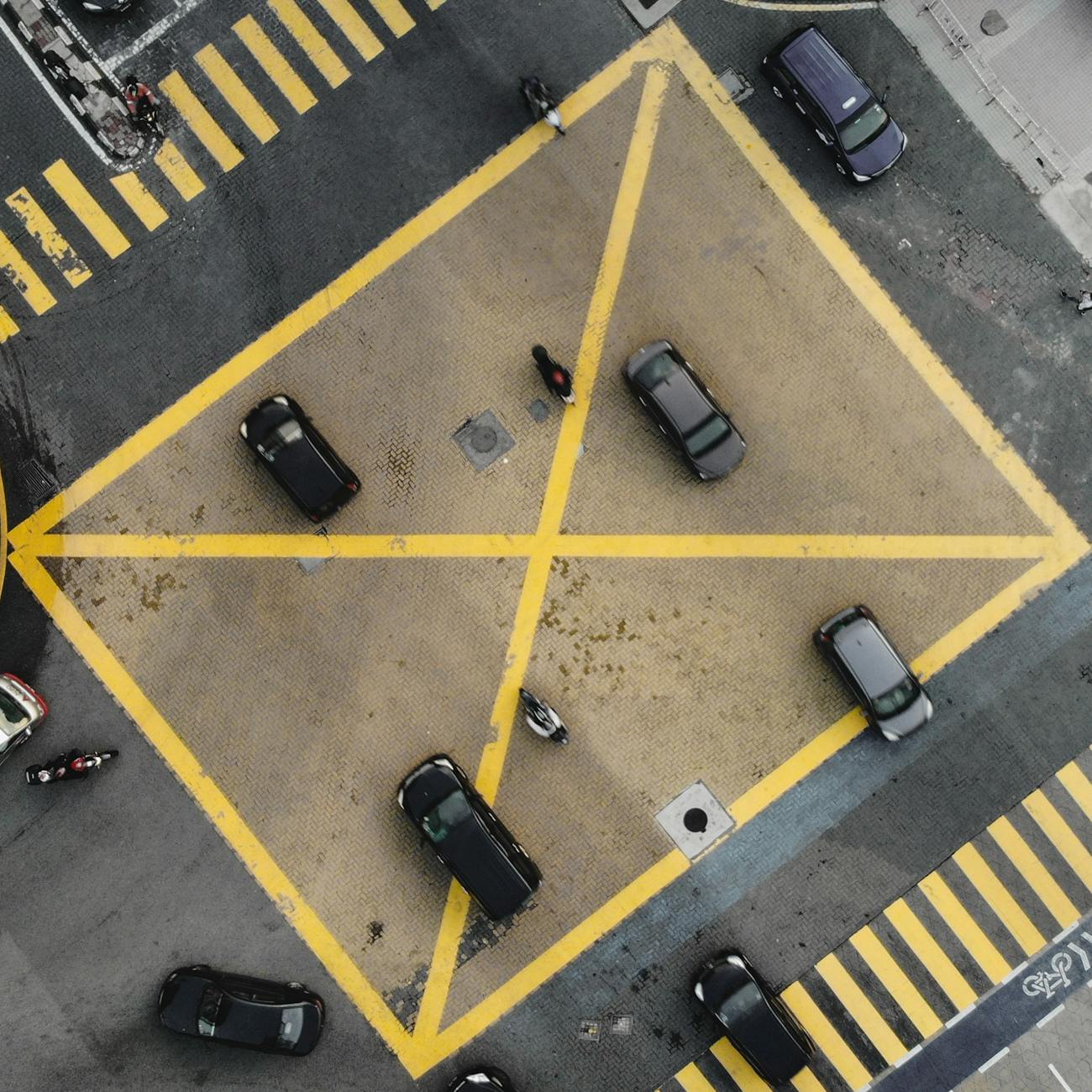
Urban Transport Planning
Urban transport planning is a crucial aspect of city development and sustainability. It involves the design, management, and coordination of transportation systems within urban areas to ensure efficient and sustainable movement of people and goods. This process includes analyzing current transportation infrastructure, predicting future demand, and developing strategies to meet the needs of a growing population while minimizing environmental impact.
Urban transport planning encompasses a wide range of disciplines, including engineering, economics, environmental science, and urban planning. It aims to create a balance between various modes of transportation, such as public transit, walking, cycling, and private vehicles, to provide safe, reliable, and affordable options for all residents.
Key aspects of urban transport planning include:
1. **Transportation Demand Analysis**: This involves studying the travel patterns and behaviors of individuals within a city to understand the demand for different modes of transportation. Data on population demographics, employment centers, and land use are used to forecast future transportation needs.
2. **Infrastructure Design**: Urban transport planners design roads, highways, bridges, tunnels, and public transit systems to meet the mobility requirements of a city. They consider factors such as capacity, safety, accessibility, and sustainability when designing transportation infrastructure.
3. **Traffic Management**: Efficient traffic management is essential to prevent congestion, reduce travel times, and improve road safety. Traffic signal optimization, lane management, and parking policies are some of the strategies used to manage traffic flow in urban areas.
4. **Public Transit Planning**: Public transportation plays a vital role in urban mobility by providing an alternative to private vehicles. Urban transport planners design bus routes, subway lines, light rail systems, and other public transit services to serve the needs of residents and reduce congestion on roads.
5. **Active Transportation**: Encouraging walking and cycling in urban areas can help reduce traffic congestion, improve air quality, and promote physical activity. Urban transport planners create pedestrian-friendly infrastructure, such as sidewalks, bike lanes, and shared streets, to support active transportation.
6. **Land Use Planning**: The relationship between transportation and land use is a key consideration in urban transport planning. Planners work to integrate transportation infrastructure with residential, commercial, and recreational areas to create compact, walkable communities that reduce the need for long-distance travel.
7. **Sustainability**: Sustainable transport planning aims to minimize the environmental impact of transportation systems by promoting energy-efficient vehicles, reducing greenhouse gas emissions, and supporting renewable energy sources. Innovations such as electric buses, bike-sharing programs, and carpooling services contribute to a more sustainable urban transport system.
8. **Multi-Modal Integration**: Urban transport planners strive to create a seamless network of transportation options that allows residents to easily switch between modes of transport. Integrating public transit with cycling, walking, and ride-sharing services can improve accessibility and convenience for commuters.
Urban transport planning faces several challenges, including:
1. **Limited Funding**: Developing and maintaining transportation infrastructure requires significant investment, and many cities struggle to secure adequate funding for urban transport projects. Public-private partnerships, congestion pricing, and other financing mechanisms are often used to fund transportation initiatives.
2. **Political Resistance**: Urban transport planning decisions can be controversial, leading to opposition from residents, businesses, and interest groups. Balancing the needs of different stakeholders and addressing concerns about changes to transportation systems can be a major challenge for planners.
3. **Data Collection and Analysis**: Accurate data on travel patterns, traffic volume, and transportation demand are essential for effective urban transport planning. However, collecting and analyzing this data can be complex and time-consuming, requiring advanced technology and expertise.
4. **Integration of New Technologies**: Rapid advancements in technology, such as autonomous vehicles, ride-sharing apps, and mobility-as-a-service platforms, are reshaping the urban transport landscape. Urban transport planners must adapt to these changes and incorporate new technologies into their planning processes.
5. **Climate Change and Air Quality**: Transportation is a major contributor to greenhouse gas emissions and air pollution in urban areas. Sustainable transport planning strategies are needed to reduce the environmental impact of transportation systems and mitigate the effects of climate change on cities.
In conclusion, urban transport planning plays a vital role in shaping the future of cities by creating efficient, sustainable, and equitable transportation systems. By integrating various modes of transport, prioritizing public transit, promoting active transportation, and embracing new technologies, urban transport planners can address the challenges of urban mobility and create vibrant, livable cities for all residents.
Key takeaways
- This process includes analyzing current transportation infrastructure, predicting future demand, and developing strategies to meet the needs of a growing population while minimizing environmental impact.
- It aims to create a balance between various modes of transportation, such as public transit, walking, cycling, and private vehicles, to provide safe, reliable, and affordable options for all residents.
- **Transportation Demand Analysis**: This involves studying the travel patterns and behaviors of individuals within a city to understand the demand for different modes of transportation.
- **Infrastructure Design**: Urban transport planners design roads, highways, bridges, tunnels, and public transit systems to meet the mobility requirements of a city.
- Traffic signal optimization, lane management, and parking policies are some of the strategies used to manage traffic flow in urban areas.
- Urban transport planners design bus routes, subway lines, light rail systems, and other public transit services to serve the needs of residents and reduce congestion on roads.
- **Active Transportation**: Encouraging walking and cycling in urban areas can help reduce traffic congestion, improve air quality, and promote physical activity.