
Coral Reef Biology
Coral Reef Biology
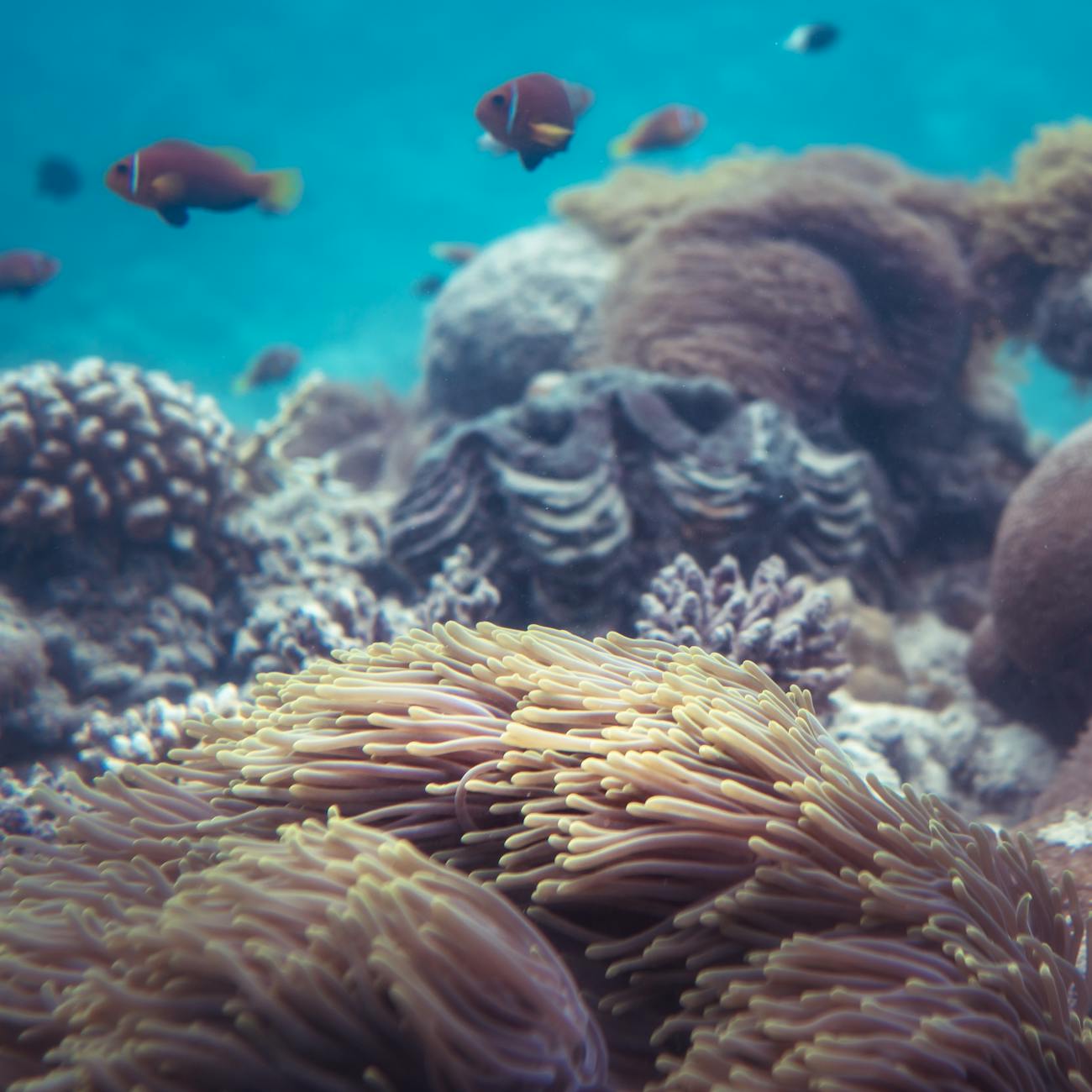
Coral Reef Biology
Coral reefs are one of the most diverse and productive ecosystems on earth. They are often referred to as the "rainforests of the sea" due to the incredible biodiversity they support. Coral reefs are made up of colonies of tiny animals called coral polyps, which secrete a hard exoskeleton made of calcium carbonate. These polyps live in a symbiotic relationship with algae called zooxanthellae, which provide them with energy through photosynthesis.
Coral Polyps
Coral polyps are small, cylindrical animals that belong to the phylum Cnidaria. They have a central mouth surrounded by tentacles that they use to capture food and defend themselves. Coral polyps reproduce both sexually and asexually, with asexual reproduction being the primary method of growth for coral colonies. When a coral polyp dies, its exoskeleton remains and provides the structure for new polyps to settle and grow on.
Zooxanthellae
Zooxanthellae are single-celled algae that live inside the tissues of coral polyps. They are photosynthetic organisms that provide corals with essential nutrients, including glucose, glycerol, and amino acids. In return, the coral polyps provide the zooxanthellae with a protected environment and the necessary compounds for photosynthesis. This symbiotic relationship is crucial for the survival of coral reefs, as it provides the energy needed for coral growth and reproduction.
Coral Reef Formation
Coral reefs form over thousands of years as coral polyps build their exoskeletons on top of each other. The calcium carbonate exoskeletons create the structure of the reef, while the living coral polyps form a thin layer on top. Over time, this layer grows and expands, creating the diverse and intricate structures that we see in coral reefs today. Coral reefs grow best in warm, shallow, clear waters with plenty of sunlight.
Coral Reef Biodiversity
The biodiversity of coral reefs is unparalleled, with thousands of species of fish, invertebrates, and other marine organisms calling these ecosystems home. Coral reefs provide habitat, shelter, and food for a wide variety of marine life, including reef fish, sea turtles, sharks, and mollusks. The complex structure of coral reefs creates niches for different species to thrive, leading to high levels of biodiversity and interdependence among organisms.
Coral Reef Threats
Despite their importance, coral reefs are facing numerous threats that put their survival at risk. Climate change, overfishing, pollution, and coastal development are some of the main factors contributing to coral reef degradation. Rising sea temperatures due to climate change can cause coral bleaching, a phenomenon where corals expel their zooxanthellae and turn white. Without their algae partners, corals are more susceptible to disease and mortality.
Coral Bleaching
Coral bleaching is a stress response in corals triggered by environmental factors such as high water temperatures, pollution, or changes in water chemistry. When corals bleach, they lose their zooxanthellae, which leads to a loss of color and energy production. While corals can recover from bleaching if conditions improve, prolonged stress can result in widespread coral mortality and reef degradation. Monitoring and addressing the causes of coral bleaching are essential for the long-term health of coral reefs.
Coral Reef Conservation
Conserving coral reefs is crucial for maintaining biodiversity, supporting fisheries, and protecting coastal communities. Marine protected areas, sustainable fishing practices, and reducing pollution are some of the key strategies for conserving coral reefs. Public awareness, education, and community engagement are also essential for promoting sustainable practices and reducing the impacts of human activities on coral reefs. By working together to protect these valuable ecosystems, we can ensure their survival for future generations.
Challenges and Opportunities
Protecting coral reefs presents many challenges, but there are also opportunities for positive change. By implementing effective conservation strategies, reducing carbon emissions, and promoting sustainable development, we can help preserve coral reefs and the valuable services they provide. Engaging local communities, governments, and stakeholders in conservation efforts is essential for achieving long-term success. While the threats to coral reefs are significant, with concerted effort and collaboration, we can work towards a sustainable future for these vital ecosystems.
Key takeaways
- These polyps live in a symbiotic relationship with algae called zooxanthellae, which provide them with energy through photosynthesis.
- Coral polyps reproduce both sexually and asexually, with asexual reproduction being the primary method of growth for coral colonies.
- This symbiotic relationship is crucial for the survival of coral reefs, as it provides the energy needed for coral growth and reproduction.
- The calcium carbonate exoskeletons create the structure of the reef, while the living coral polyps form a thin layer on top.
- The complex structure of coral reefs creates niches for different species to thrive, leading to high levels of biodiversity and interdependence among organisms.
- Rising sea temperatures due to climate change can cause coral bleaching, a phenomenon where corals expel their zooxanthellae and turn white.
- Coral bleaching is a stress response in corals triggered by environmental factors such as high water temperatures, pollution, or changes in water chemistry.