
Fish Health and Diseases
Fish Health and Diseases
Fish Health and Diseases
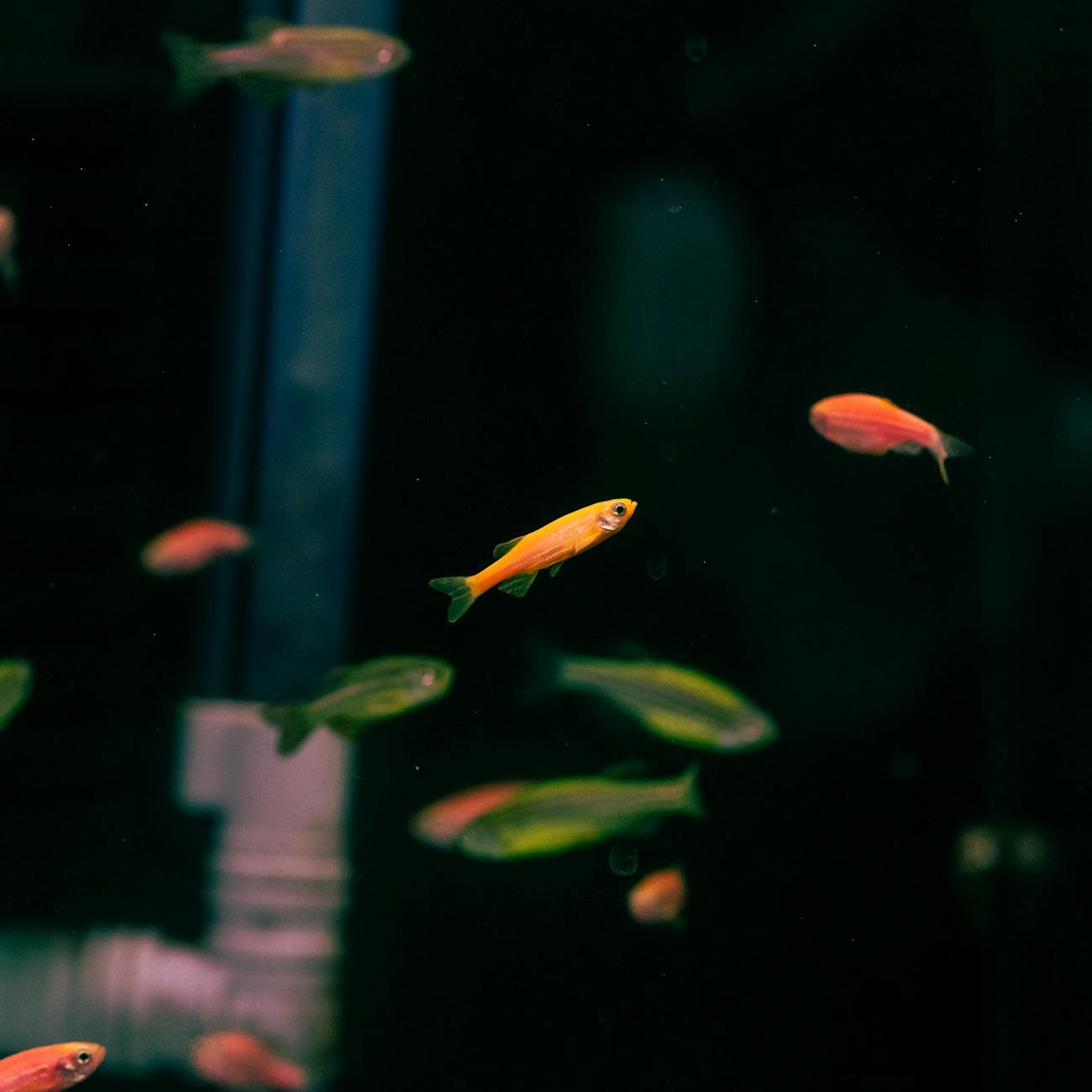
Fish health and diseases are essential topics to understand for anyone involved in marine aquarium care. Ensuring the well-being of your fish is crucial for maintaining a thriving aquatic environment. In this course, we will explore key terms and vocabulary related to fish health and diseases to help you identify, prevent, and treat common issues that may arise in your marine aquarium.
1. Water Quality
Water quality is perhaps the most critical factor in maintaining fish health. Poor water quality can stress fish, making them more susceptible to diseases. It is essential to monitor and maintain parameters such as temperature, pH, ammonia, nitrite, and nitrate levels within optimal ranges for your fish species.
For example, high levels of ammonia can be toxic to fish, causing stress and potentially leading to diseases such as ammonia poisoning. Regular water testing and appropriate water changes are essential for maintaining good water quality in your marine aquarium.
2. Quarantine
Quarantine is a crucial practice in fish care to prevent the introduction of diseases into your main display tank. New fish should be quarantined for a period of time to observe and treat any potential health issues before adding them to the main aquarium. This helps protect the health of existing fish and reduces the risk of spreading diseases.
During quarantine, it is essential to monitor the new fish for signs of diseases such as ich (white spot disease) or fin rot. Treating any issues promptly can help prevent the spread of diseases to other fish in the aquarium.
3. Parasites
Parasites are a common cause of diseases in fish. External parasites such as ichthyophthirius multifiliis (ich) and gill flukes can cause symptoms such as white spots on the fish's body or labored breathing. Internal parasites like nematodes and tapeworms can also affect fish health.
Using medications specifically designed to target parasites can help treat infestations in your marine aquarium. It is essential to follow dosing instructions carefully and monitor fish closely during treatment to ensure the parasites are eradicated effectively.
4. Bacterial Infections
Bacterial infections are another common issue that can affect fish health. Bacteria such as Aeromonas and Pseudomonas can cause symptoms like fin rot, ulcers, and red sores on the fish's body. These infections can be challenging to treat and may require antibiotics prescribed by a veterinarian.
Preventing bacterial infections involves maintaining good water quality, avoiding overcrowding, and providing a balanced diet for your fish. Regular tank maintenance and observation can help catch bacterial infections early before they spread to other fish in the aquarium.
5. Fungal Infections
Fungal infections are often secondary to other health issues such as wounds or parasitic infestations. Fungi like Saprolegnia can cause cotton-like growth on fish, especially in damaged areas of the skin or fins. Treating fungal infections typically involves using antifungal medications in the aquarium.
Improving water quality and reducing stress on fish can help prevent fungal infections. Providing a stress-free environment with proper nutrition and water parameters can support fish health and reduce the risk of fungal issues in your marine aquarium.
6. Viral Diseases
Viral diseases in fish are less common but can still pose a threat to fish health. Viruses like lymphocystis can cause growths or lesions on the fish's skin, fins, or gills. These diseases are challenging to treat, and prevention is key to managing viral outbreaks in the aquarium.
Maintaining good hygiene practices, quarantining new fish, and avoiding overcrowding can help reduce the risk of viral diseases in your marine aquarium. Regular observation and prompt treatment of any signs of illness can help minimize the impact of viral infections on fish health.
7. Stress
Stress is a significant factor in fish health and disease susceptibility. Fish can become stressed due to factors such as poor water quality, inadequate nutrition, overcrowding, or sudden changes in the environment. Chronic stress weakens the fish's immune system, making them more vulnerable to diseases.
Reducing stress in your marine aquarium involves providing a stable environment with consistent water parameters, proper nutrition, and adequate hiding places for fish to retreat to. Minimizing disruptions and maintaining a regular feeding schedule can help keep fish stress levels low and support overall health.
8. Ich (White Spot Disease)
Ichthyophthirius multifiliis, commonly known as ich or white spot disease, is a prevalent parasitic infection in fish. Ich presents as white spots on the fish's body, fins, or gills and can lead to symptoms like flashing (rubbing against objects) and respiratory distress. Treating ich typically involves raising the water temperature and using medications to eradicate the parasite.
Ich is highly contagious and can spread rapidly in the aquarium. Quarantining affected fish and treating the entire tank can help prevent the further spread of ich. Maintaining good water quality and reducing stress can also support fish recovery from this common disease.
9. Fin Rot
Fin rot is a bacterial infection that affects the fins and tails of fish. It is often caused by poor water quality, stress, or injuries to the fins. Fin rot presents as frayed or disintegrating fins, and in severe cases, it can lead to tissue loss and secondary infections. Treating fin rot involves improving water quality, removing affected tissue, and using antibiotics if necessary.
Preventing fin rot requires maintaining optimal water parameters, providing a balanced diet, and reducing stress in the aquarium. Regular observation of fish for signs of fin damage and early treatment can help prevent the progression of fin rot and promote healing in affected fish.
10. Velvet Disease
Velvet disease, also known as gold dust disease, is caused by the parasite Piscinoodinium pillulare. It presents as a fine golden or rust-colored dust on the fish's body and fins, along with symptoms like flashing and respiratory distress. Treating velvet disease involves using medications specifically designed to target the parasite and raising the water temperature to accelerate the parasite's life cycle.
Preventing velvet disease requires maintaining good water quality, avoiding stressors, and quarantining new fish to prevent the introduction of parasites. Regular observation of fish for signs of velvet disease and prompt treatment can help control outbreaks and protect fish health in the aquarium.
11. Columnaris Disease
Columnaris disease, caused by the bacterium Flavobacterium columnare, is a common bacterial infection in fish. It presents as white or gray patches on the fish's skin, fins, and gills, resembling cotton wool. Columnaris can progress rapidly and lead to tissue destruction if left untreated. Treating columnaris disease involves using antibiotics and improving water quality in the aquarium.
Preventing columnaris disease requires maintaining good hygiene practices, avoiding overcrowding, and providing a stress-free environment for fish. Regular observation for signs of columnaris and prompt treatment can help control outbreaks and protect fish from this aggressive bacterial infection.
12. Dropsy
Dropsy is a symptom rather than a specific disease and is characterized by the swelling of the fish's body due to fluid retention. Dropsy can be caused by various underlying health issues such as bacterial infections, kidney failure, or parasites. Treating dropsy involves addressing the root cause of the swelling, such as using antibiotics for bacterial infections or deworming medications for internal parasites.
Preventing dropsy involves maintaining good water quality, providing a balanced diet, and reducing stress on fish. Regular observation for signs of dropsy and addressing any health issues promptly can help improve fish health and prevent the development of this serious condition in the aquarium.
13. Swim Bladder Disorder
Swim bladder disorder is a common issue in fish that affects their buoyancy and ability to swim properly. It can be caused by factors such as overfeeding, constipation, or bacterial infections. Fish with swim bladder disorder may have difficulty swimming upright, floating to one side, or sinking to the bottom of the tank. Treating swim bladder disorder involves adjusting the fish's diet, providing peas to help with digestion, and maintaining optimal water quality.
Preventing swim bladder disorder requires feeding fish a varied diet, avoiding overfeeding, and providing foods that promote proper digestion. Observing fish for signs of swim bladder issues and making appropriate adjustments to their care can help prevent this condition and support fish health in the aquarium.
14. Ammonia Poisoning
Ammonia poisoning is a severe health issue that can result from high levels of ammonia in the aquarium. Ammonia is toxic to fish, causing symptoms like gasping for air at the water's surface, red or inflamed gills, and lethargy. Treating ammonia poisoning involves immediately diluting the ammonia with water changes and using products like water conditioners to detoxify ammonia.
Preventing ammonia poisoning requires regular water testing, avoiding overfeeding, and maintaining a stable nitrogen cycle in the aquarium. Providing adequate filtration and performing routine water changes can help keep ammonia levels in check and protect fish from this potentially deadly condition.
15. Marine Ich vs. Freshwater Ich
Ichthyophthirius multifiliis, or ich, can affect both marine and freshwater fish but may present differently in each environment. Marine ich often appears as small white spots on the fish's body, fins, or gills. Freshwater ich, on the other hand, may manifest as larger white spots and is generally easier to treat due to differences in the parasite's life cycle.
Understanding the difference between marine ich and freshwater ich is essential for effective diagnosis and treatment in your marine aquarium. Tailoring treatment options to the specific type of ich affecting your fish can help improve outcomes and prevent the further spread of this common parasite.
16. Stress Coat
Stress coat is a water conditioner designed to help fish cope with stressful situations in the aquarium. It contains ingredients like aloe vera to soothe fish skin and promote healing of minor wounds. Using stress coat during water changes or when introducing new fish can help reduce stress levels and support fish health in the marine aquarium.
Including stress coat in your aquarium care routine can provide additional support for fish during times of stress, such as transportation, tank maintenance, or changes in the environment. Following dosing instructions and observing fish behavior can help determine when to use stress coat to promote a healthy and stress-free environment for your marine fish.
17. Nitrogen Cycle
The nitrogen cycle is a crucial biological process that breaks down toxic ammonia into less harmful nitrite and nitrate in the aquarium. Beneficial bacteria convert ammonia excreted by fish into nitrite, which is then converted into nitrate. Maintaining a stable nitrogen cycle is essential for preventing ammonia spikes and ensuring good water quality in the marine aquarium.
Establishing a healthy nitrogen cycle involves cycling the tank properly, providing adequate filtration, and avoiding disruptions that can harm beneficial bacteria. Regular monitoring of water parameters and performing partial water changes can help support the nitrogen cycle and maintain a stable environment for your fish.
18. Algae Bloom
Algae blooms are common occurrences in aquariums and can affect water quality and fish health. Excessive algae growth can deplete oxygen levels in the water, leading to stress on fish and potential health issues. Factors like excess nutrients, prolonged light exposure, or poor water circulation can contribute to algae blooms in the marine aquarium.
Preventing algae blooms involves controlling nutrient levels through proper feeding practices, managing light exposure with a timer, and maintaining clean filters and equipment. Regular algae removal and water changes can help reduce the risk of algae blooms and support a healthy aquatic environment for your fish.
19. Redox Potential
Redox potential, also known as oxidation-reduction potential, is a measure of the balance between oxidizing and reducing agents in the aquarium water. Maintaining an optimal redox potential is essential for supporting fish health and immune function. Factors like water quality, filtration, and oxygenation can affect the redox potential in the marine aquarium.
Monitoring and adjusting redox potential in the aquarium can help create a stable and healthy environment for fish. Providing adequate aeration, using quality filtration systems, and maintaining proper water parameters can support optimal redox potential and reduce the risk of oxidative stress on fish in the marine aquarium.
20. Osmoregulation
Osmoregulation is the process by which fish regulate the balance of salt and water in their bodies to adapt to changes in their environment. Marine fish must maintain a higher salt concentration inside their bodies than in the surrounding water to prevent dehydration. Osmoregulation is essential for fish health and survival in the marine aquarium.
Understanding osmoregulation can help you provide the right salinity levels for your marine fish and prevent health issues related to improper salt balance. Monitoring salinity with a refractometer, acclimating new fish slowly, and maintaining stable water parameters can support osmoregulation and ensure the well-being of your fish in the marine aquarium.
In conclusion, understanding key terms and vocabulary related to fish health and diseases is essential for successfully caring for marine fish in the aquarium. By monitoring water quality, preventing diseases, and providing proper care and treatment when needed, you can create a healthy and thriving environment for your fish to thrive. Remember to maintain a stable environment, observe fish behavior regularly, and seek professional help when necessary to ensure the well-being of your marine aquarium inhabitants.
Key takeaways
- In this course, we will explore key terms and vocabulary related to fish health and diseases to help you identify, prevent, and treat common issues that may arise in your marine aquarium.
- It is essential to monitor and maintain parameters such as temperature, pH, ammonia, nitrite, and nitrate levels within optimal ranges for your fish species.
- For example, high levels of ammonia can be toxic to fish, causing stress and potentially leading to diseases such as ammonia poisoning.
- New fish should be quarantined for a period of time to observe and treat any potential health issues before adding them to the main aquarium.
- During quarantine, it is essential to monitor the new fish for signs of diseases such as ich (white spot disease) or fin rot.
- External parasites such as ichthyophthirius multifiliis (ich) and gill flukes can cause symptoms such as white spots on the fish's body or labored breathing.
- It is essential to follow dosing instructions carefully and monitor fish closely during treatment to ensure the parasites are eradicated effectively.