
Marine Aquarium Ecology
Marine Aquarium Ecology is a fascinating field that involves the study of the interactions between living organisms and their environment within an aquarium setting. To fully understand Marine Aquarium Ecology, it is essential to grasp key …
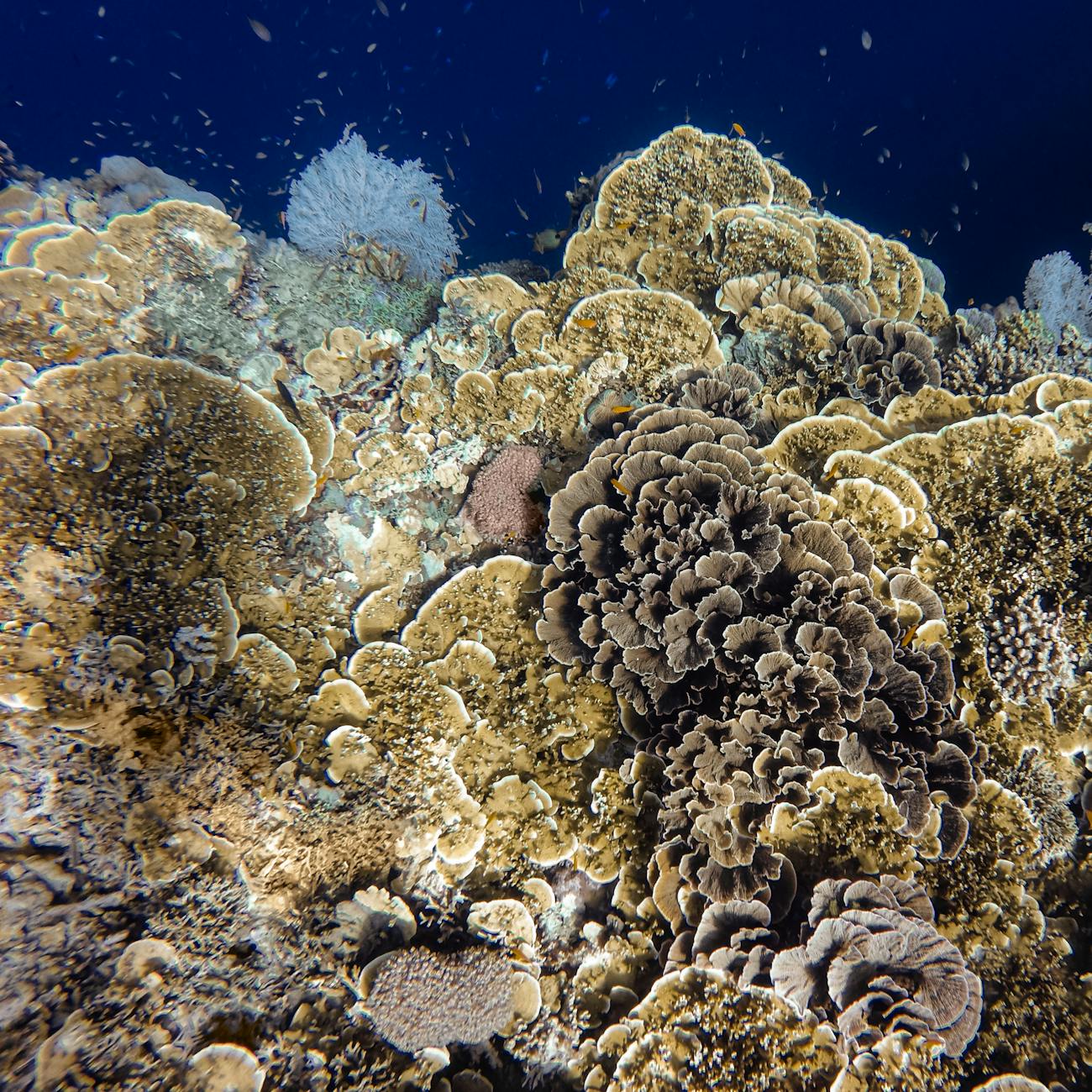
Marine Aquarium Ecology is a fascinating field that involves the study of the interactions between living organisms and their environment within an aquarium setting. To fully understand Marine Aquarium Ecology, it is essential to grasp key terms and vocabulary that are commonly used in the field. This comprehensive guide will cover essential terms, concepts, and practices in Marine Aquarium Ecology to help you navigate and succeed in the Certificate in Marine Aquarium Care course.
**Aquarium**
An aquarium is a water-filled container in which aquatic plants and animals are kept. Marine aquariums specifically house saltwater organisms, replicating a natural marine environment. There are various types of aquariums, including fish-only tanks, reef tanks, and coral tanks.
**Ecosystem**
An ecosystem refers to a community of organisms interacting with each other and their physical environment. In a marine aquarium, the ecosystem includes all living organisms, such as fish, invertebrates, corals, and algae, as well as non-living components like water quality, temperature, and lighting.
**Biodiversity**
Biodiversity is the variety of life forms in a particular habitat or ecosystem. In a marine aquarium, biodiversity is essential for a healthy and balanced ecosystem. It includes different species of fish, corals, invertebrates, and microorganisms that contribute to the overall stability of the aquarium.
**Biological Filtration**
Biological filtration is a process where beneficial bacteria break down harmful waste products, such as ammonia and nitrites, into less harmful substances, like nitrates. These bacteria colonies are crucial for maintaining water quality and a stable ecosystem in a marine aquarium.
**Water Parameters**
Water parameters are specific measurements of key factors in an aquarium, such as temperature, pH, salinity, ammonia, nitrites, nitrates, and dissolved oxygen. Monitoring and maintaining optimal water parameters are essential for the health and well-being of marine organisms in the aquarium.
**Temperature**
Temperature is a critical water parameter that affects the metabolism, growth, and behavior of marine organisms. Most marine aquariums require a stable temperature range between 75-80°F (24-27°C) for tropical species to thrive.
**pH**
pH is a measure of the acidity or alkalinity of the water in an aquarium. Marine organisms have specific pH requirements for survival and optimal health. The ideal pH range for a marine aquarium is typically between 8.0 and 8.4.
**Salinity**
Salinity refers to the salt concentration in the water of a marine aquarium. It is measured in parts per thousand (ppt) or specific gravity. Different marine species have specific salinity requirements, with most reef aquariums maintaining a salinity level between 1.023 and 1.025.
**Ammonia, Nitrites, and Nitrates**
Ammonia, nitrites, and nitrates are nitrogen compounds that are produced as waste products by fish and other organisms in the aquarium. High levels of ammonia and nitrites are toxic to marine life, while nitrates can lead to algae blooms. Proper biological filtration and regular water changes help control these levels.
**Dissolved Oxygen**
Dissolved oxygen is essential for the respiration of marine organisms in the aquarium. Adequate oxygen levels are crucial for fish and invertebrates to thrive. Factors like temperature, water movement, and stocking density influence the amount of dissolved oxygen in the water.
**Cycling**
Cycling refers to the process of establishing a stable nitrogen cycle in a new marine aquarium. This cycle involves the growth of beneficial bacteria that convert toxic ammonia into nitrites and then nitrates. Cycling a new aquarium can take several weeks to ensure a healthy and stable environment for marine life.
**Live Rock**
Live rock is porous calcium carbonate rock taken from the ocean that harbors beneficial bacteria, algae, and small invertebrates. It serves as a natural biological filter and provides shelter for fish and invertebrates in a marine aquarium. Live rock enhances biodiversity and helps maintain water quality.
**Protein Skimmer**
A protein skimmer is a filtration device that removes organic compounds, proteins, and other waste materials from the water in a marine aquarium. It works by creating a foam that traps and removes these substances before they decompose and affect water quality. Protein skimmers are essential for maintaining a clean and healthy aquarium.
**Sump**
A sump is an auxiliary tank or reservoir connected to the main aquarium that houses additional filtration equipment, like protein skimmers, heaters, and refugiums. Sumps help increase water volume, provide extra filtration capacity, and hide equipment for a cleaner and more efficient aquarium setup.
**Refugium**
A refugium is a separate compartment within a sump or standalone tank that serves as a refuge for beneficial organisms, such as copepods, amphipods, and macroalgae. These organisms help control algae, consume detritus, and provide natural food sources for fish and invertebrates in the main aquarium.
**Coral Reef**
A coral reef is a diverse marine ecosystem composed of corals, invertebrates, fish, and algae. Coral reefs are known for their high biodiversity, vibrant colors, and complex interactions among organisms. Reef aquariums aim to replicate the beauty and complexity of natural coral reefs in a controlled environment.
**Corals**
Corals are marine invertebrates that belong to the phylum Cnidaria. They form calcium carbonate skeletons and live in symbiosis with photosynthetic algae called zooxanthellae. Corals are essential for reef ecosystems and are prized for their stunning colors and shapes in marine aquariums.
**Soft Corals, LPS Corals, SPS Corals**
Soft corals, LPS (Large Polyp Stony) corals, and SPS (Small Polyp Stony) corals are common types of corals found in marine aquariums. Soft corals have fleshy polyps, while LPS and SPS corals have hard calcium carbonate skeletons. Each type of coral requires specific care and lighting conditions to thrive.
**Zooxanthellae**
Zooxanthellae are photosynthetic algae that live in symbiosis with corals and other marine organisms. They provide corals with energy through photosynthesis and contribute to the vibrant colors of coral reefs. Zooxanthellae require light for photosynthesis and play a crucial role in the health of coral colonies.
**Algae**
Algae are photosynthetic organisms that can be beneficial or problematic in a marine aquarium. Beneficial algae, like macroalgae, help control nutrient levels, provide natural filtration, and offer food sources for herbivorous fish. Unwanted algae, such as hair algae and cyanobacteria, can overgrow and harm the ecosystem.
**Herbivores, Carnivores, Omnivores**
Herbivores, carnivores, and omnivores are classifications of marine organisms based on their diet. Herbivores primarily eat plants and algae, carnivores consume meat-based foods like fish or shrimp, and omnivores have a diet that includes both plant and animal matter. Understanding these dietary preferences is essential for proper feeding and care in a marine aquarium.
**Live Food, Frozen Food, Pellet Food**
Live food, frozen food, and pellet food are common types of fish and invertebrate diets used in marine aquariums. Live food includes brine shrimp, copepods, and phytoplankton. Frozen food consists of frozen brine shrimp, mysis shrimp, and fish food. Pellet food is convenient and comes in various formulations for different species' nutritional needs.
**Coral Fragging**
Coral fragging is the process of cutting or breaking off a small piece of a coral colony to create a new coral fragment. Fragging allows for propagation, trading, and sharing of corals among hobbyists. Proper fragging techniques and care are essential to ensure the health and growth of coral fragments in a marine aquarium.
**Aquascaping**
Aquascaping involves the design and arrangement of rocks, corals, plants, and decorations in a visually appealing and functional manner in a marine aquarium. Aquascaping techniques include creating caves, overhangs, and open spaces to mimic natural reef environments and provide shelter for fish and invertebrates.
**Water Changes**
Water changes are routine maintenance tasks in a marine aquarium that involve replacing a portion of the aquarium water with fresh saltwater. Water changes help dilute pollutants, replenish essential minerals, and maintain stable water parameters for the health and well-being of marine organisms.
**Quarantine Tank**
A quarantine tank is a separate aquarium used to isolate and observe new fish or invertebrates before introducing them to the main aquarium. Quarantine tanks help prevent the spread of diseases, parasites, and aggressive behavior among marine organisms. Proper quarantine procedures are crucial for maintaining a healthy and disease-free aquarium.
**Challenges in Marine Aquarium Ecology**
Maintaining a marine aquarium ecosystem comes with various challenges that require dedication, knowledge, and attention to detail. Some common challenges in Marine Aquarium Ecology include:
1. **Water Quality**: Monitoring and maintaining stable water parameters, such as temperature, pH, salinity, and nutrient levels, is crucial for the health of marine organisms.
2. **Disease and Parasites**: Preventing and treating diseases, parasites, and infections in fish and invertebrates require proper quarantine procedures, observation, and treatment protocols.
3. **Algae Control**: Managing algae growth and preventing algae outbreaks through proper nutrient control, lighting, water flow, and herbivore grazing.
4. **Compatibility and Aggression**: Ensuring compatibility among fish, invertebrates, and corals to prevent aggression, territorial disputes, and predation in the aquarium.
5. **Coral Care and Propagation**: Providing proper lighting, water flow, and nutrient levels for corals, as well as practicing fragging techniques for coral propagation and growth.
6. **Feeding and Nutrition**: Understanding the dietary needs of marine organisms, offering a balanced diet, and preventing overfeeding or underfeeding to maintain optimal health.
7. **Aquascaping and Aesthetics**: Designing and maintaining an aesthetically pleasing aquascape that considers the needs of marine life, water flow, and visual appeal.
By familiarizing yourself with key terms and concepts in Marine Aquarium Ecology, you will be better equipped to succeed in the Certificate in Marine Aquarium Care course and enhance your skills as a marine aquarium hobbyist or professional. Remember to apply these terms in practical situations, seek guidance from experienced aquarists, and stay informed about the latest developments in marine aquarium care and ecology.
Key takeaways
- This comprehensive guide will cover essential terms, concepts, and practices in Marine Aquarium Ecology to help you navigate and succeed in the Certificate in Marine Aquarium Care course.
- Marine aquariums specifically house saltwater organisms, replicating a natural marine environment.
- In a marine aquarium, the ecosystem includes all living organisms, such as fish, invertebrates, corals, and algae, as well as non-living components like water quality, temperature, and lighting.
- It includes different species of fish, corals, invertebrates, and microorganisms that contribute to the overall stability of the aquarium.
- Biological filtration is a process where beneficial bacteria break down harmful waste products, such as ammonia and nitrites, into less harmful substances, like nitrates.
- Water parameters are specific measurements of key factors in an aquarium, such as temperature, pH, salinity, ammonia, nitrites, nitrates, and dissolved oxygen.
- Most marine aquariums require a stable temperature range between 75-80°F (24-27°C) for tropical species to thrive.