
Planktonic Community Structure and Succession
Planktonic Community Structure and Succession refer to the composition and changes in the community of microscopic organisms that drift or float in aquatic environments. Understanding these concepts is crucial for studying the dynamics of m…
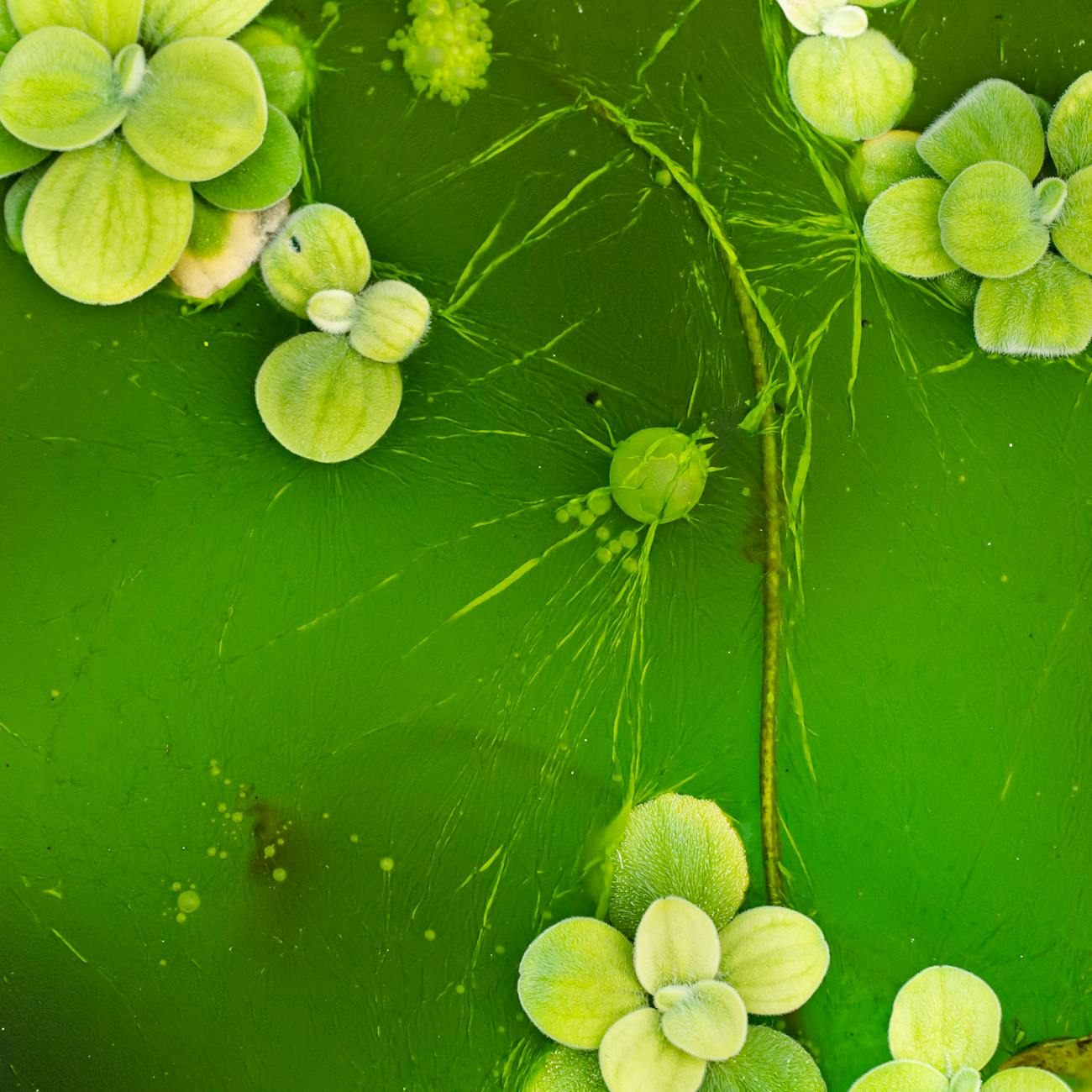
Planktonic Community Structure and Succession refer to the composition and changes in the community of microscopic organisms that drift or float in aquatic environments. Understanding these concepts is crucial for studying the dynamics of marine and freshwater ecosystems. Plankton play a vital role in the food web, nutrient cycling, and global carbon cycling.
**Planktonic Community Structure:**
The planktonic community is classified into two main groups based on size: phytoplankton and zooplankton. Phytoplankton are autotrophic organisms that perform photosynthesis, while zooplankton are heterotrophic organisms that consume other plankton. Within these groups, there is a wide diversity of species with different ecological roles.
* Phytoplankton: Phytoplankton are primary producers in aquatic ecosystems, converting sunlight into organic matter through photosynthesis. They include diatoms, dinoflagellates, cyanobacteria, and green algae. Diatoms, for example, are known for their silica cell walls and are essential for transferring energy to higher trophic levels.
* Zooplankton: Zooplankton are consumers in the planktonic community, feeding on phytoplankton, smaller zooplankton, and organic detritus. They include copepods, krill, jellyfish, and other small invertebrates. Zooplankton play a crucial role in energy transfer from lower to higher trophic levels.
**Factors Influencing Planktonic Community Structure:**
Several factors influence the composition and abundance of planktonic communities in aquatic ecosystems. These factors can be physical, chemical, or biological in nature and interact in complex ways to shape the community structure.
* Physical Factors: Physical factors such as temperature, light availability, salinity, and water currents play a significant role in determining the distribution and growth of planktonic organisms. For example, diatoms thrive in cold, nutrient-rich waters, while dinoflagellates are more common in warmer, stratified environments.
* Chemical Factors: Nutrient availability, especially nitrogen, phosphorus, and micronutrients, is critical for the growth of phytoplankton and, consequently, the entire planktonic community. Nutrient concentrations can vary seasonally and spatially, affecting the dominance of different species.
* Biological Factors: Interactions among planktonic organisms, including competition, predation, and symbiosis, also influence community structure. For example, copepods are important predators of phytoplankton and smaller zooplankton, regulating their populations and impacting community dynamics.
**Planktonic Succession:**
Planktonic succession refers to the predictable and sequential changes in the composition of planktonic communities over time. Succession occurs in response to environmental changes, seasonal variations, and biological interactions, leading to shifts in species dominance and diversity.
* Primary Succession: Primary succession occurs in newly formed or disturbed aquatic habitats where planktonic communities establish from scratch. Pioneer species, such as small diatoms and flagellates, colonize the environment first, followed by more complex and diverse species as conditions stabilize.
* Secondary Succession: Secondary succession occurs in established aquatic ecosystems that have experienced disturbances or seasonal changes. The planktonic community undergoes shifts in response to changing environmental conditions, with different species becoming dominant at different stages of succession.
**Challenges in Studying Planktonic Community Structure and Succession:**
Studying planktonic communities poses several challenges due to their small size, high diversity, and dynamic nature. Researchers face difficulties in sampling, identifying, and quantifying planktonic organisms, as well as in understanding the complex interactions that drive community dynamics.
* Small Size: Planktonic organisms are microscopic and often require specialized equipment, such as plankton nets and microscopes, for sampling and analysis. Their small size makes it challenging to study individual species and assess their abundance accurately.
* High Diversity: The planktonic community is incredibly diverse, with thousands of species coexisting in a single ecosystem. Identifying and classifying these species can be time-consuming and labor-intensive, requiring expertise in taxonomy and microscopy.
* Dynamic Nature: Planktonic communities are highly dynamic, responding rapidly to changes in environmental conditions and biological interactions. Monitoring these changes over time and space is essential for understanding community structure and succession.
**Practical Applications of Understanding Planktonic Community Structure and Succession:**
Understanding planktonic community structure and succession has practical implications for ecosystem management, conservation, and environmental monitoring. Researchers and policymakers can use this knowledge to assess ecosystem health, predict ecosystem responses to environmental changes, and inform conservation strategies.
* Ecosystem Management: Knowledge of planktonic community structure can help managers assess the health of aquatic ecosystems and make informed decisions about resource management and conservation. Monitoring changes in planktonic communities can serve as an early warning system for ecosystem disturbances.
* Environmental Monitoring: Planktonic organisms are sensitive indicators of environmental change, making them valuable for monitoring water quality, nutrient cycling, and ecosystem productivity. Changes in planktonic community structure can signal shifts in ecosystem dynamics and help identify areas of concern.
* Conservation: Protecting planktonic communities is essential for maintaining the health and productivity of aquatic ecosystems. Understanding the factors that influence community structure and succession can guide conservation efforts and ensure the sustainability of marine and freshwater environments.
**Conclusion:**
In conclusion, planktonic community structure and succession are fundamental concepts in plankton ecology, shaping the dynamics of aquatic ecosystems and influencing ecosystem function. By studying the composition, interactions, and changes in planktonic communities, researchers can gain insights into the health and resilience of marine and freshwater environments. Understanding the factors driving community structure and succession is essential for effective ecosystem management, conservation, and environmental monitoring.
Key takeaways
- Planktonic Community Structure and Succession refer to the composition and changes in the community of microscopic organisms that drift or float in aquatic environments.
- Phytoplankton are autotrophic organisms that perform photosynthesis, while zooplankton are heterotrophic organisms that consume other plankton.
- * Phytoplankton: Phytoplankton are primary producers in aquatic ecosystems, converting sunlight into organic matter through photosynthesis.
- * Zooplankton: Zooplankton are consumers in the planktonic community, feeding on phytoplankton, smaller zooplankton, and organic detritus.
- These factors can be physical, chemical, or biological in nature and interact in complex ways to shape the community structure.
- * Physical Factors: Physical factors such as temperature, light availability, salinity, and water currents play a significant role in determining the distribution and growth of planktonic organisms.
- * Chemical Factors: Nutrient availability, especially nitrogen, phosphorus, and micronutrients, is critical for the growth of phytoplankton and, consequently, the entire planktonic community.