
Using and communicating technical information
Expert-defined terms from the Level 2 Certificate in Performing Engineering Operations course at UK School of Management. Free to read, free to share, paired with a globally recognised certification pathway.
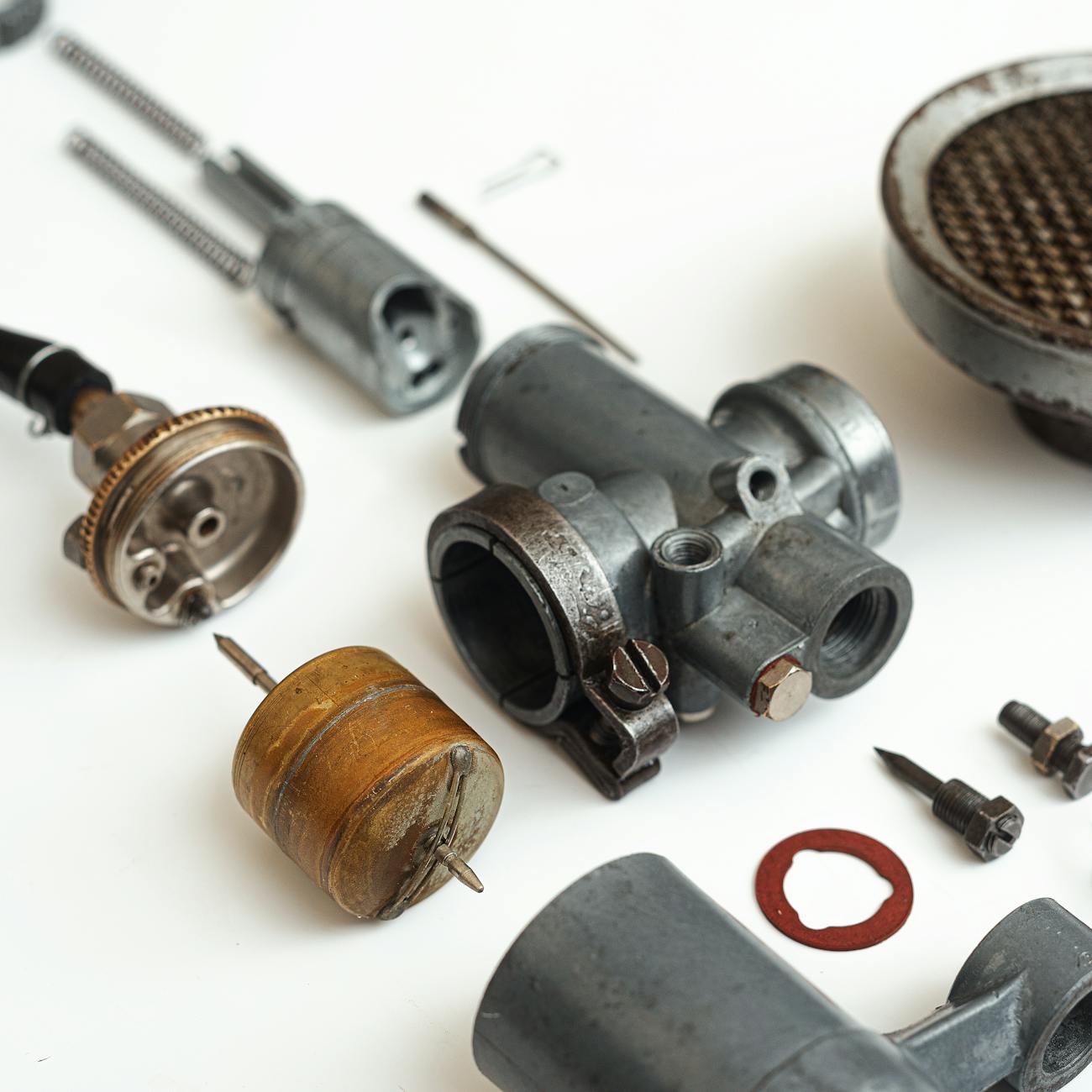
Using and communicating technical information #
The process of effectively conveying complex technical information in a clear an… #
This involves utilizing various communication methods and tools to ensure that information is accurately shared and understood by the intended audience. In the context of the Level 2 Certificate in Performing Engineering Operations, using and communicating technical information is crucial for successful completion of tasks and projects.
Acronym #
A word formed from the initial letters of a multi #
word name or phrase, where each letter is pronounced separately. Acronyms are commonly used in technical fields to simplify and streamline communication by condensing lengthy terms into shorter, more manageable forms. For example, NASA stands for National Aeronautics and Space Administration.
Analysis #
The process of examining information or data in detail to understand its compone… #
Analysis is a critical skill in engineering operations as it allows individuals to identify patterns, trends, and potential issues that may impact the outcome of a project. By conducting thorough analysis, engineers can make informed decisions and develop effective solutions.
Calibration #
The process of adjusting and verifying the accuracy of measuring instruments or… #
Calibration is essential in engineering operations to maintain the precision and reliability of tools used in various processes. Regular calibration helps prevent errors and inaccuracies that could compromise the quality of work.
Communicate #
The act of sharing information, thoughts, or ideas with others through verbal, w… #
Effective communication is essential in performing engineering operations as it facilitates collaboration, problem-solving, and decision-making within a team. Engineers must be able to communicate clearly and concisely to ensure that tasks are completed accurately and efficiently.
Data #
Facts, statistics, or information that can be collected, analyzed, and used for… #
In engineering operations, data plays a crucial role in decision-making, problem-solving, and performance evaluation. Engineers rely on data to assess the performance of systems, identify areas for improvement, and make informed choices based on evidence.
Diagram #
A visual representation of information, concepts, or processes using symbols, sh… #
Diagrams are commonly used in engineering operations to illustrate complex ideas, relationships, and structures in a clear and concise manner. Engineers often create diagrams to communicate technical information effectively and help others understand complex systems or processes.
Documentation #
The process of recording, organizing, and storing information in a systematic an… #
Documentation is essential in engineering operations to provide a reference for procedures, specifications, and guidelines. Engineers use documentation to communicate technical information, track progress, and ensure consistency in tasks and projects.
Drawing #
A visual representation of an object, structure, or system created using lines,… #
Drawings are commonly used in engineering operations to convey design concepts, construction plans, and technical details. Engineers create drawings to communicate ideas, specifications, and dimensions to others involved in a project.
Feedback #
Information or comments provided in response to a specific action, performance,… #
Feedback is essential in engineering operations to evaluate progress, identify areas for improvement, and make adjustments as needed. Engineers rely on feedback from supervisors, colleagues, or clients to ensure that tasks are completed according to requirements and expectations.
Graph #
A visual representation of data or information using lines, bars, or points on a… #
Graphs are commonly used in engineering operations to illustrate trends, patterns, and relationships in a clear and concise manner. Engineers use graphs to analyze data, identify correlations, and communicate findings to others effectively.
Interpret #
The process of explaining or understanding the meaning of information, data, or… #
Interpretation is crucial in engineering operations to analyze results, draw conclusions, and make informed decisions based on evidence. Engineers must be able to interpret technical information accurately to ensure that tasks are completed correctly and efficiently.
Manual #
A document or guide that provides instructions, procedures, or information on ho… #
Manuals are essential in engineering operations to help individuals understand the functionality, maintenance, and troubleshooting of tools and machines. Engineers rely on manuals to ensure that tasks are performed safely and effectively.
Plan #
A detailed proposal or strategy outlining the steps, resources, and timelines ne… #
Planning is a critical aspect of engineering operations as it helps individuals organize tasks, allocate resources, and set priorities for projects. Engineers develop plans to ensure that work is completed efficiently and effectively.
Procedure #
A series of steps or actions that must be followed in a specific order to comple… #
Procedures are essential in engineering operations to ensure consistency, accuracy, and safety in performing tasks. Engineers rely on procedures to guide their work, minimize errors, and maintain quality standards throughout projects.
Report #
A formal document or presentation that provides information, analysis, or findin… #
Reports are commonly used in engineering operations to communicate results, recommendations, and conclusions to stakeholders. Engineers create reports to summarize progress, highlight achievements, and address challenges in tasks and projects.
Specification #
A detailed description of the requirements, features, or characteristics of a pr… #
Specifications are essential in engineering operations to ensure that designs, materials, and processes meet the necessary standards and criteria. Engineers use specifications to guide their work, communicate expectations, and achieve the desired outcomes in projects.
Standard #
A set of guidelines, rules, or criteria that define the quality, performance, or… #
Standards are essential in engineering operations to establish benchmarks, ensure consistency, and meet regulatory or industry requirements. Engineers adhere to standards to maintain quality, reliability, and compliance in their work.
Technical drawing #
A detailed and precise representation of an object, structure, or system using l… #
Technical drawings are commonly used in engineering operations to communicate design concepts, dimensions, and specifications. Engineers create technical drawings to convey technical information accurately and facilitate the manufacturing or construction of products.
Technical information #
Technical report #
A formal document that presents information, analysis, or findings on a technica… #
Technical reports are commonly used in engineering operations to document results, recommendations, and conclusions for stakeholders. Engineers create technical reports to communicate progress, outcomes, and challenges in tasks and projects effectively.
Technical writing #
The process of conveying complex technical information in a clear, concise, and… #
Technical writing is essential in engineering operations to create manuals, reports, procedures, and documentation that are accurate and easy to understand. Engineers use technical writing skills to communicate effectively with colleagues, clients, and other stakeholders.
Visualization #
The process of creating visual representations of data, concepts, or ideas to en… #
Visualization is a valuable tool in engineering operations to illustrate complex information, relationships, and processes in a more accessible format. Engineers use visualization techniques such as diagrams, graphs, and charts to convey technical information effectively and facilitate decision-making.
Work instruction #
A detailed set of guidelines, steps, or procedures that specify how a task shoul… #
Work instructions are essential in engineering operations to ensure that tasks are completed correctly, efficiently, and safely. Engineers rely on work instructions to guide their work, minimize errors, and maintain quality standards throughout projects.