
Introduction to Maritime Data Analytics
Welcome to this exciting episode of our Certificate in Maritime Data Analytics podcast! Today, we're diving into the world of Introduction to Maritime Data Analytics, a topic that's not only fascinating but also crucial in our modern, inter…
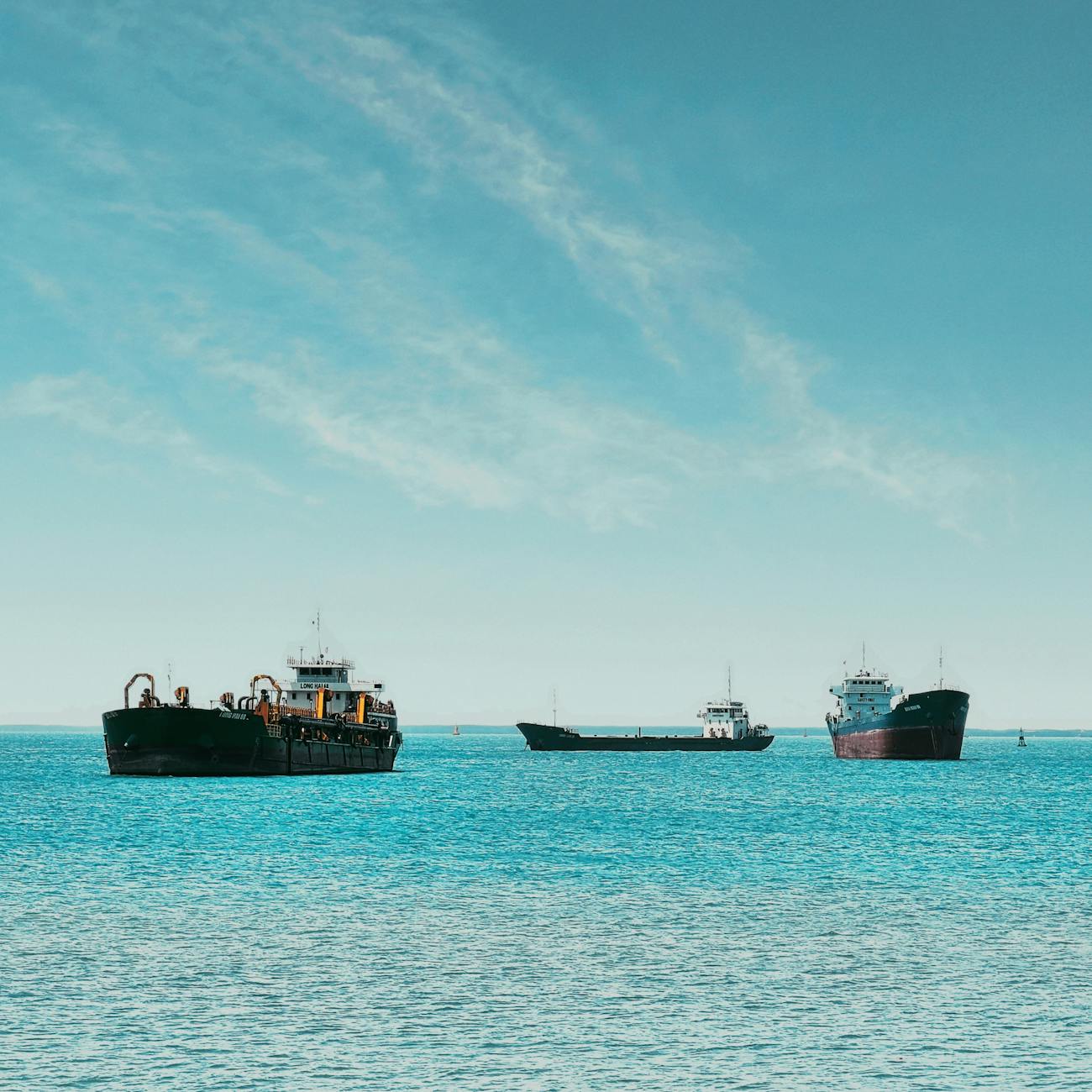
Welcome to this exciting episode of our Certificate in Maritime Data Analytics podcast! Today, we're diving into the world of Introduction to Maritime Data Analytics, a topic that's not only fascinating but also crucial in our modern, interconnected world.
Imagine setting sail on the high seas of data, where fascinating insights and hidden treasures await those who dare to explore. That's what maritime data analytics is all about! It's the art and science of turning raw data into actionable insights, helping us understand and optimize maritime operations like never before.
This unit is the foundation of our course, the cornerstone that will empower you to navigate the vast ocean of maritime data with confidence and curiosity. Whether you're a seasoned professional or a passionate newcomer, the lessons you'll learn here will be relevant and valuable to your journey.
To give you some historical context, maritime data analytics has evolved alongside the shipping industry. From ancient mariners using the stars to navigate, to the advent of GPS and satellite technology, we've always sought to harness data to improve our understanding of the oceans. Today, with the explosion of digital data, we have an unprecedented opportunity to analyze, learn, and grow.
Now, let's talk practical applications. Maritime data analytics can help optimize fleet management, improve vessel performance, enhance safety, and even contribute to environmental sustainability. For example, by analyzing data on fuel consumption, speed, and weather conditions, shipping companies can reduce their carbon footprint and save millions in operational costs.
But, as with any powerful tool, there are common pitfalls to avoid. It's easy to drown in the flood of data or become overwhelmed by the complexity of analytical techniques. That's why our course emphasizes a balanced approach: we'll teach you not only how to crunch the numbers but also how to interpret and communicate your findings effectively.
From ancient mariners using the stars to navigate, to the advent of GPS and satellite technology, we've always sought to harness data to improve our understanding of the oceans.
As we wrap up this episode, I want to leave you with an inspiring message. The world of maritime data analytics is vast and full of potential, and I believe that each and every one of you has the power to make a real difference. So, as you continue your journey of growth, don't be afraid to take risks, ask questions, and explore new horizons.
And before we set sail, let me encourage you to engage with our podcast community. Share your thoughts, ask questions, and connect with like-minded learners. You can subscribe, share, or leave a review—your support helps us navigate the waters of maritime data analytics together.
Until next time, remember: the ocean of data is vast and full of treasures—dive in, explore, and let your curiosity be your compass!
[Call to Action]
To stay updated on the latest insights and trends in maritime data analytics, subscribe to our podcast and join our community of lifelong learners. Share your thoughts, ask questions, and engage with fellow learners on our social media channels. And don't forget to leave a review—your feedback helps us navigate the waters of maritime data analytics together. See you on the next episode!
Key takeaways
- Today, we're diving into the world of Introduction to Maritime Data Analytics, a topic that's not only fascinating but also crucial in our modern, interconnected world.
- It's the art and science of turning raw data into actionable insights, helping us understand and optimize maritime operations like never before.
- This unit is the foundation of our course, the cornerstone that will empower you to navigate the vast ocean of maritime data with confidence and curiosity.
- From ancient mariners using the stars to navigate, to the advent of GPS and satellite technology, we've always sought to harness data to improve our understanding of the oceans.
- For example, by analyzing data on fuel consumption, speed, and weather conditions, shipping companies can reduce their carbon footprint and save millions in operational costs.
- That's why our course emphasizes a balanced approach: we'll teach you not only how to crunch the numbers but also how to interpret and communicate your findings effectively.
- The world of maritime data analytics is vast and full of potential, and I believe that each and every one of you has the power to make a real difference.