
Coastal Processes and Hazards
Welcome to this exciting episode of our podcast, where we delve into the world of Coastal Processes and Hazards, a crucial unit in our Professional Certificate in Coastal Engineering and Port Development. This topic is not only important fo…
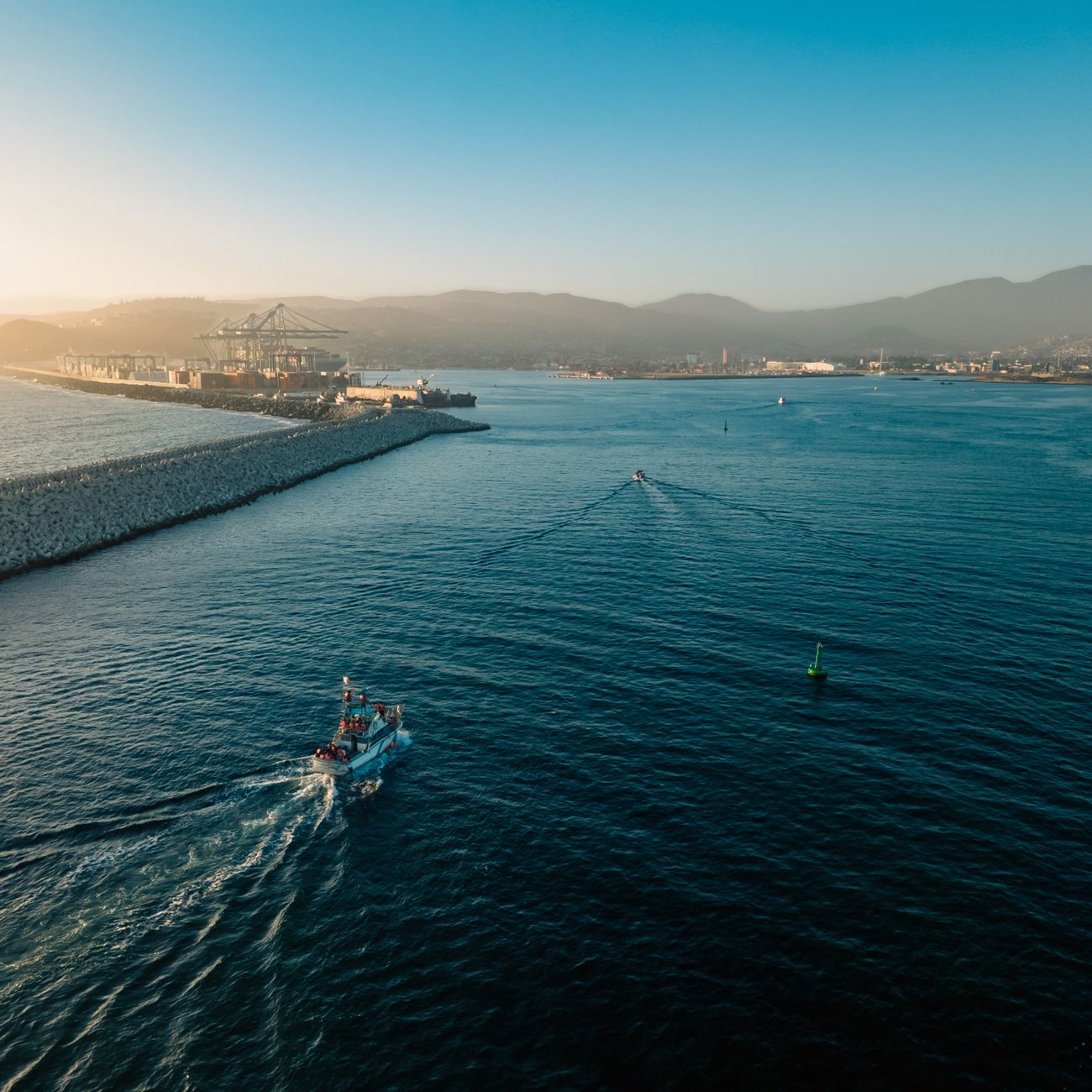
Photo from Pexels
Welcome to this exciting episode of our podcast, where we delve into the world of Coastal Processes and Hazards, a crucial unit in our Professional Certificate in Coastal Engineering and Port Development. This topic is not only important for aspiring coastal engineers, but also for anyone who lives near the coast or is interested in understanding the forces that shape our shores.
Imagine standing on a beautiful beach, feeling the sand between your toes and listening to the rhythmic crashing of waves against the shore. It's a serene and calming experience, but have you ever stopped to think about the powerful forces at work, constantly reshaping our coastlines? Coastal processes and hazards are the driving forces behind these changes, and understanding them is vital for anyone involved in coastal engineering, management, or simply enjoying the beauty of our coasts.
Coastal Processes and Hazards cover a wide range of topics, from the natural forces that shape coastlines, like waves, tides, and currents, to the human activities that impact them, such as coastal development and climate change. By studying these processes and hazards, we can better predict and manage coastal changes, reduce the risks of coastal hazards, and ensure the long-term sustainability of our coastal communities and ecosystems.
Now, let's explore some practical applications of Coastal Processes and Hazards in our daily lives and work. Suppose you're a coastal engineer designing a new harbor or a homeowner building a beachfront property. Understanding the local coastal processes and hazards will help you make informed decisions, such as selecting appropriate building materials, designing adequate infrastructure, and implementing effective erosion control measures.
Moreover, being aware of coastal hazards like storm surges, sea-level rise, and coastal erosion can help us prepare for and mitigate their impacts. For instance, implementing early warning systems, developing emergency response plans, and restricting development in high-risk areas can save lives, protect property, and preserve the environment.
However, it's essential to avoid common pitfalls when dealing with Coastal Processes and Hazards. One common mistake is underestimating the complexity and variability of coastal processes, which can lead to inadequate or even harmful designs and management practices. Another pitfall is ignoring the social, economic, and environmental aspects of coastal hazards, which can result in unintended consequences and missed opportunities for sustainable development.
For instance, implementing early warning systems, developing emergency response plans, and restricting development in high-risk areas can save lives, protect property, and preserve the environment.
To overcome these challenges, we must adopt a holistic and interdisciplinary approach to Coastal Processes and Hazards, integrating natural and social sciences, engineering, and policy. This approach involves understanding the physical, biological, and chemical processes that shape coastlines, as well as the human factors that drive coastal development and impact coastal ecosystems.
In conclusion, Coastal Processes and Hazards are a vital part of our coastal engineering course, and understanding them can help us make informed decisions, protect our communities and ecosystems, and ensure a sustainable future for our coasts. As you continue your journey of growth and learning, I encourage you to apply what you've learned in this episode and seek out new opportunities to deepen your knowledge and skills.
Before you go, don't forget to subscribe to our podcast, share it with your friends and colleagues, and engage with us by leaving comments and feedback. Together, we can create a vibrant community of coastal enthusiasts and professionals, working towards a better future for our coasts and oceans.
Thank you for joining us on this episode, and we look forward to continuing our journey together in the world of Coastal Engineering and Port Development. Until next time, keep exploring, learning, and making a difference!
Key takeaways
- Welcome to this exciting episode of our podcast, where we delve into the world of Coastal Processes and Hazards, a crucial unit in our Professional Certificate in Coastal Engineering and Port Development.
- Coastal processes and hazards are the driving forces behind these changes, and understanding them is vital for anyone involved in coastal engineering, management, or simply enjoying the beauty of our coasts.
- Coastal Processes and Hazards cover a wide range of topics, from the natural forces that shape coastlines, like waves, tides, and currents, to the human activities that impact them, such as coastal development and climate change.
- Understanding the local coastal processes and hazards will help you make informed decisions, such as selecting appropriate building materials, designing adequate infrastructure, and implementing effective erosion control measures.
- For instance, implementing early warning systems, developing emergency response plans, and restricting development in high-risk areas can save lives, protect property, and preserve the environment.
- Another pitfall is ignoring the social, economic, and environmental aspects of coastal hazards, which can result in unintended consequences and missed opportunities for sustainable development.
- This approach involves understanding the physical, biological, and chemical processes that shape coastlines, as well as the human factors that drive coastal development and impact coastal ecosystems.