
Activities of Daily Living Adaptations
Imagine for a moment that you are trying to brush your teeth. It is a task you have done thousands of times without thinking. But now, imagine your hand trembles just enough that the bristles miss your molars. Imagine your fingers feel stif…
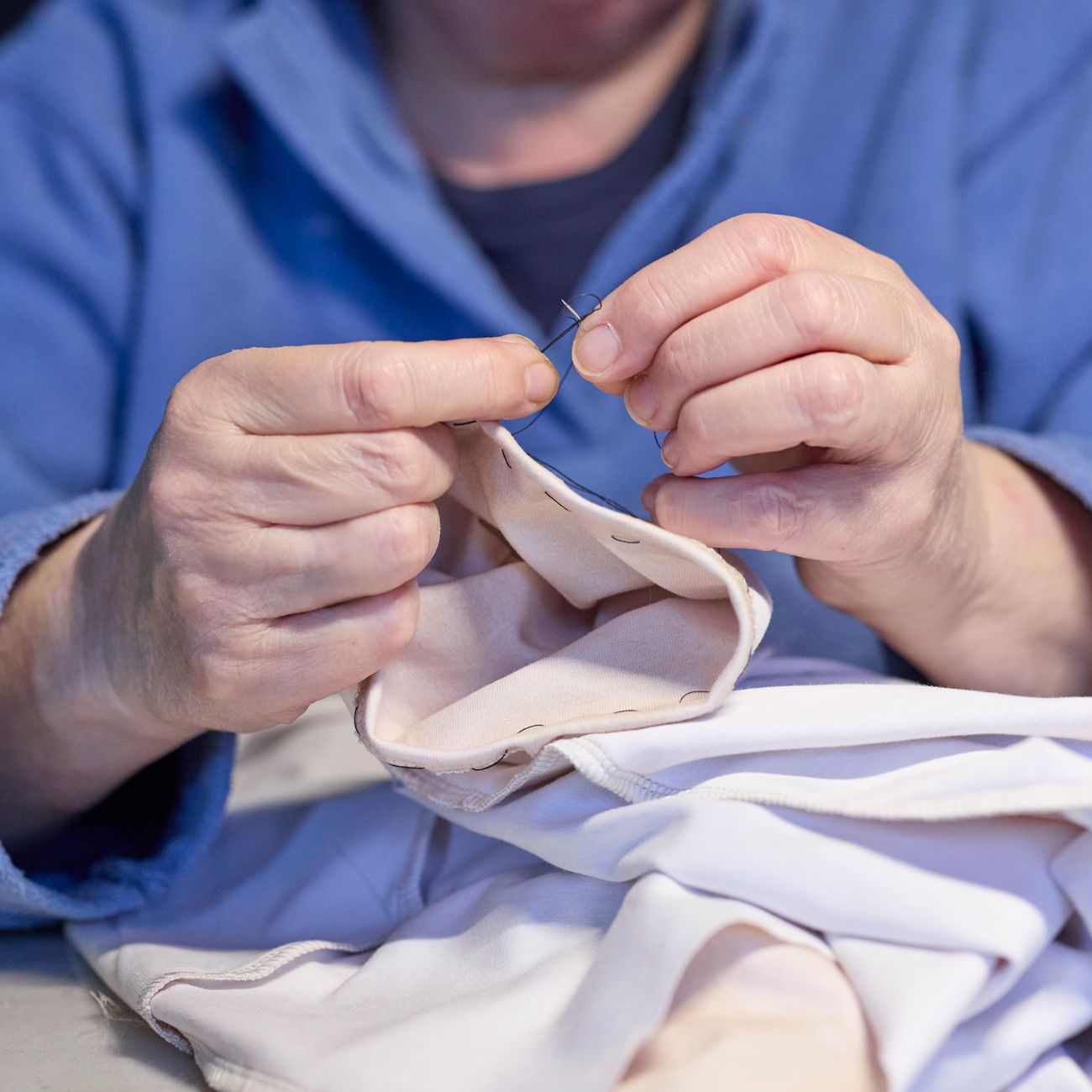
Photo from Pexels
Imagine for a moment that you are trying to brush your teeth. It is a task you have done thousands of times without thinking. But now, imagine your hand trembles just enough that the bristles miss your molars. Imagine your fingers feel stiff and uncooperative, turning a simple morning routine into a battle of wills and coordination. This is not just an inconvenience; it is a loss of independence, a quiet erosion of dignity that many people living with Parkinson’s disease face every single day. Welcome to a special episode brought to you by HealthCareCourses (An LSIB brand), or HCC as we like to call it. We are diving deep into the Masterclass Certificate in Parkinsons Occupational Therapy, specifically focusing on a unit that changes lives: Activities of Daily Living Adaptations. If you are an occupational therapy student, a practicing therapist, or a caregiver looking to understand the mechanics of support, you are in the right place. Today, we are going to explore how small, strategic changes can restore autonomy and confidence to individuals navigating the complex journey of Parkinson’s.
To truly appreciate the power of adaptation, we have to look back a little. In the early days of occupational therapy, the focus was often on rehabilitation—trying to fix the deficit, to make the patient move like they did before the diagnosis. But over the last few decades, the philosophy has shifted dramatically. We realized that while we can manage symptoms, we cannot always cure the progression of the disease. So, the question changed from how do we fix the movement to how do we change the environment and the task to fit the person? This evolution marks the birth of modern adaptation strategies. It is about working with the body as it is right now, not as it was ten years ago. At HCC, we emphasize this shift because it is where the real magic happens. It is where therapy moves from the clinic into the kitchen, the bathroom, and the bedroom.
Let’s get practical. When we talk about Activities of Daily Living, or ADLs, we are talking about the basics: bathing, dressing, eating, and toileting. For someone with Parkinson’s, the primary challenges are often bradykinesia, which is slowness of movement, rigidity, tremor, and postural instability. So, how do we adapt? Let’s start with dressing. Putting on a shirt can be a nightmare when fine motor control is compromised. A common strategy is to switch from buttons to magnetic closures or velcro. But it goes deeper than just changing the fabric. We teach clients to dress while sitting down to reduce the risk of falls. We encourage them to put the affected side on first when dressing, and take it off last when undressing. This sequence minimizes the effort required from the weaker side. It’s a small tweak, but it can shave minutes off a morning routine and significantly reduce frustration.
Now, let’s talk about eating. Tremors can make holding a spoon difficult, leading to spills and embarrassment. The adaptation here isn’t just about being careful; it’s about engineering the solution. Weighted utensils are a game-changer. The added mass dampens the tremor, allowing for smoother, more controlled movements. We also look at the environment. Is the table at the right height? Are the plates secured with non-slip mats? Sometimes, the simplest adaptation is switching to a cup with a lid and a straw, eliminating the need for the complex coordination of lifting and tilting. These aren’t just tools; they are bridges back to independence.
Bathing is another area where fear often takes the wheel. The risk of slipping is real, and the loss of balance can be terrifying. Here, adaptation means safety first. Installing grab bars is non-negotiable, but we also look at the mechanics of the shower. A shower chair allows the person to sit, conserving energy and reducing fall risk. Long-handled sponges mean they don’t have to bend or reach excessively. We advise clients to keep the bathroom warm before entering, as cold temperatures can increase muscle rigidity, making movement even harder. These environmental tweaks are crucial. They transform a dangerous situation into a manageable, safe routine.
Sometimes, the simplest adaptation is switching to a cup with a lid and a straw, eliminating the need for the complex coordination of lifting and tilting.
However, it is vital to highlight some common pitfalls that even experienced practitioners can fall into. One major mistake is over-adapting too early. If a client can still button their shirt with some effort, immediately switching to velcro might rob them of the therapeutic benefit of that struggle. The goal is to maintain function for as long as possible. Adaptation should be introduced when the task becomes unsafe or excessively fatiguing, not just when it is difficult. Another pitfall is ignoring the cognitive aspect. Parkinson’s can affect executive function, making planning and sequencing hard. An adaptation that makes physical sense might fail if the client forgets the steps. So, we combine physical adaptations with cognitive aids, like visual checklists or step-by-step picture guides taped to the mirror.
Let me share a story that illustrates this perfectly. I once worked with a gentleman we’ll call Arthur. Arthur was a former engineer, proud and precise. As his tremors worsened, he stopped cooking. He felt like he was failing at being a provider and a partner. We didn’t just give him a weighted knife. We redesigned his kitchen workflow. We moved his most-used items to waist height so he didn’t have to reach up or down. We introduced a pre-cut vegetable service for his weekly meals to reduce the prep time. We used a rocker knife that required minimal pressure. Within a month, Arthur was cooking again. He wasn’t just feeding himself; he was reclaiming his identity. That is the power of thoughtful adaptation. It’s not just about the task; it’s about the person.
As we wrap up this episode, I want you to reflect on your own practice or your own life. Whether you are a student at HCC mastering these concepts or a professional applying them, remember that adaptation is an act of empathy. It is saying, your life matters, and your independence is worth fighting for. It is about finding the balance between safety and autonomy. Don’t be afraid to experiment. Try a different utensil. Rearrange a closet. Talk to your clients or loved ones about what frustrates them most. Listen to their stories. The best adaptations often come from the people living with the condition, not just the textbooks.
Thank you for joining us on this journey through the Masterclass Certificate in Parkinsons Occupational Therapy. If you found this episode helpful, please subscribe to our podcast and share it with your colleagues, friends, or anyone who might benefit from these insights. We are building a community of compassionate, knowledgeable professionals at HealthCareCourses (An LSIB brand), and we want you to be part of it. Keep learning, keep adapting, and keep empowering those around you. Until next time, stay curious and keep making a difference.
Key takeaways
- We are diving deep into the Masterclass Certificate in Parkinsons Occupational Therapy, specifically focusing on a unit that changes lives: Activities of Daily Living Adaptations.
- In the early days of occupational therapy, the focus was often on rehabilitation—trying to fix the deficit, to make the patient move like they did before the diagnosis.
- For someone with Parkinson’s, the primary challenges are often bradykinesia, which is slowness of movement, rigidity, tremor, and postural instability.
- Sometimes, the simplest adaptation is switching to a cup with a lid and a straw, eliminating the need for the complex coordination of lifting and tilting.
- We advise clients to keep the bathroom warm before entering, as cold temperatures can increase muscle rigidity, making movement even harder.
- If a client can still button their shirt with some effort, immediately switching to velcro might rob them of the therapeutic benefit of that struggle.
- We introduced a pre-cut vegetable service for his weekly meals to reduce the prep time.